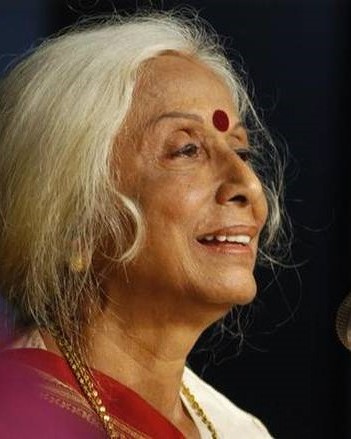
Hindustani classical · 1932–2024
Dr Prabha Atre
A Kirana singer who was also a scholar, composer and teacher, and who held all three Padma honours.
- Instrument
- Khayal vocal
- Gharana
- Kirana gharana
- Schools & gurukuls
- Akhil Bharatiya Gandharva Mahavidyalaya MandalStudied at the Mandal
- Born
- 13 September 1932, Pune
- Died
- 13 January 2024, Pune
- On these dates
- Obituaries differ on her age at death: The Hindu and the Indian Express (13 January 2024) both report she died aged 92, while the widely cited birth date of 13 September 1932 makes her 91.
Official website & social links
Explore Dr Prabha Atre's recordings and legacy on the pages kept in their name.
- Official websiteDr Prabha Atre's own account
- YouTube · @DrPrabhaAtreFoundationRun by a foundation in their name
These destinations belong to Dr Prabha Atre or to those who look after their work, and are checked by an editor before they are listed. They leave the archive. Suggest a link or a correction.
Where to start
Begin listening
Start here
SwaraArpan 165 — Raag Darbari Kauns
Dr. Prabha Atre Foundation
Published by the foundation she established.
Explore further
Quintessential Dr Prabha Atre — Raag Shyam Kalyan
darbarfestival
Published on the Darbar Festival channel.
Explore further
Raag Madhurkauns
darbarfestival
Kirana khayal; a raga of her own devising, published by Darbar Festival.
Recordings are embedded from official or authorised channels and never rehosted. Nothing plays on its own, and starting one closes another. Where an editor has added a note, it explains why that recording was chosen — not what happens inside it.
Biography
Life
Prabha Atre was born in Pune on 13 September 1932 to Abasaheb and Indirabai Atre. Neither she nor her sister Usha had planned a life in music. When Prabha was eight her mother was unwell and, on a friend's suggestion, took a few classical singing lessons; listening to them drew the daughter to the music. She trained in the guru-shishya tradition with Sureshbabu Mane and Hirabai Barodekar of the Kirana gharana, and acknowledged the influence of Amir Khan in khayal and Bade Ghulam Ali Khan in thumri on her own gayaki. She also studied Kathak for a short period.
Alongside music she took a Bachelor of Science at Fergusson College and an LL.B. at the University of Pune law college, studied at the Gandharva Mahavidyalaya Mandal and at Trinity Laban Conservatoire in London, and earned a PhD with a thesis titled Sargam, on the use of sol-fa notes in Indian classical music. Early in her career she sang on the Marathi musical stage in Sanshay-Kallol, Maanaapamaan, Saubhadra and Vidyaharan.
She worked as an assistant producer at All India Radio and was graded top in several categories by radio and Doordarshan; she became professor and head of the music department at SNDT Women's University in Mumbai, and taught as a visiting professor at the Rotterdam Conservatory, at Montreux, at UCLA and at the University of Calgary. In about 1992 she began the annual Pandit Sureshbabu Mane and Hirabai Badodekar Sangeet Sammelan in Mumbai in memory of her teachers, and she later founded the Swaramayee Gurukul in Pune, which combines guru-shishya teaching with classroom work. The Dr Prabha Atre Foundation was registered in 2000. She performed abroad widely, including at the Darbar Festival in London. She died in Pune of cardiac arrest on 13 January 2024, aged 91.
Her 1971 HMV LP — raag Maru Bihag and raag Kalavati, followed by the Mishra Khamaj thumri "Kaun gali gayo shyam" — became the recording she is most remembered for; the Kalavati piece, "Tann mann dhan", was her own composition, presented at a time when few vocalists performed their own bandishes. Because she came from a scholarly rather than a musical family, she felt free to question the conventions of the tradition: the time theory of ragas, the way ragas are named, how music should be taught, and the idea of allegiance to a gharana. She sang khayal, tarana, thumri, dadra, ghazal and bhajan with equal command, and performed in a plain white sari, avoiding publicity throughout a career of some seven decades. She received the Padma Shri in 1990, the Padma Bhushan in 2002 and the Padma Vibhushan in 2022. Because she learned from two of Abdul Karim Khan's children, she carried a stream of Kirana gayaki distinct from the style made familiar by Bhimsen Joshi and Gangubai Hangal. During the pandemic lockdown she released a composition from her private collection on social media every Sunday, and she was due to perform in Mumbai on the day she died.
Musical contribution
What they brought to music
She sang khayal, thumri, dadra, ghazal, geet, natya sangeet, bhajan and tarana. As a composer she published the collections Swaranginee, Swaranjanee and Swararangee and introduced new ragas, among them Apurva Kalyan, Darbari Kauns, Bhinna Kauns, Patdeep-Malhar, Shiv Kali, Shivani, Kalaheer, Tilang-bhairav, Ravi-Bhairav, Kaushik Bhairav and Madhur-kauns. Her first LP carried Maru Bihag, Kalavati and a Khamaj thumri. She also wrote and gave lecture-demonstrations, including the Alok series in which she set out her musical thinking.
Life in dates
Timeline
1932
Born in Pune
Born on 13 September.
1990
Padma Shri
1991
Sangeet Natak Akademi Award
1992
Founded a festival for her teachers
The annual Sureshbabu Mane and Hirabai Badodekar Sangeet Sammelan in Mumbai.
2000
Dr Prabha Atre Foundation registered
2002
Padma Bhushan
2022
Padma Vibhushan
2024
Died in Pune
Died on 13 January, aged 91.
Lineage & company
Teachers, students and musical connections
In the documented teaching trees
Where the archive's lineage research places Dr Prabha Atre, and the teaching links recorded around them inside each tree.
Kirana gharana1932–2024
Kirana singer, composer and writer who also taught the tradition academically.
Taught in this tree by: Hirabai Barodekar, Sureshbabu Mane
People
Grouped by the kind of relationship the sources record — who taught this musician, who they taught, family, and the people they played with.
Teachers and gurus
- Sureshbabu ManeTeacher
"She learnt classical music from Sureshbabu Mane and Hirabai Badodekar from the Kirana gharana."
Wikipedia — Prabha Atre 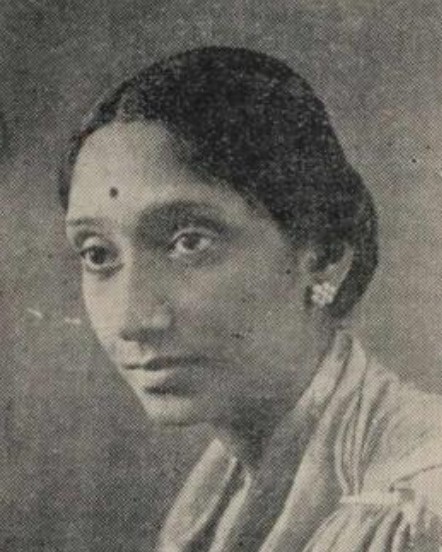 Hirabai BarodekarTeacher
Named in the same passage; Darbar likewise says she trained "under the tutelage of Sureshbabu Mane and Hirabai Badodekar."
Wikipedia — Prabha Atre; Darbar Amir KhanAcknowledged influence, not a teacher
"She acknowledged the influence of two successful artists, Amir Khan for khyal and Bade Ghulam Ali Khan for thumri, on her gayaki."
Wikipedia — Prabha Atre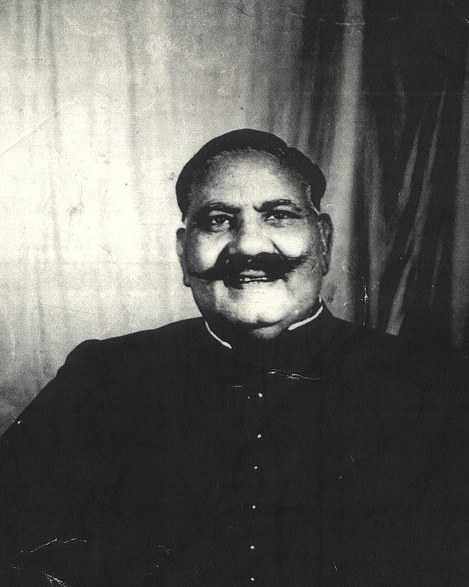 Bade Ghulam Ali KhanAcknowledged influence, not a teacher
Named in the same passage as an influence on her thumri.
Wikipedia — Prabha Atre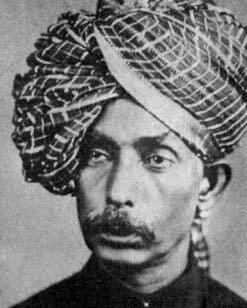 Ustad Abdul Karim KhanGharana founder in her line
Her two teachers, Sureshbabu Mane and Hirabai Barodekar, were Abdul Karim Khan's children, so she sang a stream of Kirana gayaki descended directly from him.
The Hindu — Prabha Atre's unconventional thinking gave her music a rare depth- Swaramayee Gurukul, PuneFounder and teacher
She ran the gurukul in Pune in the guru-shishya tradition; several notable classical singers trained there.
The Hindu — Renowned classical singer Prabha Atre passes away at 92
Named on other pages
Musicians whose own pages record a connection with this one, in the words their sources use.
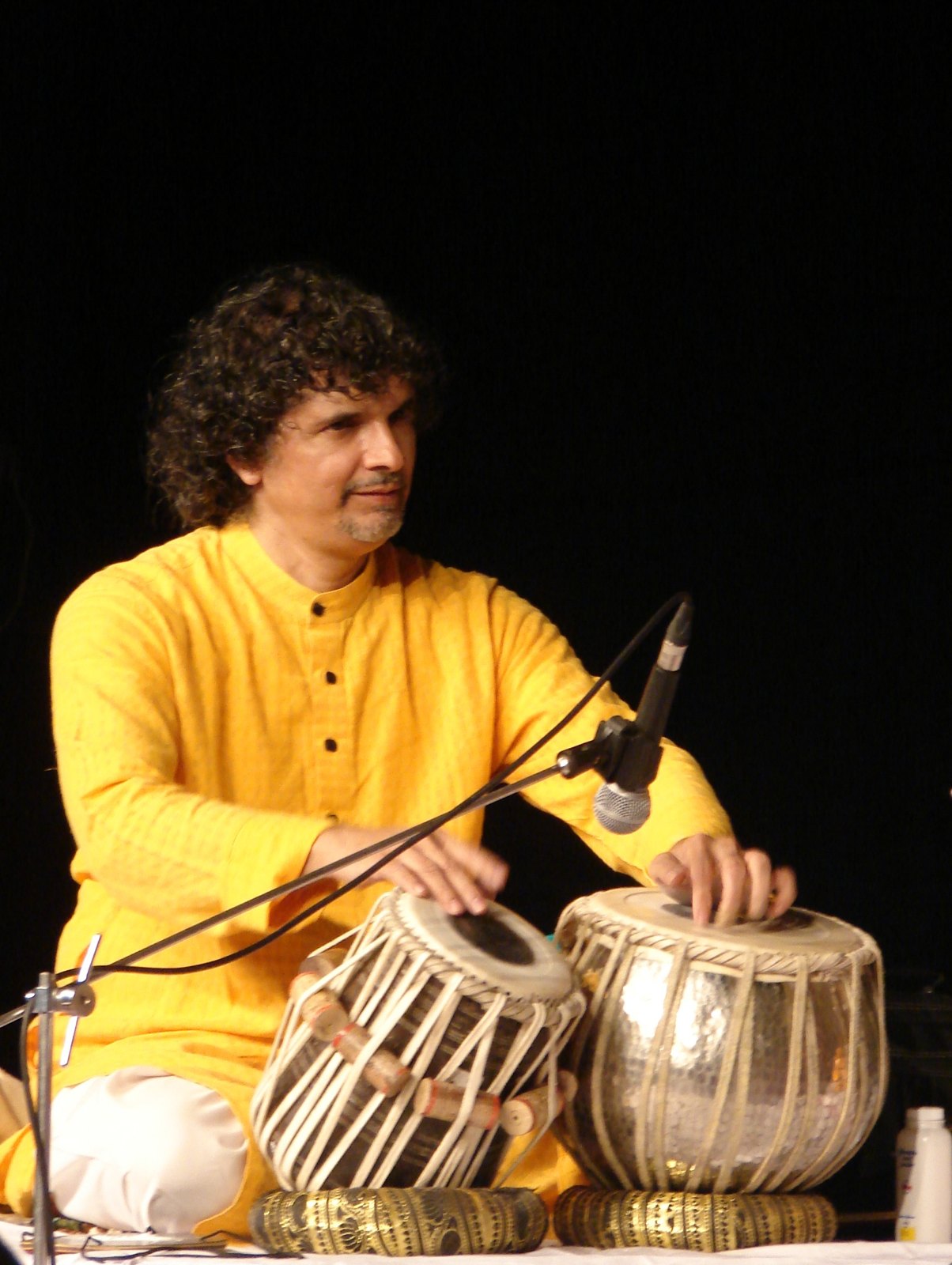 Pandit Ramdas PalsuleTheir page records: Accompanied
Tabla accompaniment
Schools, gurukuls and institutions
- Akhil Bharatiya Gandharva Mahavidyalaya Mandal
Studied at the Mandal
Recognition
Honours and recognition
Highest national honour first, then by year.
- 2022Padma Vibhushan
- 2002Padma Bhushan
- 1990Padma Shri
- 1991Sangeet Natak Akademi Award
- 1976Acharya Atre Award for music
- 2011Tagore Akademi RatnaAnnounced by the Sangeet Natak Akademi.
Community
Memories from the community
Personal recollections, not verified history
These are memories shared by listeners and musicians. They sit apart from the sourced biography above, and an editor reads each one before it appears.
- No memories have been shared yet.
Members can share a memory of Dr Prabha Atre. Sign in or create an account.
Provenance
Sources and image credits
- Wikipedia — Prabha Atre
- Darbar — Dr. Prabha Atre
- The Hindu — Renowned classical singer Prabha Atre passes away at 92
- The Hindu — Prabha Atre's unconventional thinking gave her music a rare depth
- The Indian Express — Prabha Atre, vocalist who challenged conventions of classical realm, passes away in Pune at 92
Photograph by Vibha Bharadwaj, CC BY-SA 4.0, via Wikimedia Commons
Continue exploring
- Kirana gharanaThe lineage Dr Prabha Atre is associated with, and the other musicians documented within it.
- The khayal vocalHow the instrument works, and who else in the archive plays it.
- Akhil Bharatiya Gandharva Mahavidyalaya MandalThe school Dr Prabha Atre is connected to — what it teaches and where it is.
- All musiciansBrowse the archive by name, instrument or discipline.