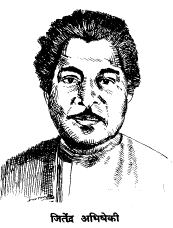
Hindustani classical · 1929–1998
Pandit Jitendra Abhisheki
The singer-composer who gave Marathi musical theatre a second life.
- Instrument
- Khayal vocal
- Gharana
- Agra gharanaJaipur-Atrauli gharanaTrained with Gullubhai Jasdanwala of the Jaipur gharana and studied compositions with Nivrittibua Sarnaik and Ratnakar Pai; his style is usually described as a synthesis rather than an allegiance.
- Born
- 21 September 1929, Mangeshi, Goa
- Died
- 7 November 1998
- On these dates
- Birth year contested: Wikipedia and the Vishwa Konkani Kendra Hall of Fame give 21 September 1929; Rajan Parrikar's music archive gives 1932.
Official website & social links
We have no checked official pages for Pandit Jitendra Abhisheki yet. Suggest an official link.
Where to start
Begin listening
Abir Gulal Udhalit Rang
Saregama Marathi
Published by the record label that holds the recording.
Raga Bibhas — live in Philadelphia, 1991
Bibhas · Recorded 1991 · Neelam Audio & Video
A full khayal from an American concert, on the label's own channel.
Raga Bhoopali — live
Bhoopali · Tushar Dabral
A long concert recording uploaded by a listener; no venue or date is given.
Recordings are embedded from official or authorised channels and never rehosted. Nothing plays on its own, and starting one closes another. Where an editor has added a note, it explains why that recording was chosen — not what happens inside it.
Biography
Life
Born Ganesh Balawant Nawathe in the Goan village of Mangeshi on 21 September 1929, Jitendra Abhisheki grew up in a family attached to the Mangeshi temple. His father Balawantrao, a priest and kirtankar, taught him the first principles of Hindustani music; formal study followed with Girijabai Kelekar of nearby Bandora. He matriculated in 1949 and took a degree in Sanskrit literature.
In Mumbai he trained with Jagannathbuwa Purohit "Gunidas" of the Agra gharana and Gullubhai Jasdanwala of the Jaipur gharana, and later, on a Government of India scholarship, with Azmat Hussain Khan of the Khurja gharana. He learned ragas from Bade Ghulam Ali Khan of the Patiala gharana and compositions from Nivrittibua Sarnaik and Ratnakar Pai, and travelled to Allahabad to study bandishes with Ramashreya Jha "Ramrang". Critics have generally described the result not as allegiance to one gharana but as a personal synthesis, sometimes called the Abhisheki gayaki, built on gradual raga development through alaap rather than sargam.
He began at All India Radio in Mumbai, where Ravi Shankar was then music director, and from the early 1960s held a distinct place in a generation that also included Bhimsen Joshi, Kumar Gandharva, Mallikarjun Mansur and Jasraj. His compositions for Katyar Kaljat Ghusali (1967), Matsyagandha, Yayati Devyani and Hey Bandh Reshamache are credited with reviving Marathi Natya Sangeet, partly by shortening stage songs from the fifteen or twenty minutes of the concert mehfil to a length the theatre could carry. The opera Lekure Udand Jhali ran for more than a thousand performances. A Homi Bhabha Fellowship for 1969–71 took him to research and to teach at Ravi Shankar's school in the United States, and he toured with the Music Festival from India in 1974.
He taught, without fee, in the guru-shishya tradition — beginning kharaj practice with his students at around a quarter to four in the morning — and his disciples include his son Shounak Abhisheki, Shubha Mudgal, Devaki Pandit, Asha Khadilkar, Prabhakar Karekar, Ajit Kadkade, Vijay Koparkar and Mahesh Kale. He was appointed Padma Shri in 1988 and received the Sangeet Natak Akademi Award in 1989. He died in Pune on 7 November 1998. A festival in his memory has been held annually in Goa since 2004.
Musical contribution
What they brought to music
A style assembled from the Agra, Jaipur-Atrauli and Khurja schools with Patiala influences, unusual among male singers of his generation for its thumri, and inseparable from his work as a composer for the Marathi stage.
Lineage & company
Teachers, students and musical connections
People
Grouped by the kind of relationship the sources record — who taught this musician, who they taught, family, and the people they played with.
Teachers and gurus
- Jagannathbuwa Purohit "Gunidas"Teacher
"He continued his formal musical training in vocal music from Jagannathbuwa Purohit Gunidas of Agra Gharana."
Jitendra Abhisheki — Wikipedia - Gullubhai JasdanwalaTeacher
"...and Gullubhai Jasdanwala of Jaipur Gharana, whose influences later shaped his distinctive musical style."
Jitendra Abhisheki — Wikipedia - Azmat Hussain KhanTeacher
"He received a Government of India scholarship for advanced training in Hindustani classical music under Azmat Hussain Khan of Khurja Gharana."
Jitendra Abhisheki — Wikipedia - C. R. Vyasteacher
Abhisheki studied with Vyas for close to ten years.
C. R. Vyas — Wikipedia - Girijabai KelekarTeacher
His first formal teacher, of Bandora in Goa; a sister of the Marathi stage singer Jyotsna Bhole.
Rajan Parrikar Music Archive - Ramashreya Jha "Ramrang"Teacher
He travelled to Allahabad to learn Jha's compositions directly from the composer and kept them in his concerts.
Rajan Parrikar Music Archive
Students and disciples
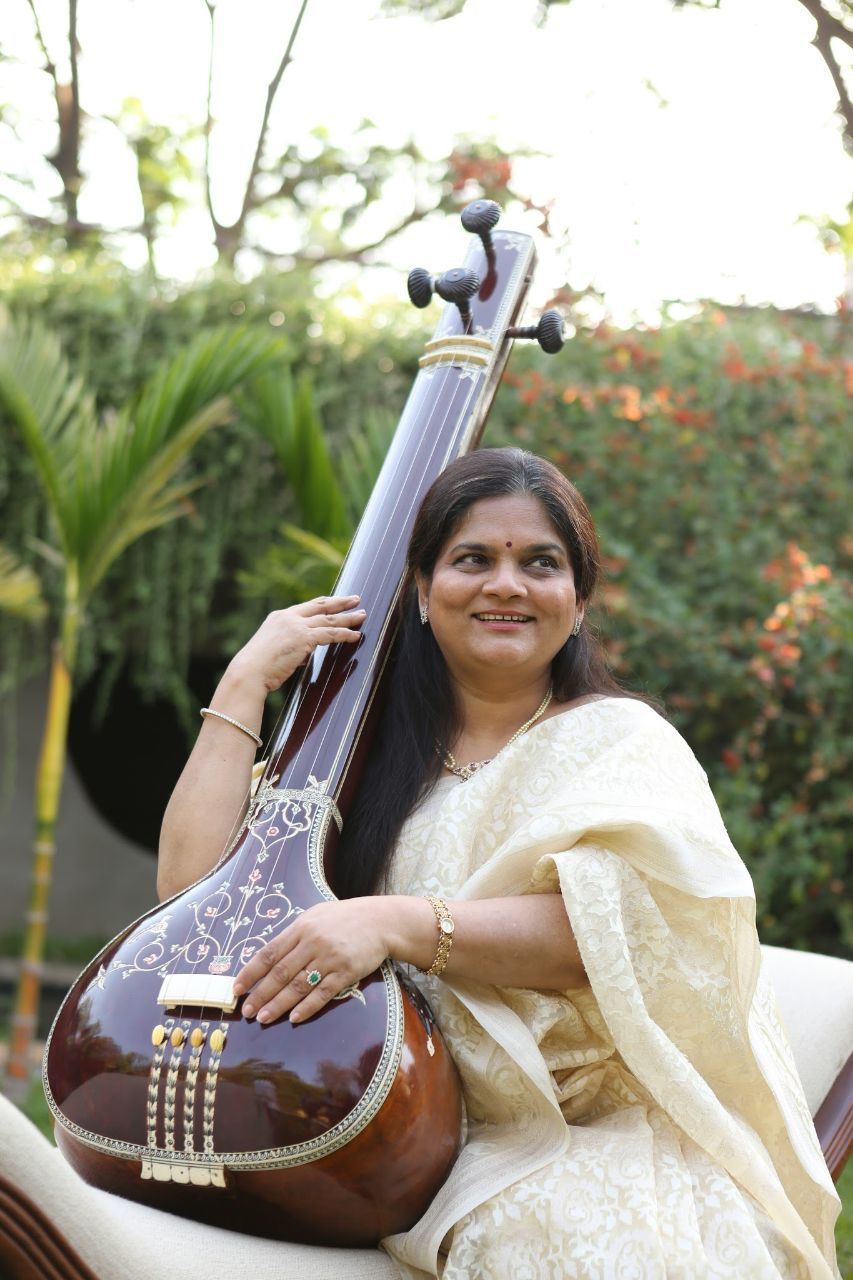 Devaki PanditDisciple
"Several prominent vocalists trained under him, including Shubha Mudgal, Devaki Pandit, Asha Khadilkar, Mahesh Kale, and his son Shounak Abhisheki."
Jitendra Abhisheki — Wikipedia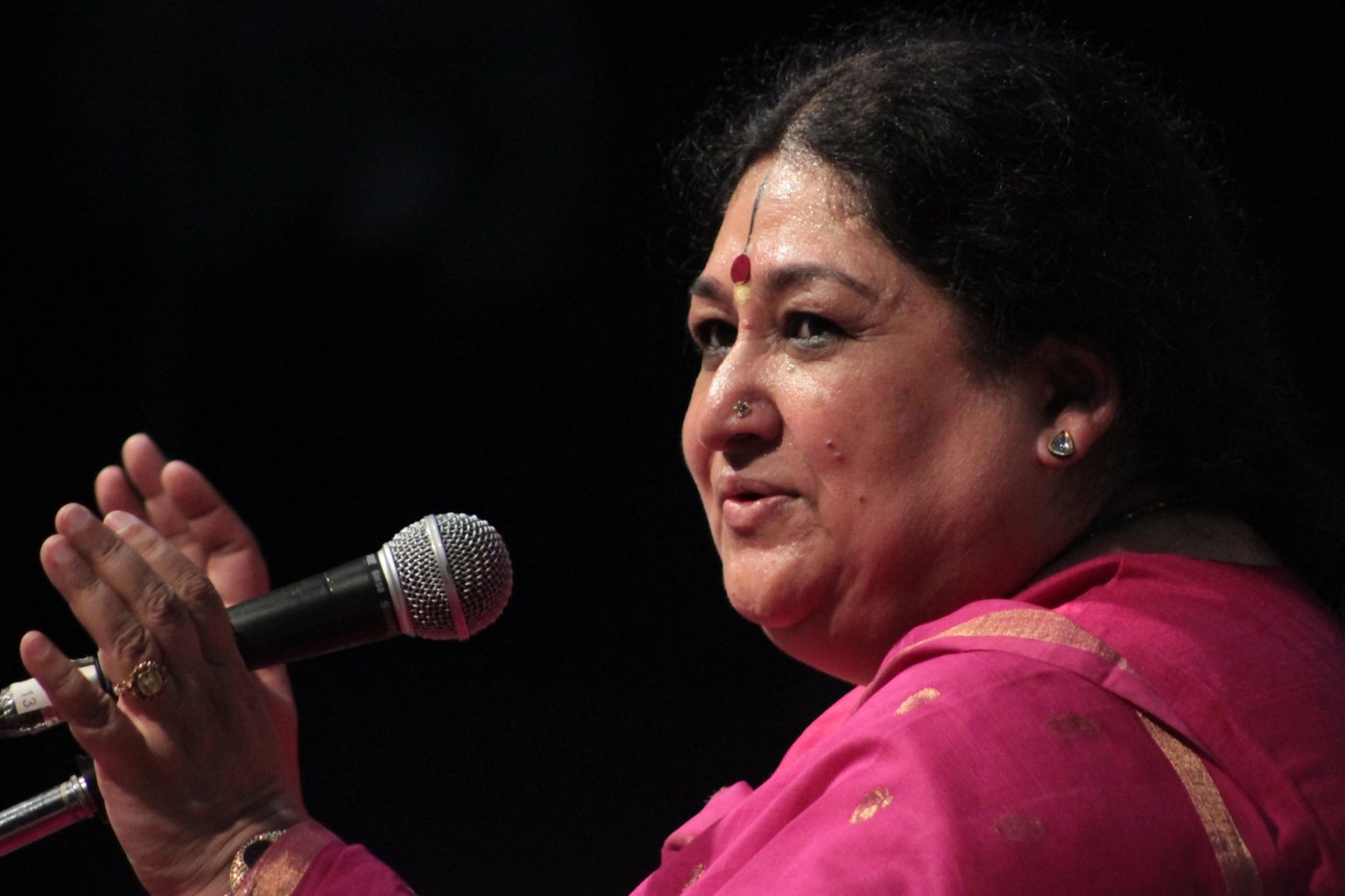 Shubha MudgalDisciple
"Several prominent vocalists trained under him, including Shubha Mudgal, Devaki Pandit..."
Jitendra Abhisheki — Wikipedia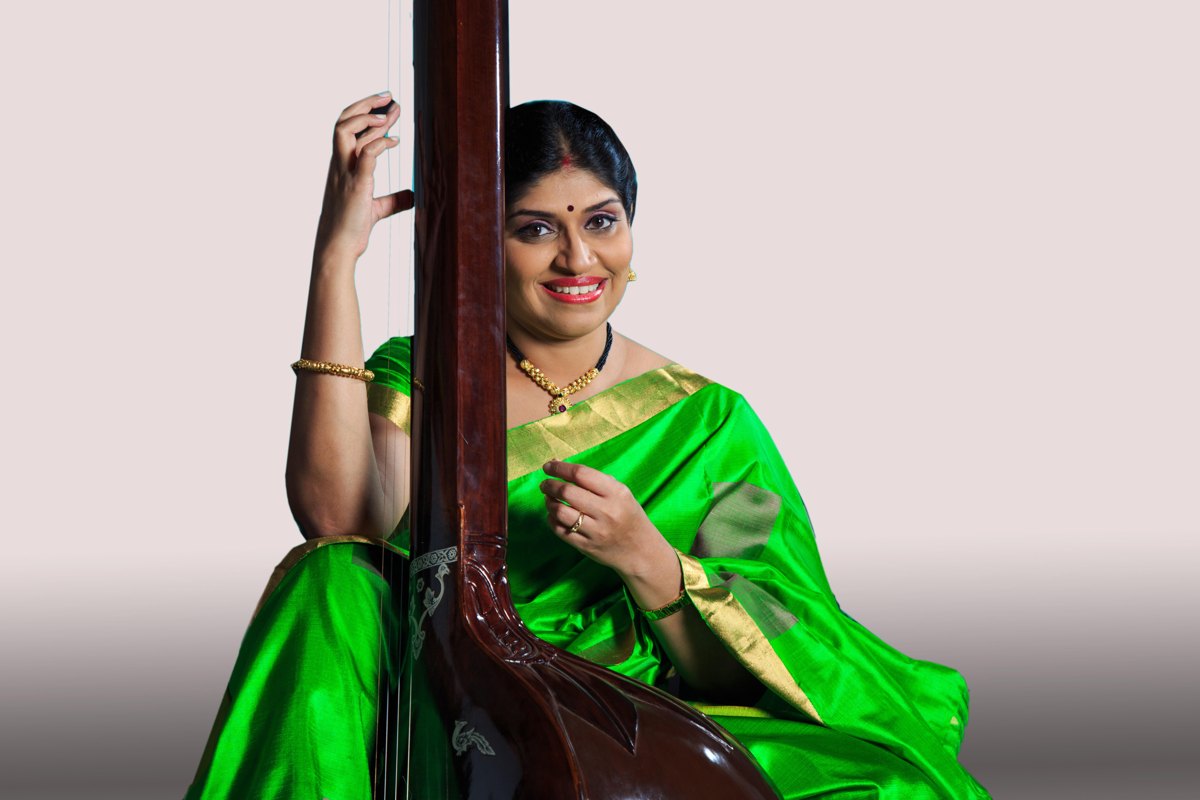 Gauri PathareDisciple
"Pathare received knowledge in music from late Pt. Jitendra Abhisheki and Pandita Padmatai Talwalkar for several years."
Gauri Pathare — Wikipedia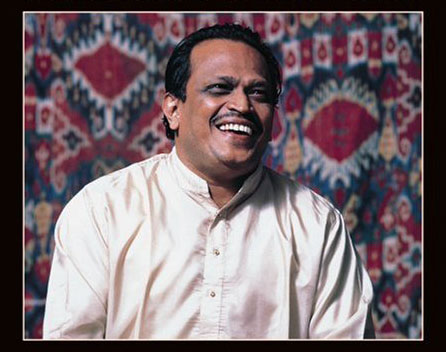 Prabhakar KarekarDisciple
A Goan vocalist who trained with him alongside Suresh Haldankar and C. R. Vyas.
Wikipedia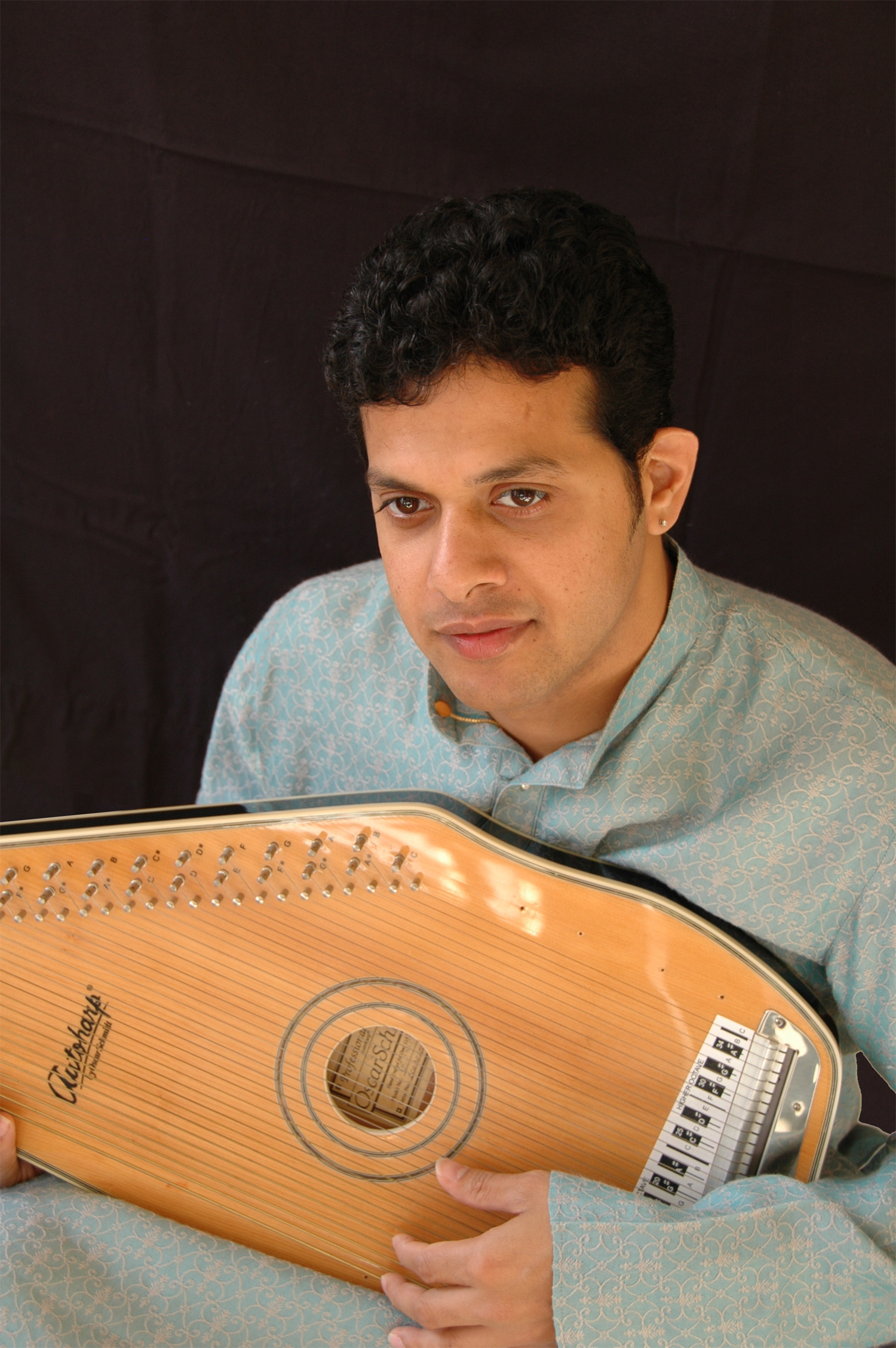 Mahesh KaleDisciple
Accepted as his disciple in 1991.
Wikipedia
Family
- Balawantrao NawatheFather and first teacher
"His father, Balawantrao... taught Jitendra the basic principles of Hindustani classical music."
Jitendra Abhisheki — Wikipedia 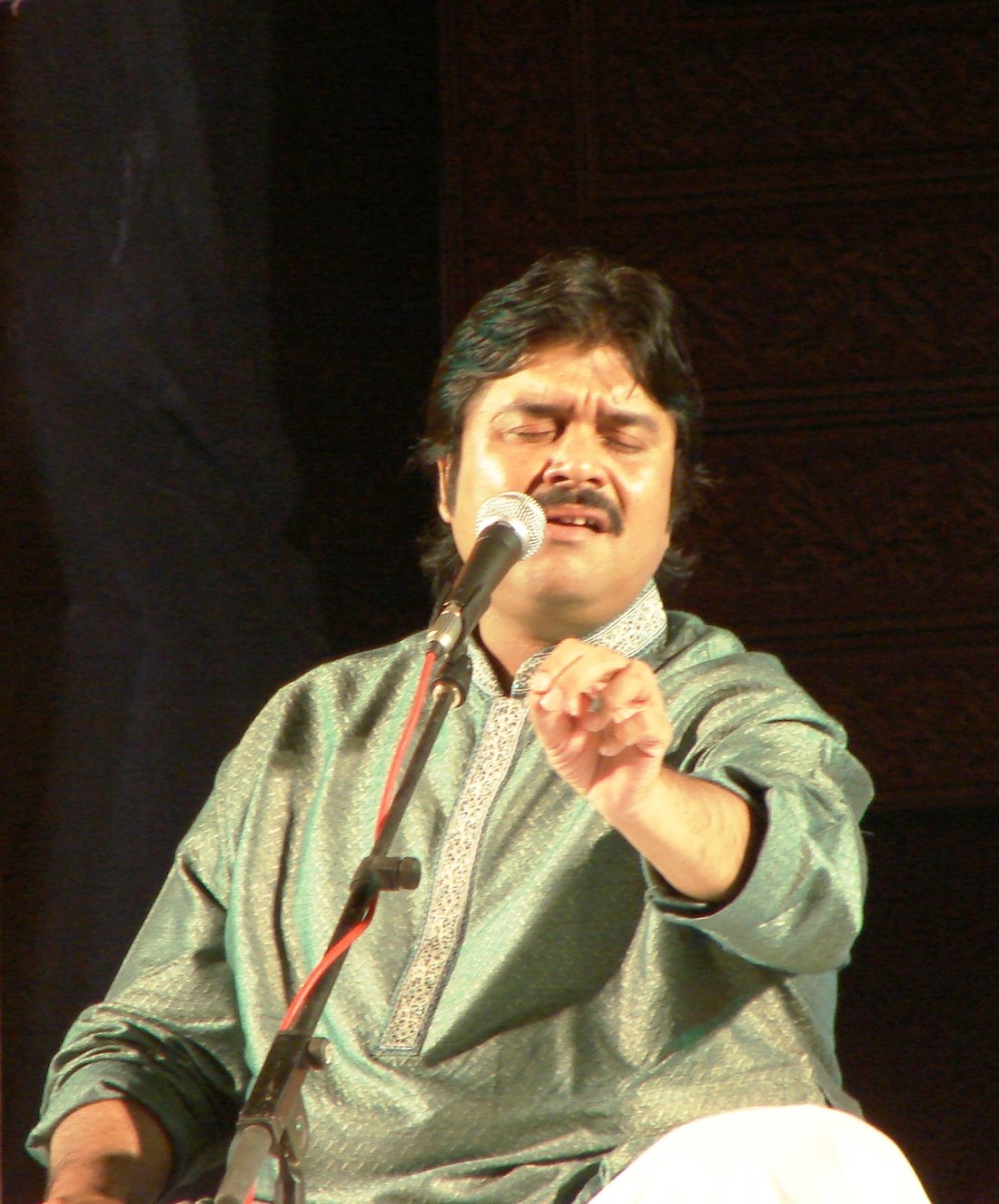 Shounak AbhishekiSon and disciple
"Besides son Shounak Abhisheki, Abhisheki's well-known musical disciples include..."
Jitendra Abhisheki — Wikipedia- Deenanath MangeshkarFamily
"His father, Balawantrao... a half-brother of Deenanath Mangeshkar, making Abhisheki related to the Mangeshkar family."
Jitendra Abhisheki — Wikipedia
Named on other pages
Musicians whose own pages record a connection with this one, in the words their sources use.
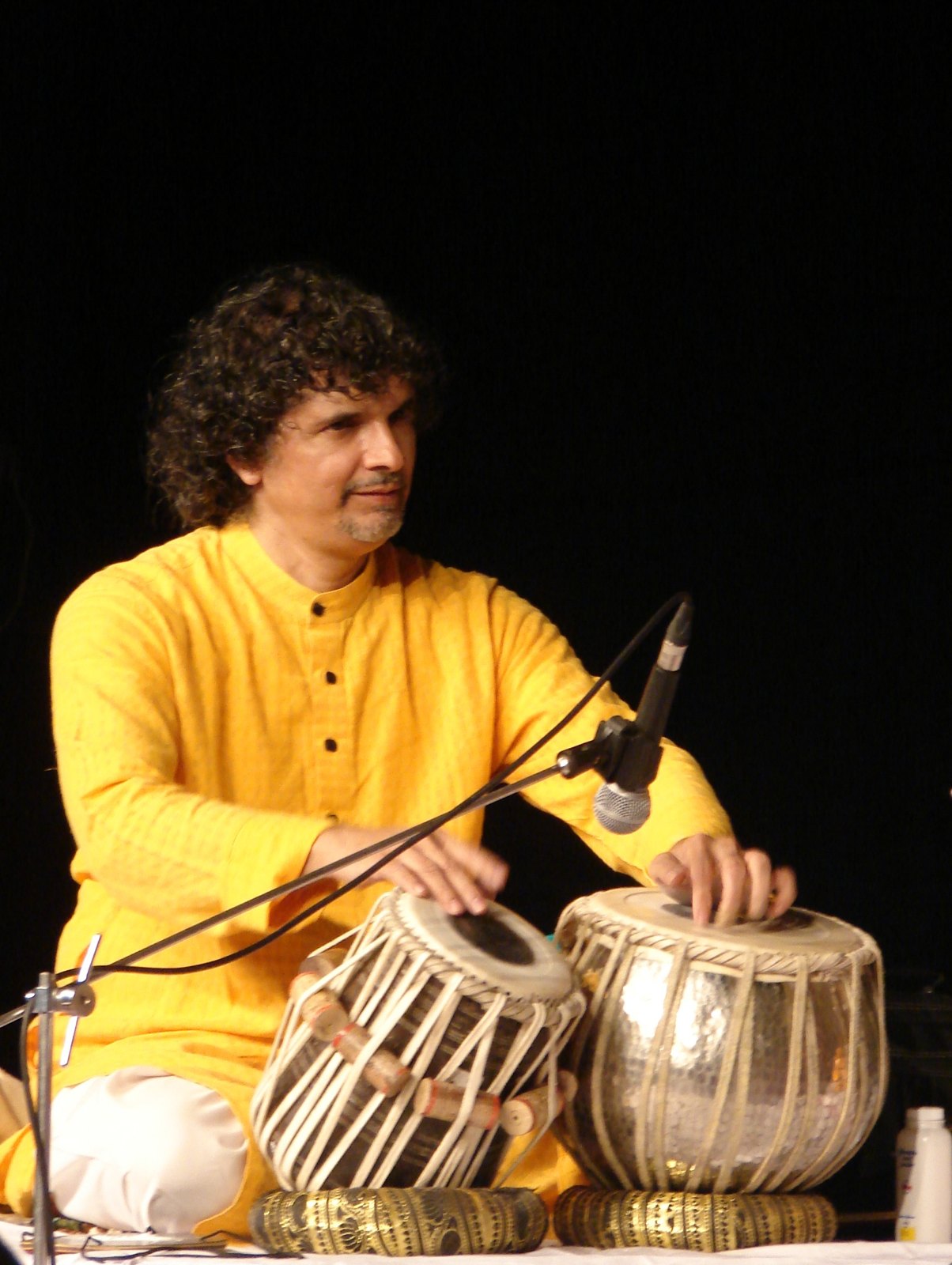 Pandit Ramdas PalsuleTheir page records: Accompanied
Tabla accompaniment
Recognition
Honours and recognition
Highest national honour first, then by year.
- 1988Padma Shri
- 1989Sangeet Natak Akademi Award
- 1969Homi Bhabha FellowshipAwarded for research in Hindustani music, 1969–71.
- 1990Maharashtra Gaurav Puraskar
- 1996Lata Mangeshkar Award (Government of Maharashtra)
- 1996Surashree Kesarbai Kerkar Award
Community
Memories from the community
Personal recollections, not verified history
These are memories shared by listeners and musicians. They sit apart from the sourced biography above, and an editor reads each one before it appears.
- No memories have been shared yet.
Members can share a memory of Pandit Jitendra Abhisheki. Sign in or create an account.
Provenance
Sources and image credits
- Jitendra Abhisheki — Wikipedia
- Abhisheki festival from October 26 — The Times of India
- Jitendra Abhisheki — Rajan Parrikar Music Archive
- Pandit Jitendra Abhisheki — Vishwa Konkani Kendra Hall of Fame
Image: line drawing from the Konkani Vishwakosh, Goa University; Creative Commons Attribution-ShareAlike 3.0, via Wikimedia Commons
Continue exploring
- Agra gharanaThe lineage Pandit Jitendra Abhisheki is associated with, and the other musicians documented within it.
- Jaipur-Atrauli gharanaThe lineage Pandit Jitendra Abhisheki is associated with, and the other musicians documented within it.
- The khayal vocalHow the instrument works, and who else in the archive plays it.
- All musiciansBrowse the archive by name, instrument or discipline.