Hindustani classical · 1904–2001
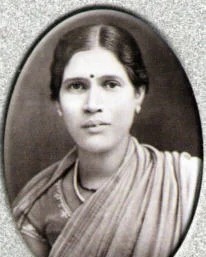
Mogubai Kurdikar
The singer who kept returning to Alladiya Khan's door until the gayaki was hers.
- Instrument
- Khayal vocal
- Gharana
- Jaipur-Atrauli gharana
- Born
- 15 July 1904, Kurdi, Goa
- Died
- 10 February 2001, Mumbai
Official website & social links
We have no checked official pages for Mogubai Kurdikar yet. Suggest an official link.
Where to start
Begin listening
Start here
Aavan Kaye
Mogubai Kurdikar - Topic
A label-distributed release; raga and recording date are not stated on the release.
Recordings are embedded from official or authorised channels and never rehosted. Nothing plays on its own, and starting one closes another. Where an editor has added a note, it explains why that recording was chosen — not what happens inside it.
Biography
Life
Mogubai Kurdikar was born Mogara Kurdikar on 15 July 1904 in the village of Kurdi in Portuguese Goa. Little is recorded of her father; her mother Jayashreebai was known locally as a gifted singer. Her first lessons came in 1913 from a holy man at the Shri Damodar Sansthaan in Zambaulim, arranged by her mother, who then took her to a travelling theatre company that accepted her as an actress.
Her mother died in 1914, and she went on to the Satarkar Stree Sangeet Mandali, playing roles in sangeet nataks and taking music lessons there from Chintobuwa Gurav, a student of Bhaskarbuwa Bakhale. She also learned Kathak from Ramlal and was trained in ghazal by Dattaramji Nanodkar. After a conflict at the company she was expelled, and in 1919 an aunt took her to Sangli for medical treatment, where she began learning from the local recording artist Inayat Khan R. Pathan.
Alladiya Khan was in Sangli at the same time for treatment and heard her practising as he passed her lodgings. He climbed the stairs to find the singer, asked her to continue, and offered to teach her at once. After eighteen months he moved to Bombay and she followed in 1922. Her training there was repeatedly interrupted: wealthier and more powerful students of Khan pressed him not to take other disciples, and she was forced to leave his tutelage in the early 1920s. She turned to Bashir Hussain Khan of the Agra gharana in 1924, performing the ganda bandhan ceremony with him in 1926, and briefly to his brother Vilayat Hussain Khan. Alladiya Khan then sent his younger brother Haider Khan to teach her, but that too was ended after eight months under the same pressure. She kept up her riyaz until Khan returned to teach her himself; the ganda bandhan with him was performed in 1934 and her training continued until his death in 1946.
From 1940 she toured widely and broadcast on All India Radio, becoming known alongside Kesarbai Kerkar, Laxmibai Jadhav and Azmat Hussain Khan as a leading exponent of the gharana. She married Madhavdas Bhatia in 1923; he died in 1939, leaving her with three school-age children. She died in Mumbai on 10 February 2001.
Musical contribution
What they brought to music
Her singing was known for restraint, austerity and a purist's reticence — she avoided performing thumri and natya sangeet in public to protect that standing. She composed khayals that she and her disciples made current, among them "Aba kaise kara aaun" in Shuddha Nat, "Aba Shyama na aae" in Savani Nat and "Banavari Shyama more" in Sampurna Malkauns, and she is credited with the antara of "Khelana aae ri naveli nara" in Basanti Kedar, to Haider Khan's asthai. She taught a large number of students and is remembered for beginning an extensive lineage of women musicians.
Life in dates
Timeline
1904
Born at Kurdi, Goa
Born on 15 July into a Gomantak Maratha Samaj family.
1913
First music lessons
At the Shri Damodar Sansthaan in Zambaulim, arranged by her mother.
1919
Sangli
Taken there for medical treatment; began learning from Inayat Khan R. Pathan, and met Alladiya Khan.
1922
Moved to Bombay
Following Alladiya Khan, who had moved there from Sangli.
1926
Ganda bandhan with Bashir Hussain Khan
Held at the Kalidas Building, Borabhat Lane.
1934
Ganda bandhan with Alladiya Khan
Her training with him continued until his death in 1946.
1940 onwards
Touring and broadcasting
Concert tours across the provinces and performances on All India Radio.
2001
Died in Mumbai
Died on 10 February, aged 96.
Lineage & company
Teachers, students and musical connections
In the documented teaching trees
Where the archive's lineage research places Mogubai Kurdikar, and the teaching links recorded around them inside each tree.
Jaipur-Atrauli gharana1904–2001
A rigorous carrier of the style and mother and teacher of Kishori Amonkar.
Taught in this tree by: Alladiya Khan
Recorded as teaching: Kishori Amonkar
People
Grouped by the kind of relationship the sources record — who taught this musician, who they taught, family, and the people they played with.
Teachers and gurus
- Chintobuwa GuravTeacher
"she was given music lessons by Chintobuwa Gurav, a student of Bhaskarbuwa Bakhale."
Wikipedia — Mogubai Kurdikar - Inayat Khan R. PathanTeacher
"At Sangli, she began learning music from Inayat Khan R. Pathan, a local recording artist."
Wikipedia — Mogubai Kurdikar 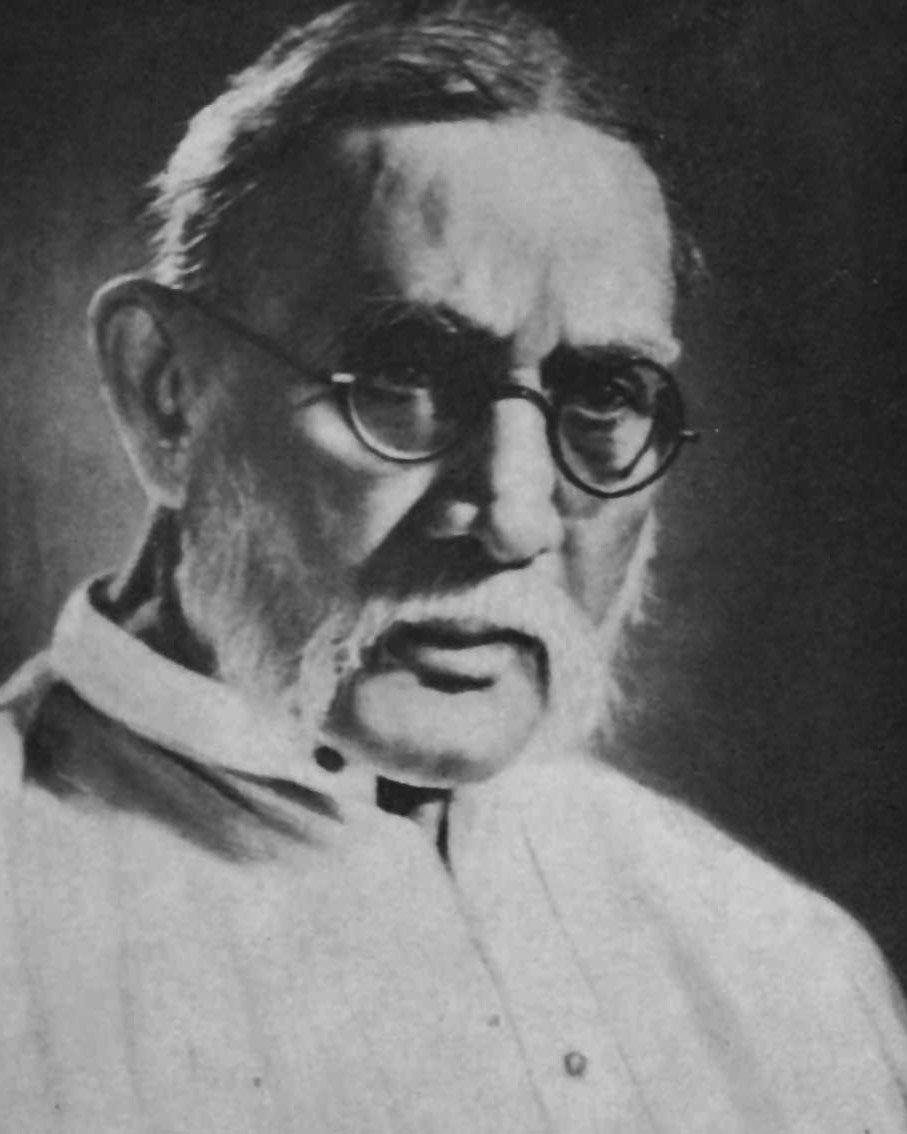 Alladiya KhanTeacher
"He offered to teach her and started the first lesson immediately." She performed the ganda bandhan with him in 1934 and her training continued until his death in 1946.
Wikipedia — Mogubai Kurdikar- Bashir Hussain KhanTeacher
"Kurdikar began learning from Bashir Hussain Khan in 1924"; the ganda bandhan ceremony was held in 1926.
Wikipedia — Mogubai Kurdikar - Vilayat Hussain KhanTeacher
"In 1926, she also started learning from Vilayat Hussain Khan," for three months before he left Bombay.
Wikipedia — Mogubai Kurdikar - Haider KhanTeacher
"Alladiya Khan summoned his brother from Kolhapur to commence his teaching with Kurdikar in the Jaipur-Atrauli gayaki," a tutelage that lasted eight months.
Wikipedia — Mogubai Kurdikar - Khaprumama ParvatkarTeacher
"At some point, Kurdikar also learned from tabla maestro Khaprumama Parvatkar."
Wikipedia — Mogubai Kurdikar - Ustad Alladiya KhanTeacherWikipedia — Alladiya Khan
Students and disciples
- Kamal TambeDisciple
Named in her list of prominent disciples.
Wikipedia — Mogubai Kurdikar - Manik BhideDisciple
Named in her list of prominent disciples.
Wikipedia — Mogubai Kurdikar - Padma TalwalkarDisciple
Named in her list of prominent disciples.
Wikipedia — Mogubai Kurdikar - Arun DravidDisciple
Named in her list of prominent disciples.
Wikipedia — Mogubai Kurdikar - Babanrao HaldankarDisciple
Named in her list of prominent disciples.
Wikipedia — Mogubai Kurdikar - Vamanrao DeshpandeDisciple
Named in her list of prominent disciples.
Wikipedia — Mogubai Kurdikar - Sushila Rani PatelDisciple
Named in her list of prominent disciples.
Wikipedia — Mogubai Kurdikar 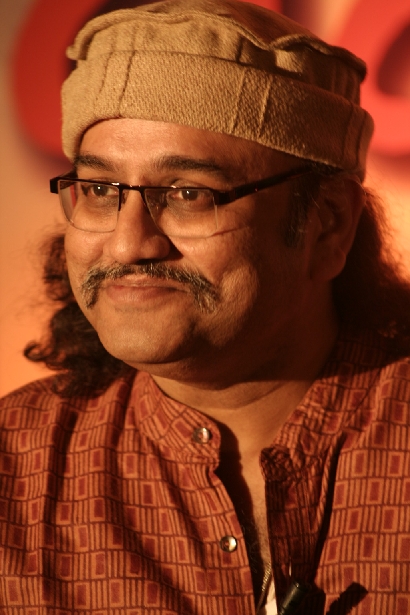 Pandit Raghunandan PanshikarGuided
Guided Panshikar during his years of study with her daughter Kishori Amonkar.
Raghunandan Panshikar — Wikipedia
Family
- Kishori AmonkarDaughter and disciple
Named first among her prominent disciples, and her daughter.
Wikipedia — Mogubai Kurdikar
Collaborators and accompanists
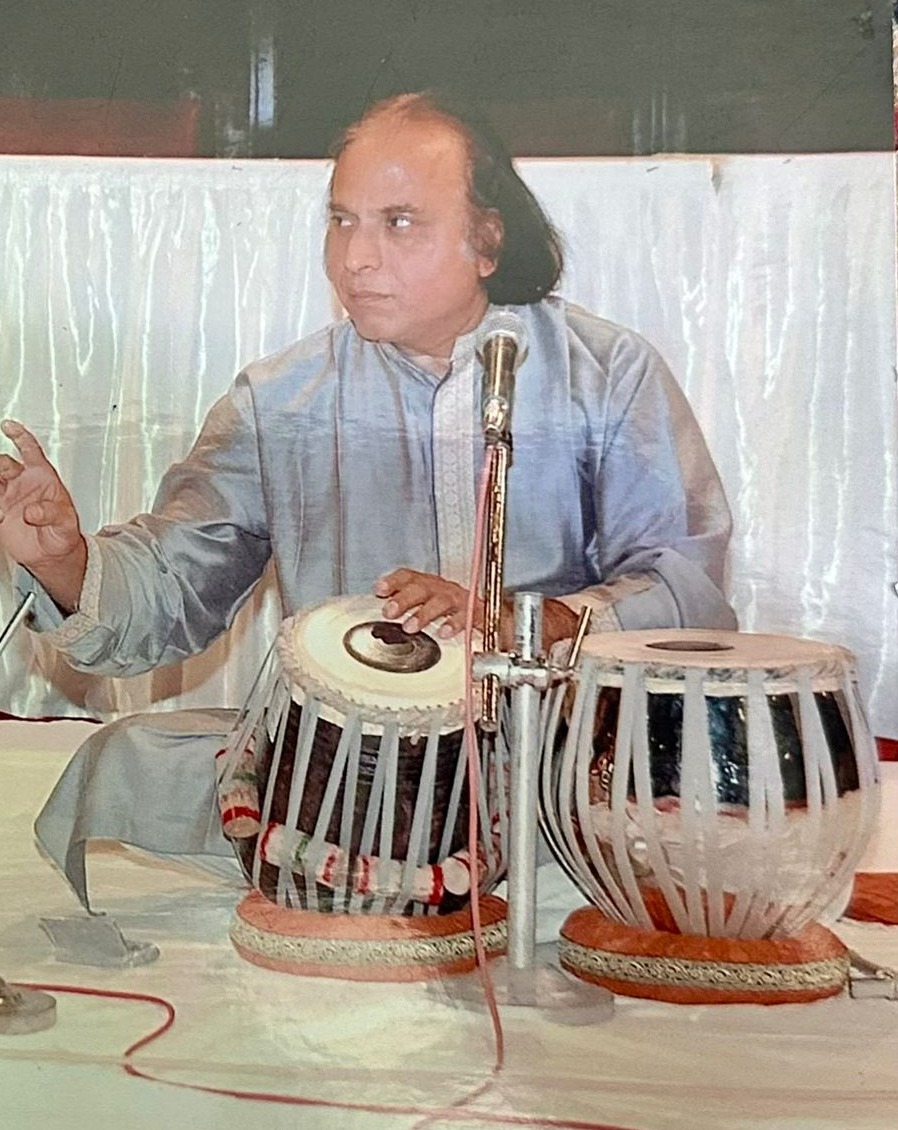 Pandit Suresh TalwalkarTabla accompanist
He is named among the senior vocalists Suresh Talwalkar accompanied in his early career.
The Hindu — Pt. Suresh Talwalkar's modern gurukul (2022)
Recognition
Honours and recognition
Highest national honour first, then by year.
- 1974Padma Bhushan
- 1968Sangeet Natak Akademi Award
- Gaan TapasviniAn honorific title, "the singing ascetic".
Community
Memories from the community
Personal recollections, not verified history
These are memories shared by listeners and musicians. They sit apart from the sourced biography above, and an editor reads each one before it appears.
- No memories have been shared yet.
Members can share a memory of Mogubai Kurdikar. Sign in or create an account.
Provenance
Sources and image credits
- Wikipedia — Mogubai Kurdikar (retrieved 15 September 2026)
- Scroll.in — Remembering Mogubai Kurdikar, who mastered the art of perfectionism and self-containment (retrieved 15 September 2026)
Photograph of Mogubai Kurdikar in the 1930s, photographer unknown, public domain, via Wikimedia Commons
Continue exploring