Hindustani classical · 1941–2011
Pandit Madhav Gudi
He lived in his guru's household for twenty-six years, and carried Bhimsen Joshi's khayal into both the concert hall and Kannada dasavani.
- Instrument
- Khayal vocal
- Gharana
- Kirana gharana
Official website & social links
Pandit Madhav Gudi's own pages elsewhere on the web.
These destinations belong to Pandit Madhav Gudi or to those who look after their work, and are checked by an editor before they are listed. They leave the archive. Suggest a link or a correction.
Where to start
Begin listening
Start here
Raag Kalashree
Kalashree · Ganabhaskara Pandit Madhav Gudi
A full raga recital on the channel dedicated to his music.
Explore further
Bhagyada Lakshmi Baramma
Ganabhaskara Pandit Madhav Gudi
The Kannada devotional song he composed, which Bhimsen Joshi popularised.
Recordings are embedded from official or authorised channels and never rehosted. Nothing plays on its own, and starting one closes another. Where an editor has added a note, it explains why that recording was chosen — not what happens inside it.
Biography
Life
Madhav Gudi was born on 23 December 1941 in Dharwad, Karnataka. His voice led his father to place him with Pandit Nageshrao Deshpande, from whom he received his formal initiation into Hindustani classical music. He was about twelve when he first heard Bhimsen Joshi, at the first edition of the Sawai Gandharva Music Festival; he was later introduced to Joshi by the spiritual teacher Jalihal Srinivasachar, sang songs from the Kannada plays Bhagya Nidhi and Parivartana for him, and on the advice of Jalihal Srinivasachar and Keshavacharya Jalihal was accepted as a disciple.
The training that followed lasted well over twenty-five years, and for twenty-six of them Gudi lived in Pune as part of Joshi's household. For the first year and a half he was taught little; once Joshi was satisfied, the teaching began in earnest, and for five years it was confined to three ragas — Todi in the morning, Multani in the afternoon, Puriya at night. He became a top-grade All India Radio artiste, toured widely, and often performed alongside his guru in India and abroad.
His repertoire ran from khayal to Kannada dasavani and Marathi abhang; he composed the devotional songs 'Sriniketana' and 'Bhagyada Lakshmi Baramma', which Bhimsen Joshi popularised. He taught a large number of singers, among them Upendra Bhat, Nagaraj Rao Havaldar, Sangeeta Katti and his own children. He married Ramabai and had four children — Anupama, Prasanna, Bhargavi and Gayathri. He died on 22 April 2011, three months after his guru.
Musical contribution
What they brought to music
His singing kept the Kirana emphasis on slow, unhurried elaboration of a raga, and he was known for a powerful, carrying voice and for khataka, murki and taan work; he moved easily between classical khayal and devotional song in Kannada and Marathi.
Lineage & company
Teachers, students and musical connections
People
Grouped by the kind of relationship the sources record — who taught this musician, who they taught, family, and the people they played with.
Teachers and gurus
- Pandit Nageshrao DeshpandeFirst teacher
Gave him his formal initiation into Hindustani classical music.
Wikipedia 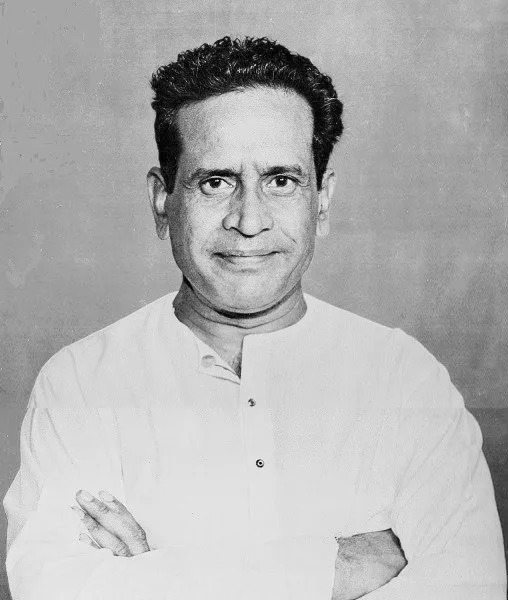 Pandit Bhimsen JoshiGuru
Taught him for over twenty-five years; Gudi lived in his household in Pune for twenty-six years.
Wikipedia
Students and disciples
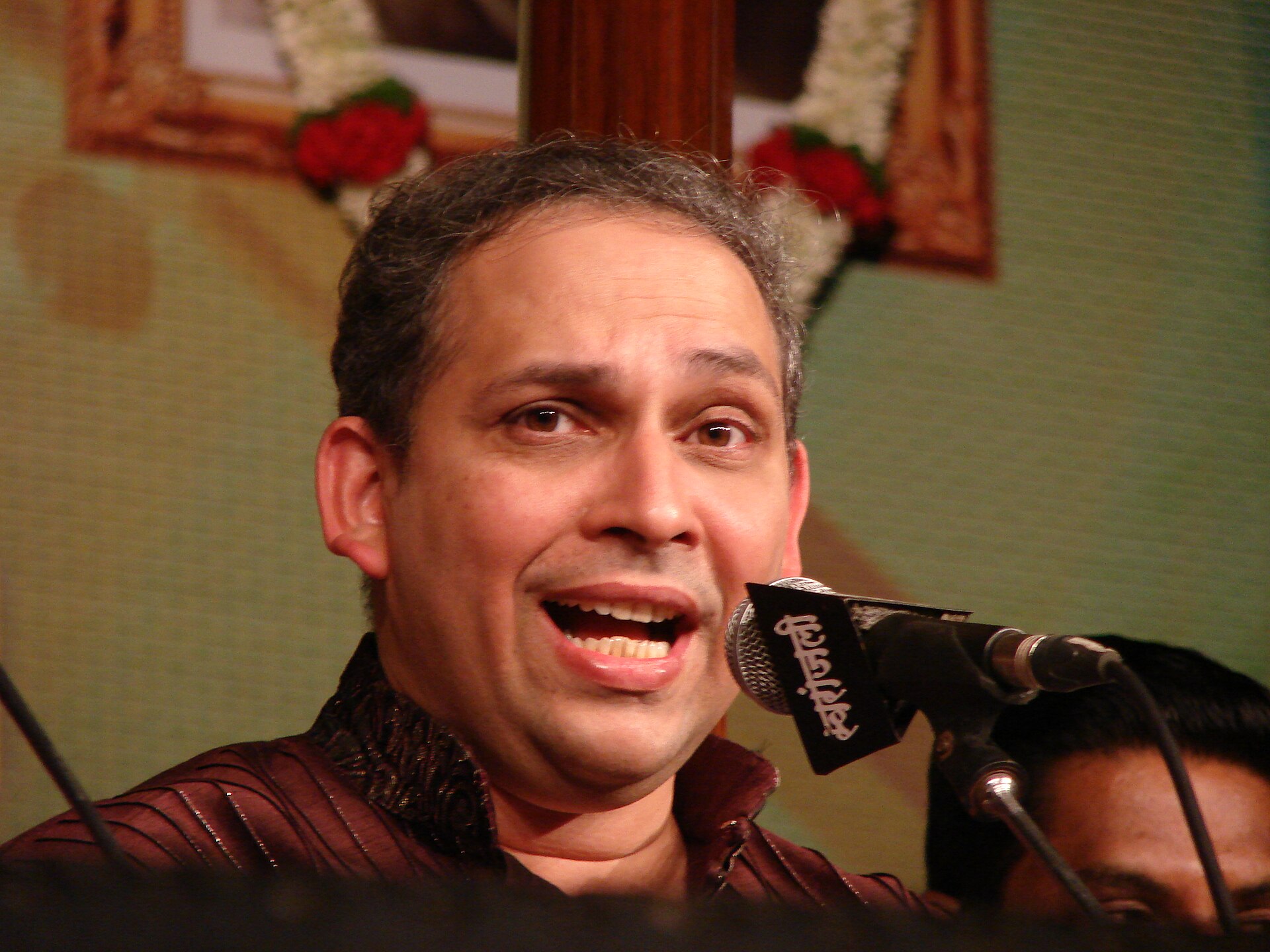 Pandit Anand BhateFellow disciple of Bhimsen JoshiWikipedia
- Upendra BhatStudent
Bhat trained with Gudi before studying with Bhimsen Joshi.
Wikipedia
Family
- Prasanna GudiSon and studentWikipedia
Recognition
Honours and recognition
Highest national honour first, then by year.
- Sangeeta Nritya Academy award, Government of Karnataka
- Gaana BhaskarTitle by which he is widely known.
Community
Memories from the community
Personal recollections, not verified history
These are memories shared by listeners and musicians. They sit apart from the sourced biography above, and an editor reads each one before it appears.
- No memories have been shared yet.
Members can share a memory of Pandit Madhav Gudi. Sign in or create an account.
Provenance
Sources and image credits
- Madhav Gudi — Wikipedia
- Daijiworld — Dharwad: Pt Madhav Gudi (69) Breathes His Last, 23 April 2011
- Ganabhaskara Pandit Madhav Gudi — channel dedicated to his music
No photograph of this musician is published here yet; we use only images we are permitted to show, with credit.
Continue exploring