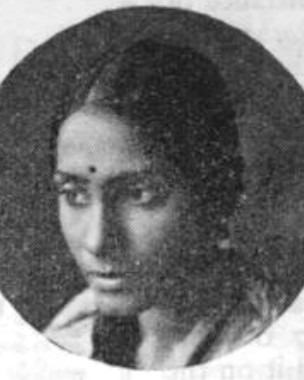
Photograph: The Indian Listener, 7 April 1937 — no photographer credited, public domain, via Wikimedia Commons
Hindustani classical · 1913–2006
Vidushi Saraswati Rane
A classical singer who was also among the first women to sing playback for Indian films, and half of a famous sisterly jugalbandi.
- Instrument
- Khayal vocal
- Gharana
- Kirana gharana
- Born
- 4 October 1913, Miraj, Bombay Presidency
- Died
- 10 October 2006, Mumbai
Official website & social links
We have no checked official pages for Vidushi Saraswati Rane yet. Suggest an official link.
Where to start
Begin listening
Start here
Banke Balaiya & Kahe Ho Kaho Tum Rasia
Saregama Hindustani Classical
Sung with her sister Hirabai Barodekar.
Recordings are embedded from official or authorised channels and never rehosted. Nothing plays on its own, and starting one closes another. Where an editor has added a note, it explains why that recording was chosen — not what happens inside it.
Biography
Life
Saraswati Rane was born at Miraj on 4 October 1913 to Ustad Abdul Karim Khan and Tarabai Mane, and named Sakina. After her parents separated, her mother renamed all five children, and Sakina became Saraswati Mane. She was initiated into music by her brother Sureshbabu Mane, and from about 1930 also learned from her sister Hirabai Barodekar. To widen her knowledge she took taleem from musicians of other gharanas: Ustad Natthan Khan of the Jaipur gharana, a nephew of Alladiya Khan; Professor B. R. Deodhar; and Master Krishnarao Phulambrikar of the Gwalior gharana.
She began on the musical stage at about seven, in plays such as Sangeet Saubhadra, Sangeet Sanshaykallol and Sangeet Ekach Pyala, and from 1929 acted in major roles alongside artists including Balgandharva. She started broadcasting on All India Radio in 1933 and remained a top-grade radio artist until she retired from public performance in 1990, taking part in Radio Sangeet Sabhas from Kanyakumari to Peshawar between the early 1940s and the mid-1980s.
She was among the first women to sing playback for Hindi and Marathi films, beginning with the Marathi film Payachi Dasi and continuing until 1954; her song "Bina Madhur Madhur Kachu Bol" from Ramrajya sold in such numbers that His Master's Voice gave her an award for it. She also sang in Sargam (1950) and in Shyam Benegal's Bhumika (1977), under music directors including C. Ramchandra, Shankarrao Vyas and Sudhir Phadke, and became a popular singer of Marathi bhav-geet. She sang at the first Independence Day celebrations in Delhi, appeared often at the Sawai Gandharva festival in Pune, and performed jugalbandi with her sister Hirabai. She married Sunderrao Rane, taught classical music, and died in Mumbai on 10 October 2006.
Musical contribution
What they brought to music
She sang khayal, thumri, bhajan and abhang in the Kirana manner, with the light-classical and stage repertoire that her family had always carried alongside it. Her career spanned the concert platform, the radio studio, the musical stage and the film soundtrack, an unusually wide range even among her generation.
Life in dates
Timeline
1913
Born at Miraj
Born Sakina on 4 October.
1929
Leading roles on the musical stage
Acting with artists including Balgandharva.
1933
First broadcasts on All India Radio
She remained a top-grade radio artist until 1990.
1943
Ramrajya
Her song "Bina Madhur Madhur Kachu Bol" won an HMV award for record sales.
1977
Bhumika
Playback for Shyam Benegal's film.
1990
Retired from public performance
2006
Died in Mumbai
Died on 10 October.
Lineage & company
Teachers, students and musical connections
In the documented teaching trees
Where the archive's lineage research places Vidushi Saraswati Rane, and the teaching links recorded around them inside each tree.
Kirana gharana1913–2006
Concert and stage singer from the same family line.
Taught in this tree by: Sureshbabu Mane
People
Grouped by the kind of relationship the sources record — who taught this musician, who they taught, family, and the people they played with.
Teachers and gurus
- Natthan KhanTeacher
Named among the ustads of other gharanas from whom she took taleem; a nephew of Alladiya Khan, of the Jaipur gharana.
Wikipedia — Saraswati Rane - B. R. DeodharTeacher
Named in the same passage among those who gave her taleem.
Wikipedia — Saraswati Rane - Master Krishnarao PhulambrikarTeacher
Named in the same passage; of the Gwalior gharana.
Wikipedia — Saraswati Rane
Family
- Sureshbabu ManeBrother and first teacher
"She was initiated into music by her brother Sureshbabu Mane."
Wikipedia — Saraswati Rane 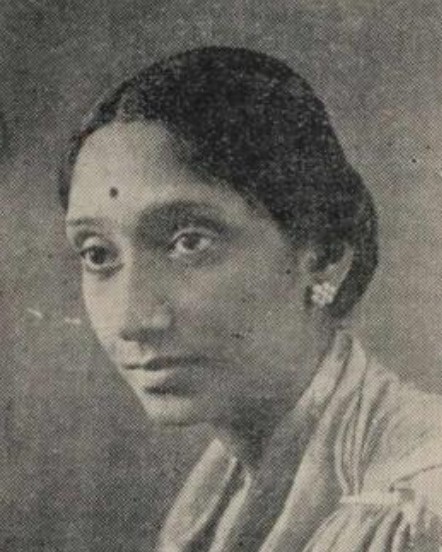 Hirabai BarodekarSister and teacher
"later after 1930, she also started learning from her sister Hirabai Barodekar." The two also performed jugalbandi together.
Wikipedia — Saraswati Rane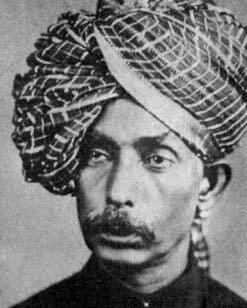 Ustad Abdul Karim KhanFather
Her father, who had separated from her mother; the sources do not describe him teaching her.
Wikipedia — Saraswati Rane
Named on other pages
Musicians whose own pages record a connection with this one, in the words their sources use.
- Ustad Abdul Wahid KhanTheir page records: Disciple
Named in the article's list of his students.
Community
Memories from the community
Personal recollections, not verified history
These are memories shared by listeners and musicians. They sit apart from the sourced biography above, and an editor reads each one before it appears.
- No memories have been shared yet.
Members can share a memory of Vidushi Saraswati Rane. Sign in or create an account.
Provenance
Sources and image credits
Photograph: The Indian Listener, 7 April 1937 — no photographer credited, public domain, via Wikimedia Commons
Continue exploring