Hindustani classical · 1871–1949
Ustad Abdul Wahid Khan
The reclusive co-founder of the Kirana gharana, who refused to be recorded and stretched a raga to the length of an hour.
- Instrument
- Khayal vocal
- Gharana
- Kirana gharana
- Born
- 1871, Kirana, Uttar Pradesh
- Died
- 1949, Saharanpur, Uttar Pradesh
- On these dates
- Only the years 1871 and 1949 are documented in the sources read.
Official website & social links
Explore Ustad Abdul Wahid Khan's recordings and legacy on the pages kept in their name.
These destinations belong to Ustad Abdul Wahid Khan or to those who look after their work, and are checked by an editor before they are listed. They leave the archive. Suggest a link or a correction.
Where to start
Begin listening
Raag Darbari
Ustad Abdul Waheed Khan Trust & Academy
Published by the trust that carries his name. Very little of his singing was ever recorded.
Piya nahin aaye
Patdeep · Recorded 1947 · Ustad Abdul Waheed Khan Trust & Academy
One of the three surviving pieces from the 1947 broadcast, posted by the trust founded in his name.
Jako mana
Multani · Recorded 1947 · Sundeep Dougal
The third surviving piece, transferred by a collector and labelled, as the others are, an unauthorised recording of the 1947 broadcast.
Recordings are embedded from official or authorised channels and never rehosted. Nothing plays on its own, and starting one closes another. Where an editor has added a note, it explains why that recording was chosen — not what happens inside it.
Biography
Life
Abdul Wahid Khan was born in 1871 at Kirana in Uttar Pradesh, a town settled by families of court musicians who had left Delhi after 1857. He learned vocal music and sarangi first from his father, Abdul Majid Khan, and at about the age of twelve moved to Kolhapur to study with Langde Haider Baksh Khan, a disciple of the beenkar Bande Ali Khan.
With his cousin Abdul Karim Khan — who had married his sister Ghafooran Bibi — he is named as a founder of the Kirana gharana in the late nineteenth century. The two families later fell out, when Abdul Karim Khan left Ghafooran Bibi and married his student Tarabai Mane. Abdul Wahid Khan's hearing was impaired, and he was known as Behre Wahid Khan.
He had been a prodigy of the Kolhapur court, unchallenged there after a public début at eighteen, but he had little appetite for court or concert life. Accounts of him describe a devout and reclusive existence, singing in the company of holy men and at the tombs of Sufi saints and appearing in public only occasionally. He forbade the recording of his performances, to prevent imitation. Three survive, of the ragas Patdip, Multani and Darbari Kanada, with Chatur Lal on tabla — a 1947 radio broadcast recorded without his knowledge by the producer Jivan Lal Mattoo, two years before his death, so that something of his singing would remain. He died in 1949 at Saharanpur.
Where he died is contested. Wikipedia gives Saharanpur, near Delhi, in 1949. Amal Das Sharma's Musicians of India, reproduced in the Rajan Parrikar archive, says instead that "he left Bombay and settled in Lahore, where he died in 1949". Both accounts agree on the year and on nothing else about the place; the archive records the disagreement rather than choosing.
Sharma also supplies the clearest description of the singing. Wahid Khan sang "with a full-throated voice and was an unparalleled alapiya", and developed what Sharma calls the Mirkhandi manner of alap — a slow permutational unfolding of the notes that he relates to the Khandameru, the swara-prastar-kriya of the older musicology, and finds "somewhat similar to that of Karnatak music". Amir Khan, Sharma notes, "though not his disciple, absorbed the individual characteristics of his style to such an extent that Waheed Khan was highly pleased and blessed him" — which is how the ati vilambit manner reached the next century without a teaching line to carry it.
The devotional life was not incidental to this. Sharma describes him as a devotee of Pir Hazrat Ali Nakki, from whom he sought approval for every engagement and performance before accepting it. The teaching, by contrast, was open-handed: Sharma names Begum Akhtar, Hirabai Barodekar, Pran Nath, Shaqur Khan and Sureshbabu Mane among those he trained.
Musical contribution
What they brought to music
He is credited with extending the raga recital from roughly twenty minutes to as much as an hour, an expansion of the slow khayal that he and Abdul Karim Khan developed together and that Amir Khan later cited in forming his own ati vilambit manner. The near-absence of recordings means his style is known mainly through his students, who included singers, a film music director and the sarangi player Ram Narayan.
Life in dates
Timeline
1871
Born at Kirana
c. 1883
Moved to Kolhapur
At about twelve he went to study with Langde Haider Baksh Khan, a disciple of Bande Ali Khan.
c. 1889
Public début at the Kolhapur court
He made his début there at eighteen and remained unchallenged, but avoided court and concert life.
1947
The only surviving recordings
A radio broadcast of Patdip, Multani and Darbari Kanada was recorded without his knowledge by Jivan Lal Mattoo.
1949
Died at Saharanpur
Lineage & company
Teachers, students and musical connections
In the documented teaching trees
Where the archive's lineage research places Ustad Abdul Wahid Khan, and the teaching links recorded around them inside each tree.
Kirana gharana1872–1949
The other founding Kirana figure, known for extremely slow, meditative development.
Recorded as teaching: Hirabai Barodekar
People
Grouped by the kind of relationship the sources record — who taught this musician, who they taught, family, and the people they played with.
Teachers and gurus
- Abdul Majid KhanTeacher
"Ustad Abdul Wahid Khan initially learned vocal and sarangi from his father, Ustad Abdul Majid Khan."
Wikipedia — Abdul Wahid Khan - Langde Haider Baksh KhanTeacher
"Around age 12, he moved to Kolhapur to learn from Ustad Langde Haider Baksh Khan, a disciple of Bande Ali Khan."
Wikipedia — Abdul Wahid Khan
Students and disciples
- Pandit Sureshbabu ManeDisciple
"Ustad Abdul Wahid Khan's students included ... Sureshbabu Mane, Hirabai Barodekar ..."
Wikipedia — Sureshbabu Mane 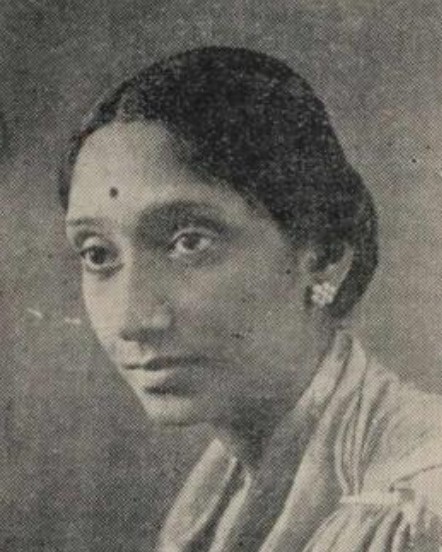 Vidushi Hirabai BarodekarDisciple
Named in the same passage; her own article states she took her later training from him.
Wikipedia — Hirabai Barodekar- Begum AkhtarDisciple
Named in the article's list of his students.
Wikipedia — Abdul Wahid Khan - Pran NathDisciple
Named in the article's list of his students.
Wikipedia — Abdul Wahid Khan 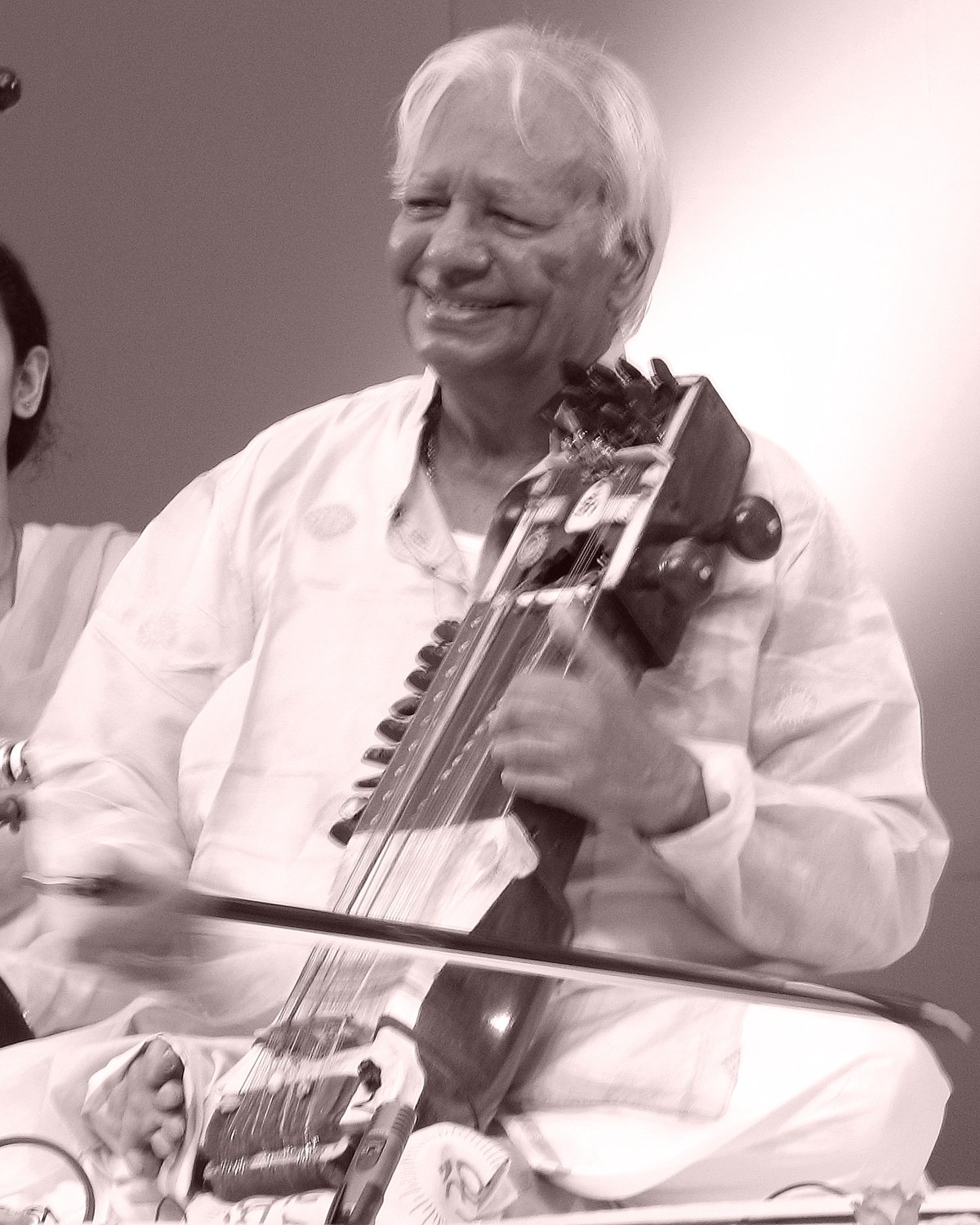 Ram NarayanDisciple
Named in the article's list of his students.
Wikipedia — Abdul Wahid Khan Saraswati RaneDisciple
Named in the article's list of his students.
Wikipedia — Abdul Wahid Khan- Malika PukhrajDisciple
Named in the article's list of his students.
Wikipedia — Abdul Wahid Khan  Amir KhanLater musician who cited him
Amir Khan is described as taking his very slow tempo from Abdul Wahid Khan; he was not formally his student.
India Art Review: Ustad Amir Khan, A True Nadayogi- Ganayogi Panchakshara GawaiDisciplePanchakshara Gawai — Wikipedia
- Shaqur KhanDisciple
Named among those he trained in Amal Das Sharma's Musicians of India.
Rajan Parrikar Music Archive
Family
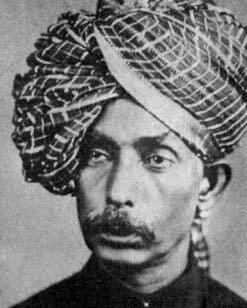 Ustad Abdul Karim KhanCousin and co-founder of the gharana
Named together as founders of the Kirana gharana; Abdul Karim Khan married his sister Ghafooran Bibi. Not a teaching relationship.
Wikipedia — Abdul Wahid Khan
Community
Memories from the community
Personal recollections, not verified history
These are memories shared by listeners and musicians. They sit apart from the sourced biography above, and an editor reads each one before it appears.
- No memories have been shared yet.
Members can share a memory of Ustad Abdul Wahid Khan. Sign in or create an account.
Provenance
Sources and image credits
- Wikipedia — Abdul Wahid Khan (retrieved 15 September 2026)
- ITC Sangeet Research Academy — Treasures from the Past: Abdul Wahid Khan (archived)
- Vijaya Parrikar Library — Abdul Waheed Khan (retrieved 15 September 2026)
- Kirana West — Ustad Abdul Wahid Khan biography
No photograph of this musician is published here yet; we use only images we are permitted to show, with credit.
Continue exploring