Hindustani classical · 1932–2017
Kishori Amonkar
A vocalist who argued, in performance, that a raga exists to be felt.
- Instrument
- Khayal vocal
- Gharana
- Jaipur-Atrauli gharanaTrained in Jaipur-Atrauli, later drew on other gharanas
- Born
- 10 April 1932, Bombay (Mumbai)
- Died
- 3 April 2017, Prabhadevi, Mumbai
Official website & social links
Explore Kishori Amonkar's recordings and legacy on the pages kept in their name.
These destinations belong to Kishori Amonkar or to those who look after their work, and are checked by an editor before they are listed. They leave the archive. Suggest a link or a correction.
Where to start
Begin listening
Raga Shuddh Kalyan — vilambit khayal "Yeri Mai Piya"
Shuddh Kalyan · Kishori Amonkar - Topic
Raga Yaman — live at Swar Utsav 2003
Yaman · Music Today · Music Today
Raga Bhimpalasi and Yaman — Vadodara, 1987
Bhimpalasi; Yaman · Recorded 1987 · Dipankar Sen
Filmed by Dipankar Sen and released under a Creative Commons Attribution licence; the audio is archived on Wikimedia Commons.
Recordings are embedded from official or authorised channels and never rehosted. Nothing plays on its own, and starting one closes another. Where an editor has added a note, it explains why that recording was chosen — not what happens inside it.
Biography
Life
Kishori Amonkar was born in Bombay on 10 April 1932, the daughter of Mogubai Kurdikar, one of the foremost disciples of Ustad Alladiya Khan, founder of the Jaipur-Atrauli gharana. Her earliest training was with her mother, in the complex rhythmic architecture and uncommon ragas that mark that school.
As a young woman she lost her voice for a period. Accounts of these years describe a time of withdrawal and reflection, after which she returned with a changed sound. She also studied with Anjanibai Malpekar of the Bhendibazaar gharana, and took from other traditions the long meend and grace notes that were less used in the Jaipur style.
She was a famously independent artist, willing to say in public that a strict adherence to gharana grammar could leave music dry. That position made her a difficult figure for some in the classical establishment, and a liberating one for many younger singers.
Alongside khayal she was widely loved for devotional song — bhajans of Meerabai and Kabir among them — sung with the same seriousness she brought to a raga. She required silence and attention before she would begin, and her concerts often opened with a long stillness.
She taught steadily in her later years, and remained active until her death in Mumbai on 3 April 2017, days short of her eighty-fifth birthday.
The break with orthodoxy was deliberate and she defended it in public. The Hindu's obituary records her as "both criticised and praised for her bending of the Jaipur tradition", and describes a musician who had built her position out of long study of the older texts on music rather than out of gharana authority alone. Her own composition Sahela Re, set in raga Bhoop, became the piece audiences asked for wherever she sang, along with the Meera bhajan Mhaaro pranam; at a late Mumbai concert she answered a request for lighter music with "I have trained for years in Indian classical music. Why don't you make the best of it?" — and then sang Kedar.
Film music she kept at arm's length, and the reason was her mother. The Hindustan Times records that she was persuaded to sing the title song of V. Shantaram's Geet Gaya Pattharon Ne in 1964, and that it angered Mogubai Kurdikar, who had taught her that classical music was sacred and warned her she "might gain money and fame but lose much more". She never took the film path regularly afterwards.
Two details of the record are unsettled. Her Sangeet Natak Akademi Fellowship is dated 2009 in this archive's honours list and 2010 in The Hindu's obituary; both readings are noted here. The Guardian's obituary puts her among "Hindustani music's finest classical singers", a specialist in khayal "known for her rich, soulful voice and for combining innovation with tradition".
Musical contribution
What they brought to music
Amonkar's contribution was to shift the centre of gravity of the Jaipur-Atrauli style from structure to rasa — the emotional essence a raga is meant to evoke. The gharana's intricate taan patterns and rhythmic design remained, but they were placed in the service of feeling rather than displayed for their own sake.
She drew freely on other traditions, particularly the Bhendibazaar manner she learned from Anjanibai Malpekar, and built from them a personal style marked by long, sculpted phrases and a quality of address that was closer to speech than to display. Her insistence that music was sadhana, a spiritual discipline rather than entertainment, shaped how a generation of singers spoke about their work.
Life in dates
Timeline
1932
Born in Bombay
Born on 10 April to the vocalist Mogubai Kurdikar.
1950s
Begins performing
Emerges as a concert vocalist in the Jaipur-Atrauli tradition.
1985
Sangeet Natak Akademi Award
Recognised for Hindustani vocal music.
1987
Padma Bhushan
Awarded by the Government of India.
2002
Padma Vibhushan
India's second-highest civilian honour.
2017
Dies in Mumbai
Dies on 3 April, days before her eighty-fifth birthday.
Lineage & company
Teachers, students and musical connections
Documented teaching lineage
Taught by Mogubai Kurdikar
Mother and teacher.
Kishori Amonkar — Wikipedia
Teaching, family, collaboration and influence are recorded separately here; none is ever inferred from another.
In the documented teaching trees
Where the archive's lineage research places Kishori Amonkar, and the teaching links recorded around them inside each tree.
Jaipur-Atrauli gharana1932–2017
Reworked the gharana's grammar into an intensely personal and widely loved style.
Taught in this tree by: Mogubai Kurdikar
People
Grouped by the kind of relationship the sources record — who taught this musician, who they taught, family, and the people they played with.
Teachers and gurus
- Anjanibai MalpekarTeacher
Of the Bhendibazaar gharana.
Kishori Amonkar — Wikipedia 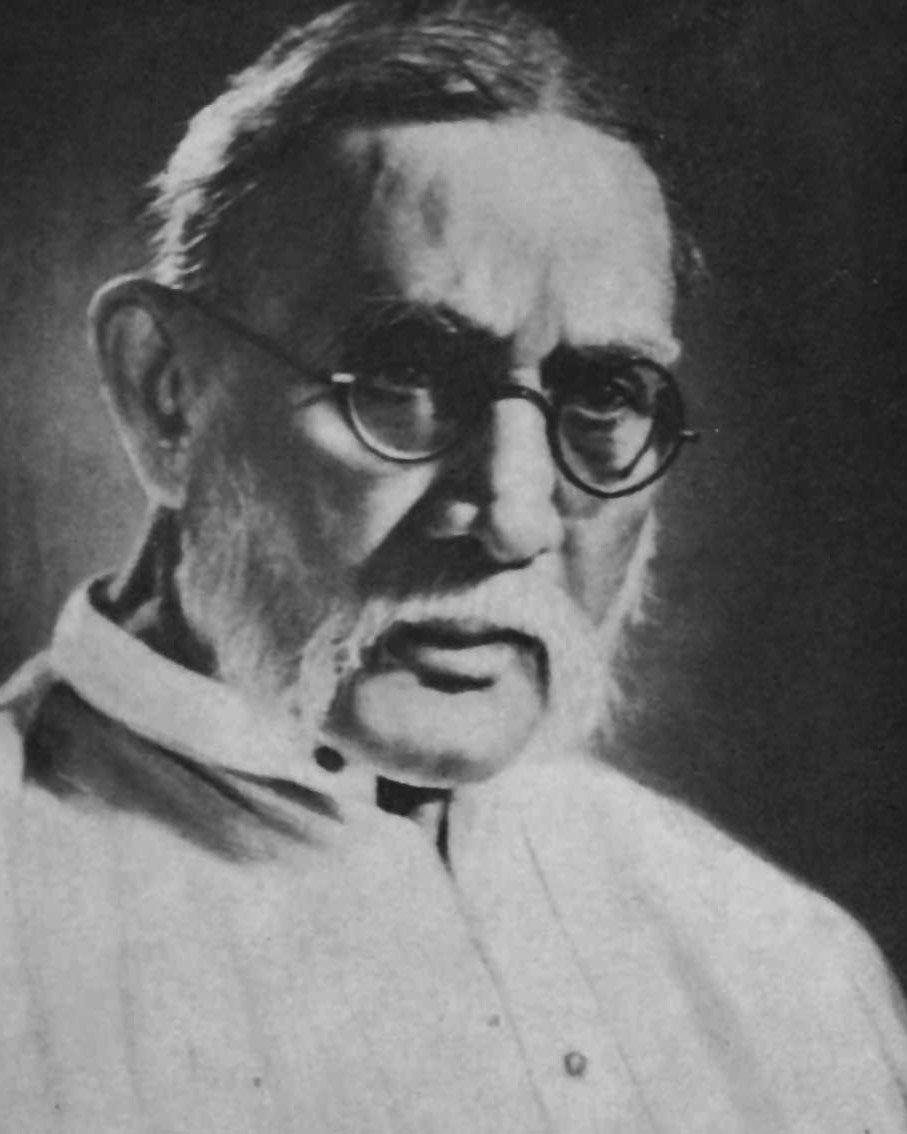 Ustad Alladiya KhanLineage
Founder of the Jaipur-Atrauli gharana and her mother's teacher.
Kishori Amonkar — Wikipedia- Pandit Arun DravidDisciple
"...prompted Arun Dravid, Amonkar's foremost disciple, to embark on the journey of clinically deconstructing his guru's music."
Scroll.in, 25 February 2019
Students and disciples
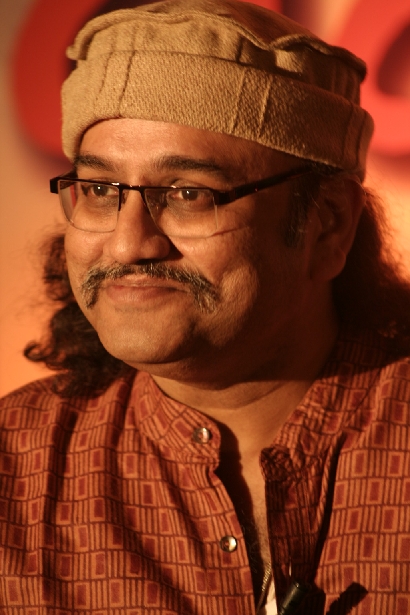 Pandit Raghunandan PanshikarDisciple
Trained with her from the age of 17, over the next 20–22 years.
Raghunandan Panshikar — Wikipedia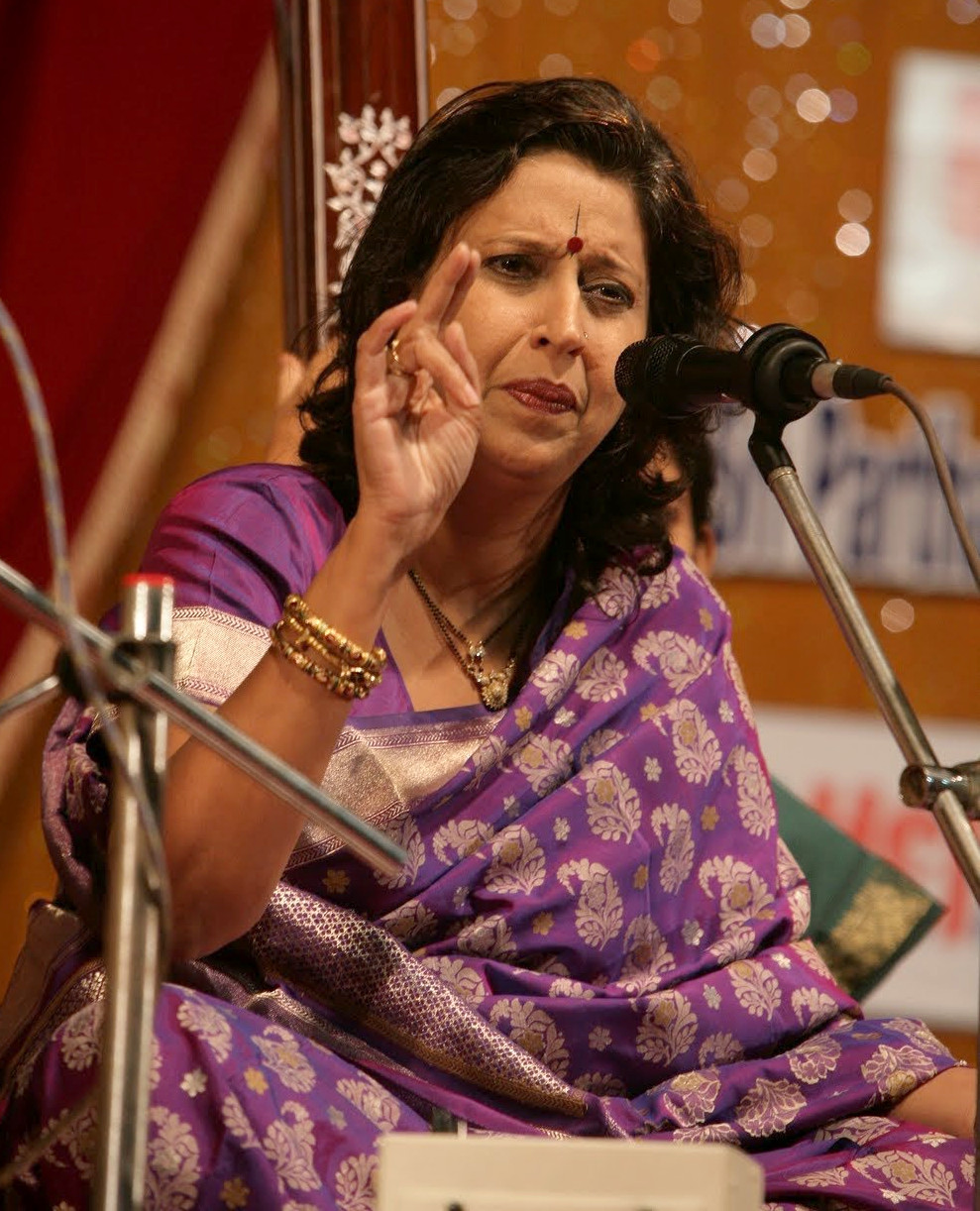 Arati Ankalikar-TikekarDisciple
Trained under her in the Jaipur-Atrauli gharana after early study with Vasantrao Kulkarni.
Arati Ankalikar Tikekar — Wikipedia- Manik BhideDisciple
Singer and mother of Ashwini Bhide-Deshpande, named as a disciple of Kishori Amonkar.
Ashwini Bhide-Deshpande — Wikipedia 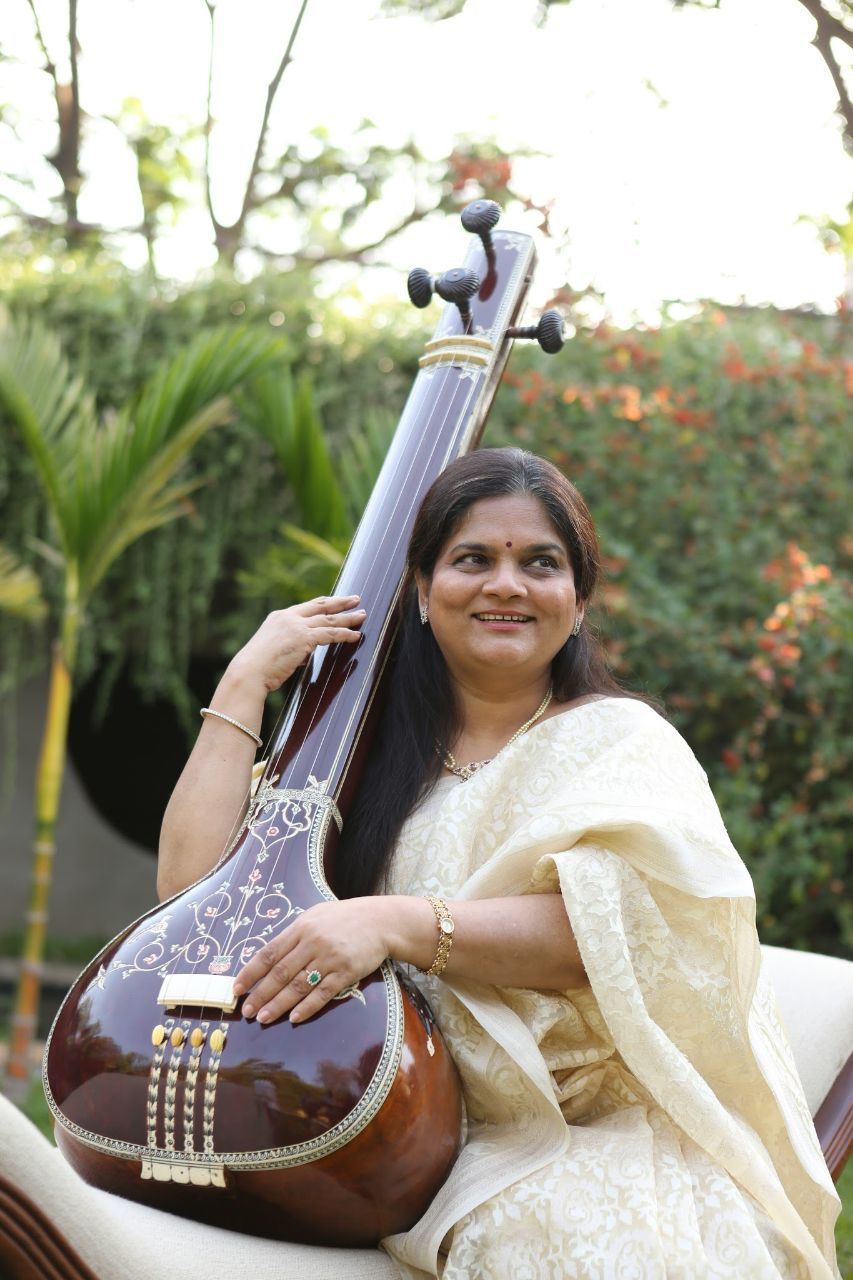 Devaki PanditDisciple
"She is a disciple of Kishori Amonkar and Jitendra Abhisheki."
Devaki Pandit — Wikipedia
Family
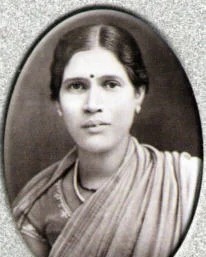 Mogubai KurdikarMother and first teacher
Leading disciple of Ustad Alladiya Khan.
Kishori Amonkar — Wikipedia
Recognition
Honours and recognition
Highest national honour first, then by year.
- 2002Padma Vibhushan
- 1987Padma Bhushan
- 2009Sangeet Natak Akademi FellowshipAkademi Ratna.
- 1985Sangeet Natak Akademi Award
Writing
From the journal
Community
Memories from the community
Personal recollections, not verified history
These are memories shared by listeners and musicians. They sit apart from the sourced biography above, and an editor reads each one before it appears.
- No memories have been shared yet.
Members can share a memory of Kishori Amonkar. Sign in or create an account.
Provenance
Sources and image credits
- Kishori Amonkar obituary — The Guardian (Robin Denselow), 12 April 2017
- Kishori Amonkar passes away — The Hindu, 4 April 2017
- Kishori Amonkar: an inspiration for generations — The Hindu, 4 April 2017
- Kishori Amonkar: An incomparable voice, an eclectic innovator — Hindustan Times, 5 April 2017
- Kishori Amonkar — Wikipedia
- Kishori Amonkar — Encyclopaedia Britannica
- Wikimedia Commons: Kishori Amonkar performing Raga Bhopali (CC BY 3.0 audio)
No photograph of this musician is published here yet; we use only images we are permitted to show, with credit.
Continue exploring