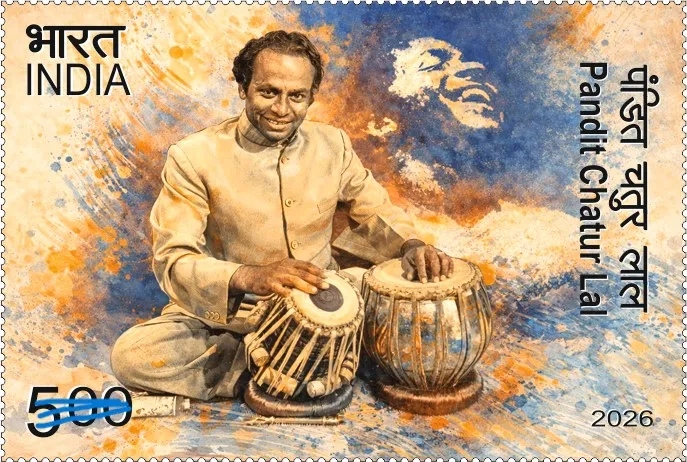
Photograph: India Post commemorative stamp, 2026; Government Open Data Licence – India, via Wikimedia Commons
Hindustani classical · 1925–1965
Pandit Chatur Lal
The first tabla heard by most of the West.
- Instrument
- Tabla
- Gharana
- Delhi gharana (tabla)
- Born
- 16 April 1925, Udaipur, Rajasthan
- Died
- 14 October 1965
Official website & social links
We have no checked official pages for Pandit Chatur Lal yet. Suggest an official link.
Biography
Life
Chatur Lal was born on 16 April 1925 in Udaipur, Rajasthan, into a family with generations of professional musicians behind it. His younger brother was the sarangi player Ram Narayan. He moved to Delhi in the 1940s and joined All India Radio as a staff artiste in 1947, where he came into the circle around Ravi Shankar, then the station's director of music.
Accounts of his tabla training differ. Several recent sources, including centenary notices tied to the Government of India commemorative stamp, name Ustad Abdul Hafiz Ahmed Khan as his teacher; an older Wikipedia text instead described him as a disciple of Haji Mohammed Khan of the Delhi gharana. Both are recorded here rather than resolved, and no single gharana is claimed for him on that evidence.
In 1955 Yehudi Menuhin invited Ravi Shankar to New York. Shankar could not travel and sent Ali Akbar Khan, with Chatur Lal on tabla. The two recorded what is generally described as the first LP of Hindustani classical music made for Western listeners, and played at the Museum of Modern Art, at Rockefeller Center and on the television programme Omnibus. He returned with Ravi Shankar for European and American tours from 1957, and worked on the Canadian short film A Chairy Tale. He also toured and recorded with Nikhil Banerjee, Allauddin Khan and Sharan Rani.
He died on 14 October 1965, aged forty. The Pandit Chatur Lal Memorial Society, run by his family, maintains his legacy; the Department of Posts issued a centenary stamp in his honour.
Sources disagree on his birth year: Wikipedia and the archive give 16 April 1925, while The Hindu's 2017 anniversary piece gives 16 April 1926. Both are recorded. The Hindu attributes his death at forty to complications arising from jaundice.
The 1955 New York sessions are documented: Ali Akbar Khan's first American recording was arranged by the Museum of Modern Art on 18 April 1955 and issued as "Music of India: Morning and Evening Ragas", with Chatur Lal on tabla and tanpura and a spoken introduction by Yehudi Menuhin. He performed abroad outside the classical circuit too, including with the American jazz drummer Papa Jo Jones.
The line continued in his own family. His son Charanjit Lal Chatur Lal was eight when his father died and completed his training under his father's guru, Abdul Hafiz Ahmed Khan of Udaipur; he founded the Pandit Chatur Lal Memorial Society, which runs the archive and museum of his father's work. The birth-centenary programme ran through to April 2026, marked by a commemorative stamp from the Department of Posts and a concert at the tomb of Safdarjung in Delhi at which his grandson Pranshu performed.
Musical contribution
What they brought to music
Chatur Lal's playing is best heard in his accompaniment: he supports the melody line closely and lets the soloist stay in front, filling the gaps rather than competing for them. On the early Western tours that mattered, because audiences with no grounding in tala were hearing the sitar, sarod and tabla together for the first time.
His 1961 solo record, with Ram Narayan's sarangi holding the lehra, is the other side of him: extended cycles played slowly enough that the structure of a qaida and its variations can be followed by ear.
Lineage & company
Teachers, students and musical connections
People
Grouped by the kind of relationship the sources record — who taught this musician, who they taught, family, and the people they played with.
Teachers and gurus
- Ustad Abdul Hafiz Ahmed Khanteacher
Named as his tabla teacher in centenary accounts; an older Wikipedia text instead names Haji Mohammed Khan of the Delhi gharana. The conflict is unresolved.
Pandit Chatur Lal centenary stamp — Chronicle India
Family
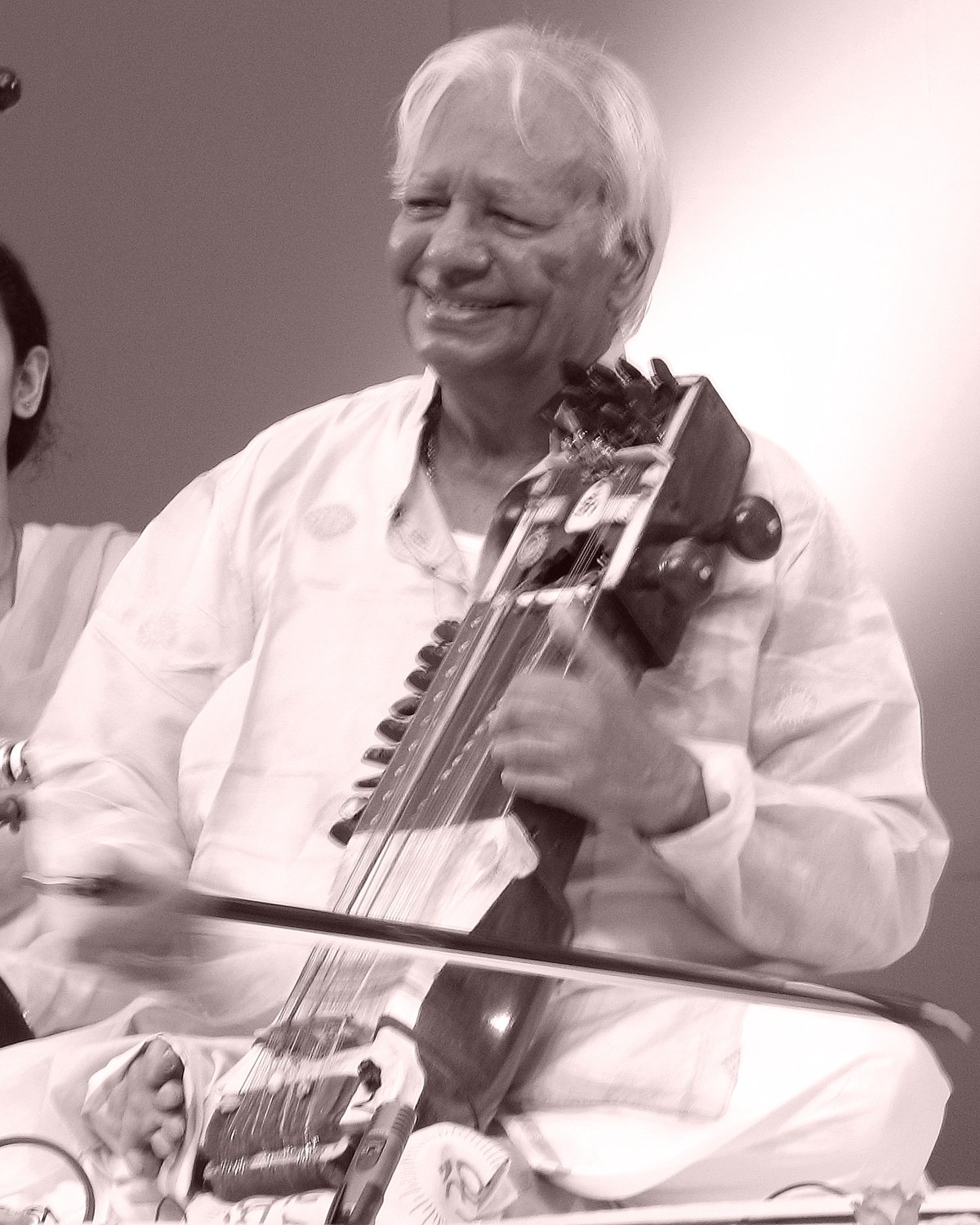 Pandit Ram Narayanfamily
Younger brother; the sarangi player accompanied him on the 1961 solo album The Drums of India.
Chatur Lal — Wikipedia- Pandit Charanjit Lal Chatur LalSon and disciple
Eight years old at his father's death; continued his training under his father's guru Abdul Hafiz Ahmed Khan of Udaipur and founded the Pandit Chatur Lal Memorial Society.
The Hindu, 21 April 2017 - Pandit Chatur Lal Memorial SocietyInstitution
Founded by his son Charanjit Lal; maintains the archive, museum and centenary programme of his work.
The Hindu, 21 April 2017
Collaborators and accompanists
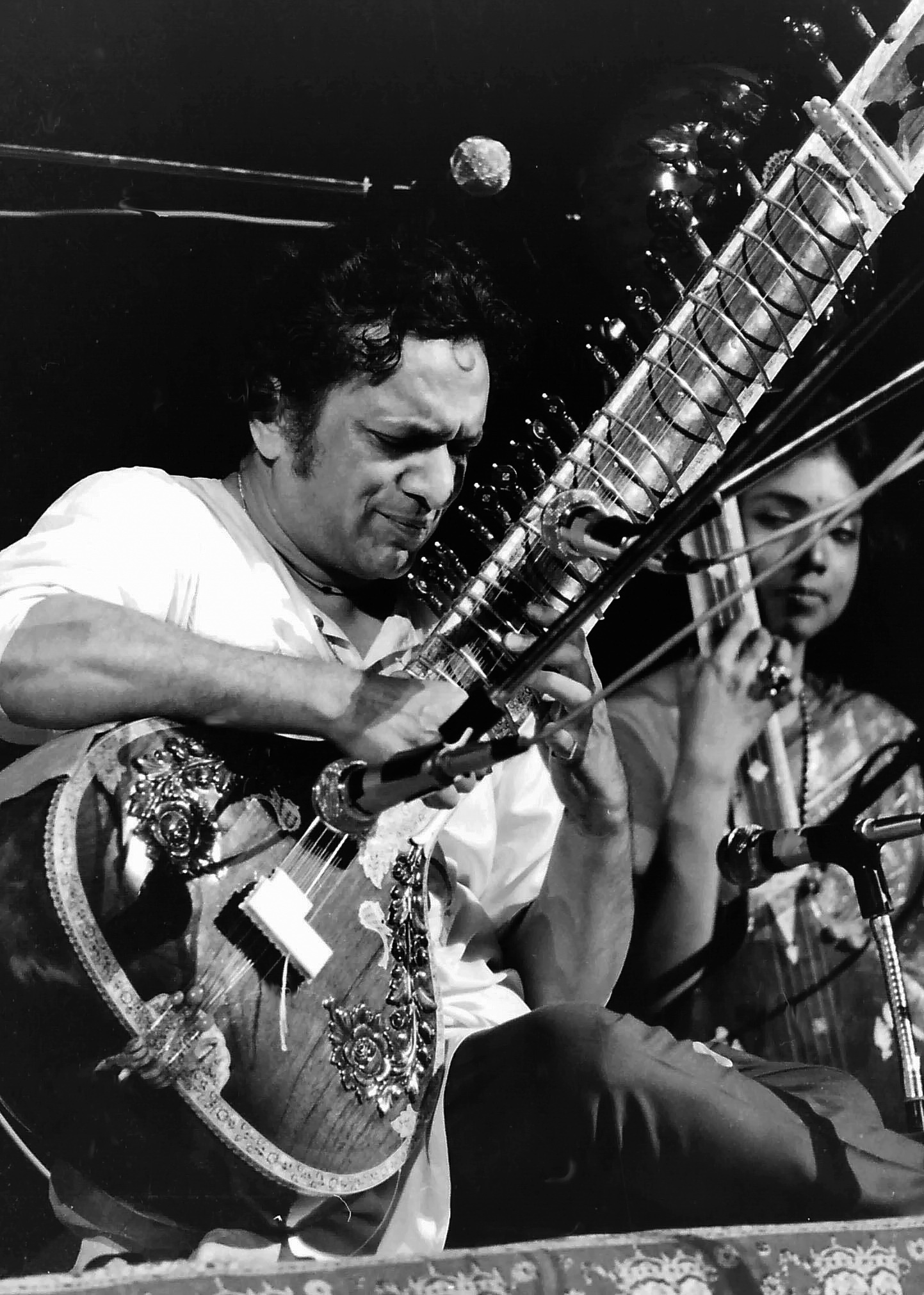 Pandit Ravi Shankarcollaborator
Met at All India Radio in Delhi; toured Europe and North America together from 1957.
Chatur Lal — Wikipedia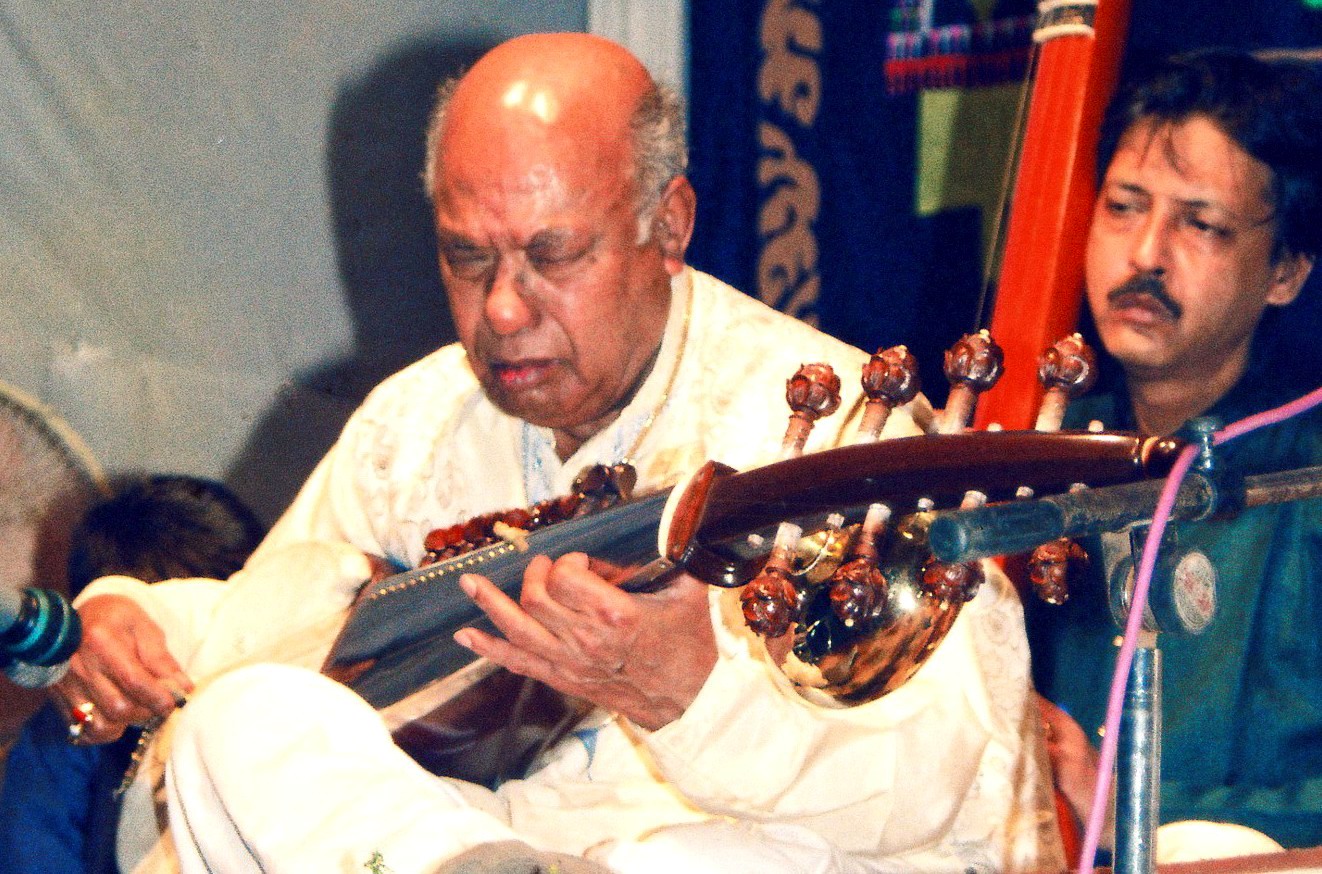 Ustad Ali Akbar Khancollaborator
Accompanied the 1955 United States tour and the first Hindustani LP made for Western listeners.
Remembering Pt. Chatur Lal — The Hindu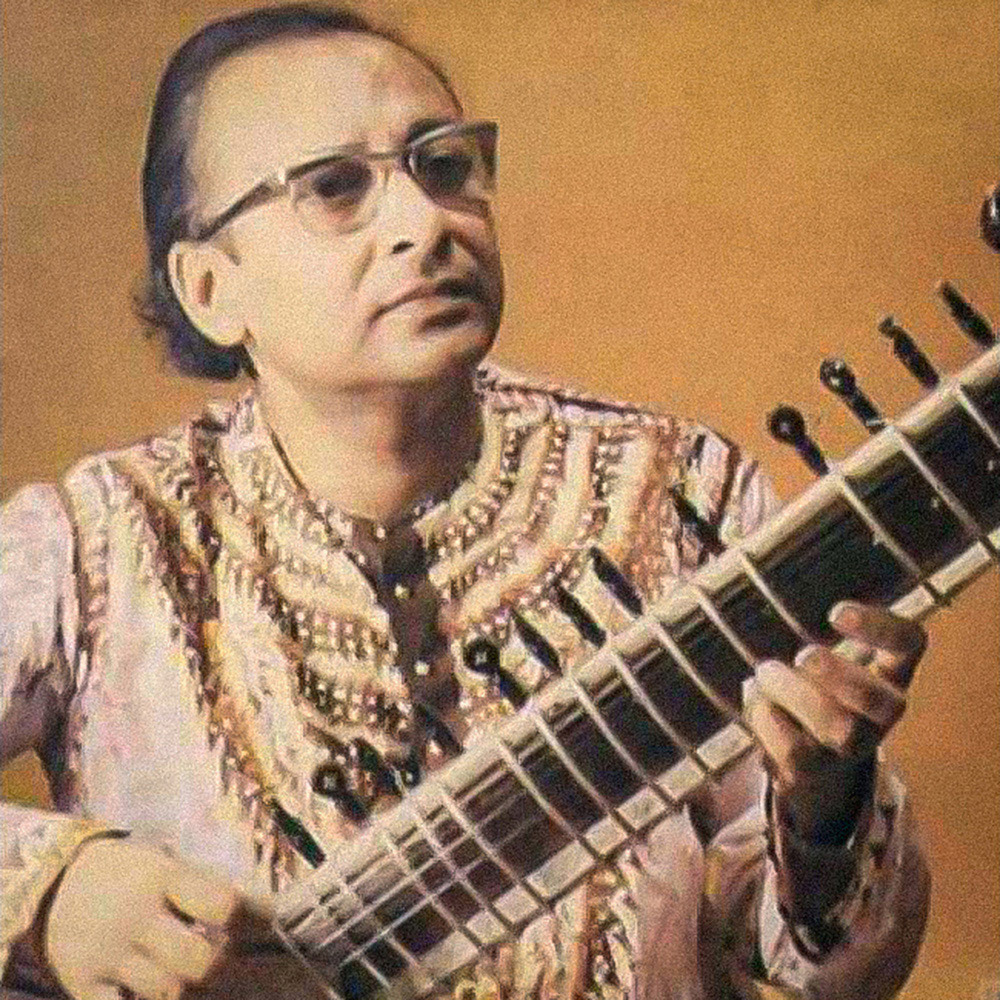 Pandit Nikhil Banerjeecollaborator
Toured with him during the 1950s and early 1960s.
Chatur Lal — Wikipedia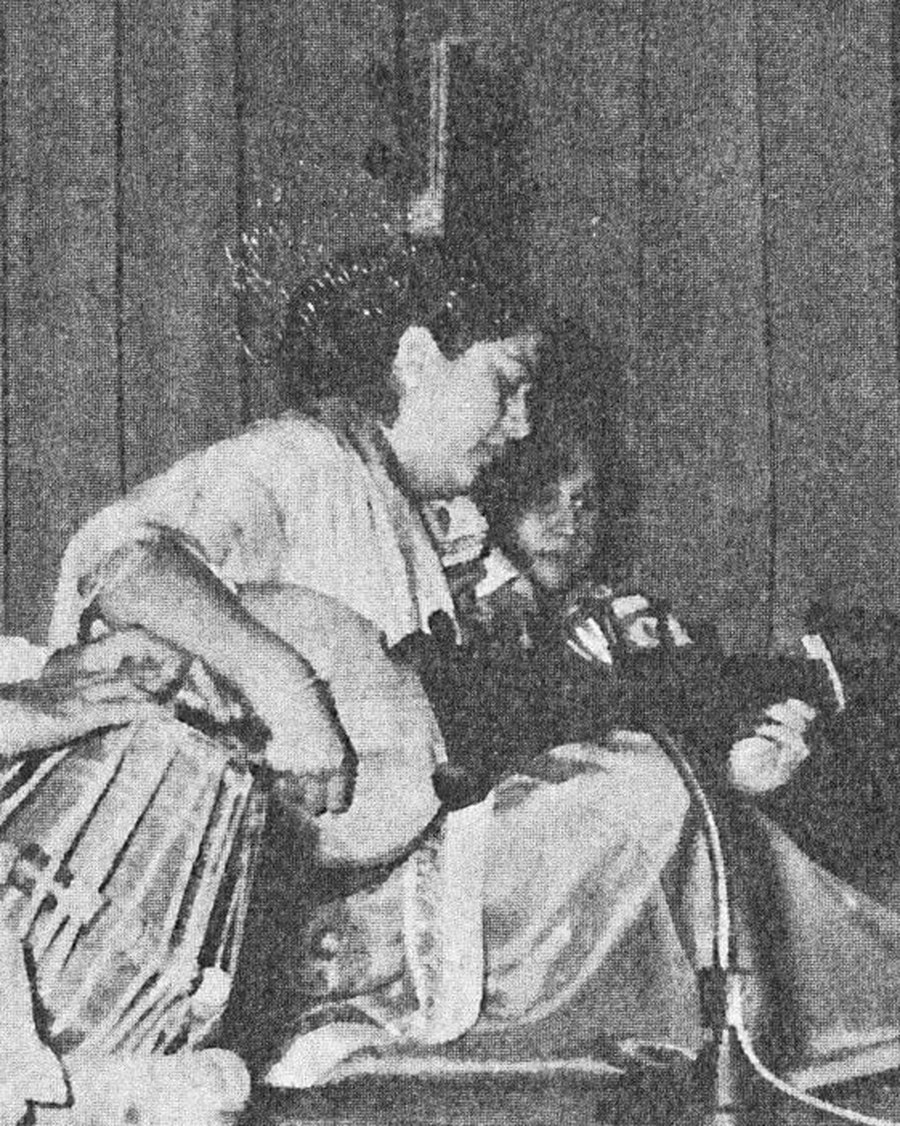 Sharan Ranicollaborator
Toured with the sarod player during the 1950s and early 1960s.
Chatur Lal — Wikipedia- Yehudi MenuhinCollaborator
Invited the 1955 American visit and spoke the introduction on the Museum of Modern Art recording issued as "Music of India: Morning and Evening Ragas".
Discogs, Music of India (Morning and Evening Ragas) - Papa Jo JonesCollaborator
The American jazz drummer, photographed performing with Chatur Lal.
The Hindu, 21 April 2017
Community
Memories from the community
Personal recollections, not verified history
These are memories shared by listeners and musicians. They sit apart from the sourced biography above, and an editor reads each one before it appears.
- No memories have been shared yet.
Members can share a memory of Pandit Chatur Lal. Sign in or create an account.
Provenance
Sources and image credits
- Chatur Lal — Wikipedia
- Remembering Pt. Chatur Lal, a pioneer who introduced the tabla to the world — The Hindu
- Pandit Chatur Lal centenary commemorative stamp — Chronicle India
- Anjana Rajan, "Resonance unending" — The Hindu, 21 April 2017
- "Stamp to commemorate Pandit Chatur Lal's centenary" — The Indian Express
- Ustad Ali Akbar Khan / Pandit Chatur Lal, "Music of India (Morning and Evening Ragas)" — Discogs master entry
Photograph: India Post commemorative stamp, 2026; Government Open Data Licence – India, via Wikimedia Commons
Continue exploring