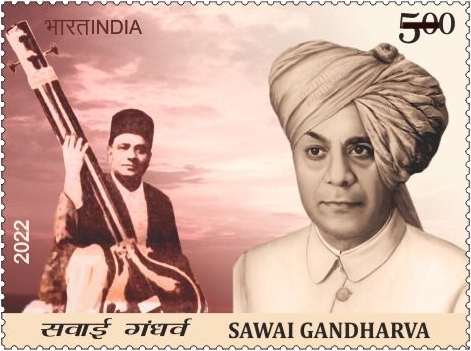
Photograph: India Post commemorative stamp, 2022; Government Open Data Licence – India, via Wikimedia Commons
Hindustani classical · 1886–1952
Pandit Sawai Gandharva
The teacher through whom Kirana singing reached Karnataka and Maharashtra.
- Instrument
- Khayal vocal
- Gharana
- Kirana gharana
- Born
- 19 January 1886, Kundgol, near Dharwad, present-day Karnataka
- Died
- 12 September 1952
Official website & social links
We have no checked official pages for Pandit Sawai Gandharva yet. Suggest an official link.
Where to start
Begin listening
Piya gunwanta
Puriya · 78 rpm disc · Recorded 1938 · 3:26 · Sundeep Dougal
A three-minute side, the length a shellac disc allowed. Transferred from the original record by a private collector.
Kal na pare maiko
Shankara · Shellac 12-inch, 78 rpm · Recorded 1945 · 4:34 · Sundeep Dougal
Transferred from the original twelve-inch disc by a private collector.
Jao jao sakhi madhuban mein
Tilang · 78 rpm disc · Recorded 1945 · 6:52 · Sundeep Dougal
Transferred from the original disc by a private collector.
Recordings are embedded from official or authorised channels and never rehosted. Nothing plays on its own, and starting one closes another. Where an editor has added a note, it explains why that recording was chosen — not what happens inside it.
Biography
Life
Ramachandra Kundgolkar, known throughout his life as Rambhau and later by the stage title Sawai Gandharva, was born on 19 January 1886 at Kundgol, some nineteen kilometres from Dharwad in present-day Karnataka. His father, Ganesh Saunshi, was a clerk to the landlord Ranganagowda Nadiger. School held little for him beyond the singing his teachers admired, and his formal education ended when the family could no longer pay for it.
His first teacher was Balwantrao Kolhatkar, then living at Kundgol, from whom he learned a large body of dhrupad, tarana and other compositions before Kolhatkar's death in 1898 left the training unfinished. Ustad Abdul Karim Khan was at that time touring Karnataka and often stayed with the Nadiger family; hearing the boy sing a Bhairavi composition, he accepted him as a student, on the condition of a long period of study. The apprenticeship began in 1901.
Against his teacher's wishes he joined the Marathi stage, working for a time with Govindrao Tembe's Shivraj Natak Mandali and drawing particular acclaim in female roles — the honorific Sawai Gandharva, meaning "one and a quarter Gandharva", was bestowed in comparison with Bal Gandharva, the reigning figure of Marathi musical theatre. A paralytic stroke in 1942 ended his concert career at fifty-six, but he went on teaching until his death on 12 September 1952. The annual Sawai Gandharva festival at Pune, begun by Bhimsen Joshi in his memory, carries his name.
Musical contribution
What they brought to music
His reputation rests less on a recorded legacy — only a handful of early discs survive — than on what he transmitted. The slow, weighted Kirana approach to raga he received from Abdul Karim Khan passed through his teaching into several very different voices, and his years in Marathi theatre gave him a directness of delivery that his students remembered.
Life in dates
Timeline
1886
Born at Kundgol
Born on 19 January near Dharwad, in present-day Karnataka.
1898
First teacher died
Balwantrao Kolhatkar, with whom he had begun training, died, leaving the study unfinished.
1901
Began study with Abdul Karim Khan
Accepted as a disciple after the Ustad heard him sing at the Nadiger household.
1910s
Marathi stage
Sang with Govindrao Tembe's Shivraj Natak Mandali and became known for female roles; given the title Sawai Gandharva.
1942
Concert career ended
A paralytic stroke ended his performing career at fifty-six; he continued to teach.
1952
Died
Died on 12 September.
Lineage & company
Teachers, students and musical connections
In the documented teaching trees
Where the archive's lineage research places Pandit Sawai Gandharva, and the teaching links recorded around them inside each tree.
Kirana gharana1886–1952
The teacher through whom Kirana reached Karnataka and Maharashtra.
Taught in this tree by: Abdul Karim Khan
Recorded as teaching: Bhimsen Joshi, Gangubai Hangal, Firoz Dastur
People
Grouped by the kind of relationship the sources record — who taught this musician, who they taught, family, and the people they played with.
Teachers and gurus
- Balwantrao KolhatkarTeacher
His first teacher, at Kundgol, until Kolhatkar's death in 1898.
Wikipedia — Sawai Gandharva 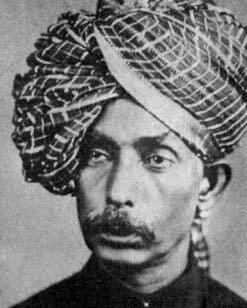 Ustad Abdul Karim KhanTeacher
"He was one of the foremost disciples of Ustad Abdul Karim Khan."
Wikipedia — Sawai Gandharva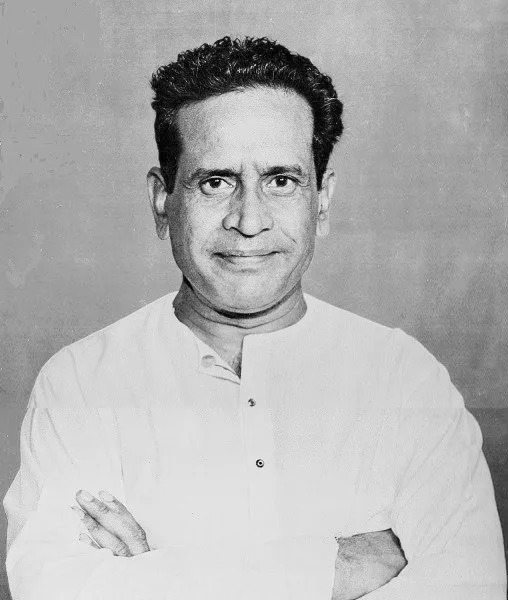 Pandit Bhimsen JoshiDisciple
"his most enduring legacy is that he trained vocalists such as Gangubai Hangal, Bhimsen Joshi, Basavaraj Rajguru and Firoz Dastur."
Wikipedia — Sawai Gandharva- Sureshbabu ManeKirana colleague
Taught Basavaraj Rajguru at Sawai Gandharva's instruction when illness ended his own teaching in Bombay.
Basavaraj Rajguru — Wikipedia
Students and disciples
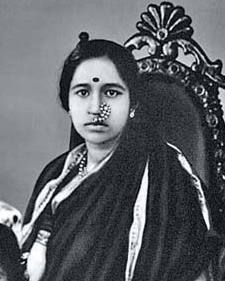 Gangubai HangalDisciple
Named in the same passage among the vocalists he trained.
Wikipedia — Sawai Gandharva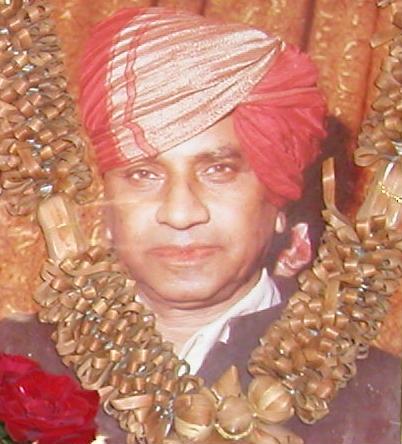 Pandit Basavaraj RajguruDisciple
Named in the same passage among the vocalists he trained.
Wikipedia — Sawai Gandharva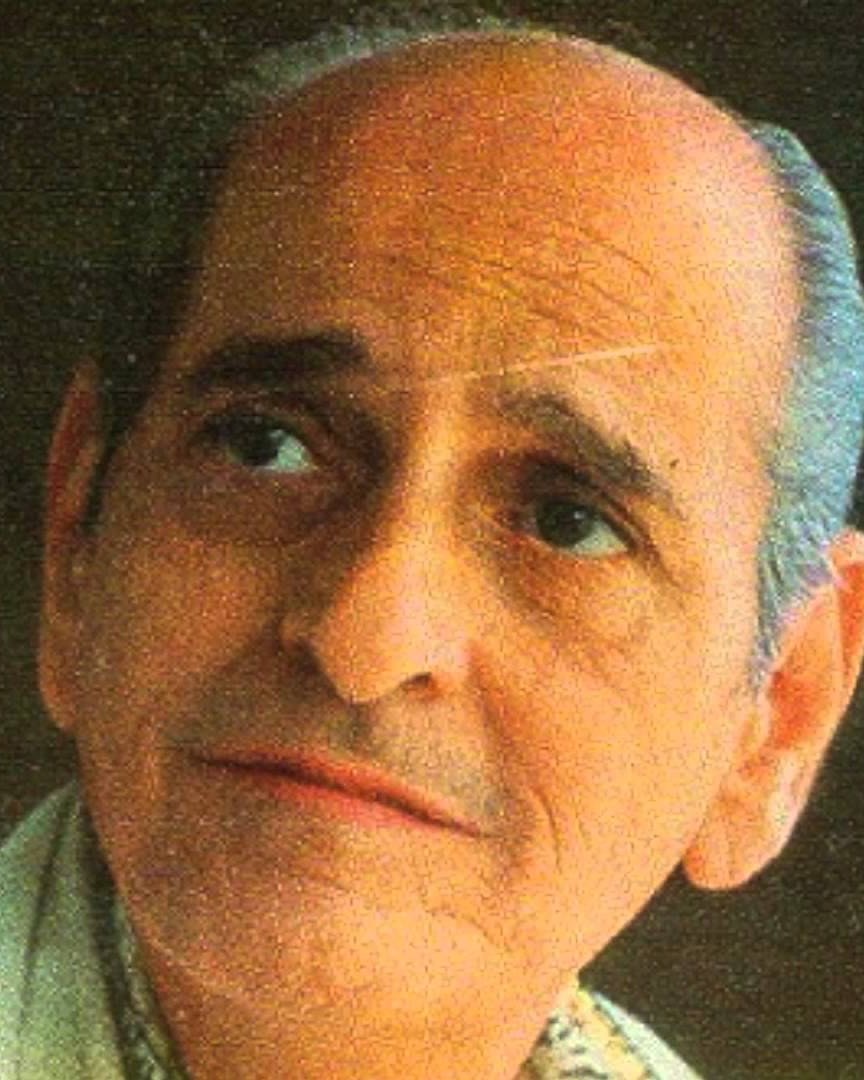 Pandit Firoz DasturDiscipleWikipedia — Firoz Dastur; Baithak Foundation
Recognition
Honours and recognition
- Sawai GandharvaA stage title, meaning "one and a quarter Gandharva", given in comparison with Bal Gandharva of the Marathi stage.
Community
Memories from the community
Personal recollections, not verified history
These are memories shared by listeners and musicians. They sit apart from the sourced biography above, and an editor reads each one before it appears.
- No memories have been shared yet.
Members can share a memory of Pandit Sawai Gandharva. Sign in or create an account.
Provenance
Sources and image credits
- Wikipedia — Sawai Gandharva (retrieved 15 September 2026)
- Kamat's Potpourri — Sawai Gandharva, biography
- Wikimedia Commons — 2022 India Post stamp honouring Sawai Gandharva
- SwarGanga Music Foundation — Rambhau Kundgolkar 'Sawai Gandharva' (retrieved 15 September 2026)
Photograph: India Post commemorative stamp, 2022; Government Open Data Licence – India, via Wikimedia Commons
Continue exploring