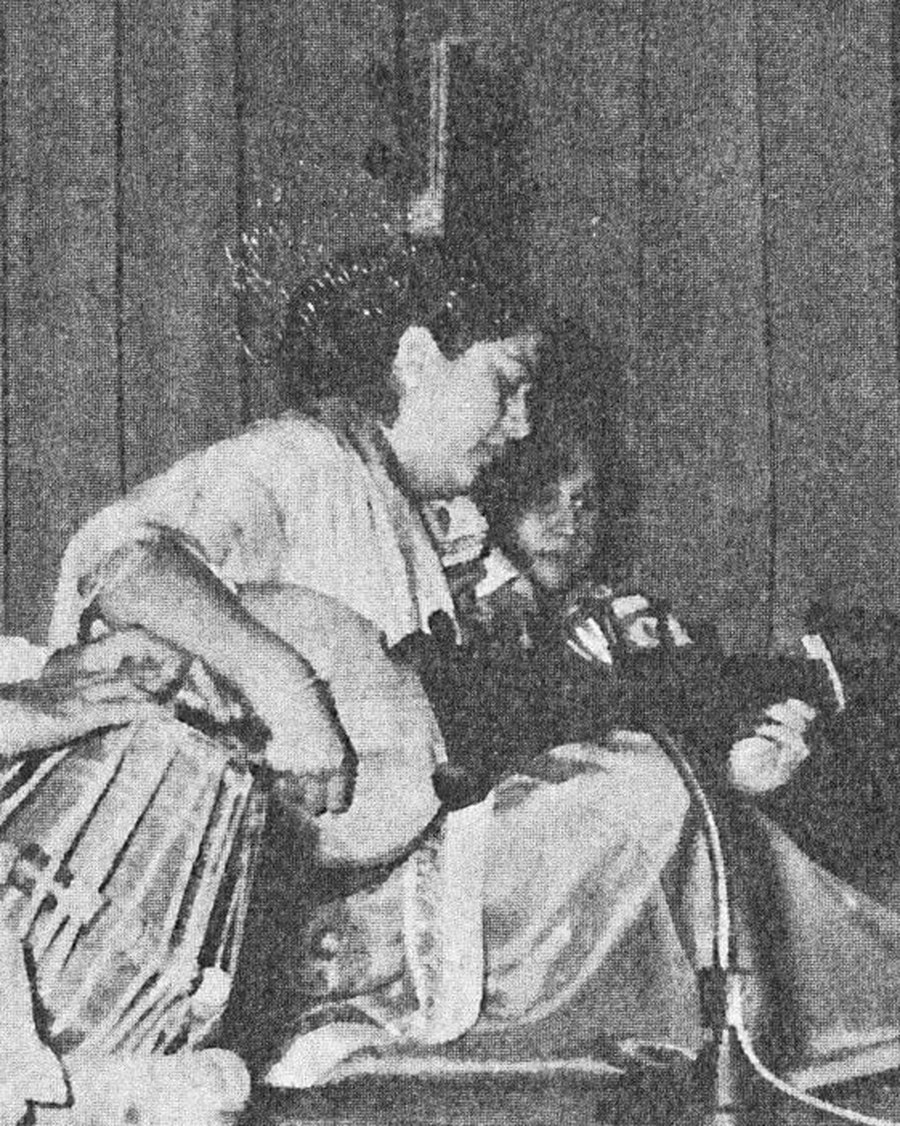
Hindustani classical · 1929–2008
Sharan Rani
The first woman to take the sarod onto the international concert stage.
- Instrument
- Sarod
- Born
- 9 April 1929, Old Delhi
- Died
- 8 April 2008
- On these dates
- Sources differ on the size of her instrument collection: Wikipedia and the National Museum describe 379 instruments from the fifteenth to the nineteenth century, while her PTI obituary and the ITC Sangeet Research Academy tribute both say "nearly 450".
Official website & social links
We have no checked official pages for Sharan Rani yet. Suggest an official link.
Where to start
Begin listening
Start here
Raga Jhinjhoti
Jhinjhoti · Prasar Bharati Archives
From the national broadcaster's own archive.
Explore further
Raga Darbari Kanada
Darbari Kanada · Prasar Bharati Archives
Recordings are embedded from official or authorised channels and never rehosted. Nothing plays on its own, and starting one closes another. Where an editor has added a note, it explains why that recording was chosen — not what happens inside it.
Biography
Life
She was born Sharan Rani Mathur on 9 April 1929 in the walled city of Old Delhi, into a conservative Hindu family of businessmen and educationists with no musicians in it. She learned the sarod as a girl from Ustad Allauddin Khan and his son Ustad Ali Akbar Khan, against considerable family opposition: at that time a musical career belonged either to hereditary gharana families or, in the public mind, to courtesans, and not to the daughter of a respectable household. She also studied Kathak with Achhan Maharaj and Manipuri dance with Nabha Kumar Sinha, and took an M.A. at Delhi University in 1953.
She began giving recitals in the late 1930s and continued for some seven decades. She was among the first Indian musicians to record for UNESCO and to release records with major companies in the United States, Britain and France, and among the earliest artists of All India Radio and Doordarshan. Nehru called her India's cultural ambassador; she was widely known as Sarod Rani.
She taught in the guru–shishya manner and never charged a fee, with students living in her house for years at a time. In 1992 she published a history of her instrument, The Divine Sarod: Its Origin, Antiquity and Development, with a second edition in 2008. Her collection of 379 instruments, dating from the fifteenth to the nineteenth century, was given to the National Museum in New Delhi, where it is displayed as the Sharan Rani Backliwal Gallery of Musical Instruments. She died on 8 April 2008, the day before her seventy-ninth birthday.
She belonged to the Maihar-Senia gharana through Allauddin Khan, and was the first woman to take up the sarod as a concert instrument and the first Indian woman instrumentalist to win an international following. Concerned that the dhrupad tradition was fading, she had some of her recitals accompanied by pakhawaj as well as tabla. Yehudi Menuhin wrote that he hastened "to add my voice to the many admiring and grateful ones which would try to express the love and respect we feel for this great artiste", and Zakir Husain, the President of India, said she had "achieved perfection in music". She was made Padma Shri in 1968 and later Padma Bhushan, and received the Sangeet Natak Akademi award, the Delhi government's Sahitya Kala Parishad award and the Rajiv Gandhi National Excellence award; the government also gave her the title National Artist. In 1998 India Post issued a set of four postage stamps showing instruments from her gallery. She died at her Delhi home on the morning of 8 April 2008 after some time with cancer, a day before her birthday, survived by her husband, the businessman Sultan Singh Backliwal, and their daughter Radhika.
Musical contribution
What they brought to music
Concerned that the dhrupad inheritance in instrumental music was thinning out, she sometimes had her recitals accompanied by pakhawaj as well as tabla — an unusual choice for a sarod soloist of her generation, and a deliberate one.
Life in dates
Timeline
1929
Born in Old Delhi
9 April.
late 1930s
First recitals
The beginning of some seven decades on the concert platform.
1953
M.A., Delhi University
1992
The Divine Sarod published
A history of the instrument; second edition 2008.
2008
Died in Delhi
8 April, the day before her seventy-ninth birthday.
Lineage & company
Teachers, students and musical connections
In the documented teaching trees
Where the archive's lineage research places Sharan Rani, and the teaching links recorded around them inside each tree.
Maihar (Senia-Maihar) gharana1929–2008
One of the first women to perform sarod professionally; also an instrument collector.
Taught in this tree by: Allauddin Khan
People
Grouped by the kind of relationship the sources record — who taught this musician, who they taught, family, and the people they played with.
Teachers and gurus
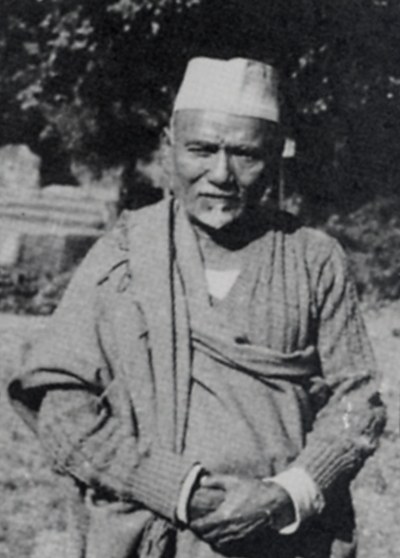 Ustad Allauddin KhanTeacher
She learned the sarod from him as a girl.
Sharan Rani — Wikipedia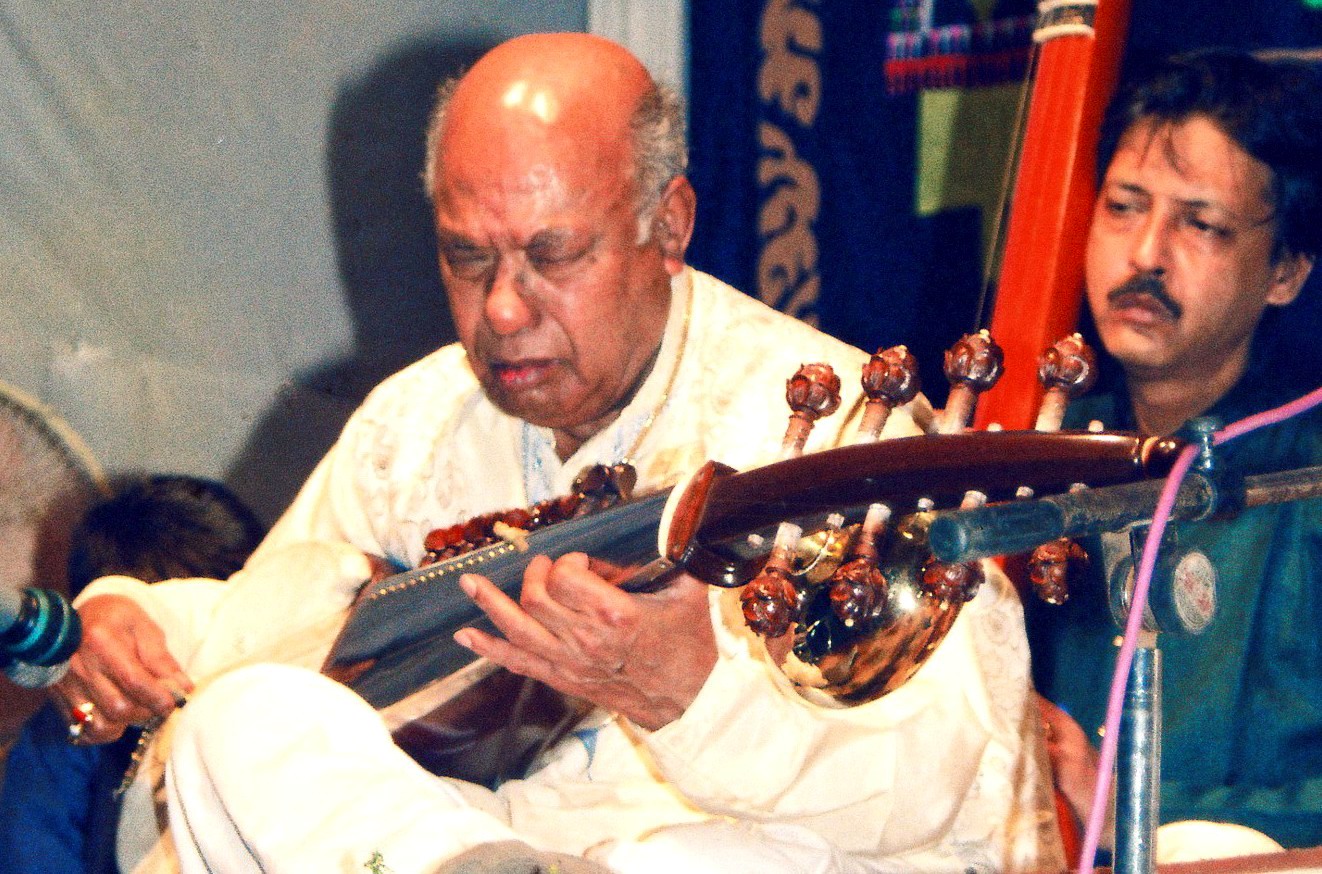 Ustad Ali Akbar KhanTeacher
Sarod.
Sharan Rani — Wikipedia- Achhan MaharajTeacher
Kathak.
Sharan Rani — Wikipedia - Nabha Kumar SinhaTeacher of Manipuri dance
She studied Manipuri dance with him alongside Kathak under Achhan Maharaj.
Wikipedia — Sharan Rani Backliwal
Collaborators and accompanists
- Pandit Chatur Lalcollaborator
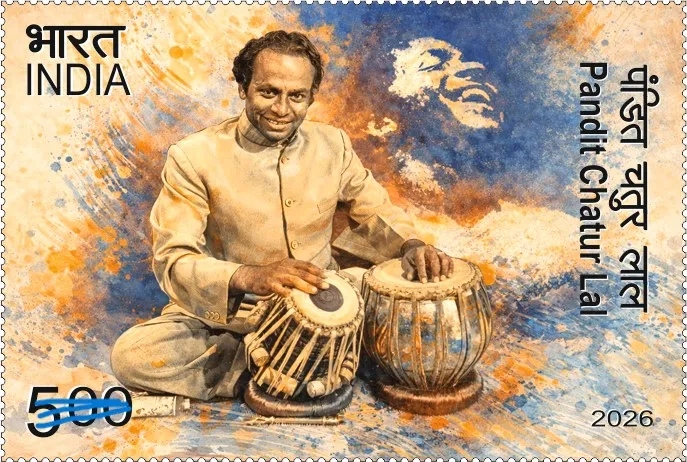
Toured with her during the 1950s and early 1960s.
Chatur Lal — Wikipedia
Other recorded connections
- Maihar-Senia gharanaGharana affiliation
Through her training under Allauddin Khan and Ali Akbar Khan she belonged to the Maihar-Senia line.
Rediff / PTI — Sarod maestro Sharan Rani passes away - Sharan Rani Backliwal Gallery of Musical Instruments, National Museum, New DelhiFounder and donor
Her private collection of historic instruments forms the gallery, which she set up at the National Museum.
ITC Sangeet Research Academy — Remembering Sharan Rani
Recognition
Honours and recognition
Highest national honour first, then by year.
- —Padma Bhushan
- —Padma Shri
- —Sangeet Natak Akademi Award
- Sahitya Kala Parishad Award, Delhi
Community
Memories from the community
Personal recollections, not verified history
These are memories shared by listeners and musicians. They sit apart from the sourced biography above, and an editor reads each one before it appears.
- No memories have been shared yet.
Members can share a memory of Sharan Rani. Sign in or create an account.
Provenance
Sources and image credits
- Sharan Rani — Wikipedia
- Sharan Rani, Raga Jhinjhoti — Prasar Bharati Archives
- Rediff / PTI — Sarod maestro Sharan Rani passes away (8 April 2008)
- ITC Sangeet Research Academy — Remembering Sharan Rani (archived)
Photograph of Sharan Rani at a concert in Tehran, 1975 — public domain, via Wikimedia Commons
Continue exploring