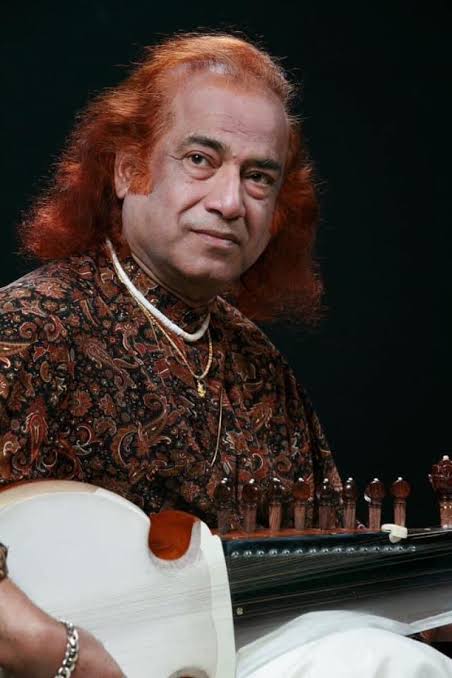
Hindustani classical · 1939–2024
Ustad Aashish Khan
The sarodiya who carried the Maihar sarod into American conservatories and into Shanti's cross-cultural experiments.
- Instrument
- Sarod
- Gharana
- Senia Maihar
Official website & social links
We have no checked official pages for Ustad Aashish Khan yet. Suggest an official link.
Where to start
Begin listening
Raag Darbari — alaap, jod and jhala
Darbari · Aashish Khan - Topic
Pilgrimage (Raag Bhimpalasi)
Bhimpalasi · Aashish Khan - Topic
Recordings are embedded from official or authorised channels and never rehosted. Nothing plays on its own, and starting one closes another. Where an editor has added a note, it explains why that recording was chosen — not what happens inside it.
Biography
Life
Aashish Khan was born on 5 December 1939 at Maihar, where his grandfather Ustad Allauddin Khan was court musician. He was initiated into Hindustani music at the age of five by Allauddin Khan, and later trained with his father, Ustad Ali Akbar Khan, and his aunt, Annapurna Devi. His mother, Zubeida Begum, was Ali Akbar Khan's first wife.
He grew up between Maihar and Calcutta, and gave his first public performance at thirteen on All India Radio's National Program in New Delhi; in the same year he appeared with his father and grandfather at the Tansen Music Conference in Calcutta. In 1969 he co-founded the Indo-American group Shanti with the tabla player Zakir Hussain, and later the fusion group The Third Eye. Under Ravi Shankar he played on film and stage soundtracks. With his brother Pranesh Khan he composed the 1982 album Disco Jazz, sung by Rupa Biswas. From 1989 to 1990 he was composer and conductor for the National Orchestra of All India Radio in New Delhi.
He taught for much of his life: as adjunct professor of Indian classical music at the California Institute of the Arts and at the University of California, Santa Cruz, and on the faculties of the Ali Akbar College of Music in San Rafael, the University of Alberta and the University of Washington. He divided his later years between Kolkata, where he founded the Aashish Khan School of World Music, and California. He was nominated for a Grammy Award in 2006 in the Best Traditional World Music Album category for Golden Strings of the Sarode, and received the Sangeet Natak Akademi Award. He died in Los Angeles on 14 November 2024, aged eighty-four.
Musical contribution
What they brought to music
He plays the sarod of the Senia Maihar school received from Allauddin Khan and Ali Akbar Khan. In Shanti he was heard playing the acoustic sarod through a guitar amplifier with a vibrato effect, an early instance of the instrument being placed in a rock ensemble.
In pictures
Photographs
Lineage & company
Teachers, students and musical connections
In the documented teaching trees
Where the archive's lineage research places Ustad Aashish Khan, and the teaching links recorded around them inside each tree.
Maihar (Senia-Maihar) gharanaborn 1939
Sarod player of the fourth family generation, active in India and the United States.
Taught in this tree by: Ali Akbar Khan
People
Grouped by the kind of relationship the sources record — who taught this musician, who they taught, family, and the people they played with.
Teachers and gurus
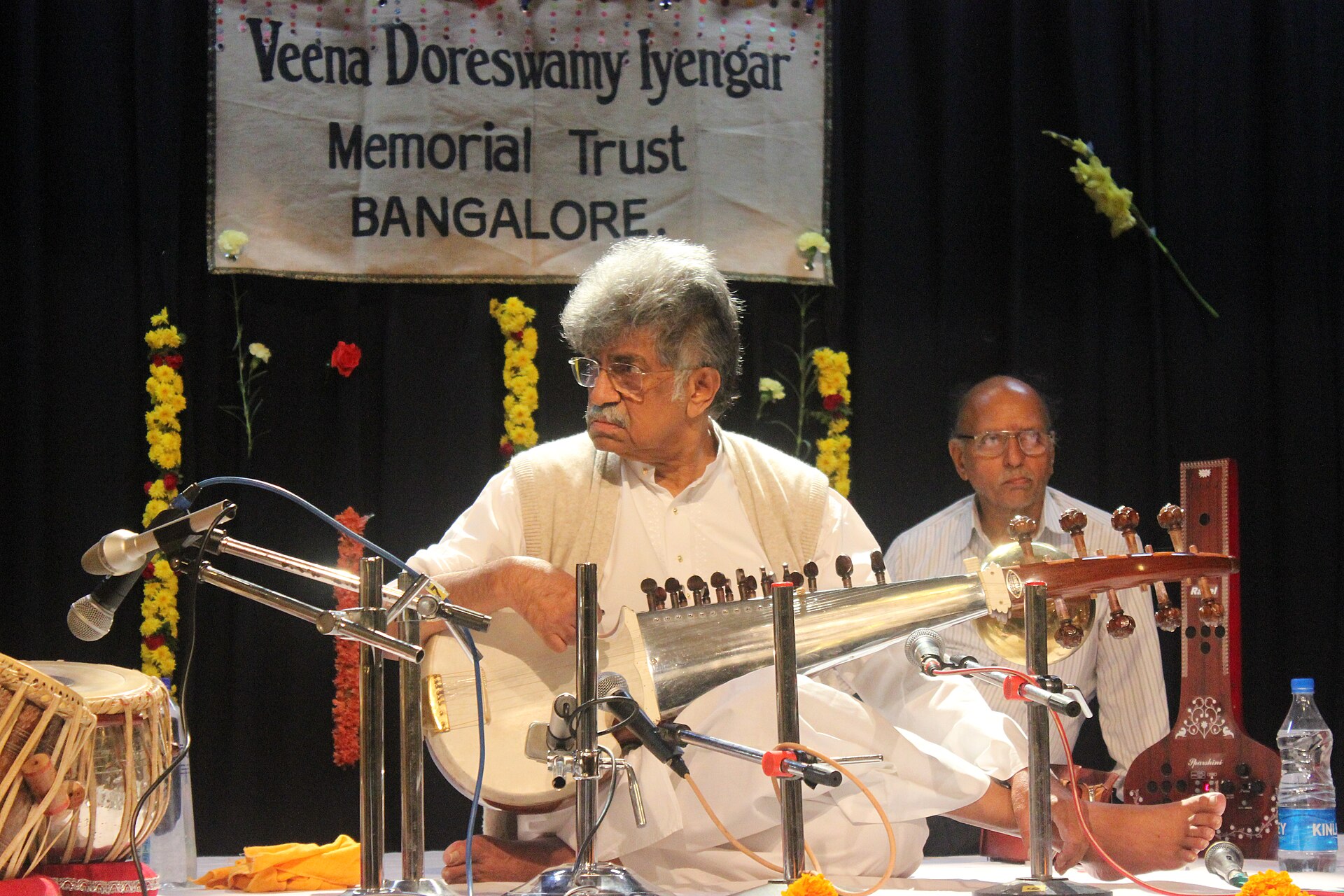 Pandit Rajeev TaranathStudent
Taranath received guidance from him alongside his study with Ali Akbar Khan.
Rajeev Taranath — Wikipedia
Family
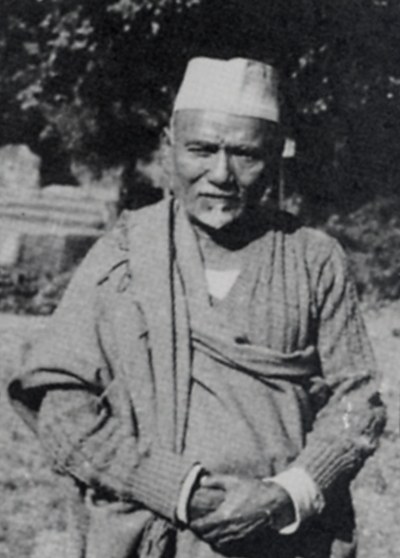 Ustad Allauddin KhanGrandfather and first teacher
He was initiated into Hindustani music at the age of five by his grandfather.
Aashish Khan — Wikipedia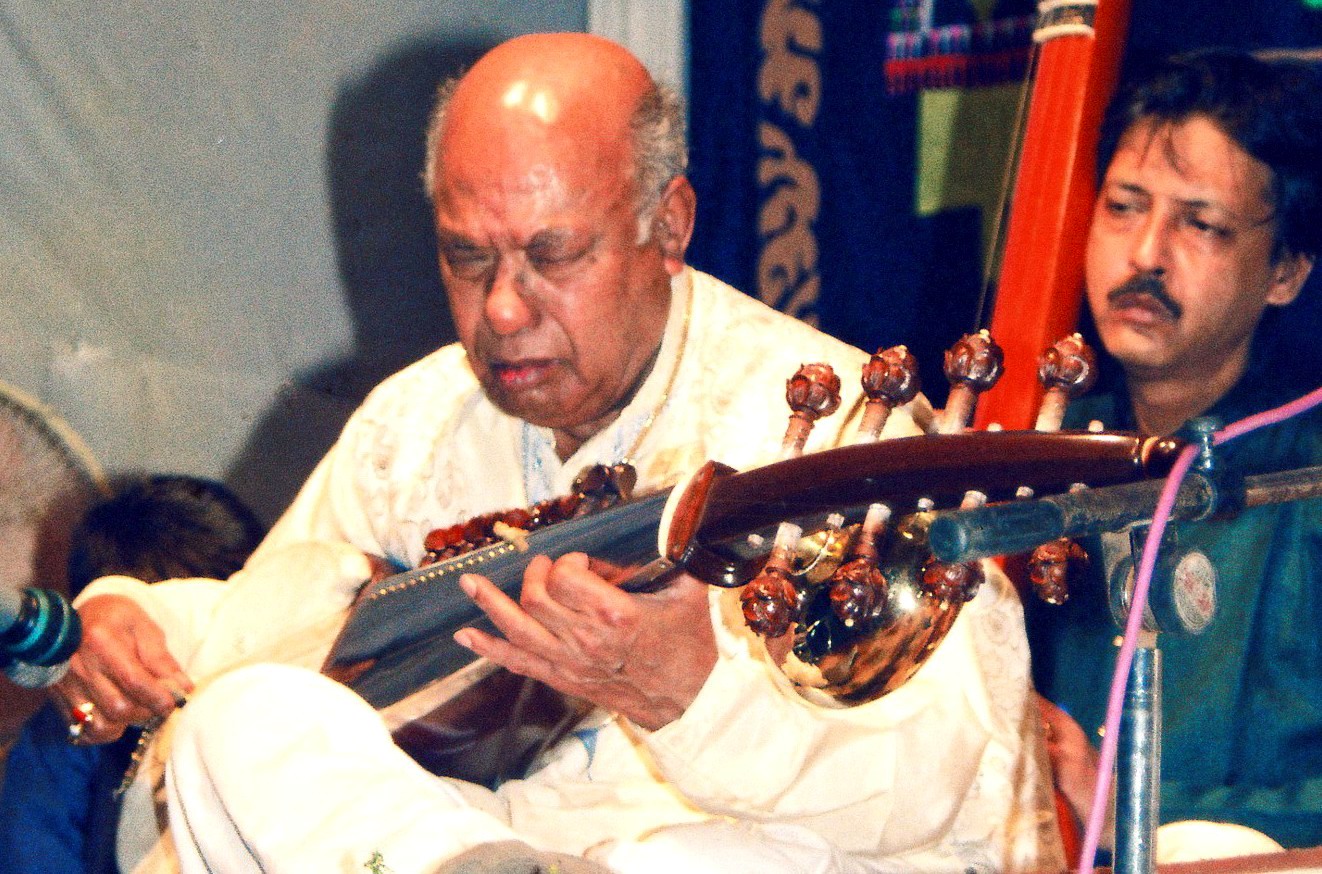 Ustad Ali Akbar KhanFather and teacher
His training continued under his father after his grandfather.
Aashish Khan — Wikipedia- Annapurna DeviAunt and teacher
He also trained under his aunt.
Aashish Khan — Wikipedia - Ustad Alam KhanBrother
Both are sons of Ali Akbar Khan.
Alam Khan — About (official website)
Collaborators and accompanists
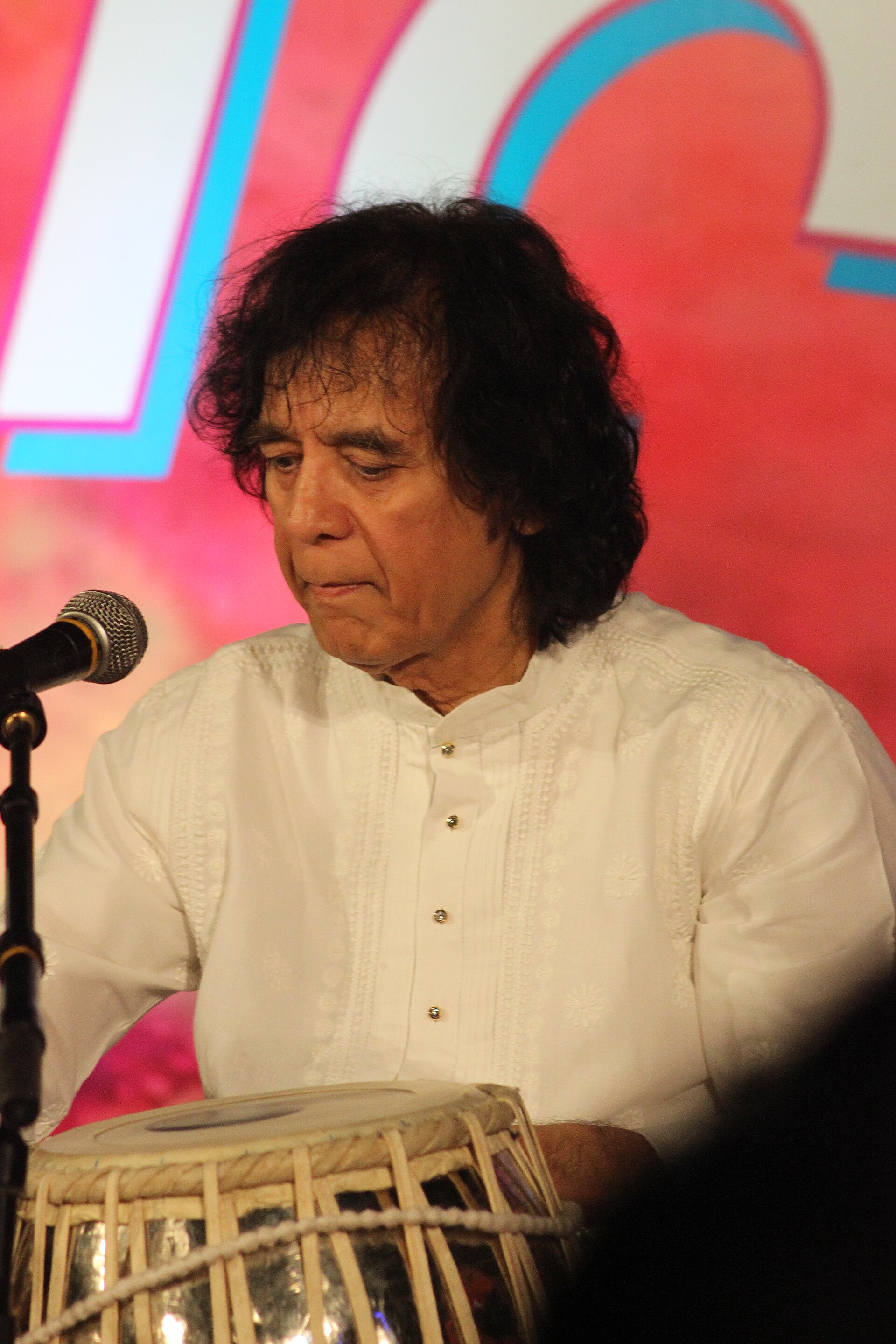 Ustad Zakir HussainCollaborator
They co-founded the Indo-American group Shanti in 1969.
Aashish Khan — Wikipedia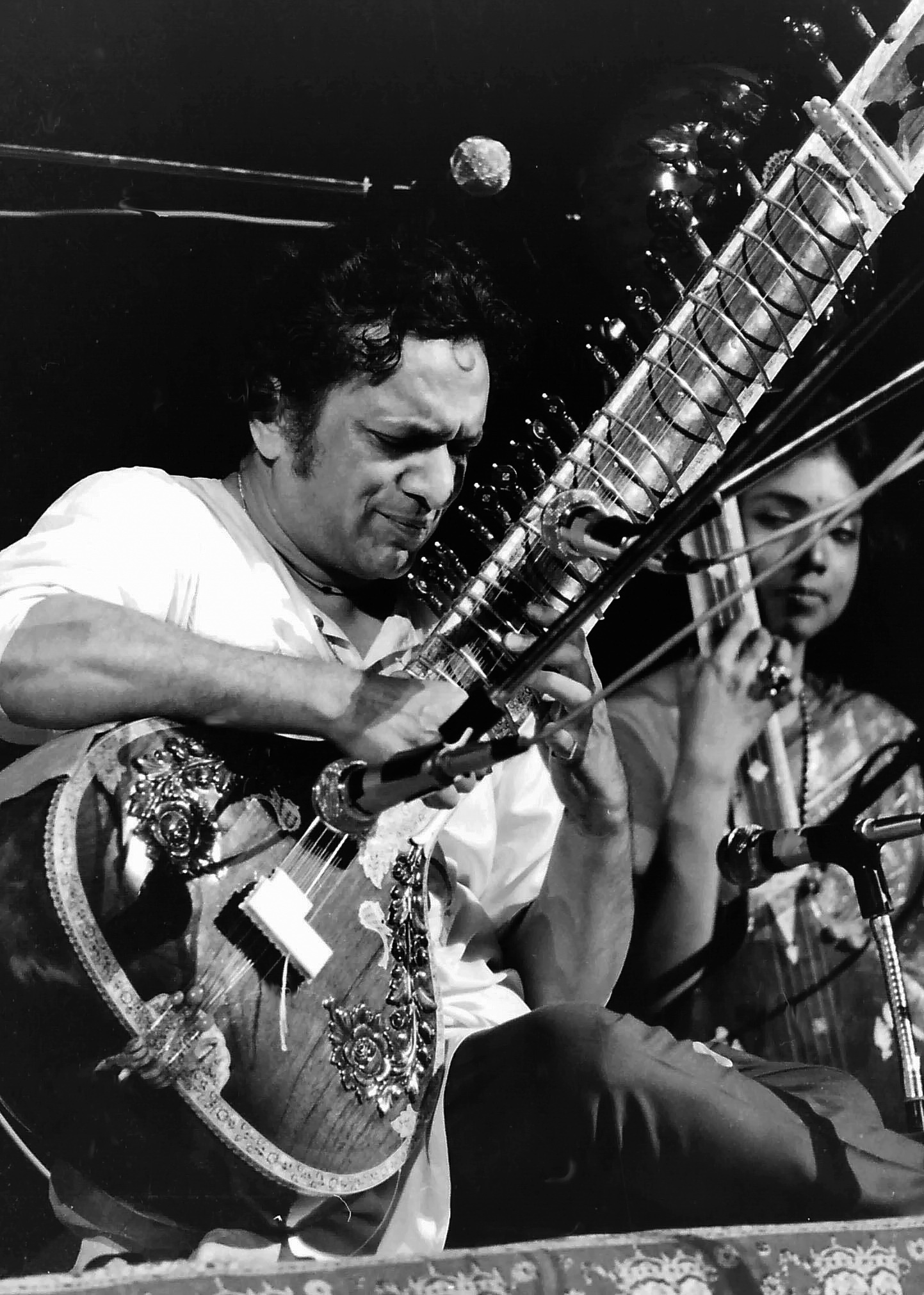 Pandit Ravi ShankarCollaborator
He played on film and stage soundtracks under Ravi Shankar.
Aashish Khan — Wikipedia
Recognition
Honours and recognition
Highest national honour first, then by year.
- Sangeet Natak Akademi Award
- 2006Grammy Award nomination, Best Traditional World Music AlbumFor the album Golden Strings of the Sarode.
Community
Memories from the community
Personal recollections, not verified history
These are memories shared by listeners and musicians. They sit apart from the sourced biography above, and an editor reads each one before it appears.
- No memories have been shared yet.
Members can share a memory of Ustad Aashish Khan. Sign in or create an account.
Provenance
Sources and image credits
Photograph: credit pending
Continue exploring