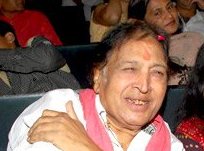
Hindustani classical · 1940–2011
Ustad Sultan Khan
He took the sarangi out of the accompanist's corner and put it centre stage.
- Instrument
- Sarangi
- Gharana
- Sikar
- Born
- 15 April 1940, Jodhpur, Jodhpur, Rajasthan
- Died
- 27 November 2011, Mumbai, Mumbai, Maharashtra
Official website & social links
We have no checked official pages for Ustad Sultan Khan yet. Suggest an official link.
Where to start
Begin listening
Start here
Raga Ahir Bhairav (album: Saaz Sarangi)
Ahir Bhairav · Music Today · Music Today
Studio recording issued on the album Saaz Sarangi.
Explore further
Raag Natbhairav
Nat Bhairav · Ustad Sultan Khan - Topic
Recordings are embedded from official or authorised channels and never rehosted. Nothing plays on its own, and starting one closes another. Where an editor has added a note, it explains why that recording was chosen — not what happens inside it.
Biography
Life
Sultan Khan was born in 1940 into a family of hereditary Muslim musicians from Sikar in northern Rajasthan, who had performed at the courts of Rajput princes. Sources differ on the details: The Guardian gives his birthplace as "Sikhar, near Jodhpur", Wikipedia and most Indian obituaries say Jodhpur, and sarangi.net gives his dates as 1941-2011 rather than 1940-2011. His father, Ustad Gulab Khan, was his first and principal teacher in both voice and sarangi; he also learnt from his uncle, the sarangi player Azim Khan. He is said to have played before the All India Music Conference at the age of eleven.
His professional career began at the All India Radio station in Rajkot, Gujarat, where he worked for about eight years. According to The Guardian, his break came when Lata Mangeshkar visited Rajkot and asked him to accompany her; he then moved to Bombay and worked in film soundtracks alongside his concert career. He was also a trained khayal singer and sang in public, and his 1994 vocal album Sabras was widely liked; his reputation as a singer was such that some listeners assumed he was a vocalist who also played.
Abroad he became one of the best-known Indian instrumentalists of his generation. He toured with Pandit Ravi Shankar and Ustad Alla Rakha, including the 1974 Dark Horse tour with George Harrison, and played the sarangi passages in Ravi Shankar's score for Richard Attenborough's Gandhi (1982), heard in the assassination and funeral scenes. With Zakir Hussain and the producer Bill Laswell he was a founding member of the fusion group Tabla Beat Science. He played at Buckingham Palace in 1997 and at a Sufi music festival at the White House in 1998.
He received the Sangeet Natak Akademi Award twice - unusual - and the Padma Bhushan in 2010. He died of kidney failure on 27 November 2011, aged seventy-one; obituaries differ on whether he died in Mumbai or in a hospital in Jodhpur. His son Sabir Khan continues the family's sarangi playing.
Musical contribution
What they brought to music
The sarangi is bowed and fretless, and for most of its history it sat beside a singer rather than in front of an audience. Sultan Khan was central to changing that: obituaries credit him with helping the instrument be accepted as a solo concert instrument in its own right. Even so, The Guardian noted that when he accompanied a well-known vocalist he was careful to remain exactly that, an accompanist.
His playing carried the gayaki manner into the bowing - wide gamaks, notes approached in a circling motion rather than struck, and long unhurried barhat in slow khayal - an approach the sarangi player and scholar Nicolas Magriel traced in part to his listening to Ustad Amir Khan. Magriel also describes traits he shared with other Sikar-gharana players: a thick, vocal tone produced by setting the strings very high, so that they are stopped with the skin above the nails rather than with the nails themselves, and robust arm movement in place of finger work. Alongside that he was among the first Indian classical musicians to work seriously in electronic and global fusion contexts, which put the sarangi in front of listeners who had never heard one.
Life in dates
Timeline
1940
Born in Jodhpur
Born on 15 April into the Sikar lineage of sarangi players.
c. 1960
Begins his performing career
Works first as an accompanist, then increasingly as a soloist.
1974
Plays with George Harrison
Accompanies Harrison during his tour and recordings.
1982
Music for Gandhi
Contributes to the music of Richard Attenborough's film.
2000s
Tabla Beat Science
Founding member with Zakir Hussain and Bill Laswell.
2010
Padma Bhushan
Awarded by the Government of India.
2011
Dies in Mumbai
Dies on 27 November, aged seventy-one.
In pictures
Photographs
Lineage & company
Teachers, students and musical connections
In the documented teaching trees
Where the archive's lineage research places Ustad Sultan Khan, and the teaching links recorded around them inside each tree.
Delhi and Moradabad sarangi lineages1940–2011
Sarangi player of the Sikar line, known in classical music and in film and popular collaborations.
Taught in this tree by: Gulab Khan
People
Grouped by the kind of relationship the sources record — who taught this musician, who they taught, family, and the people they played with.
Teachers and gurus
 Ustad Amir KhanCited influence, not a teacher
His gayaki-influenced phrasing traced to listening to Amir Khan.
sarangi.net (Nicolas Magriel)
Family
- Ustad Gulab KhanFather and principal teacher
Sarangi player of Jodhpur, of the Sikar lineage.
Sultan Khan — sarangi.net - Sabir KhanSon and student
Sarangi player, continuing the family lineage.
Sultan Khan obituary — The Guardian
Collaborators and accompanists
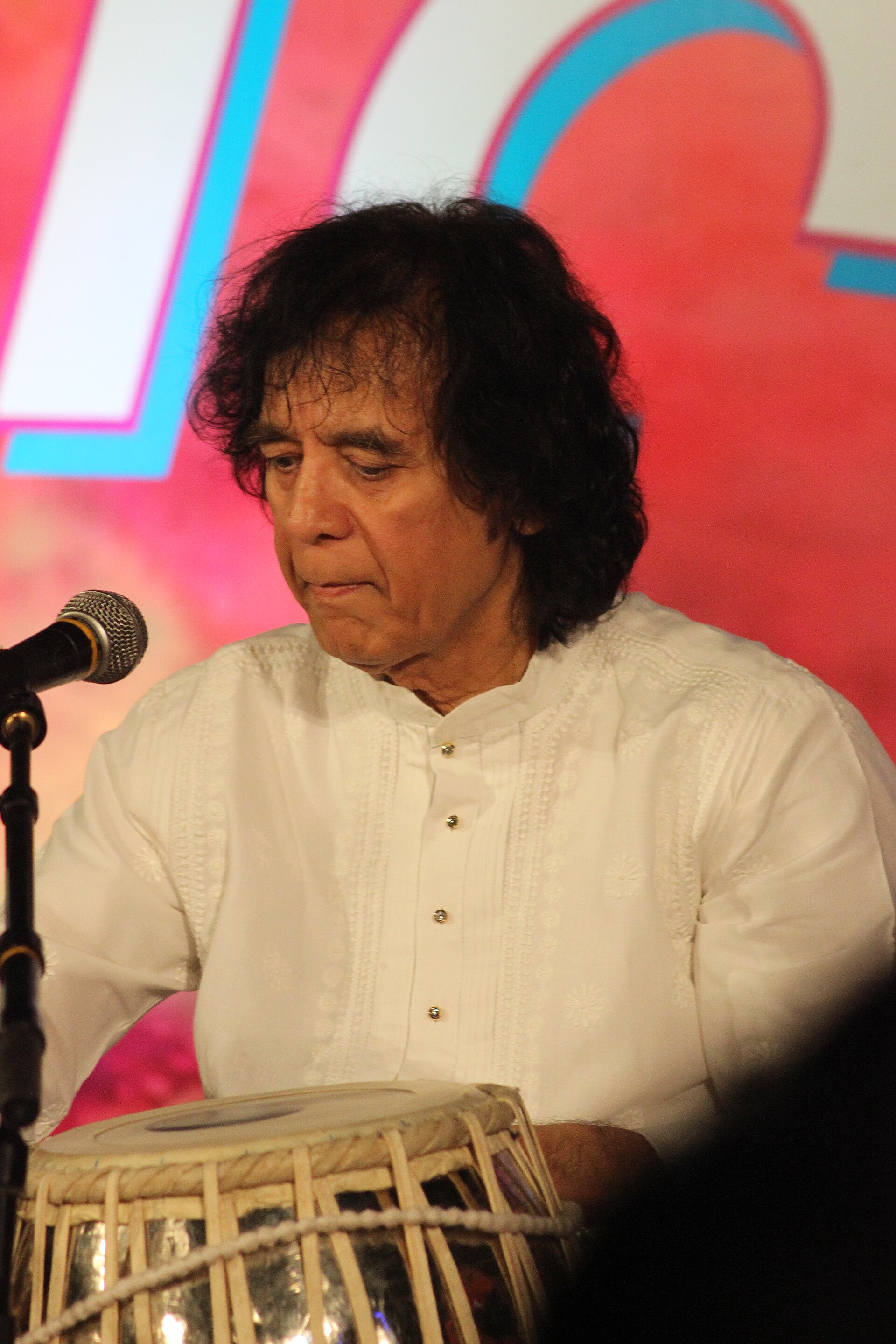 Ustad Zakir HussainCollaborator
Long-standing musical partner and co-founder of Tabla Beat Science.
Sultan Khan — Wikipedia Lata MangeshkarAccompanied on one documented occasion
The Guardian reports that she asked him to accompany her when she visited Rajkot, which led to his move to Bombay. Not a continuing partnership.
Sultan Khan obituary — The Guardian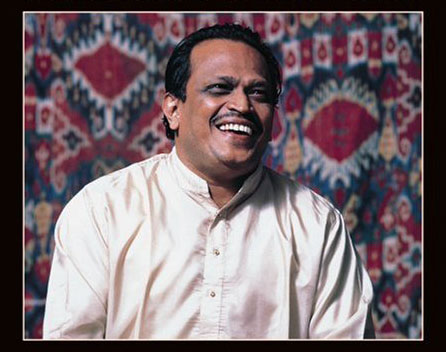 Pandit Prabhakar KarekarCollaborator
Joined Karekar and Ornette Coleman on a cross-genre recording.
Classical vocalist Karekar no more — The Times of India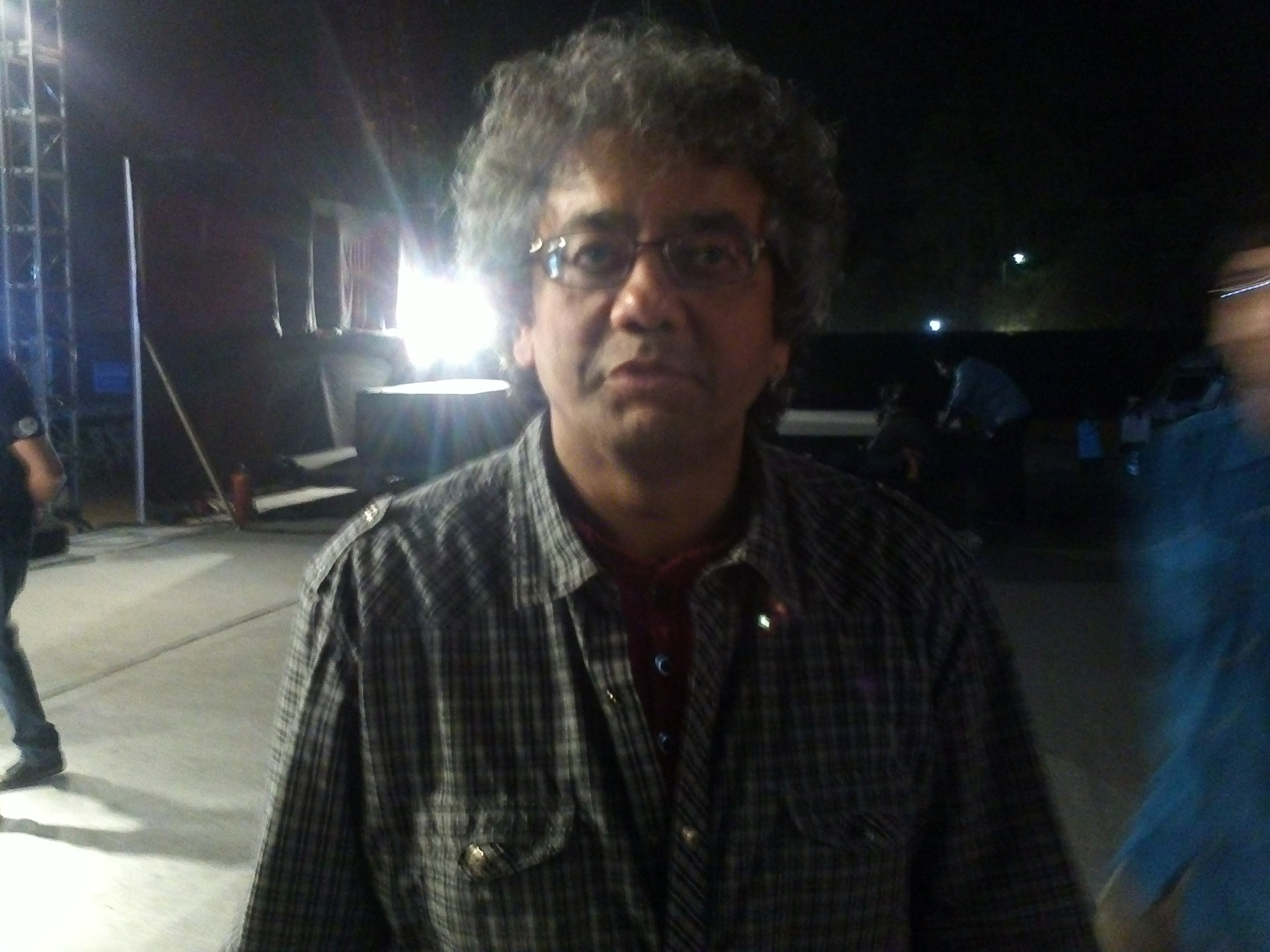 Ustad Taufiq QureshiCollaboratorMusical Background — taufiqqureshi.com (official)
Other recorded connections
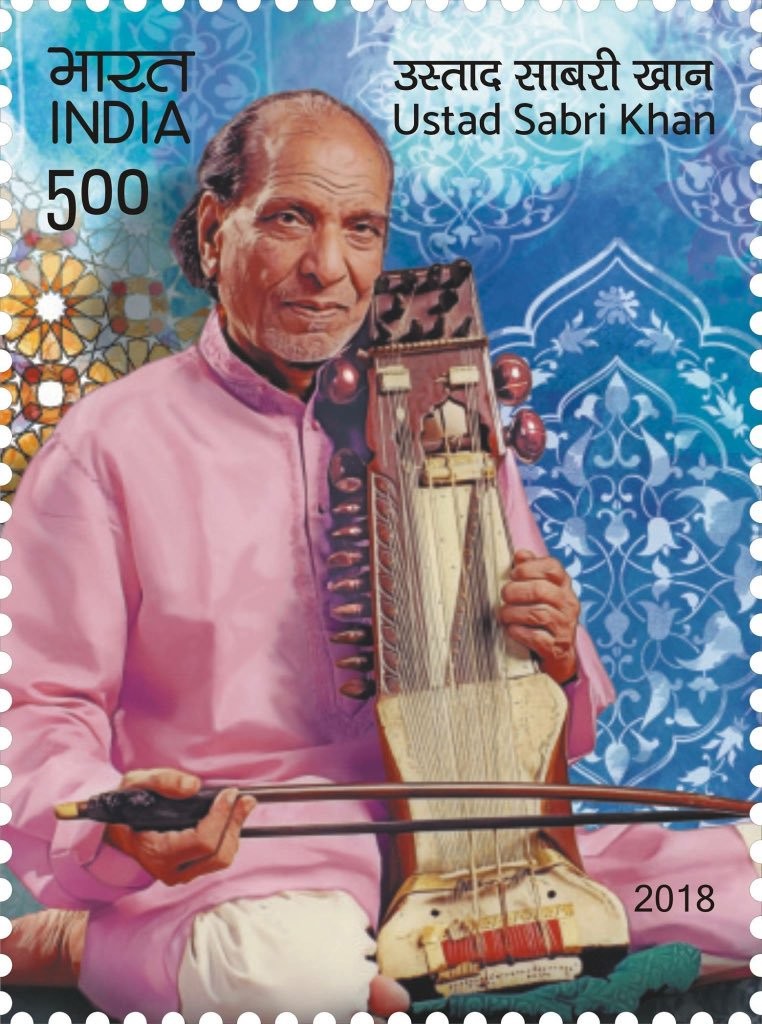 Ustad Sabri Khancontemporary sarangi master
Named alongside Ram Narayan and Sabri Khan among the senior sarangi players carried forward by later soloists.
Remembering Dhruba Ghosh, The Hindu
Recognition
Honours and recognition
Highest national honour first, then by year.
- 2010Padma Bhushan
- Sangeet Natak Akademi AwardYear not confirmed from an official source.
Writing
From the journal
Community
Memories from the community
Personal recollections, not verified history
These are memories shared by listeners and musicians. They sit apart from the sourced biography above, and an editor reads each one before it appears.
- No memories have been shared yet.
Members can share a memory of Ustad Sultan Khan. Sign in or create an account.
Provenance
Sources and image credits
- Sultan Khan — Wikipedia
- Sultan Khan obituary — The Guardian
- Sultan Khan, sarangi player, dies at 71 — The New York Times
- Sultan Khan — sarangi.net (Nicolas Magriel)
- Ustad Sultan Khan: 1940–2011 — World Music Network
Photograph: Bollywood Hungama, via Wikimedia Commons (CC BY 3.0)
Continue exploring