Hindustani classical · Born 1948
Pandit Vinayak Torvi
Khayal vocalist and teacher blending Gwalior and Kirana training with Agra and Jaipur influences and Kannada devotional repertoire.
- Instrument
- Khayal vocal
- Born
- 4 September 1948
Official website & social links
We have no checked official pages for Pandit Vinayak Torvi yet. Suggest an official link.
Where to start
Begin listening
Darbar Festival 2014 — full concert
Darbar Player
Publisher: recorded 21 September 2014, Southbank Centre, London. Kousic Sen tabla; Ajay Joglekar harmonium; Bharat Bhushan Goswami sarangi; Shruti Bhat and Priya Parkash tanpura. Subscription may be required; no media rehosted.
Raag Miyan Ki Malhar
Miyan Ki Malhar · darbarfestival
Artist, title and publisher confirmed by YouTube oEmbed. Performance date and accompanists not established; external listening only.
Recordings are embedded from official or authorised channels and never rehosted. Nothing plays on its own, and starting one closes another. Where an editor has added a note, it explains why that recording was chosen — not what happens inside it.
Biography
Life
Vinayak Torvi was born on 4 September 1948 into a family of keertankars in Dharwad. His father, Malhar Rao Torvi, was a harikatha performer, and the younger Torvi credits this early environment with preparing him for classical study. SwarGanga’s biography records initial lessons with Tammanna Gurav, Narayanachar Dandapur and Narayanrao Muzumdar before extended gurukula training under Gururao Deshpande.
Deshpande’s teaching gave him a Gwalior foundation and exposure to Agra gayaki. Study with Bhimsen Joshi deepened the Kirana strand. During postgraduate music education at Karnatak University he also received guidance from Mallikarjun Mansur, Basavaraj Rajguru and Gangubai Hangal. In his 2024 interview with Manjari Sinha he described this education as refinement rather than confusion: different teachers helped him develop a vocal approach capable of adapting to several styles.
Torvi’s khayal balances alap, laya and layakari with attention to the expressive character of the voice. His repertoire also includes abhangs, bhajans, vachanas and devarnamas. He specifically credits Mansur and Rajguru with teaching vachanas and discusses the need to shape a programme for different listeners and occasions. Agra and Jaipur influences are distinguished here from exclusive gharana membership or a separate formal apprenticeship.
Teaching and public conversations form another part of his work. Bangalore International Centre’s Legacy in Motion documents his discussion of the guru-shishya tradition with his disciple Dhananjay Hegde, while the Hindu interview names Dattatreya Velankar among his pupils. BIC identifies a Top-grade broadcasting career and the Sangeet Natak Akademi Award for 2019. A Darbar concert recorded at London’s Southbank Centre on 21 September 2014 preserves his singing with explicitly named accompanists. These are concert-specific credits, not permanent ensemble claims. Exact present living status is not established by the sources used here, and historical appearances are not presented as a current schedule.
Musical contribution
What they brought to music
Gwalior and Kirana khayal with Agra/Jaipur influences; alap, rhythmic elaboration, abhangs, bhajans, vachanas and devarnamas.
Lineage & company
Teachers, students and musical connections
People
Grouped by the kind of relationship the sources record — who taught this musician, who they taught, family, and the people they played with.
Teachers and gurus
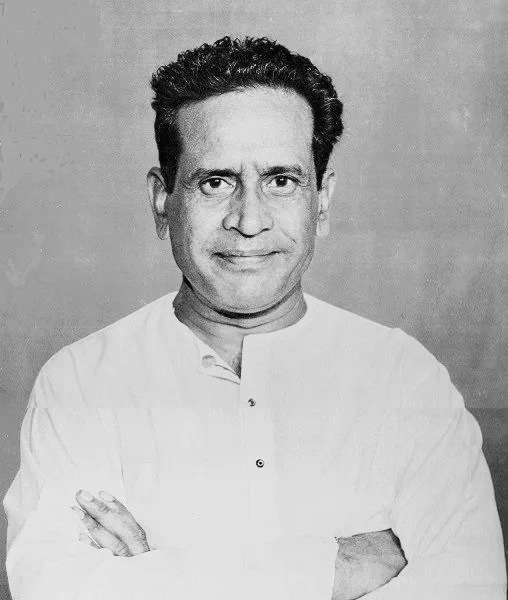 Pandit Bhimsen JoshiTeacher
Documented musical teaching; not an exclusive gharana claim.
Published musician biography / interview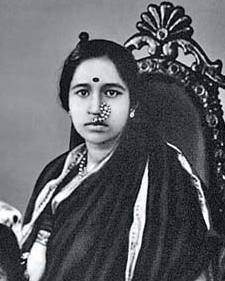 Gangubai HangalTeacher
Documented musical teaching; not an exclusive gharana claim.
Published musician biography / interview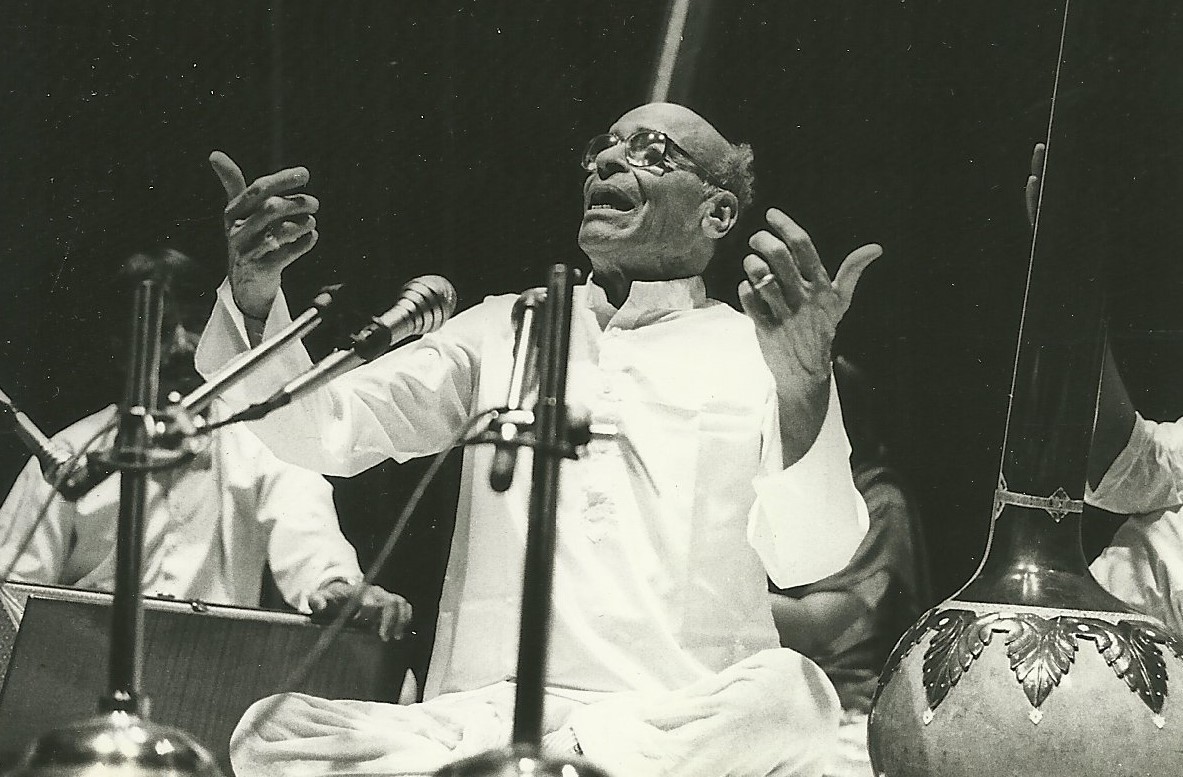 Pandit Mallikarjun MansurTeacher
Documented musical teaching; not an exclusive gharana claim.
Published musician biography / interview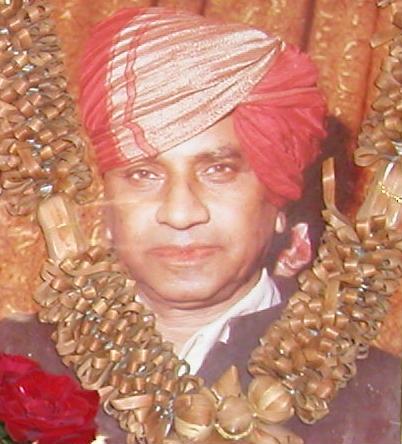 Pandit Basavaraj RajguruTeacher
Documented musical teaching; not an exclusive gharana claim.
Published musician biography / interview- Gururao DeshpandeTeacher
Gurukula education with a Gwalior foundation; no placeholder teacher profile.
The Hindu — Torvi interview - Gayanacharya Gururao DeshpandeTeacher
Documented musical teaching; separate from influence or concert attendance.
Musician biography / interview
Students and disciples
- Dhananjay HegdeStudent
Documented musical teaching; separate from influence or concert attendance.
Musician biography / interview - Dr. Dattatreya L. VelankarStudent
Documented musical teaching; separate from influence or concert attendance.
Musician biography / interview - Keerti Kumar BadseshiStudent
Documented vocal training; not an exclusive gharana claim.
Verified musician / organiser account - Siddhartha BelmannuStudent
Documented vocal training; not an exclusive gharana claim.
Verified musician / organiser account
Community
Memories from the community
Personal recollections, not verified history
These are memories shared by listeners and musicians. They sit apart from the sourced biography above, and an editor reads each one before it appears.
- No memories have been shared yet.
Members can share a memory of Pandit Vinayak Torvi. Sign in or create an account.
Provenance
Sources and image credits
- Manjari Sinha — Torvi interview, The Hindu, September 2024
- Bangalore International Centre — Legacy in Motion, August 2023
- SwarGanga — Vinayak Torvi musical biography
- Darbar Player — documented 2014 concert
No photograph of this musician is published here yet; we use only images we are permitted to show, with credit.
Continue exploring
- Kirana gharanaThe lineage Pandit Vinayak Torvi is associated with, and the other musicians documented within it.
- Gwalior gharanaThe lineage Pandit Vinayak Torvi is associated with, and the other musicians documented within it.
- The khayal vocalHow the instrument works, and who else in the archive plays it.
- All musiciansBrowse the archive by name, instrument or discipline.