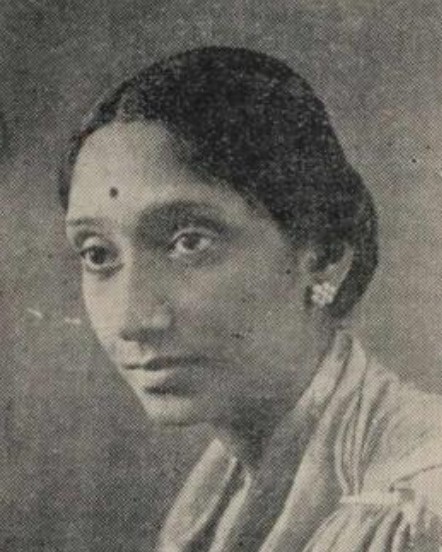
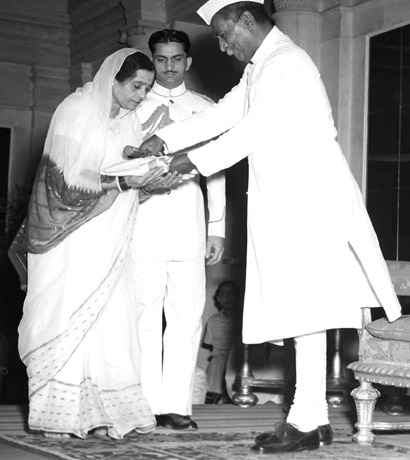
Photograph: The Indian Listener, 7 April 1937 — no photographer credited, public domain, via Wikimedia Commons
Hindustani classical · 1905–1989
Vidushi Hirabai Barodekar
The singer who took Hindustani classical music to a ticketed public audience, and opened that stage to women.
- Instrument
- Khayal vocal
- Gharana
- Kirana gharana
- Schools & gurukuls
- ITC Sangeet Research AcademyEarly faculty
- Born
- 29 May 1905, Miraj, Bombay Presidency
- Died
- 20 November 1989
- On these dates
- Accounts differ on her first public concert: Wikipedia says she was fifteen, under Kesarbai Kerkar's patronage, while The Better India says she was sixteen and performing in Bombay.
Official website & social links
We have no checked official pages for Vidushi Hirabai Barodekar yet. Suggest an official link.
Where to start
Begin listening
Tat Bitata Ghan Singar
Saregama Hindustani Classical
From the label's archive of her recordings.
Ata Tana Dere Na
Saregama Hindustani Classical
Recordings are embedded from official or authorised channels and never rehosted. Nothing plays on its own, and starting one closes another. Where an editor has added a note, it explains why that recording was chosen — not what happens inside it.
Biography
Life
Hirabai Barodekar was born at Miraj on 29 May 1905 and named Champakali, the eldest daughter of Ustad Abdul Karim Khan and Tarabai Mane. Her parents separated in 1922 and she received only limited teaching from her father; her first training came from her elder brother Sureshbabu Mane, and her later training from Abdul Wahid Khan, her father's cousin and a doyen of the Kirana gharana.
She gave her first public performance at fifteen, under the patronage of Kesarbai Kerkar, and remained active as a performer from about 1920 until 1980. She was the first artist in India to give ticketed concerts, and a pioneer of public concerts by women — a change in how classical music reached its audience as much as a personal career. She founded a music school for girls, the Nutan Sangeet Vidyalaya, which also staged plays, and appeared in films including Suvarna Mandir, Pratibha, Janabai and Municipality. She often performed with her younger sister Saraswati Rane. She recorded early and widely; her 78 rpm discs were later reissued.
On 15 August 1947 she sang Vande Mataram from the Red Fort in Delhi on the day of India's independence. She received the Sangeet Natak Akademi Award in 1965 and the Padma Bhushan in 1970, and was known by the title Gaanhira. She died on 20 November 1989. The annual Sureshbabu–Hirabai Smruti Sangeet Samaroh, begun by her disciple Prabha Atre in 1992, commemorates her and her brother.
Her mother Tarabai Mane was the daughter of Sardar Maruti Rao Mane, a brother of the Rajmata of the princely state of Baroda; Abdul Karim Khan was court musician at Baroda and taught her, and when the two married against her parents' wishes the couple had to leave the state. Of their five children, all five became known under the Mane and Badodekar names — Sureshbabu Mane, Krishnarao Mane, Hirabai, Kamalabai Badodekar and Saraswatibai Rane. The Rajan Parrikar Music Archive records that besides her brother and Abdul Wahid Khan she was trained by several eminent musicians of the day, among them Ramkrishnabuwa Vaze, Balkrishnabuwa Kapileshwari and Govindrao Tembe. She was equally at home in khayal, thumri, Marathi natya sangeet, bhajan and bhavgeet, and was highly regarded as a stage actress in Maharashtra and Goa; her rendition of the "taar sa" became a hallmark. Her disciples included Prabha Atre, Vrinda Limaye and Bakul Pandit as well as her sister Saraswati Rane. Writing on her death in November 1989, the critic Mohan Nadkarni called that year the darkest in the annals of Hindustani music, Hirabai being the last in a run of deaths within four months that also took Krishnarao Shankar Pandit, Ram Marathe, Bahadur Khan and Munawwar Ali Khan.
Musical contribution
What they brought to music
She sang khayal, thumri, Marathi natya sangeet and bhajan, and is credited with carrying Kirana singing to a much wider public than it had reached before. Her rendition of the sustained upper Sa — "taar Sa" — was a signature of her concerts. Her disciples include Saraswati Rane, Manik Varma, Prabha Atre, Malati Pande, Janaki Iyer, Shaila Pandit and Sulabha Thakar.
Life in dates
Timeline
1905
Born at Miraj
Born Champakali on 29 May.
1920
First public performance
Sang at fifteen under the patronage of Kesarbai Kerkar.
1947
Sang Vande Mataram at the Red Fort
On 15 August, the day of India's independence.
1965
Sangeet Natak Akademi Award
1970
Padma Bhushan
1989
Died
Died on 20 November.
Lineage & company
Teachers, students and musical connections
In the documented teaching trees
Where the archive's lineage research places Vidushi Hirabai Barodekar, and the teaching links recorded around them inside each tree.
Kirana gharana1905–1989
Daughter of Abdul Karim Khan; one of the first women from the tradition to sing widely in public concerts.
Taught in this tree by: Abdul Wahid Khan
Recorded as teaching: Prabha Atre
People
Grouped by the kind of relationship the sources record — who taught this musician, who they taught, family, and the people they played with.
Teachers and gurus
- Ustad Abdul Wahid KhanTeacher
"... and later training from the doyen of Kirana Gharana, Ustad Abdul Wahid Khan, who was a cousin of her father."
Wikipedia — Hirabai Barodekar - Ramkrishnabuwa VazeTeacher
Named by the Rajan Parrikar Music Archive among the eminent musicians who trained her.
Rajan Parrikar Music Archive — Hirabai Barodekar - Balkrishnabuwa KapileshwariTeacher
Named by the Rajan Parrikar Music Archive among her teachers.
Rajan Parrikar Music Archive — Hirabai Barodekar - Govindrao TembeTeacher
Named by the Rajan Parrikar Music Archive among her teachers.
Rajan Parrikar Music Archive — Hirabai Barodekar
Students and disciples
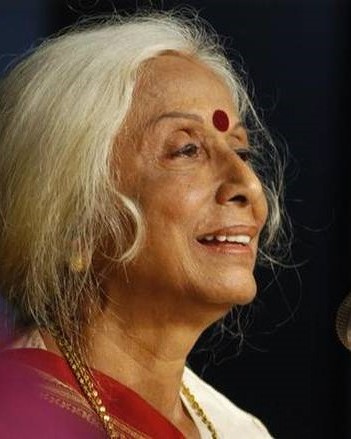 Prabha AtreDisciple
Named among her prominent disciples.
Wikipedia — Hirabai Barodekar- Manik VarmaDisciple
Named among her prominent disciples.
Wikipedia — Hirabai Barodekar - Vrinda LimayeDisciple
Named alongside Prabha Atre and Bakul Pandit among her students.
The Better India — The First Indian Woman To Hold a Concert
Family
- Sureshbabu ManeBrother and first teacher
"She had her initial training from her brother Sureshbabu Mane."
Wikipedia — Hirabai Barodekar 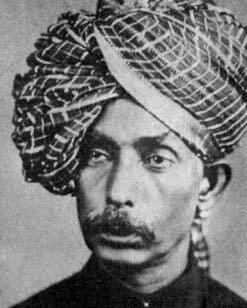 Ustad Abdul Karim KhanFather
Her article states she received only limited musical lessons from her father, after her parents separated in 1922.
Wikipedia — Hirabai Barodekar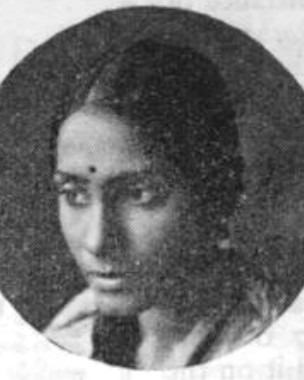 Saraswati RaneSister and disciple
Her younger sister, with whom she often performed, and named first among her disciples.
Wikipedia — Hirabai Barodekar- Tarabai ManeMother
Daughter of Sardar Maruti Rao Mane of the Baroda ruling family; taught by Abdul Karim Khan at the Baroda court before their marriage.
Wikipedia — Hirabai Barodekar - Kamalabai BadodekarSister
One of the five children of Abdul Karim Khan and Tarabai Mane.
Wikipedia — Hirabai Barodekar - Krishnarao ManeBrother
One of the five children of Abdul Karim Khan and Tarabai Mane.
Wikipedia — Hirabai Barodekar
Collaborators and accompanists
 Kesarbai KerkarPatron of her first concert
"Hirabai appeared in her first public performance under patronage of Kesarbai Kerkar at the age of 15." Not a teaching relationship.
Wikipedia — Hirabai Barodekar
Named on other pages
Musicians whose own pages record a connection with this one, in the words their sources use.
 Pandit Ajoy ChakrabartyTheir page records: Teacher
Named among the musicians he learned from beyond his principal gurus.
Schools, gurukuls and institutions
- ITC Sangeet Research Academy
Early faculty
Recognition
Honours and recognition
Highest national honour first, then by year.
- 1970Padma Bhushan
- 1965Sangeet Natak Akademi Award
- GaanhiraA title meaning "singing diamond".
Writing
From the journal
Community
Memories from the community
Personal recollections, not verified history
These are memories shared by listeners and musicians. They sit apart from the sourced biography above, and an editor reads each one before it appears.
- No memories have been shared yet.
Members can share a memory of Vidushi Hirabai Barodekar. Sign in or create an account.
Provenance
Sources and image credits
- Wikipedia — Hirabai Barodekar (retrieved 15 September 2026)
- Sahapedia — Hirabai Barodekar (retrieved 15 September 2026)
- Rajan Parrikar Music Archive — Hirabai Barodekar
- Mohan Nadkarni — Sui generis music of Hirabai (The Economic Times, 26 November 1989)
- The Better India — The First Indian Woman To Hold a Concert
Photograph: The Indian Listener, 7 April 1937 — no photographer credited, public domain, via Wikimedia Commons
Continue exploring
- Kirana gharanaThe lineage Vidushi Hirabai Barodekar is associated with, and the other musicians documented within it.
- The khayal vocalHow the instrument works, and who else in the archive plays it.
- ITC Sangeet Research AcademyThe school Vidushi Hirabai Barodekar is connected to — what it teaches and where it is.
- All musiciansBrowse the archive by name, instrument or discipline.