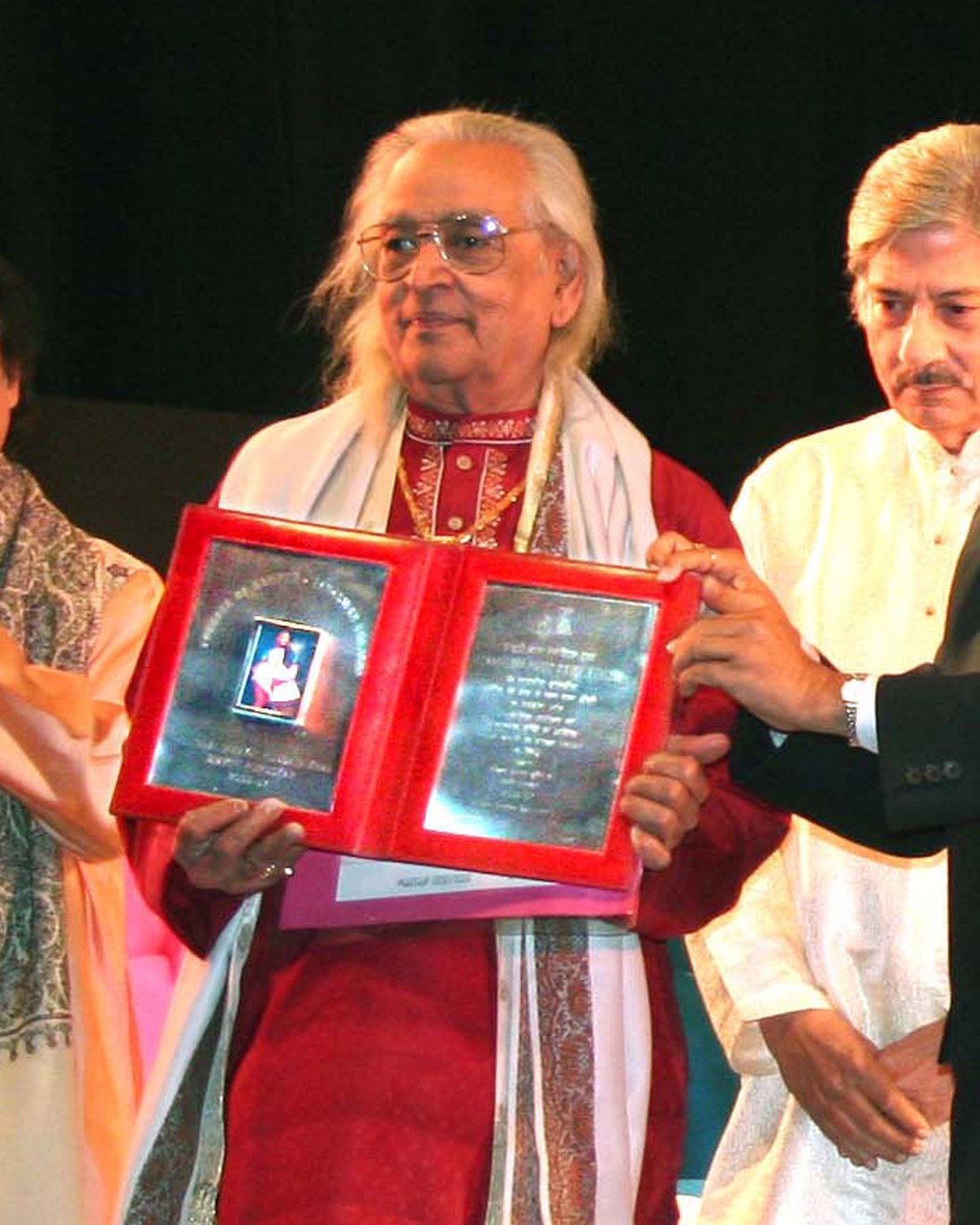
Hindustani classical · 1923–2008
Pandit Kishan Maharaj
The open-handed Banaras tabla, played with the authority of a soloist.
- Instrument
- Tabla
- Gharana
- Benares gharana (tabla)
- Schools & gurukuls
- Saptak School of MusicTeacher of the founder, named at its foundingAli Akbar College of MusicRecorded in the college archivePrayag Sangeet SamitiPerformed at the Samiti
- Born
- 3 September 1923, Banaras, Kabir Chaura, Banaras (Varanasi)
- Died
- 4 May 2008, Varanasi, Uttar Pradesh
Official website & social links
We have no checked official pages for Pandit Kishan Maharaj yet. Suggest an official link.
Where to start
Begin listening
Start here
Tabla solo in teentaal — Benares gharana
Sony Music India Classical
A label-published solo, presented as Benares gharana tabla in teentaal.
Recordings are embedded from official or authorised channels and never rehosted. Nothing plays on its own, and starting one closes another. Where an editor has added a note, it explains why that recording was chosen — not what happens inside it.
Biography
Life
Kishan Hari Maharaj was born on 3 September 1923 at Kabir Chaura in Banaras, into a Brahmin family of hereditary musicians. His father was Hari Maharaj and his mother Anjora Devi. Hari Maharaj began teaching him, but died when the boy was about six; his father's childless elder brother, Pandit Kanthe Maharaj, then adopted him and took over his training. Kanthe Maharaj was a disciple of Pandit Baldeo Sahai, grandson of Ram Sahai, the founder of the Banaras baaj — so Kishan Maharaj stood four generations from the source of the style. "Music was the only education allowed in my family," he once said.
He was performing publicly by about eleven. In 1944 he moved to Bombay, where the early going was hard; he played tabla for Sitara Devi in the film Badi Maa (1945) and appeared in others including Neecha Nagar and Aandhiyan. Within a few years he was sharing platforms with Faiyaz Khan, Omkarnath Thakur, Bade Ghulam Ali Khan, Bhimsen Joshi, Girija Devi, Ravi Shankar, Ali Akbar Khan and Vilayat Khan. He also gave sangat to the leading Kathak dancers of the day — Shambhu Maharaj, Sitara Devi, Gopi Krishna and Birju Maharaj — an important strand in Banaras accompaniment that is easily overlooked.
His Taal Vadya Kacheri performances with the Carnatic mridangam player Palghat R. Raghu were among his most admired work, setting the two percussion traditions in direct conversation. He toured widely, including the Commonwealth Arts Festival in Edinburgh in 1965, and shared stages with fellow tabla masters Samta Prasad — a relative through the Banaras families — Alla Rakha and Karamatullah Khan.
He chose to remain in Varanasi rather than settle in Bombay, taught there for decades, and was publicly active in the city's cultural life, at one point going on hunger strike to press for a Doordarshan centre in Banaras. His students include Kumar Bose, Sandeep Das, Sanju Sahai and Balkrishna Iyer, as well as his son Puran Maharaj.
He was admitted to hospital in Varanasi on 29 April 2008 after a paralytic attack and died there on 4 May 2008, aged eighty-four, survived by his wife Beena Devi, three daughters and his son. He had received the Padma Shri in 1973 and the Padma Vibhushan in 2002.
Musical contribution
What they brought to music
The Benares baaj is the open style — khula baaj — struck with the flat and full hand rather than worked with the fingertips, and descended in large part from the pakhawaj. Kishan Maharaj was its leading exponent in the second half of the twentieth century: enormous volume and attack, but with each stroke left distinct rather than smeared into the next.
What listeners singled out was his handling of cross-rhythm and of the tihai — a phrase repeated three times so that its final stroke lands exactly on the sam. He would set a pattern running against the cycle, hold it through calculations that sounded impossible to keep track of, and arrive home precisely; audiences often recognised the resolution a beat before it came, which is part of the pleasure.
He was also a noted player of the bayan, the bass drum, shaping its pitch under the heel of his hand until phrases seemed to speak. He drew freely on the bols of Kathak dance and of the pakhawaj, widening the solo repertoire and making the case, concert by concert, that the tabla could hold a stage on its own.
Life in dates
Timeline
1923
Born in Banaras
Born on 3 September at Kabir Chaura, into a hereditary family of musicians.
c. 1934
First public performance
Plays in public at about eleven, after training with his uncle Kanthe Maharaj.
1950s–1990s
Accompanies the leading soloists
Plays for Ravi Shankar, Vilayat Khan, Ali Akbar Khan, Bhimsen Joshi and Girija Devi among others.
1973
Padma Shri
Awarded by the Government of India.
1984
Sangeet Natak Akademi Award
Recognised for Hindustani instrumental music.
2002
Padma Vibhushan
India's second-highest civilian honour.
2008
Dies in Varanasi
Dies on 4 May, aged eighty-four.
In pictures
Photographs
Lineage & company
Teachers, students and musical connections
In the documented teaching trees
Where the archive's lineage research places Pandit Kishan Maharaj, and the teaching links recorded around them inside each tree.
Benares gharana (tabla)1923–2008
A commanding soloist and the central Benares figure of his generation.
Taught in this tree by: Kanthe Maharaj
Recorded as teaching: Kumar Bose
People
Grouped by the kind of relationship the sources record — who taught this musician, who they taught, family, and the people they played with.
Teachers and gurus
- Pandit Ram SahaiFounder of his gharana
Shaped the Benares baaj in the early nineteenth century; the tradition he inherited, not a personal teacher.
Benares gharana — Wikipedia
Students and disciples
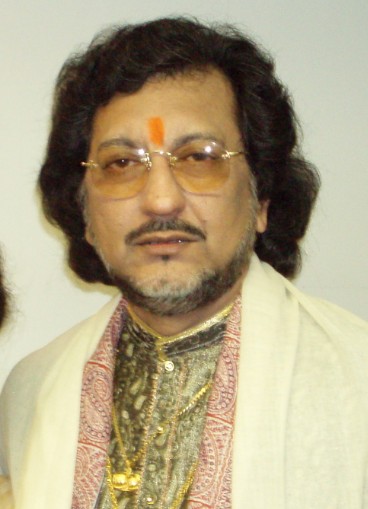 Kumar BoseStudent
Tabla player.
Kishan Maharaj — Wikipedia- Pandit Sandeep DasStudent
Named among his tabla students.
Wikipedia — Kishan Maharaj 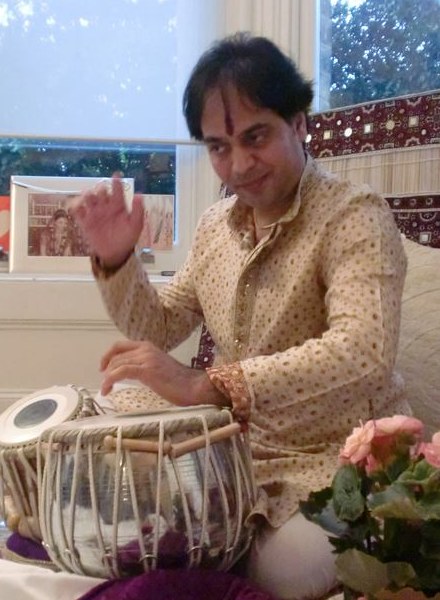 Pandit Sanju SahaiStudent
Named among his tabla students.
Wikipedia — Kishan Maharaj
Family
- Hari MaharajFather and first teacher
Died while Kishan Maharaj was young.
Kishan Maharaj — Wikipedia - Pandit Kanthe MaharajUncle and teacher
Leading Benares gharana tabla player, who trained him.
Kishan Maharaj — Wikipedia - Puran MaharajSon and student
Tabla player.
Kishan Maharaj — Wikipedia
Collaborators and accompanists
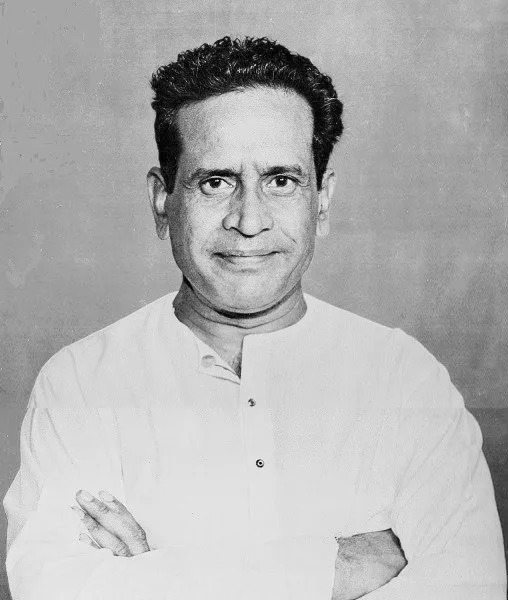 Pandit Bhimsen Joshiaccompanied
Named among the singers he accompanied.
The Independent — Kishan Maharaj obituary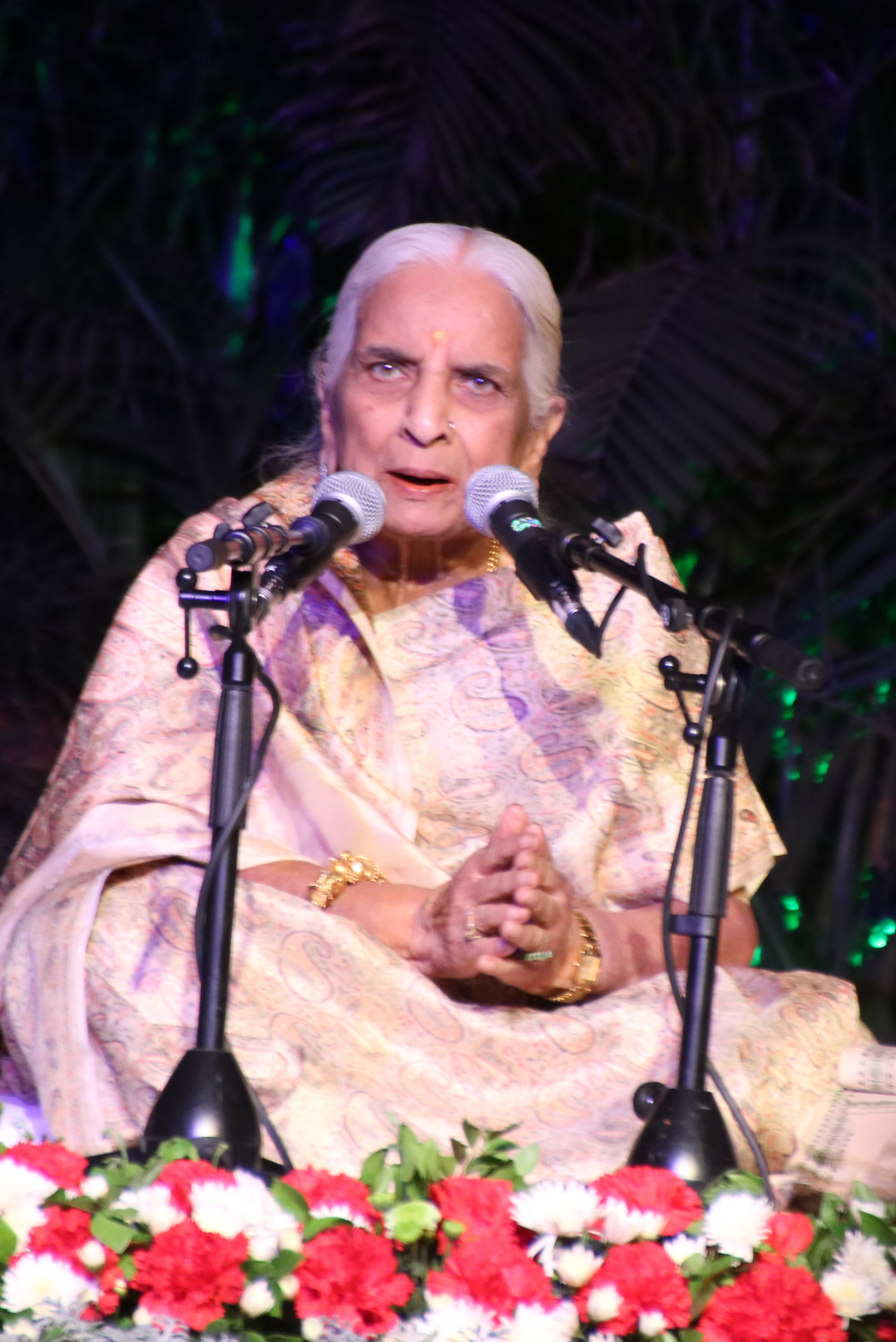 Vidushi Girija Deviaccompanied
Named among the singers he accompanied.
The Independent — Kishan Maharaj obituary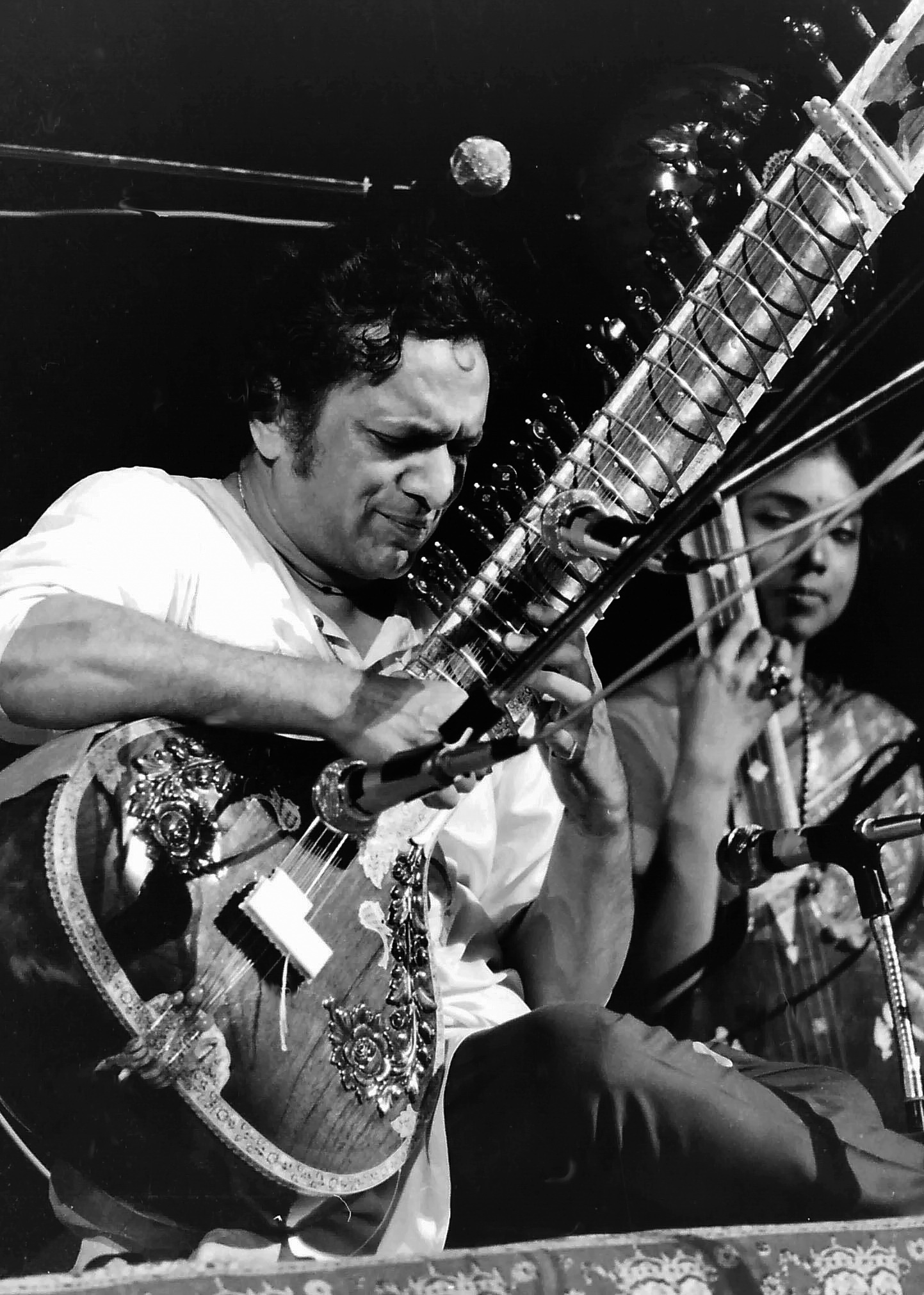 Pandit Ravi Shankaraccompanied
Named among the instrumentalists he accompanied.
The Independent — Kishan Maharaj obituary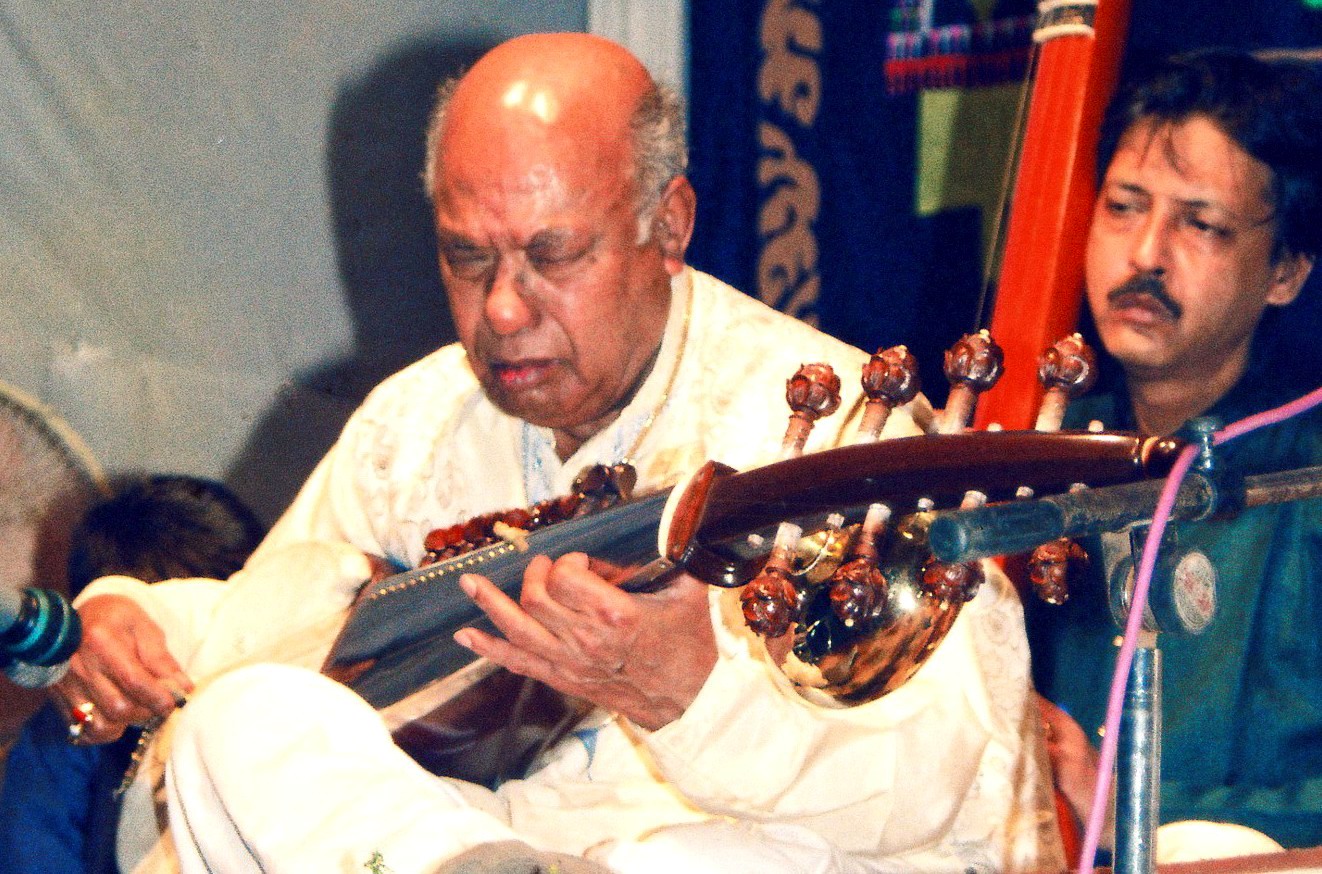 Ustad Ali Akbar Khanaccompanied
Named among the instrumentalists he accompanied.
The Independent — Kishan Maharaj obituary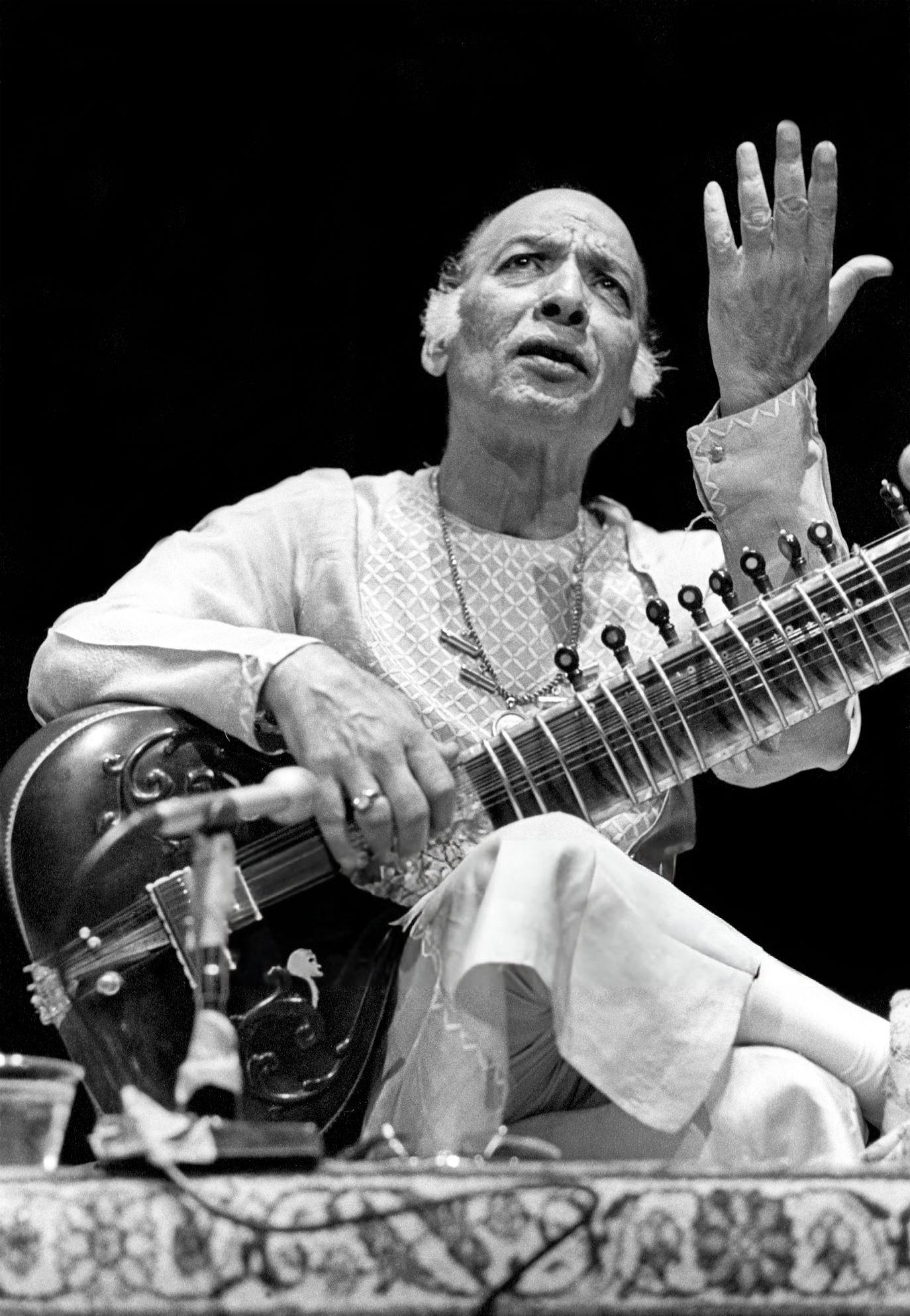 Ustad Vilayat Khanaccompanied
Named among the instrumentalists he accompanied.
Wikipedia — Kishan Maharaj- Pandit Birju Maharajaccompanied in dance
Gave sangat to him among the leading Kathak dancers of the period.
Wikipedia — Kishan Maharaj - Palghat R. RaghuCollaborator
Taal Vadya Kacheri performances setting Banaras tabla against Carnatic mridangam.
Wikipedia — Kishan Maharaj
Schools, gurukuls and institutions
- Saptak School of Music
Teacher of the founder, named at its founding
- Ali Akbar College of Music
Recorded in the college archive
- Prayag Sangeet Samiti
Performed at the Samiti
Recognition
Honours and recognition
Highest national honour first, then by year.
- 2002Padma Vibhushan
- 1973Padma Shri
- 1984Sangeet Natak Akademi Award
Writing
From the journal
Community
Memories from the community
Personal recollections, not verified history
These are memories shared by listeners and musicians. They sit apart from the sourced biography above, and an editor reads each one before it appears.
- No memories have been shared yet.
Members can share a memory of Pandit Kishan Maharaj. Sign in or create an account.
Provenance
Sources and image credits
- Kishan Maharaj — Wikipedia
- Kishan Maharaj obituary — The Independent
- The Times of India — Tabla maestro Pandit Kishan Maharaj no more
Photograph, Ministry of Information & Broadcasting, Government of India, Kolkata, 9 December 2006 (detail) — Government Open Data Licence — India, via Wikimedia Commons
Continue exploring
- Benares gharana (tabla)The lineage Pandit Kishan Maharaj is associated with, and the other musicians documented within it.
- The tablaHow the instrument works, and who else in the archive plays it.
- Saptak School of MusicThe school Pandit Kishan Maharaj is connected to — what it teaches and where it is.
- All musiciansBrowse the archive by name, instrument or discipline.