Hindustani classical · born 1953
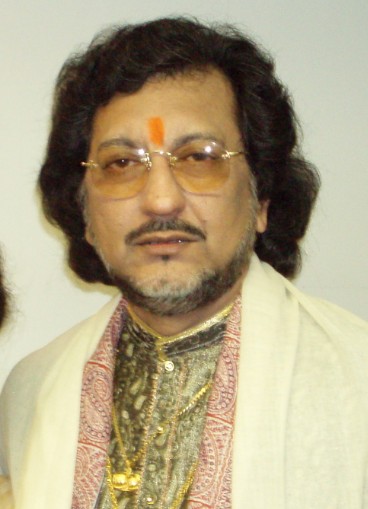
Pandit Kumar Bose
Banaras power, and a bayan that sings.
- Instrument
- Tabla
- Gharana
- Benares gharana (tabla)
- Born
- 4 April 1953, Kolkata
Official website & social links
We have no checked official pages for Pandit Kumar Bose yet. Suggest an official link.
Where to start
Begin listening
Tabla solo at the Bengal Classical Music Festival
Performed 2012 · 37:55 · Bengal Foundation
Festival organiser's own channel; the title gives the performance year as 2012, while the upload is from 2024. Taal and accompanists are not stated.
Watch on YouTubeUploaded 2024-01-02
Tabla solo, Banaras gharana — Darbar Festival
darbarfestival
Filmed and released by the festival itself, so both the sound and the provenance are reliable.
Tabla duet with Pandit Anindo Chatterjee — Darbar Festival
darbarfestival
The pairing with Anindo Chatterjee that audiences know as the "kings of tabla" duet.
Recordings are embedded from official or authorised channels and never rehosted. Nothing plays on its own, and starting one closes another. Where an editor has added a note, it explains why that recording was chosen — not what happens inside it.
Biography
Life
Kumar Bose was born in Kolkata on 4 April 1953 into a working musical household. His father, Pandit Biswanath Bose, was a tabla player and gave him his first lessons; his mother, Vidushi Bharati Bose, was a sitarist who had studied with Dabir Khan and Ali Akbar Khan and who won the President's Award for sitar in 1956. His brothers Jayanta Bose and Debojyoti Bose became a harmonium player and composer and a sarod player respectively. Alongside tabla he was taught vocal music, harmonium, pakhawaj, khol, dhol and nal — unusually broad grounding for a percussionist, and audible later in how he shapes a melodic line on the bayan.
After his father's early death he became a disciple of Pandit Kishan Maharaj of Varanasi, which placed him squarely in the Banaras gharana. He played his first public concert at four and was performing abroad by fourteen. From 1984 he toured for about ten years as Ravi Shankar's tabla accompanist, appearing at the Royal Albert Hall and the Barbican, the Kremlin, Carnegie Hall and Lincoln Center, and in orchestral projects conducted by Ravi Shankar, Yehudi Menuhin and Zubin Mehta. He has also worked extensively with kathak dancers and in film.
He received the Sangeet Natak Akademi Award in 2007 and the Padma Shri in 2026. His life and working method are the subject of the narrated memoir Tablawala, introduced by the tabla player and historian Aneesh Pradhan, who describes him as a torchbearer of the Banaras gharana whose tonal quality is immediately recognisable.
On accompaniment he is blunt: "As an accompanist it is my moral duty to give top priority to the main artiste. Playing solo is a different game… then I am a royal Bengal tiger." He repeats, in interviews, that layadaari — command of tempo — and taaldaari matter as much to a performance as the soloist's raagdaari.
Musical contribution
What they brought to music
The Banaras baaj is an open-hand style, and Kumar Bose plays it at full strength: broad, ringing strokes with the flat of the hand, the chant-like khuli bols of the pakhawaj-derived repertoire, and solo forms such as uthan, gat and paran delivered with considerable force. The thing most often singled out, though, is the opposite quality — his control of the bayan, the bass drum, where the sliding meend gives the line a vocal shape. In duet he sets that Banaras openness against other schools; his meetings with Pandit Anindo Chatterjee are a straightforward way to hear Banaras and Farrukhabad side by side.
Lineage & company
Teachers, students and musical connections
In the documented teaching trees
Where the archive's lineage research places Pandit Kumar Bose, and the teaching links recorded around them inside each tree.
Benares gharana (tabla)born 1953
Leading Benares player of the contemporary generation.
Taught in this tree by: Kishan Maharaj
People
Grouped by the kind of relationship the sources record — who taught this musician, who they taught, family, and the people they played with.
Teachers and gurus
 Pandit Kishan MaharajGuru
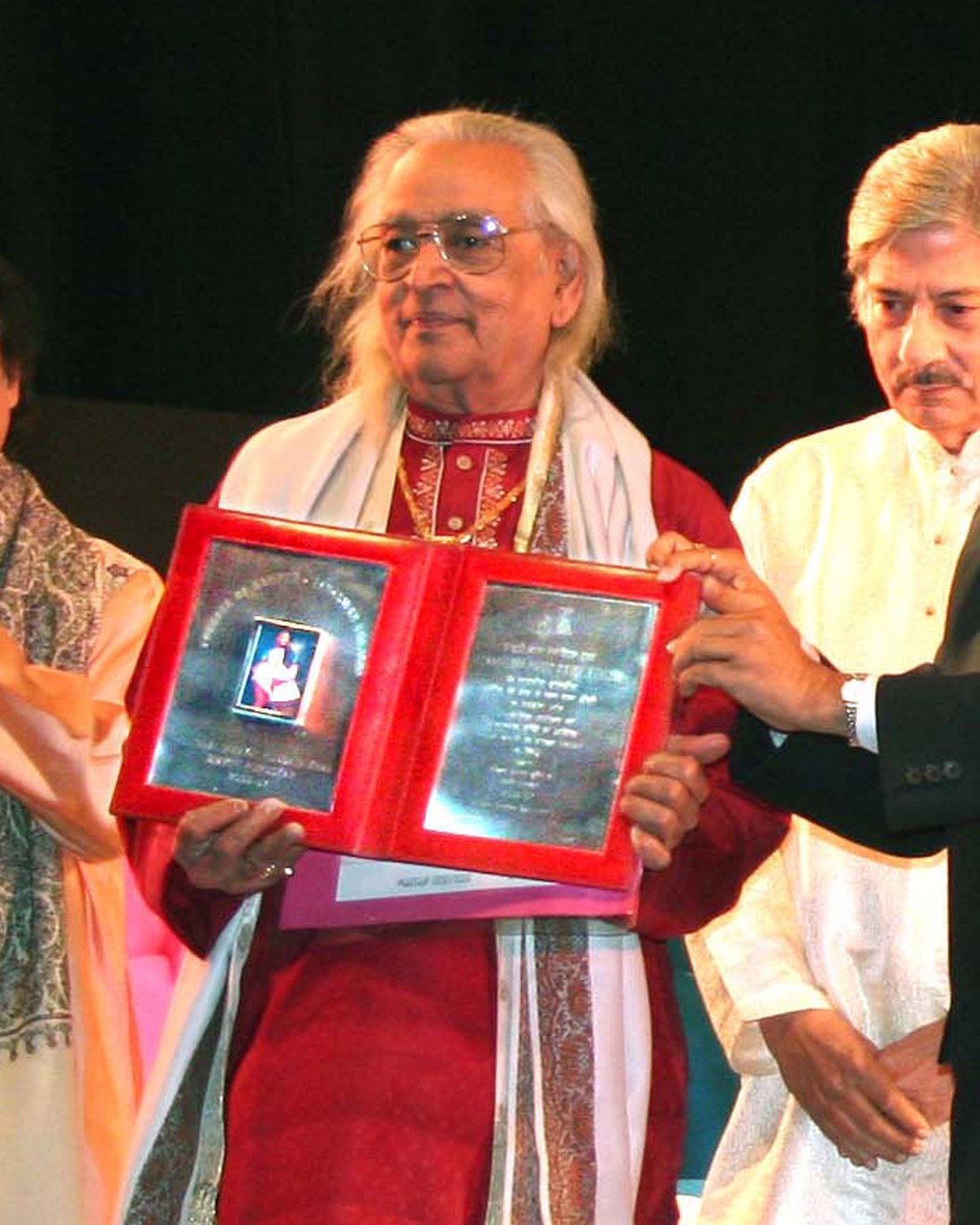
Trained him in the Banaras gharana after his father's death.
Kumar Bose — Wikipedia
Family
- Biswanath BoseFather and first teacher
Tabla player; taught him until his early death.
Kumar Bose — Wikipedia - Bharati BoseMother
Sitarist, disciple of Dabir Khan and Ali Akbar Khan; President's Award for sitar, 1956.
Kumar Bose — Wikipedia - Debojyoti BoseBrother
Sarod player and music director.
Kumar Bose — Wikipedia - Jayanta BoseBrother
Harmonium soloist, tabla player, composer and singer; the third musician of the Bose household.
Kumar Bose — Wikipedia
Collaborators and accompanists
 Pandit Ravi ShankarLongtime accompanist
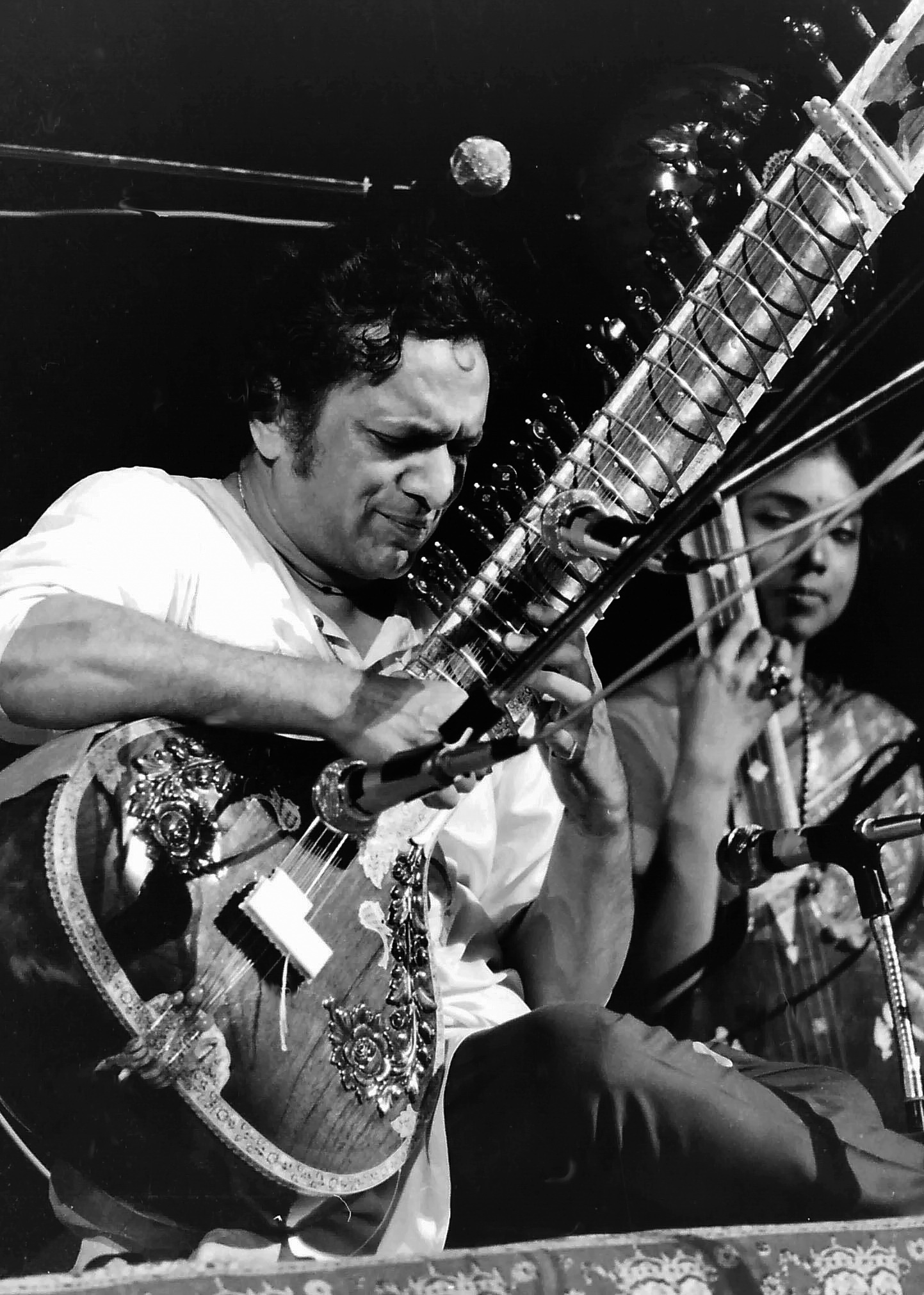
Toured as his tabla accompanist for about ten years from 1984.
Ali Akbar Khan Centennial — Kumar Bose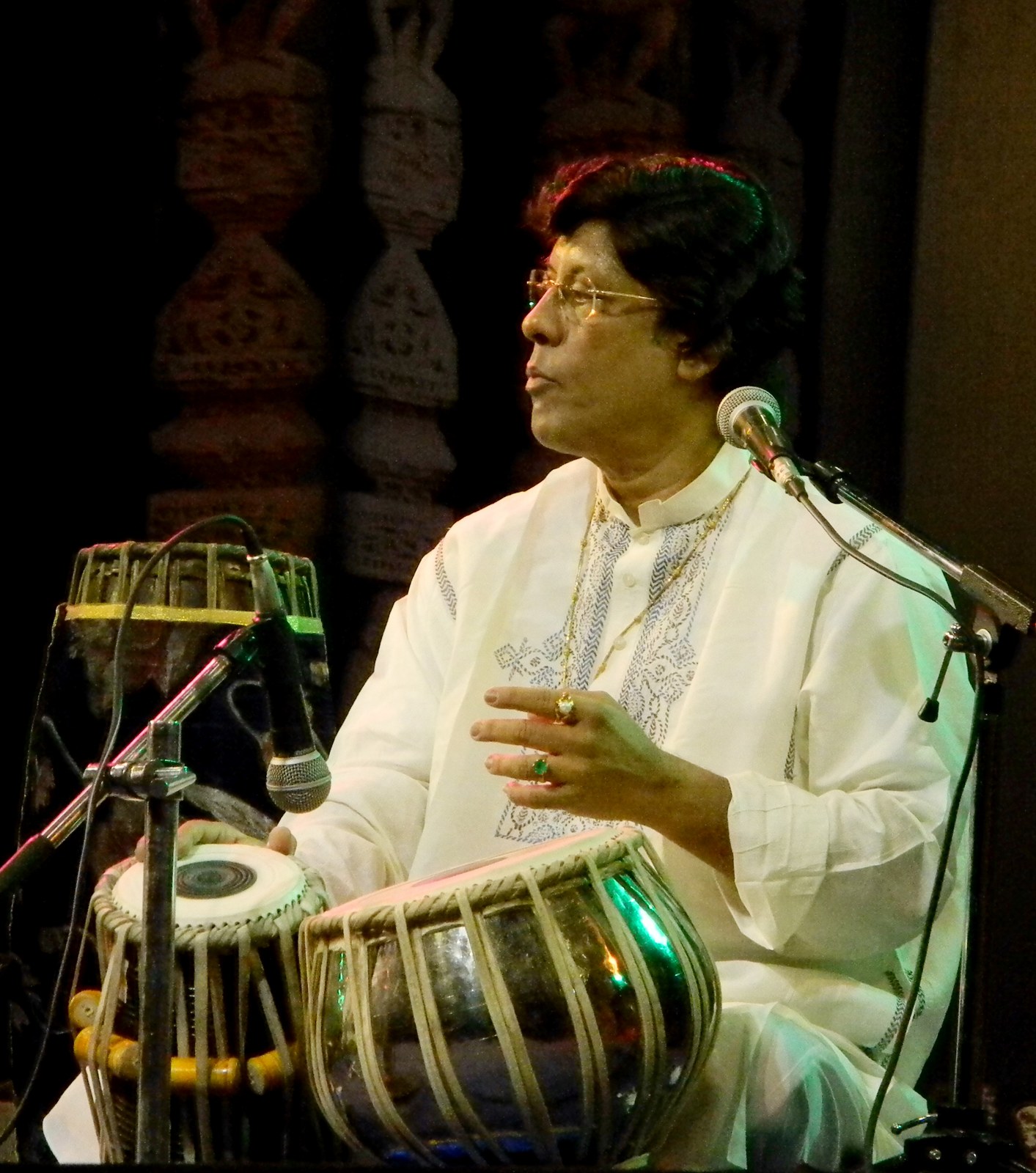 Pandit Anindo ChatterjeeDuet partner
Tabla duets setting Banaras against Farrukhabad.
The Hindu, "An accompanist is like a soldier"
Influence
- Ojas AdhiyaCited as an influence by
Ojas Adhiya names him among the modern tabla players who shaped his approach.
Darbar — Ojas Adhiya
Recognition
Honours and recognition
Highest national honour first, then by year.
- 2026Padma ShriReported by secondary sources; pending confirmation against the official citation.
- 2007Sangeet Natak Akademi AwardFor tabla.
Writing
From the journal
Community
Memories from the community
Personal recollections, not verified history
These are memories shared by listeners and musicians. They sit apart from the sourced biography above, and an editor reads each one before it appears.
- No memories have been shared yet.
Members can share a memory of Pandit Kumar Bose. Sign in or create an account.
Provenance
Sources and image credits
- Kumar Bose — Wikipedia
- Aneesh Pradhan, introduction to "Tablawala: A Narrated Memoir", Scroll.in
- "An accompanist is like a soldier: Pandit Kumar Bose", The Hindu
- Pandit Kumar Bose — Darbar Festival artist page
- "This honour belongs to my gurus, family and audience": Pt Kumar Bose on the Padma Shri — The Times of India, 27 January 2026
Photograph by Bhaswati Bhattacharya, Barbican Theatre, London, July 2007; public domain, via Wikimedia Commons
Continue exploring