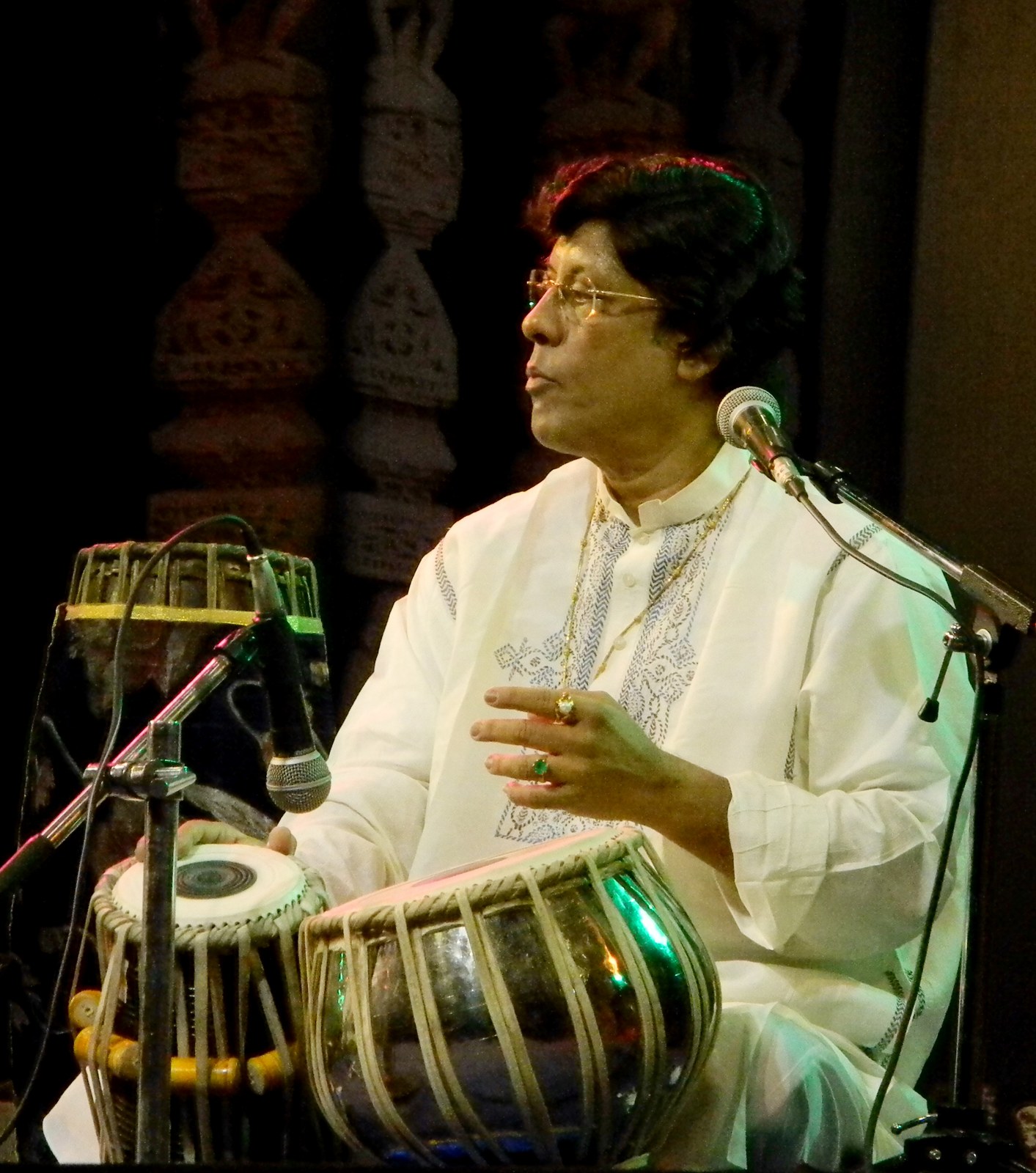
Hindustani classical · born 1954
Pandit Anindo Chatterjee
Speed with every stroke still audible.
- Instrument
- Tabla
- Gharana
- Farrukhabad gharana
- Born
- 1954, Kashimpur, Kashimpur, North 24 Parganas, West Bengal
Official website & social links
We have no checked official pages for Pandit Anindo Chatterjee yet. Suggest an official link.
Where to start
Begin listening
Tabla duet with Pandit Kumar Bose
darbarfestival
Tabla duet performance filmed at Darbar Festival.
Raag Jog with Rakesh Chaurasia
Jog · darbarfestival
Accompanying bansuri; filmed at Darbar Festival.
Raag Jog (part two) with Pandit Shivkumar Sharma
Jog · darbarfestival
Accompanying santoor; filmed at Darbar Festival.
Recordings are embedded from official or authorised channels and never rehosted. Nothing plays on its own, and starting one closes another. Where an editor has added a note, it explains why that recording was chosen — not what happens inside it.
Biography
Life
Anindo Chatterjee was born into a musical family in Bengal. Wikipedia gives 30 May 1954 at Kashimpur in North 24 Parganas; Sruti gives 1953 and places the family in Kolkata. No independent source settles it, so treat the date as unsettled.
Music surrounded him at home. He began tabla at five after watching his uncle Biswanath Chatterjee play; another uncle, Debiprasad Chatterjee, was a sitarist, and his younger sister Keka performs sitar solos. In the same year he became All India Radio's youngest performing artist. His first tabla teacher was Ustad Afaq Hussain Khan of the Lucknow gharana, briefly; he then entered the gurukul of Pandit Jnan Prakash Ghosh, with whom he studied for some thirty years in the grammar of the Farrukhabad gharana before widening his vocabulary across other traditions. He was, by one account, blessed by Ustad Amir Khan at ten.
From 1972 he performed as soloist and accompanist internationally. His longest and most celebrated partnership was with the sitarist Pandit Nikhil Banerjee, but the list of soloists he has sat behind runs across instruments and both classical systems: Ravi Shankar, Imrat Khan, Budhaditya Mukherjee, Rais Khan, Shahid Parvez and Manilal Nag on sitar; Ali Akbar Khan, Amjad Ali Khan, Buddhadev Das Gupta and Tejendra Narayan Majumdar on sarod; Hariprasad Chaurasia on bansuri; Shivkumar Sharma on santoor; Mallikarjun Mansur and Gangubai Hangal singing. He has played in more than sixty countries, at Carnegie Hall, the Royal Albert Hall and the Sydney Opera House, was in 1989 the youngest tabla player to perform at the House of Commons, and played at Rashtrapati Bhavan during President Obama's 2010 visit. At the Darbar Festival he gave a solo in 2006, a duet with Pandit Kumar Bose in 2016 and a duet with his son in 2024.
Alongside performance he teaches, researches and makes tabla. His students include Bhooshan Munja, Anindo Gangopadhyay, Sanjay Jhalla and Anil Datar. His son Anubrata Chatterjee, born 1985, trained with him and was the last ganda-bandh disciple of Jnan Prakash Ghosh; father and son now often play in duet.
He received the President's Award in 1970 and the Sangeet Natak Akademi Award in 2002. In January 2022 he publicly declined the Padma Shri, saying he would have accepted it ten years earlier. That July the West Bengal government conferred the Banga Bibhushan on him.
Musical contribution
What they brought to music
Two things are named in almost every description of his playing: speed, and the clarity of each bol within it. Nothing blurs. The foundation is Farrukhabad — its open, resonant compositions and intricate structure — but the vocabulary draws on Lucknow, Punjab and Ajrada as well, a breadth he attributes to Jnan Prakash Ghosh's cross-gharana scholarship.
His accompaniment list is close to a roll-call of the era: Nikhil Banerjee, Imrat Khan, Budhaditya Mukherjee and Rais Khan on sitar; Ali Akbar Khan and Buddhadev Das Gupta on sarod; Mallikarjun Mansur and Gangubai Hangal singing; Hariprasad Chaurasia on bansuri; Shivkumar Sharma on santoor. To that he adds a teaching lineage and an uncommon sideline as a maker of the instrument itself.
Life in dates
Timeline
1954
Born in Bengal
Sources differ between 1953 and 30 May 1954.
c. 1959
Begins tabla at five
Trains under Ustad Afaq Hussain Khan; becomes All India Radio's youngest performing artist.
1972
Begins performing internationally
As both soloist and accompanist.
1989
Plays the House of Commons
The youngest tabla player to have done so.
2006
Darbar Festival solo
Performs solo in London.
2016
Jugalbandi with Kumar Bose
Tabla duet at the Darbar Festival.
In pictures
Photographs
Lineage & company
Teachers, students and musical connections
In the documented teaching trees
Where the archive's lineage research places Pandit Anindo Chatterjee, and the teaching links recorded around them inside each tree.
Farrukhabad gharana (tabla)born 1954
A leading Farrukhabad player and teacher.
Taught in this tree by: Jnan Prakash Ghosh
People
Grouped by the kind of relationship the sources record — who taught this musician, who they taught, family, and the people they played with.
Teachers and gurus
 Pandit Jnan Prakash GhoshPrincipal teacher
Some thirty years of training in the Farrukhabad gharana.
Pandit Anindo Chatterjee — Darbar- Ustad Afaq Hussain KhanFirst teacher
Lucknow gharana; taught him from the age of five.
Anindo Chatterjee — Ali Akbar Khan Centennial
Family
- Pandit Biswanath ChatterjeeUncle
Watching him play prompted Anindo to start tabla at five. Family, not his teacher.
The Sruti Foundation - Keka ChatterjeeSister
Performs sitar solos.
The Sruti Foundation - Debiprasad ChatterjeeUncle
A sitar player in the same family.
The Sruti Foundation - Anubrata ChatterjeeSon and student
Born 1985; the last ganda-bandh disciple of Jnan Prakash Ghosh, and a frequent duet partner.
Anubrata Chatterjee — Wikipedia
Collaborators and accompanists
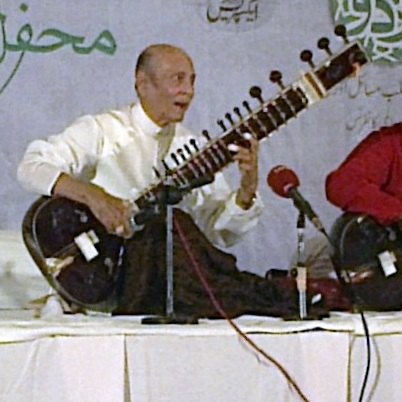 Ustad Rais KhanAccompanied
Named among the sitarists he has worked with.
Wikipedia — Anindo Chatterjee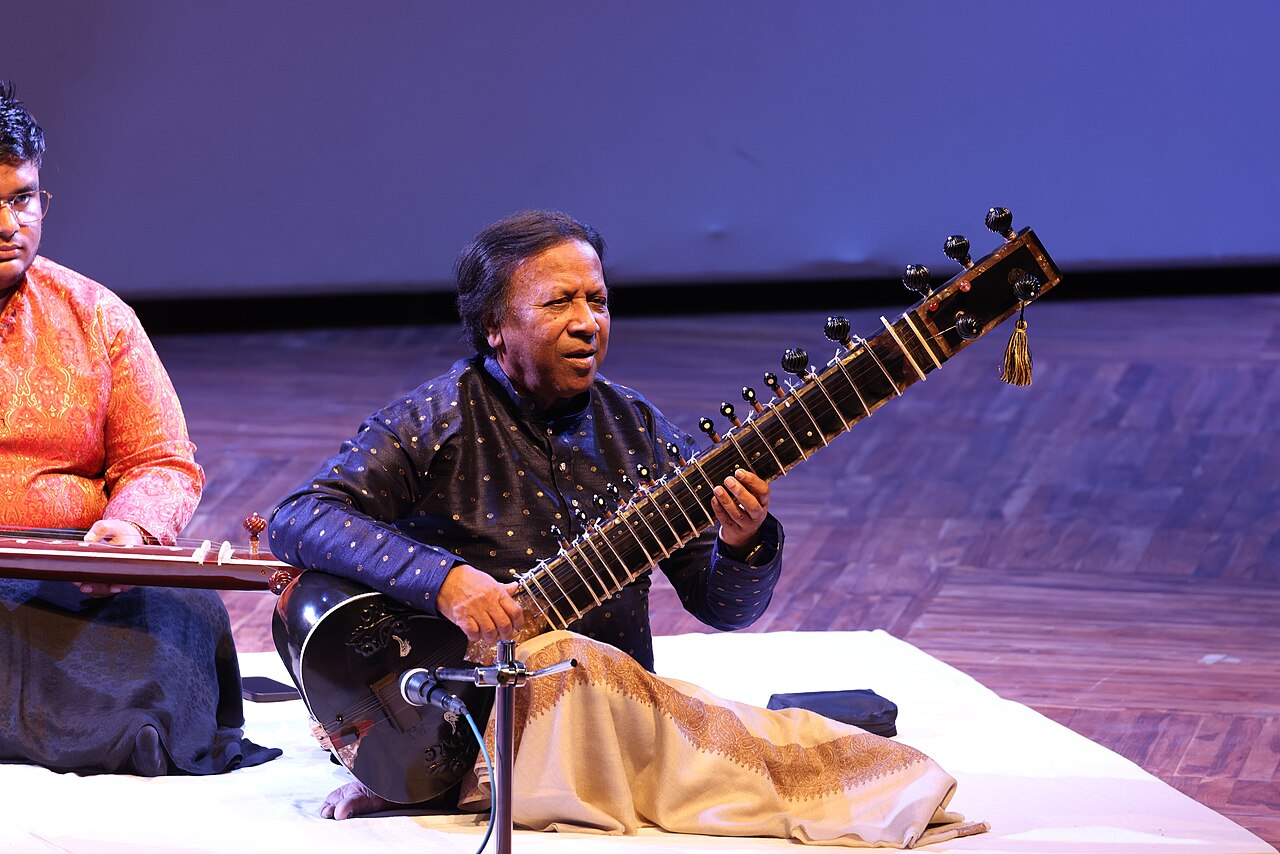 Ustad Shahid Parvez KhanAccompanied
Named among the sitarists he has worked with.
Wikipedia — Anindo Chatterjee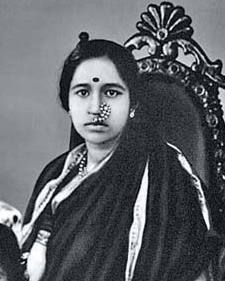 Gangubai HangalAccompanied
Named among the vocalists he has worked with.
Wikipedia — Anindo Chatterjee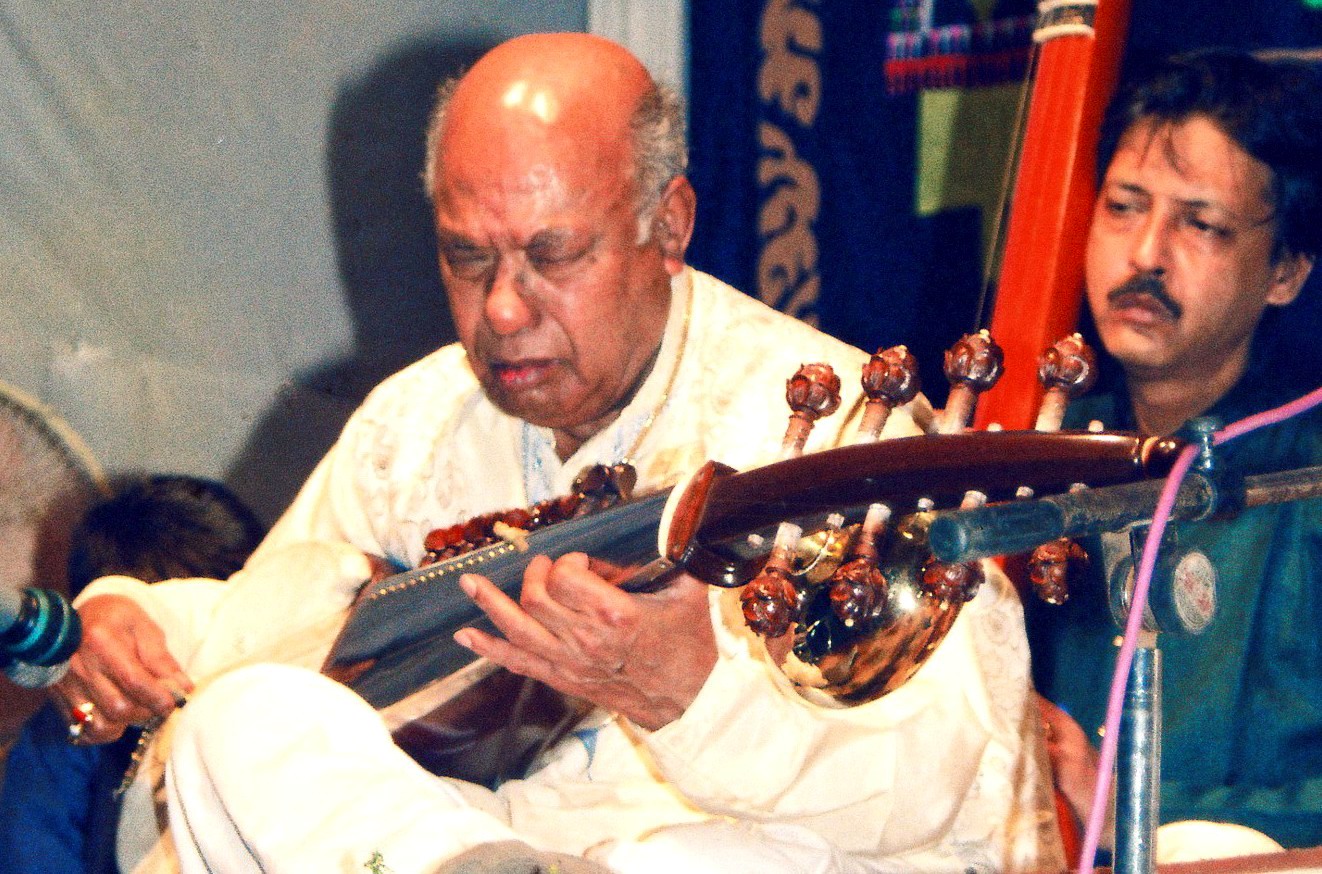 Ustad Ali Akbar KhanAccompanied
Named among the sarod players he has worked with.
Wikipedia — Anindo Chatterjee- Pandit Budhaditya MukherjeeAccompanied
Named among the sitarists he has worked with.
Wikipedia — Anindo Chatterjee 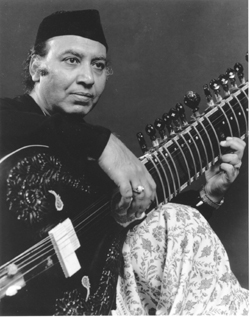 Ustad Imrat KhanAccompanied
Named among the sitar and surbahar players he has worked with.
Wikipedia — Anindo Chatterjee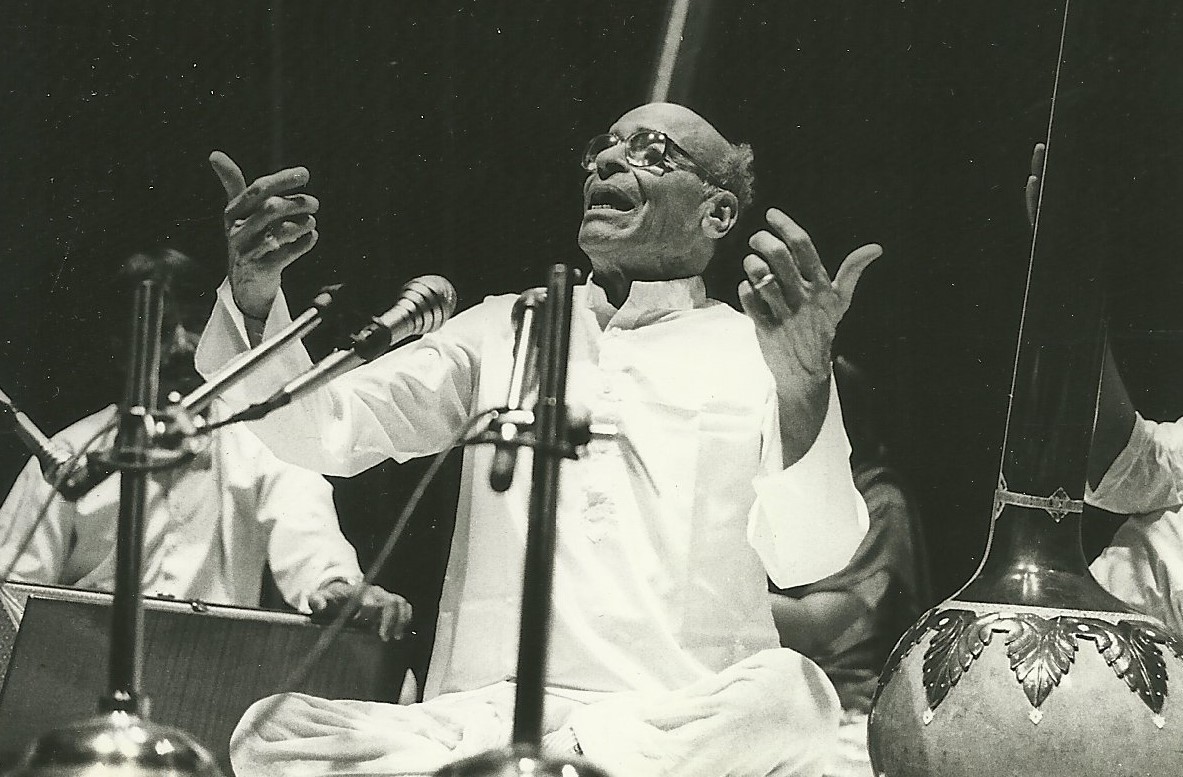 Pandit Mallikarjun MansurAccompanied
Named among the vocalists he has worked with.
Wikipedia — Anindo Chatterjee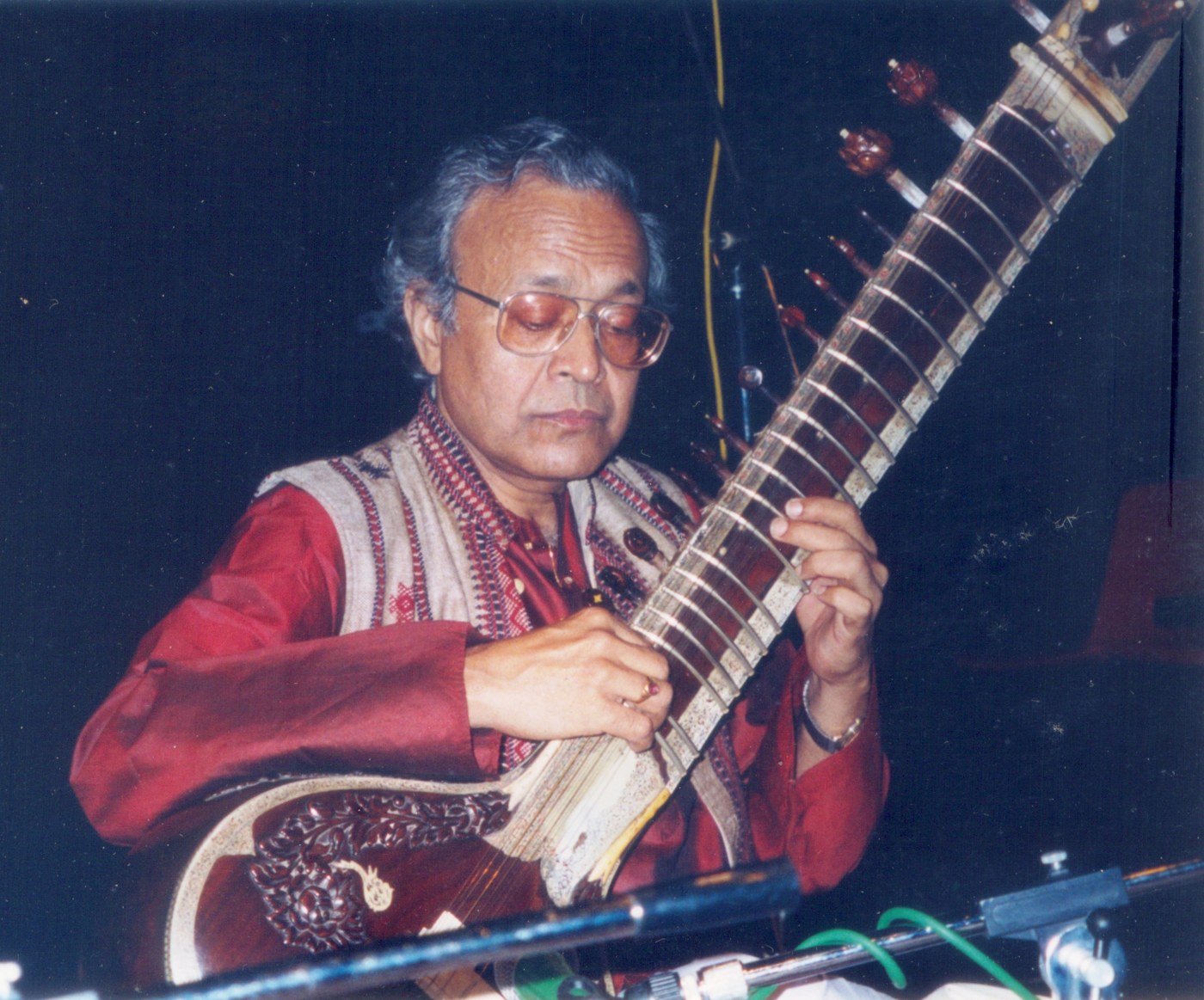 Pandit Manilal NagAccompanied
Named among the sitarists he has worked with.
Wikipedia — Anindo Chatterjee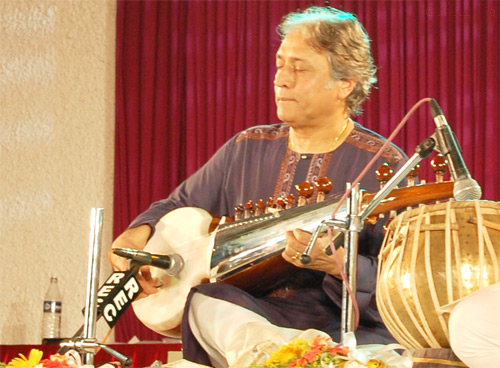 Ustad Amjad Ali KhanAccompanied
Named among the sarod players he has worked with.
Wikipedia — Anindo Chatterjee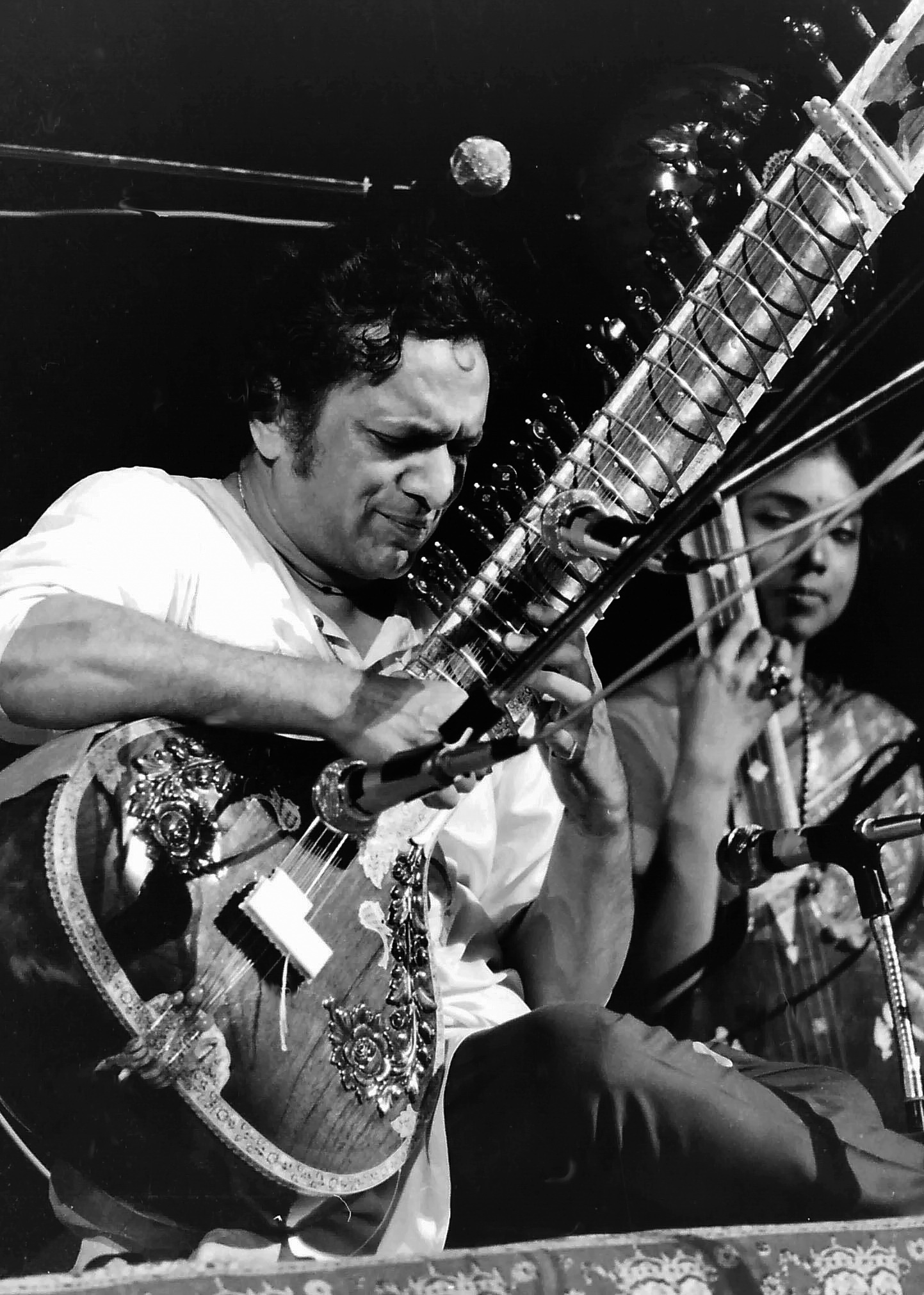 Pandit Ravi ShankarAccompanied
Named among the sitarists he has worked with.
Wikipedia — Anindo Chatterjee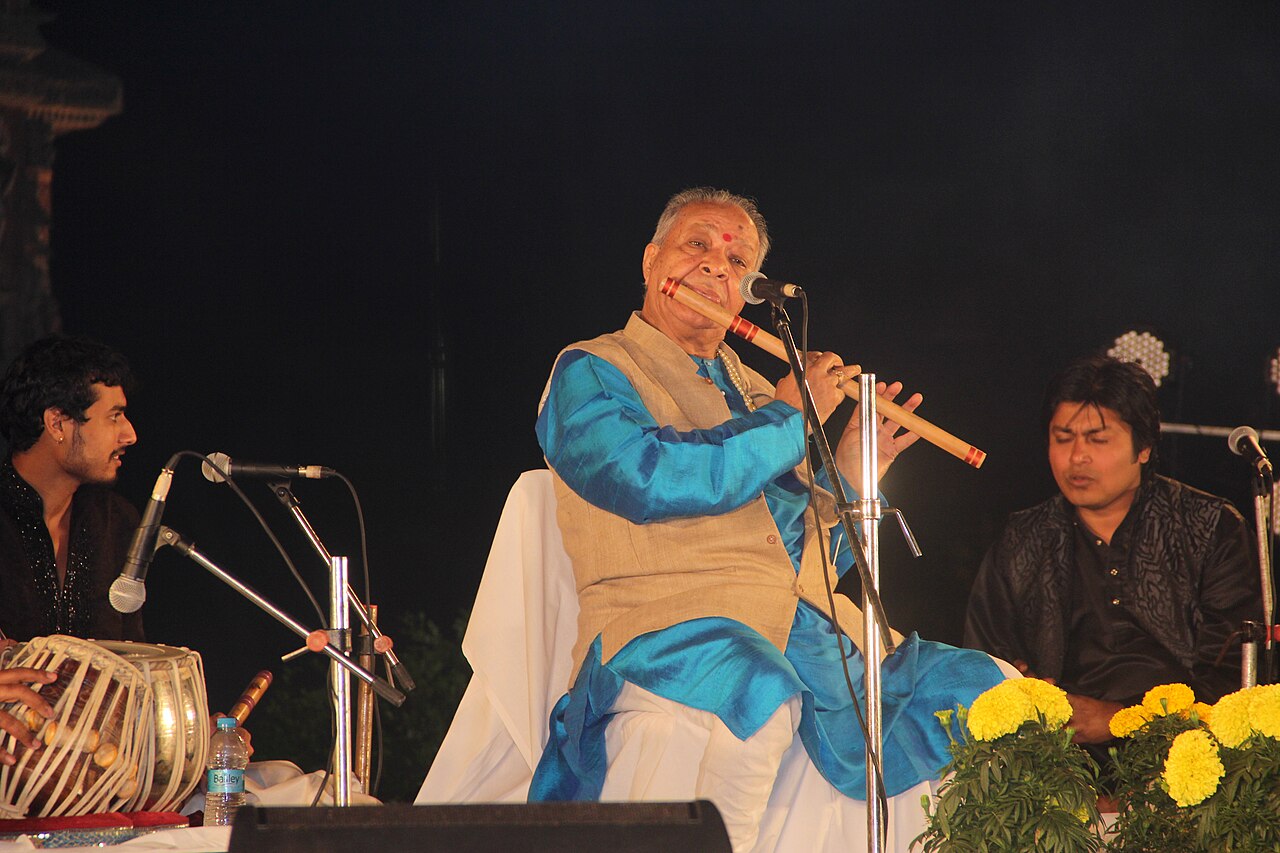 Pandit Hariprasad ChaurasiaAccompanied
Named among the soloists he has worked with.
Wikipedia — Anindo Chatterjee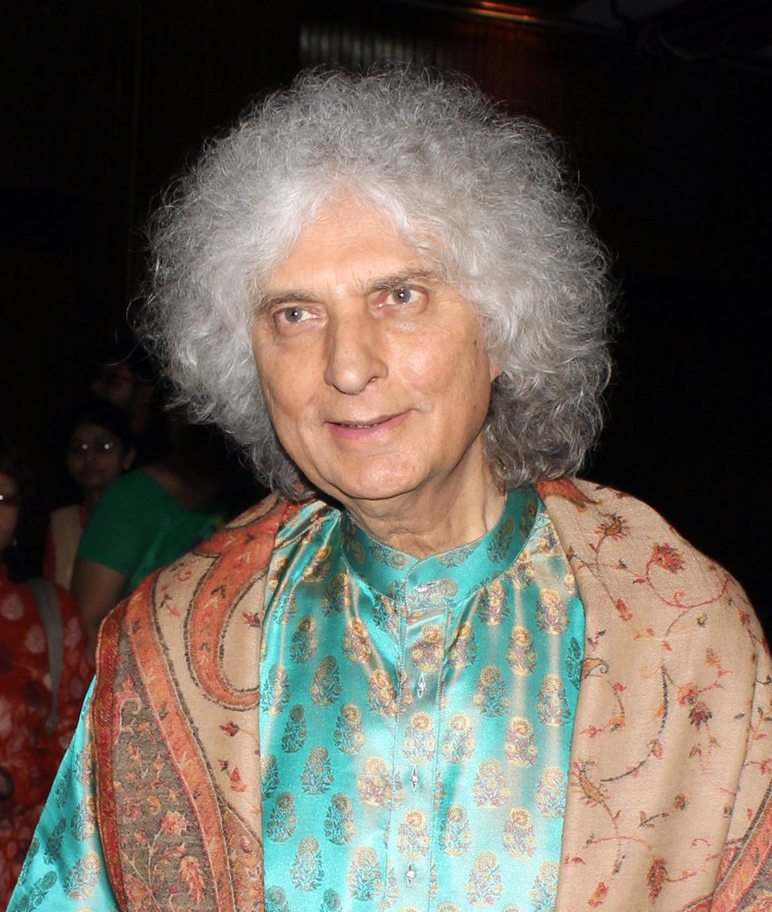 Pandit Shivkumar SharmaAccompanied
Named among the soloists he has worked with.
Wikipedia — Anindo Chatterjee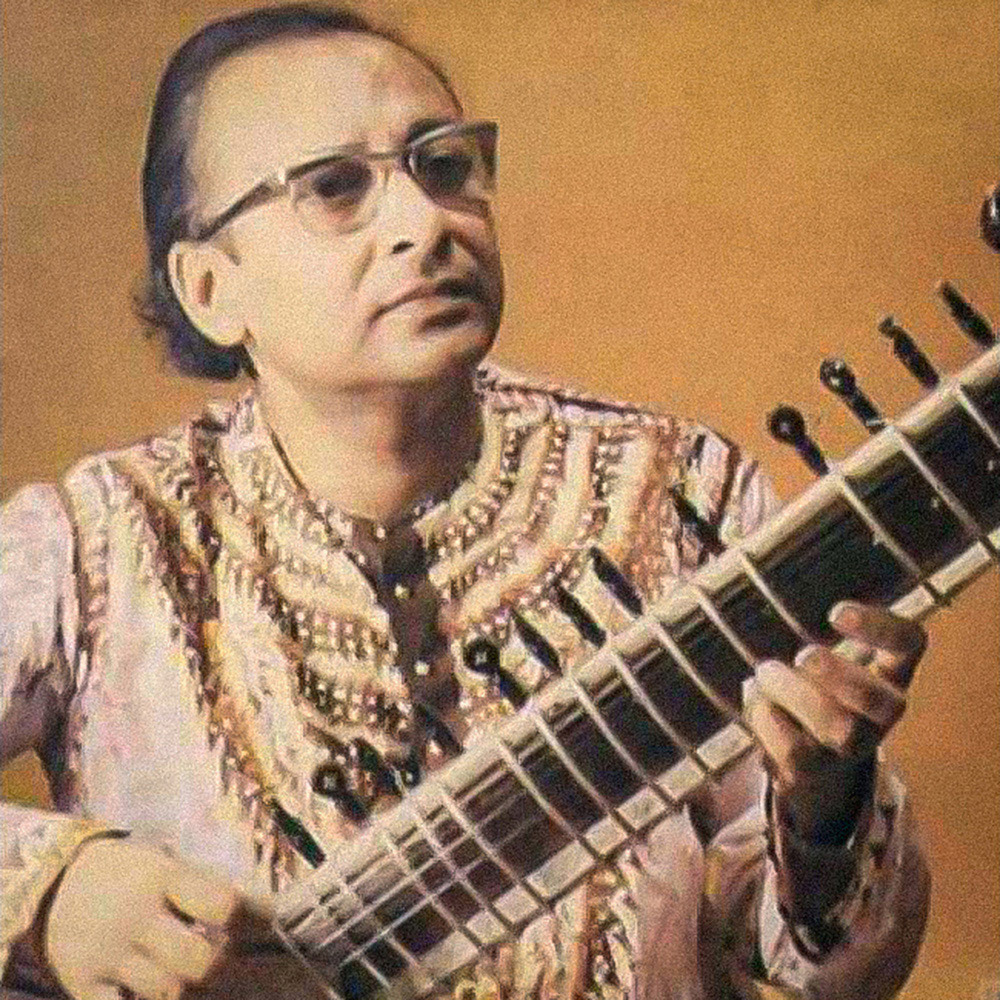 Pandit Nikhil BanerjeeLong-standing accompaniment partner
Their sitar-and-tabla partnership is the most celebrated of his career.
Pandit Anindo Chatterjee — Darbar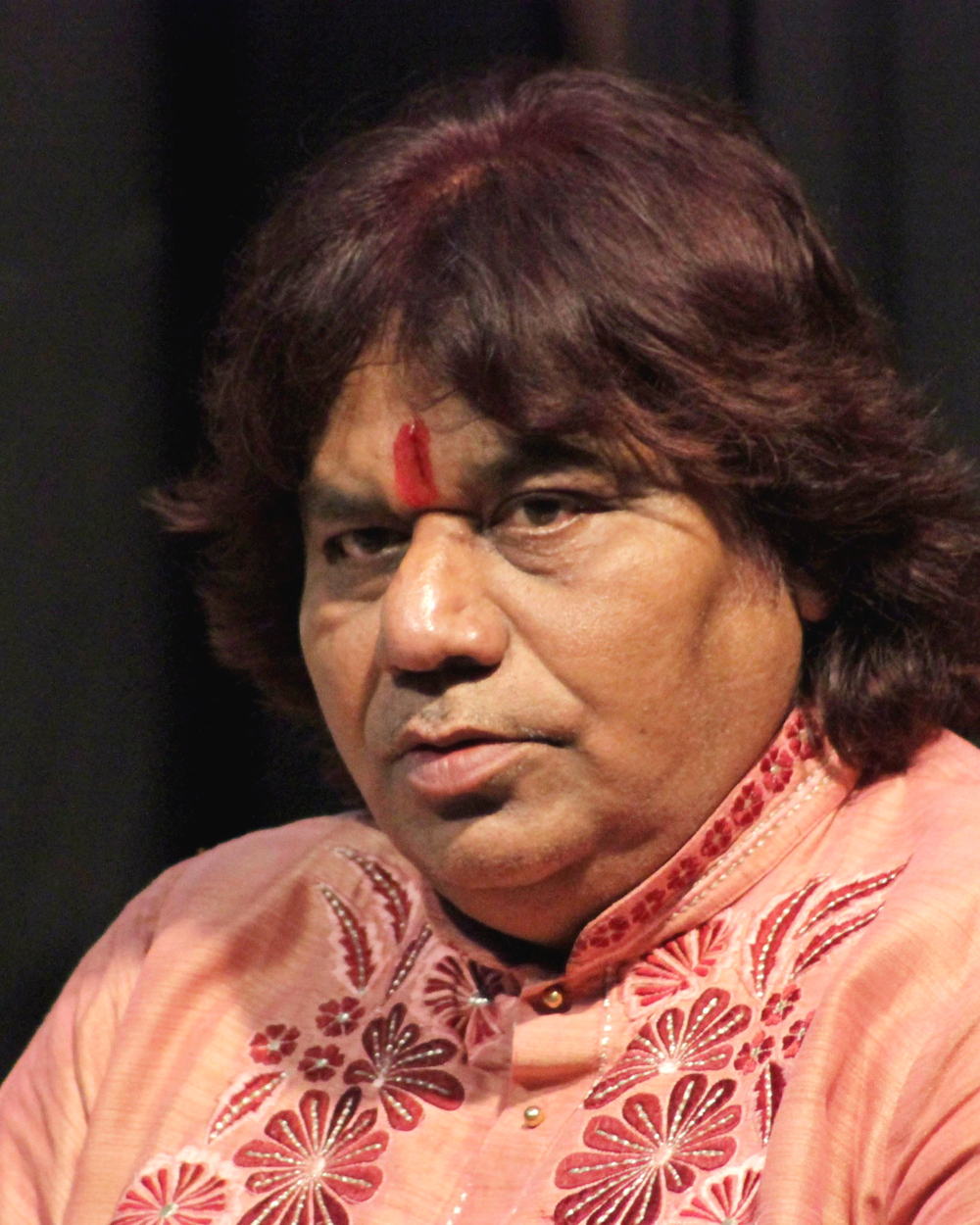 Pandit Bhavani Shankarperformed with
The pakhawaj player accompanied him; they are named together among his regular collaborators.
Bhavani Shankar — Wikipedia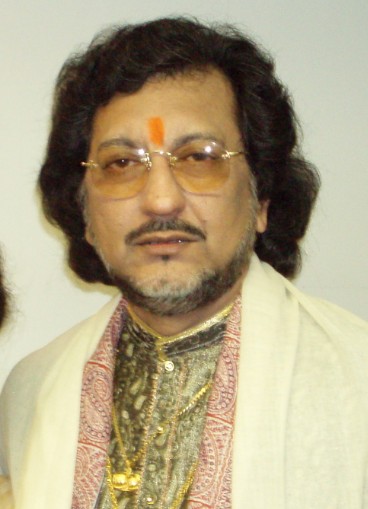 Pandit Kumar BoseDuet partner
Banaras–Farrukhabad tabla duets.
The Hindu, "An accompanist is like a soldier"- Ustad Alam KhanConcert collaboratorAlam Khan — About (official website)
Influence
- Ojas AdhiyaCited as an influence by
Ojas Adhiya names him among the modern tabla players who shaped his approach.
Darbar — Ojas Adhiya
Named on other pages
Musicians whose own pages record a connection with this one, in the words their sources use.
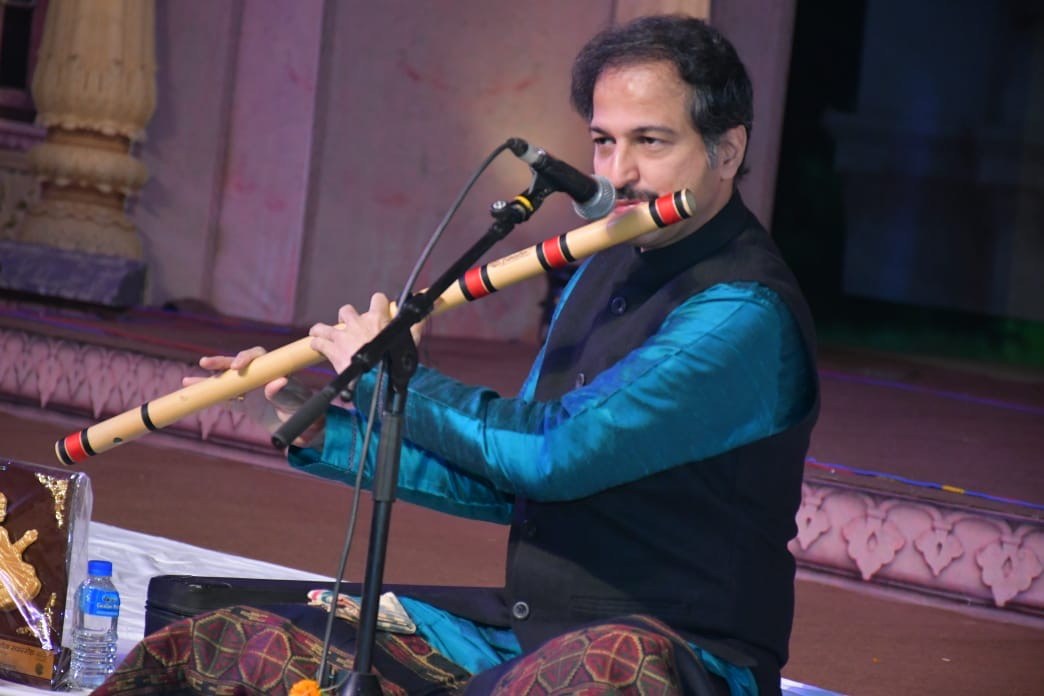 Pandit Rupak KulkarniTheir page records: Collaborator
Accompanied him on tabla on his first album, Tenderly.
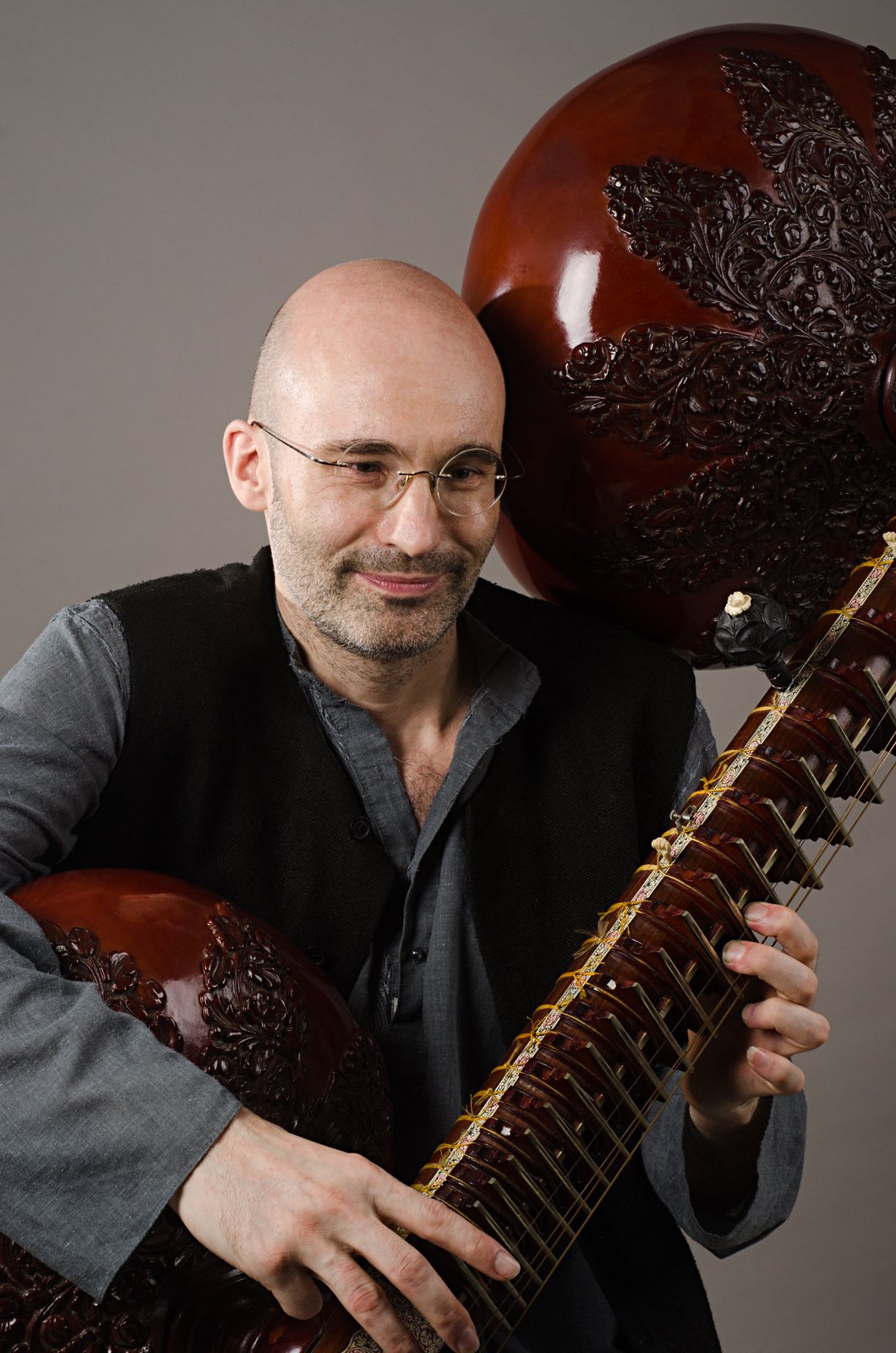 Carsten WickeTheir page records: Teacher
His first Indian teacher: he studied tabla with him in Kolkata in the 1990s before turning to the rudra veena.
Recognition
Honours and recognition
Highest national honour first, then by year.
- 2022Padma Shri — declinedHe declined the award publicly in January 2022.
- 2002Sangeet Natak Akademi AwardWidely reported; the year is not confirmed by an official source.
- 1970President's Award
- 2022Banga BibhushanGovernment of West Bengal.
Community
Memories from the community
Personal recollections, not verified history
These are memories shared by listeners and musicians. They sit apart from the sourced biography above, and an editor reads each one before it appears.
- No memories have been shared yet.
Members can share a memory of Pandit Anindo Chatterjee. Sign in or create an account.
Provenance
Sources and image credits
- The Sruti Foundation — Anindo Chatterjee
- Sangeet Sabha — Pandit Anindo Chatterjee
- Aga Khan Museum — Pandit Anindo Chatterjee
- Anindo Chatterjee — Wikipedia
- Pandit Anindo Chatterjee — Darbar
- Anindo Chatterjee — Ali Akbar Khan Centennial
- Tabla maestro Anindo Chatterjee refuses Padma Shri — Deccan Herald
Photograph via Wikimedia Commons, CC BY-SA 3.0
Continue exploring