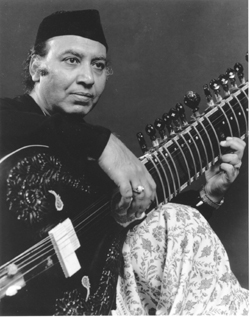
Hindustani classical · 1935–2018
Ustad Imrat Khan
The surbahar master of the Etawah line, and one of its most exacting teachers.
- Gharana
- Imdadkhani (Etawah) gharana
Official website & social links
We have no checked official pages for Ustad Imrat Khan yet. Suggest an official link.
Where to start
Begin listening
Yaman Kalyan on surbahar
Yaman Kalyan · 10:15 · Imrat Khan
Published on the artist's own channel. The description states he believed this to be a televised performance in Germany around the early 1980s; that date is his recollection, not documented, so no performance year is recorded.
Watch on YouTubeUploaded 2012-05-24
Recordings are embedded from official or authorised channels and never rehosted. Nothing plays on its own, and starting one closes another. Where an editor has added a note, it explains why that recording was chosen — not what happens inside it.
Biography
Life
Imrat Khan was born in Calcutta on 17 November 1935, the younger son of the sitar and surbahar player Ustad Enayat Khan and grandson of Ustad Imdad Khan. His father died when he was a child, and he was brought up by his mother, Bashiran Begum, and her father, the singer Bande Hassan Khan, who gave him his first training in voice and surbahar. In 1944 the family moved to Bombay, where he and his elder brother Vilayat Khan studied sitar with their uncle Ustad Wahid Khan. The brothers settled together in Calcutta in 1952 and performed as a duo for many years, travelling in 1956 with the first Indian cultural delegation to the Soviet Union and Eastern Europe.
From 1961 he performed and recorded on his own, on both sitar and surbahar, and toured widely in Europe, North America and Asia. He played at the Cannes Film Festival in 1970, and his music was used in films by Satyajit Ray and James Ivory. He taught at Dartington, at the Academy of Arts in Berlin and for many years at Washington University in St. Louis, where he lived for the last two decades of his life.
He received the Sangeet Natak Akademi Award in 1988 and was named for the Padma Shri in 2017. He died in St. Louis on 22 November 2018, aged 83.
Musical contribution
What they brought to music
His work was centred on the surbahar, the bass sitar, which he treated as a full solo instrument rather than an introduction to the sitar. He carried the gayaki ang — the instrumental line modelled on the singing voice — that he had from his family, and was known for slow, deliberate alap and for rarer ragas. He kept to classical repertoire and declined fusion work.
In pictures
Photographs
Lineage & company
Teachers, students and musical connections
In the documented teaching trees
Where the archive's lineage research places Ustad Imrat Khan, and the teaching links recorded around them inside each tree.
Imdadkhani (Etawah) gharana1935–2018
Kept the surbahar in concert life and taught internationally.
People
Grouped by the kind of relationship the sources record — who taught this musician, who they taught, family, and the people they played with.
Family
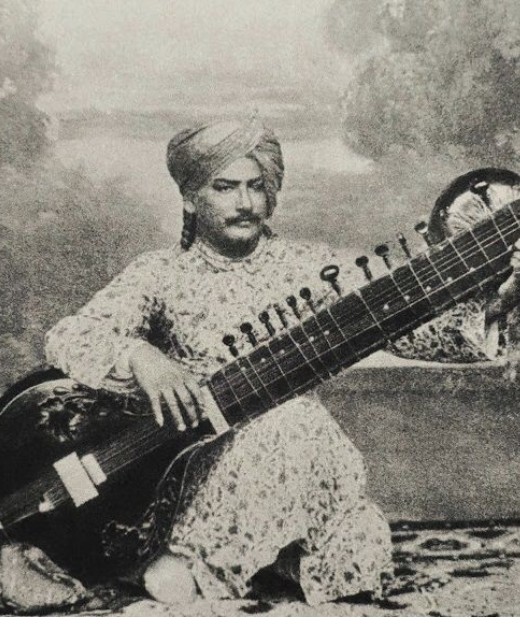 Ustad Enayat KhanFather
His father, who died while he was a child.
Imrat Khan — Wikipedia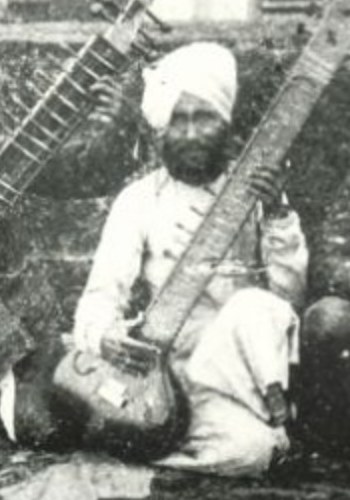 Ustad Imdad KhanGrandfather
His father's father, the founder of the line.
Imrat Khan — Wikipedia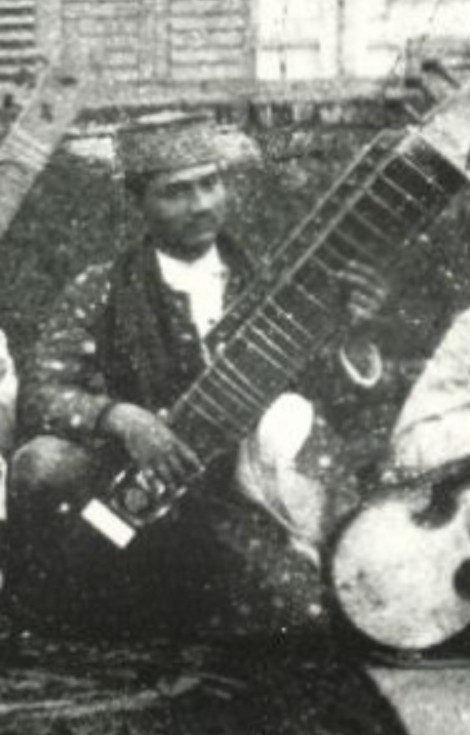 Ustad Wahid KhanUncle and teacher
He and his brother learned sitar extensively from him in Bombay from 1944.
Imrat Khan — Wikipedia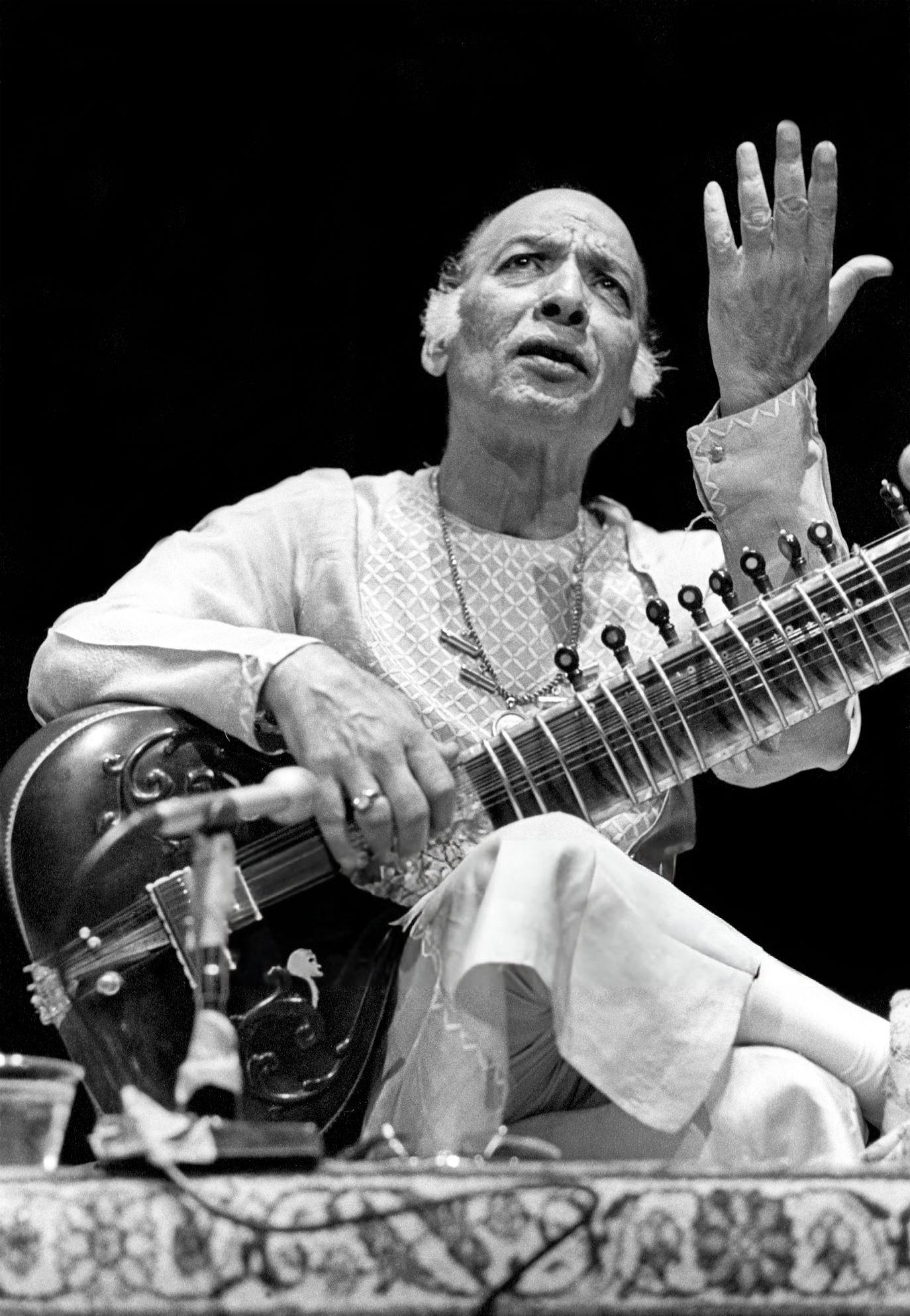 Ustad Vilayat KhanElder brother, teacher and concert partner
They lived and performed together from 1952; Darbar records that he also studied sitar with him.
Ustad Imrat Khan — Darbar- Bande Hassan KhanMaternal grandfather and first teacher
A singer, who with his mother gave him his earliest training in voice and surbahar.
Ustad Imrat Khan — Darbar - Irshad KhanSon and student
Sitar and surbahar player, trained by him.
Imrat Khan — Wikipedia - Wajahat KhanSon and student
Sarod player, trained by him.
Imrat Khan — Wikipedia - Shafaatullah KhanSon and student
Tabla player, trained by him.
Imrat Khan — Wikipedia 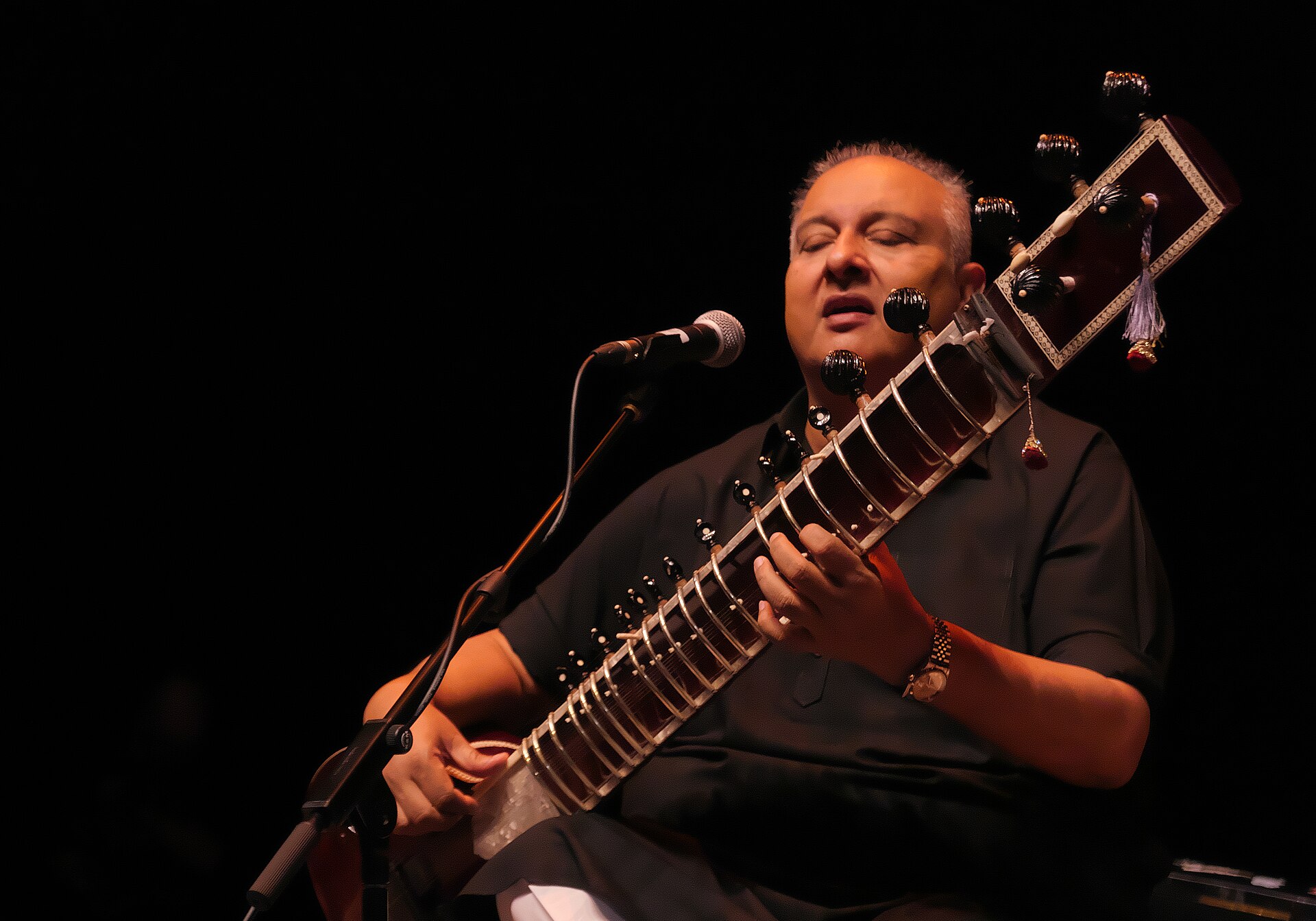 Ustad Shujaat Husain KhanNephew
Son of his elder brother Vilayat Khan.
Shujaat Khan — Wikipedia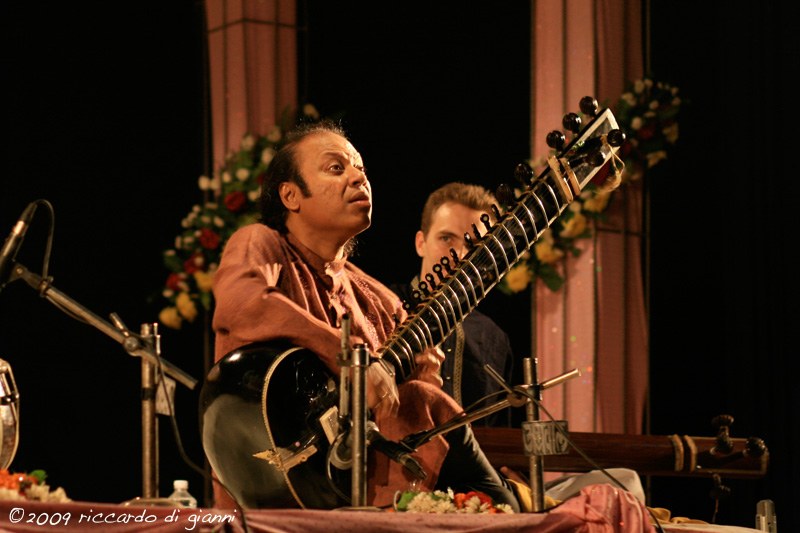 Ustad Nishat KhanSon and disciple
His main teacher; father and son performed together in London in 1977.
Nishat Khan — Wikipedia
Collaborators and accompanists
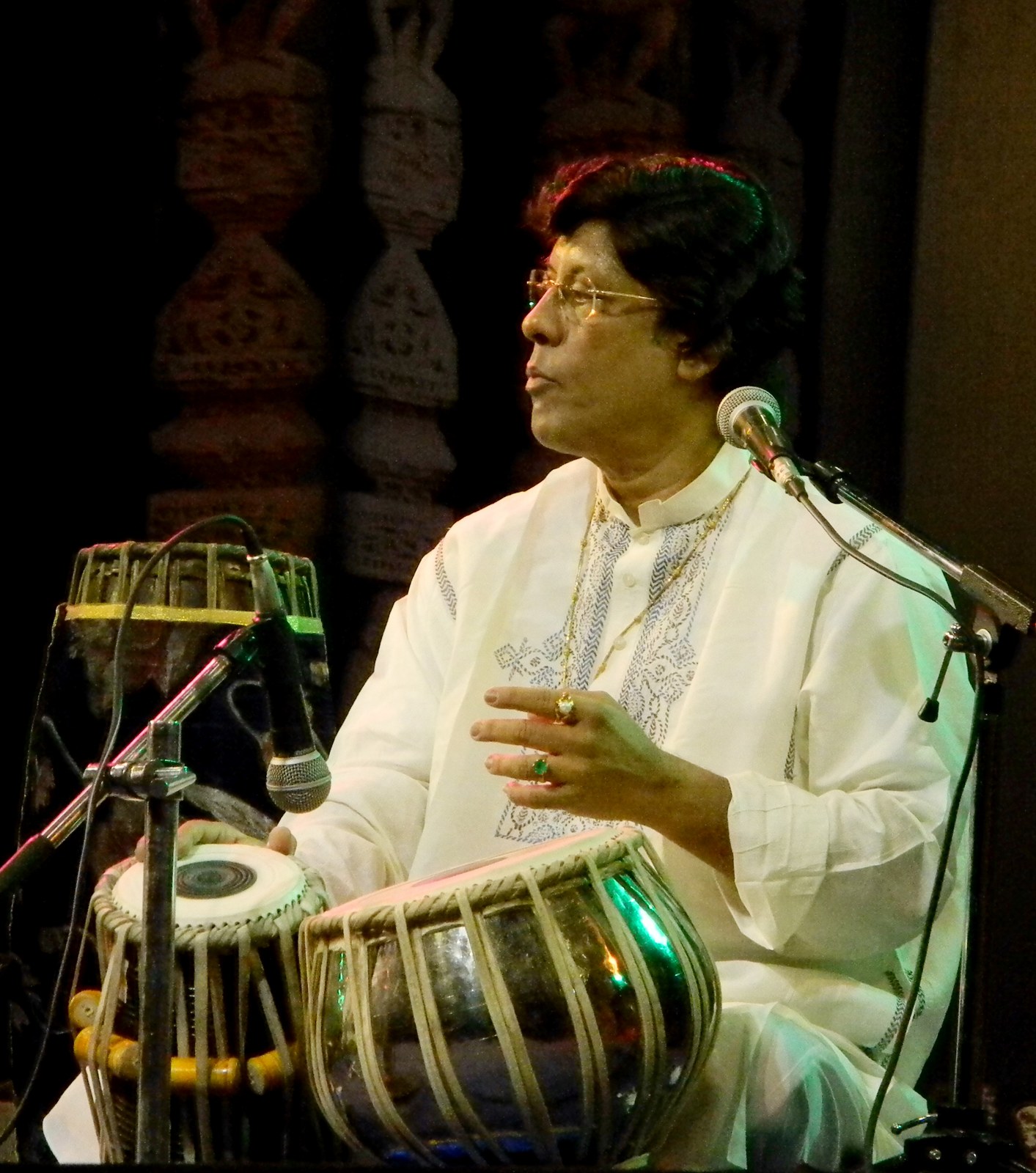 Pandit Anindo ChatterjeeAccompanied by
Named among the tabla players who have accompanied him.
Wikipedia — Anindo Chatterjee
Writing
From the journal
Community
Memories from the community
Personal recollections, not verified history
These are memories shared by listeners and musicians. They sit apart from the sourced biography above, and an editor reads each one before it appears.
- No memories have been shared yet.
Members can share a memory of Ustad Imrat Khan. Sign in or create an account.
Provenance
Sources and image credits
Photograph via Wikimedia Commons, CC BY-SA 4.0
Continue exploring
- Imdadkhani (Etawah) gharanaThe lineage Ustad Imrat Khan is associated with, and the other musicians documented within it.
- The sitarHow the instrument works, and who else in the archive plays it.
- The surbaharHow the instrument works, and who else in the archive plays it.
- All musiciansBrowse the archive by name, instrument or discipline.