Hindustani classical · b. 1938
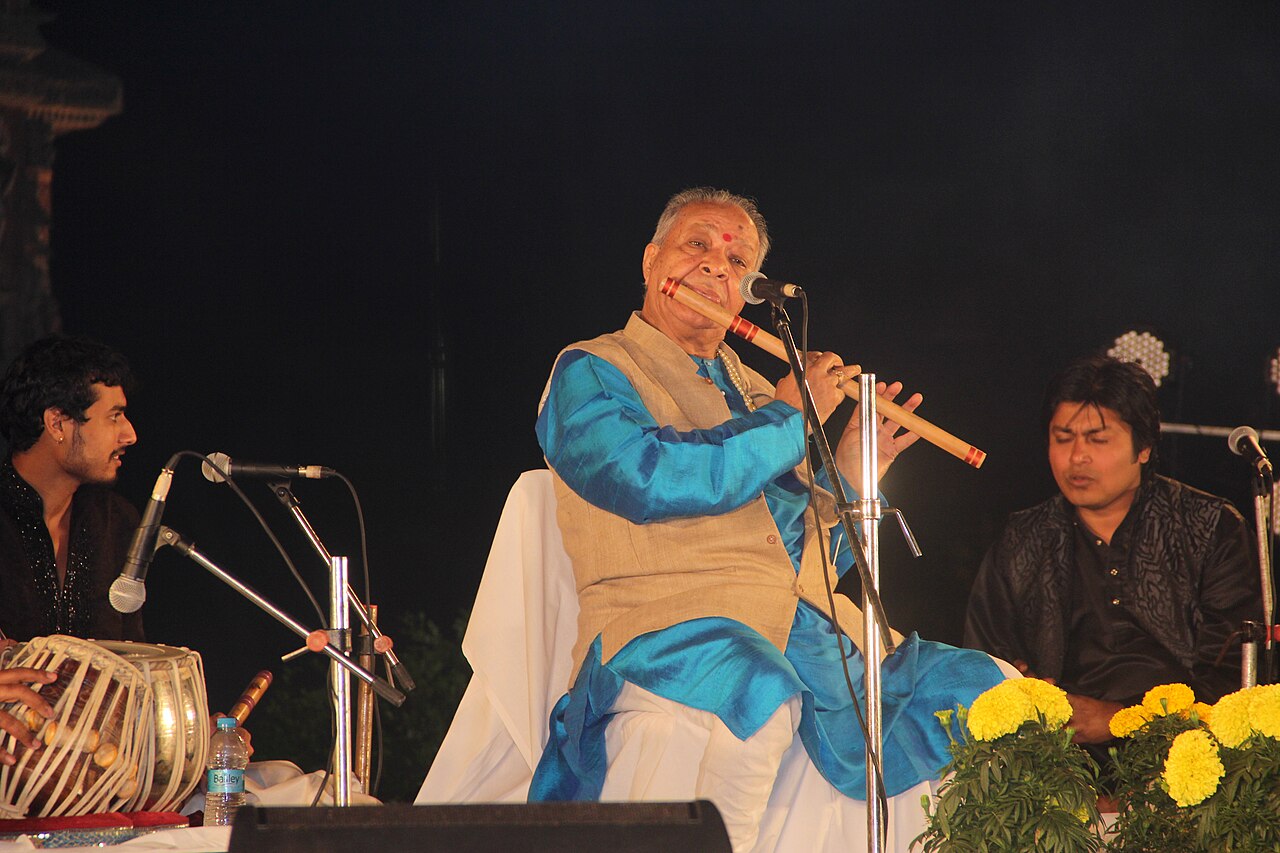
Pandit Hariprasad Chaurasia
The flute player who made a length of bamboo a full classical concert instrument.
- Instrument
- Bansuri
- Gharana
- Maihar (Senia-Maihar) gharanaThrough training with Annapurna Devi
- Schools & gurukuls
- Vrindaban GurukulFounderSaptak School of MusicPerformed at the Saptak festivalPrayag Sangeet SamitiPerformed at the Samiti
- Born
- 1 July 1938, Allahabad (Prayagraj), Uttar Pradesh, India
Official website & social links
Pandit Hariprasad Chaurasia's own pages elsewhere on the web.
- Official websiteRun by an institution they founded or led
- YouTube · @VrindabanGurukulRun by an institution they founded or led
- Instagram · @vrindabangurukulRun by an institution they founded or led
These destinations belong to Pandit Hariprasad Chaurasia or to those who look after their work, and are checked by an editor before they are listed. They leave the archive. Suggest a link or a correction.
Where to start
Begin listening
Explore further
Raga Malkauns (album: Night Ragas)
Malkauns · Music Today · Music Today
Recordings are embedded from official or authorised channels and never rehosted. Nothing plays on its own, and starting one closes another. Where an editor has added a note, it explains why that recording was chosen — not what happens inside it.
Biography
Life
Hariprasad Chaurasia was born in Allahabad on 1 July 1938. His mother died when he was six, and he was raised by his father, a wrestler, who wanted the same life for his son. He studied vocal music in secret from a neighbour, Pandit Rajaram, from around the age of fifteen, then turned to the flute and trained for eight years under Bholanath Prasanna of Varanasi.
He joined All India Radio at Cuttack in 1957 as a composer and performer, and was transferred to Bombay around 1962. There he became a disciple of the reclusive surbahar player Annapurna Devi of the Maihar gharana, daughter of Baba Allauddin Khan. As part of that training he switched from right-handed to left-handed playing, and plays left-handed still.
In 1967 he recorded Call of the Valley with the santoor player Shivkumar Sharma and the slide guitarist Brij Bhushan Kabra — one of the best-known Indian classical records ever made, and listed in 1001 Albums You Must Hear Before You Die. With Sharma he also formed the film-composing duo Shiv-Hari, scoring Hindi films including Silsila (1981) and Chandni (1989).
He has toured for more than six decades, performing at Carnegie Hall, the Royal Albert Hall and the Kremlin, and has worked with George Harrison, Zakir Hussain, John McLaughlin and Jan Garbarek.
Musical contribution
What they brought to music
Chaurasia is credited with developing the bansuri into a full concert instrument, capable of the ornamentation and weight of phrase that Hindustani audiences expect from voice and from the older instruments. Much of his approach draws on vocal style.
His left-handed playing is a direct consequence of his training under Annapurna Devi — an unusual instance of a guru reshaping the physical habit of a mature performer.
Beyond the recital hall, Shiv-Hari brought Hindustani instrumental texture into mainstream Hindi cinema, and he has taught a generation of younger bansuri players.
Life in dates
Timeline
1938
Born in Allahabad
1 July 1938.
1957
Joins All India Radio, Cuttack
As a composer and performer.
1962
Transferred to All India Radio, Bombay
1967
Call of the Valley
Recorded with Shivkumar Sharma and Brij Bhushan Kabra.
1981
Silsila
Film score composed with Shivkumar Sharma as Shiv-Hari.
1984
Sangeet Natak Akademi Award
1992
Padma Bhushan
2000
Padma Vibhushan
In pictures
Photographs
Lineage & company
Teachers, students and musical connections
Documented teaching lineage
Taught by Annapurna Devi
Hariprasad Chaurasia became her student after moving to Bombay.
Hariprasad Chaurasia — WikipediaTaught Rakesh Chaurasia
Described by the Aga Khan Museum as his "nephew and disciple".
Aga Khan Museum — Rakesh ChaurasiaTaught Pandit Santosh Sant
Studied bansuri with Chaurasia in Mumbai.
Santosh Sant — Underscore Records
Teaching, family, collaboration and influence are recorded separately here; none is ever inferred from another.
In the documented teaching trees
Where the archive's lineage research places Pandit Hariprasad Chaurasia, and the teaching links recorded around them inside each tree.
Bansuri concert lineageborn 1938
The most widely heard bansuri player of recent decades and founder of Vrindaban Gurukul.
Taught in this tree by: Annapurna Devi, Bholanath Prasanna
Maihar (Senia-Maihar) gharanaborn 1938
The most widely heard bansuri player of recent decades.
Taught in this tree by: Bholanath Prasanna, Annapurna Devi
People
Grouped by the kind of relationship the sources record — who taught this musician, who they taught, family, and the people they played with.
Teachers and gurus
- Pandit RajaramEarly teacher
Vocal music, studied in secret from around the age of fifteen.
Wikipedia — Hariprasad Chaurasia - Bholanath PrasannaTeacher
Eight years of flute training in Varanasi.
Wikipedia — Hariprasad Chaurasia - Annapurna DeviGuru
Maihar gharana; under her guidance he changed to left-handed playing.
Wikipedia — Hariprasad Chaurasia - Pandit Bholanath PrasannaTeacherBholanath Prasanna — Wikipedia
Students and disciples
- Santosh SantDisciple
Senior disciple who also accompanies him in concert.
Santosh Sant — Underscore Records 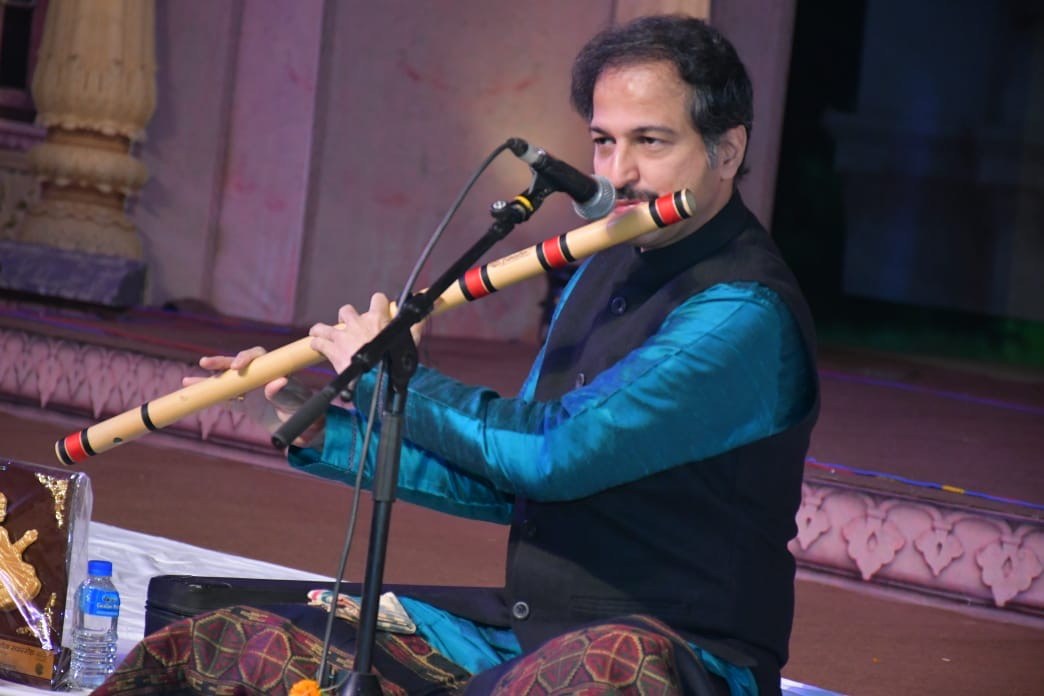 Pandit Rupak KulkarniDisciple
Rupak Kulkarni continued his learning under him.
Rupak Kulkarni — Wikipedia- Suchismita ChatterjeeDisciple
She began studying with him in her teenage years.
Debopriya and Suchismita Chatterjee — Wikipedia - Vivek SonarDisciple
He moved to Mumbai in 1997 to train under him.
Vivek Sonar — official website, About - Debopriya ChatterjeeDisciple
She began studying with him in her teenage years.
Debopriya and Suchismita Chatterjee — Wikipedia - Pandit Santosh SantDiscipleSantosh Sant — Underscore Records
Collaborators and accompanists
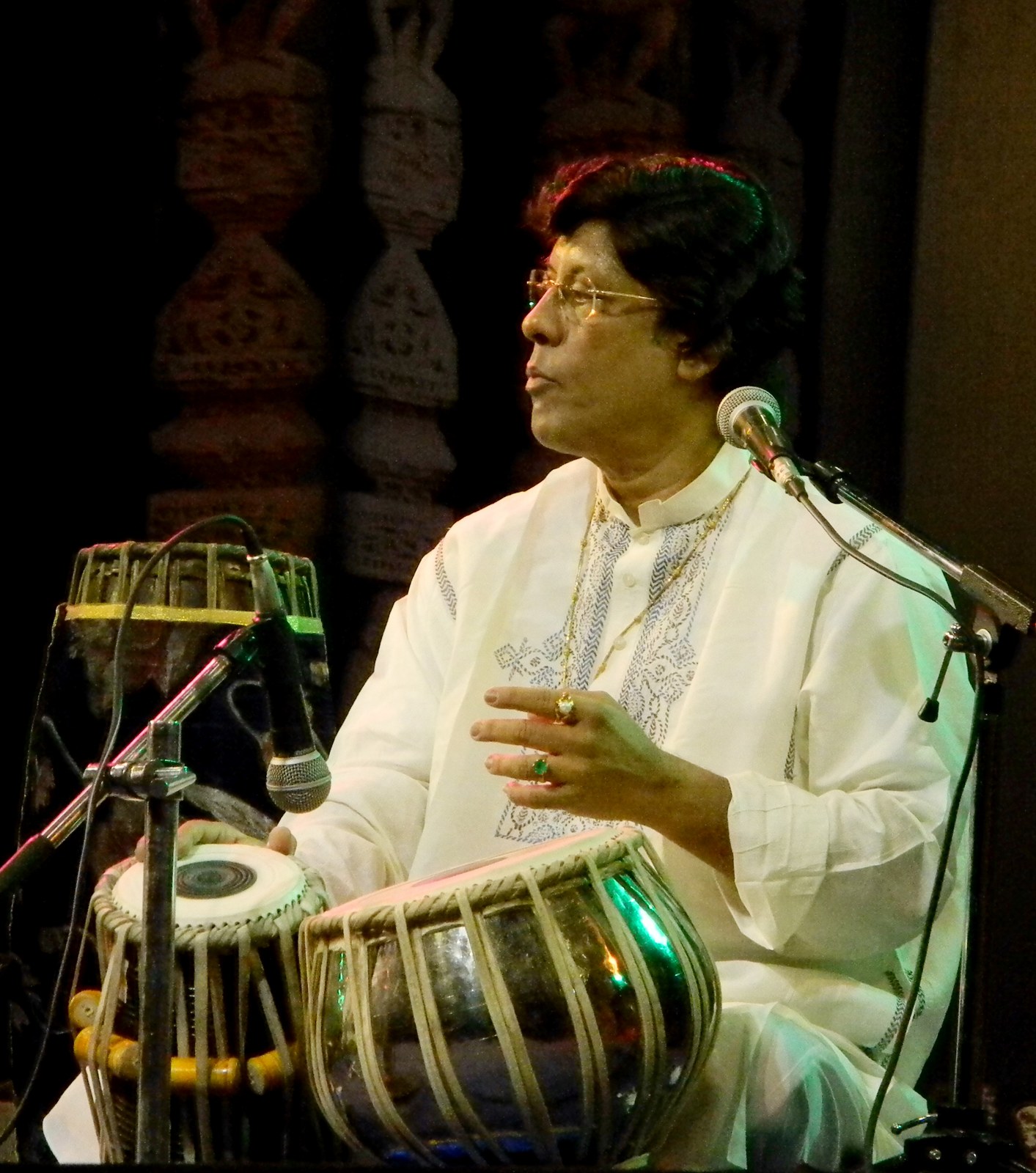 Pandit Anindo ChatterjeeAccompanied by
Named among the tabla players who have accompanied him.
Wikipedia — Anindo Chatterjee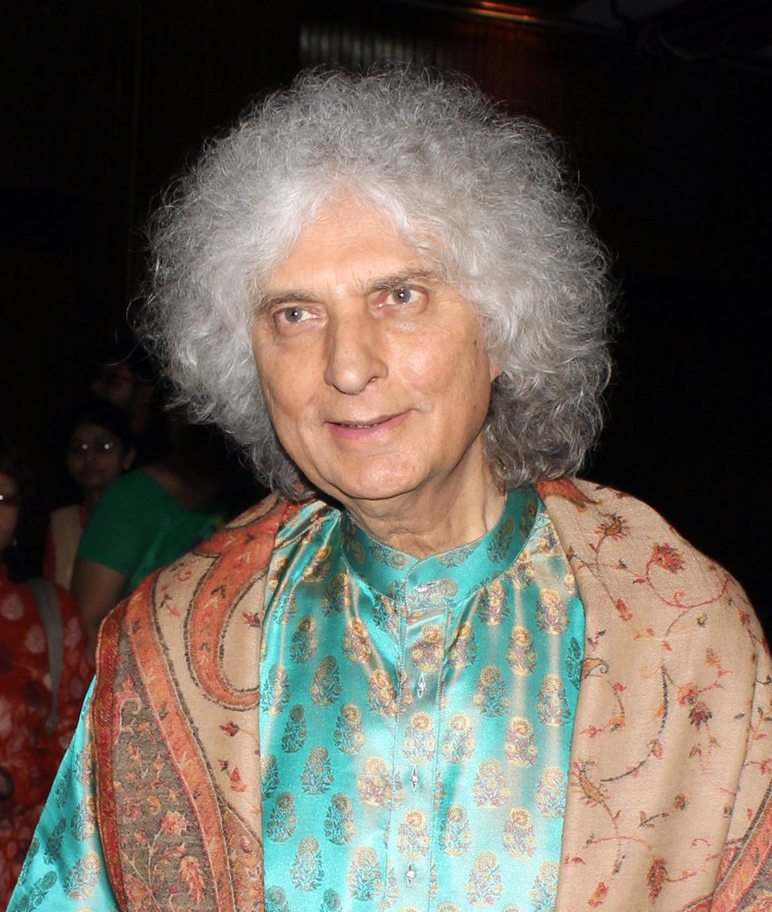 Pandit Shivkumar SharmaMusical partner
Call of the Valley and the film-composing duo Shiv-Hari.
Wikipedia — Hariprasad Chaurasia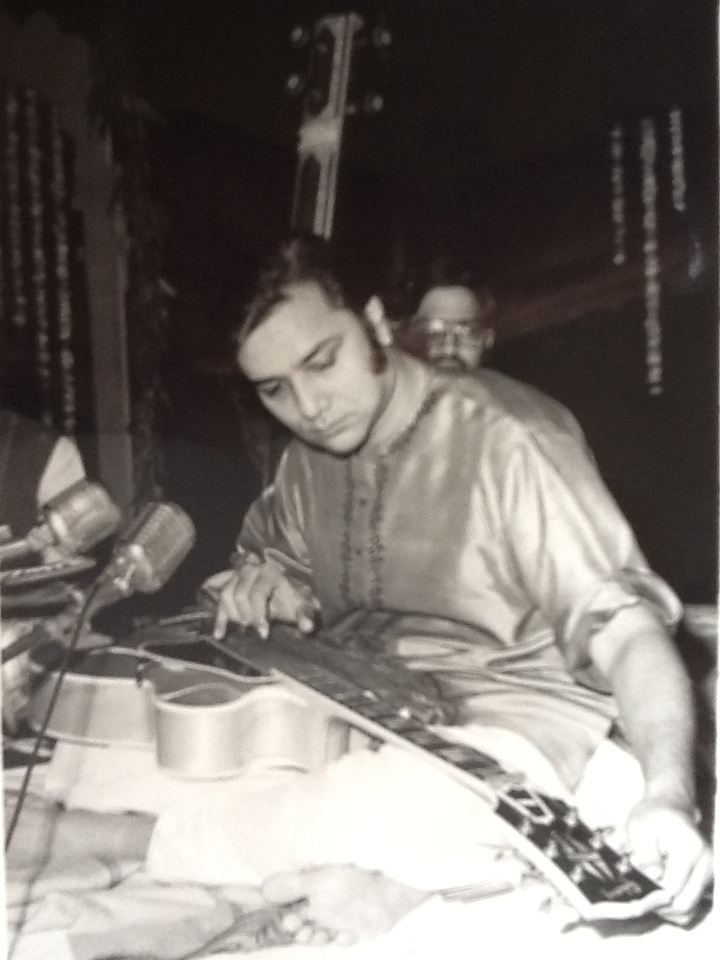 Brij Bhushan KabraCollaborator
Slide guitar on Call of the Valley (1967).
Wikipedia — Hariprasad Chaurasia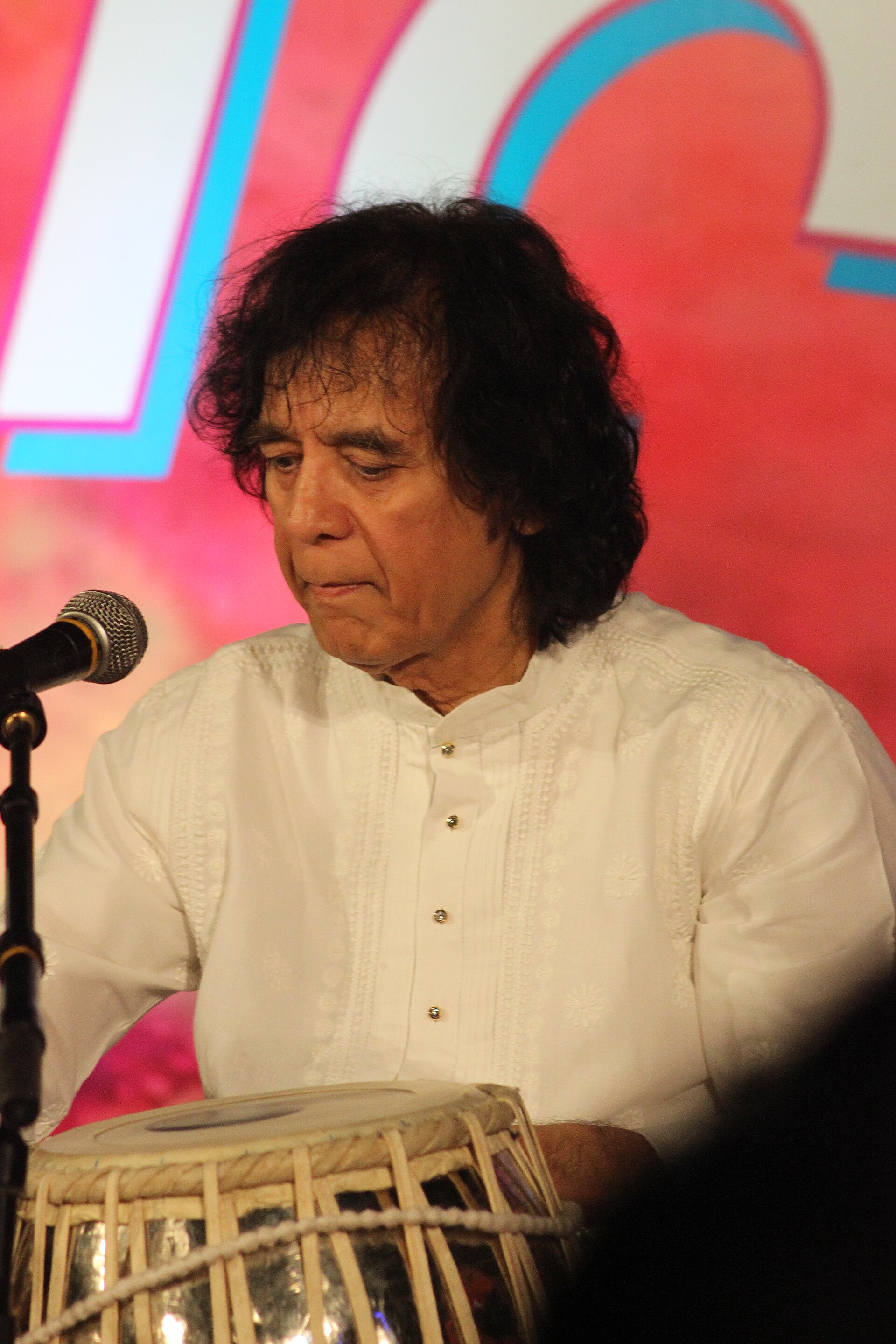 Ustad Zakir Hussainaccompanied by
Zakir Hussain accompanied him from his teens onward.
BBC News — Zakir Hussain obituary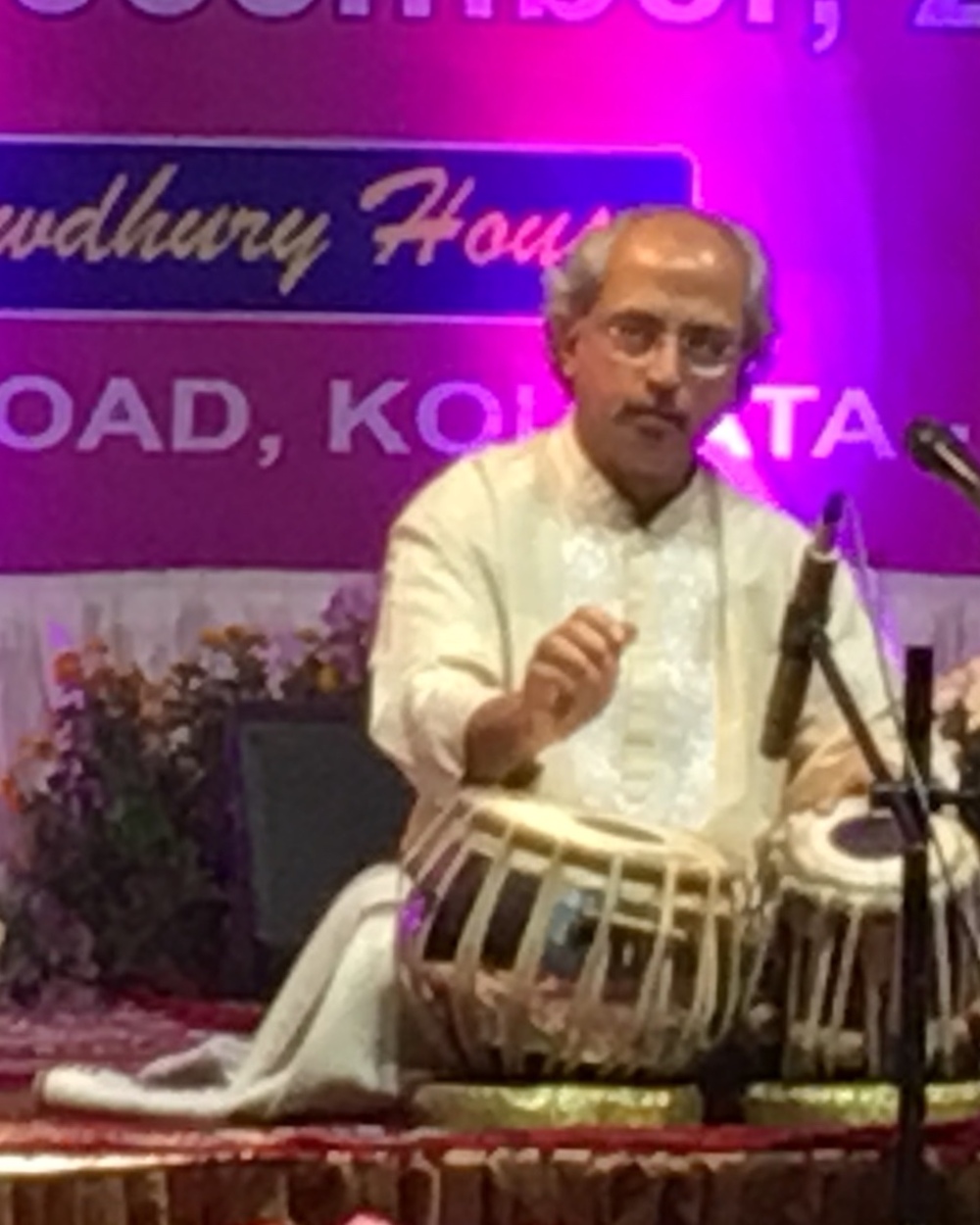 Pandit Yogesh SamsiTabla accompanist
Has accompanied him in concert.
Yogesh Samsi — official site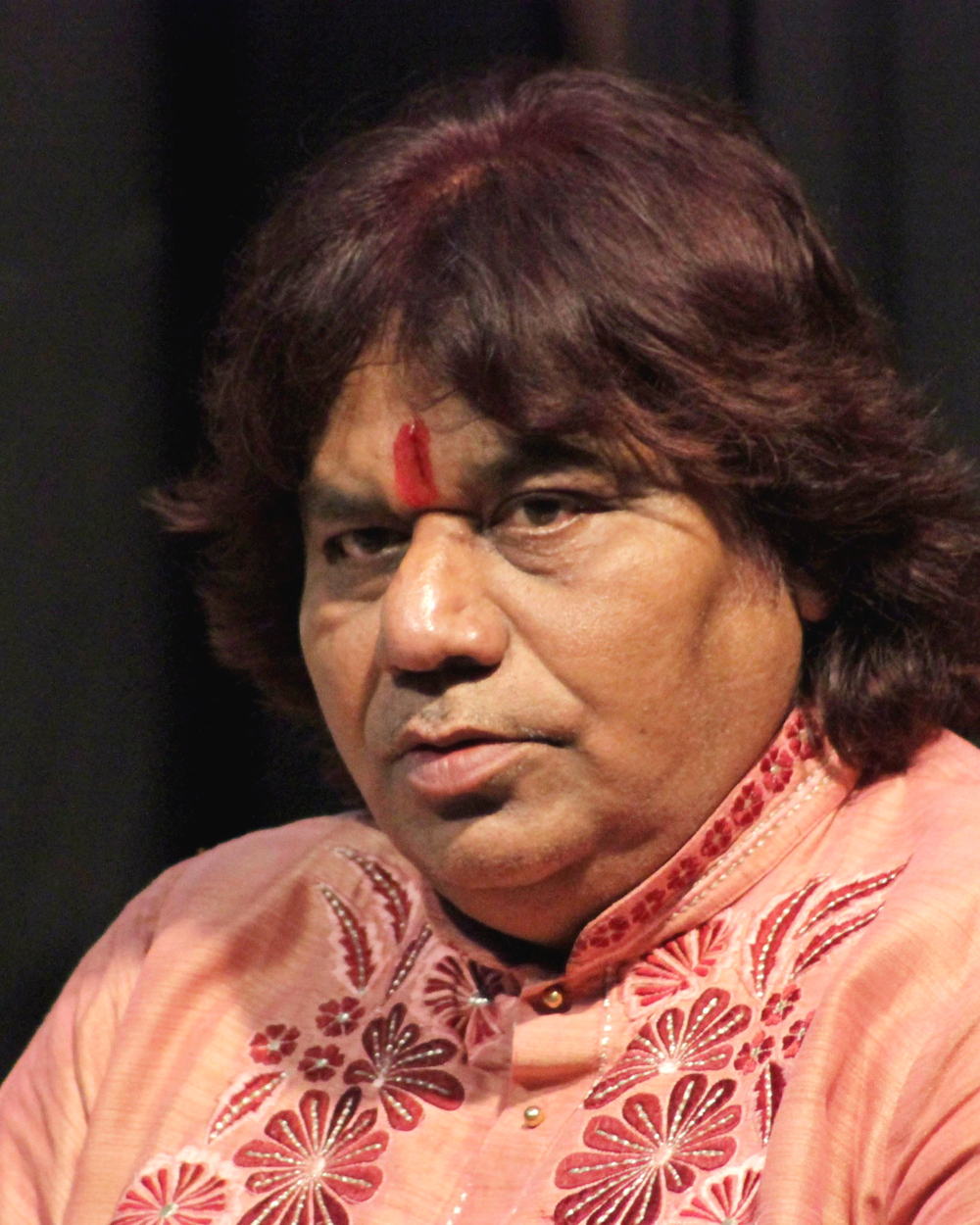 Pandit Bhavani Shankarperformed with
The pakhawaj player accompanied him; they are named together among his regular collaborators.
Bhavani Shankar — Wikipedia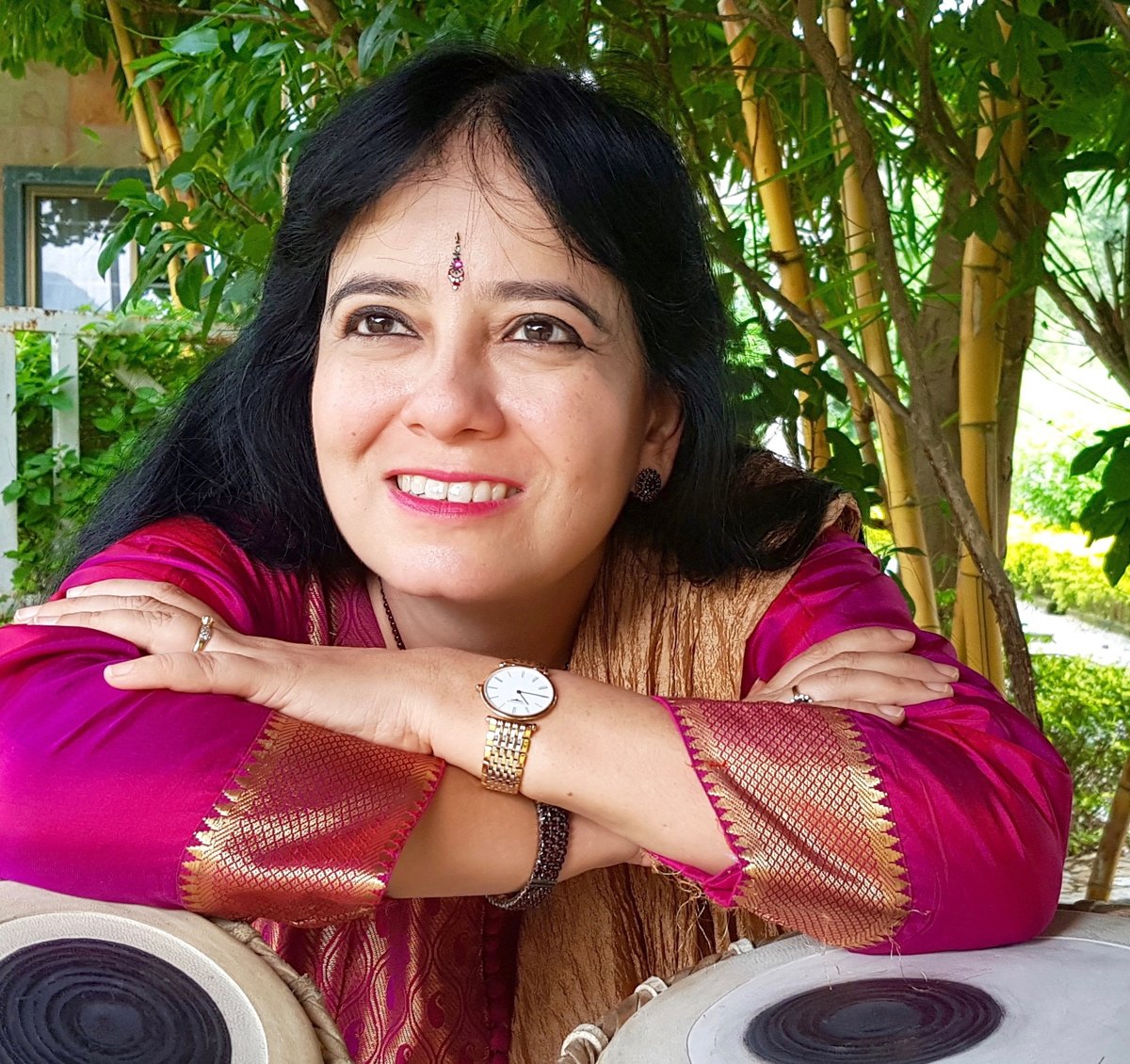 Vidushi Anuradha Palcollaborator
Named among the senior musicians she has performed with.
Anuradha Pal — official site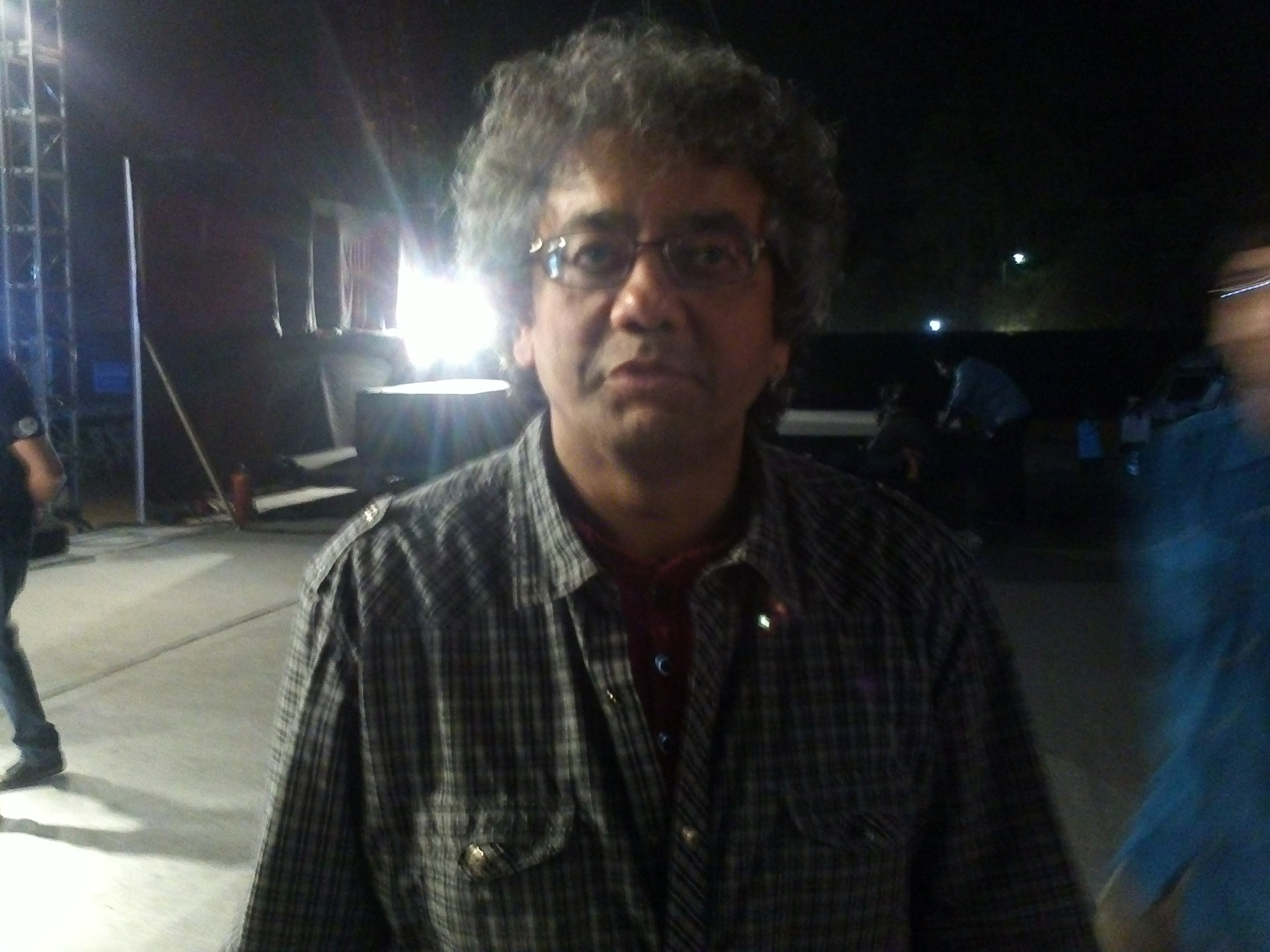 Ustad Taufiq QureshiCollaboratorMusical Background — taufiqqureshi.com (official)
- Pandit Brij Bhushan KabraCollaborator
Recorded Call of the Valley together in 1967.
Brij Bhushan Kabra — Wikipedia
Named on other pages
Musicians whose own pages record a connection with this one, in the words their sources use.
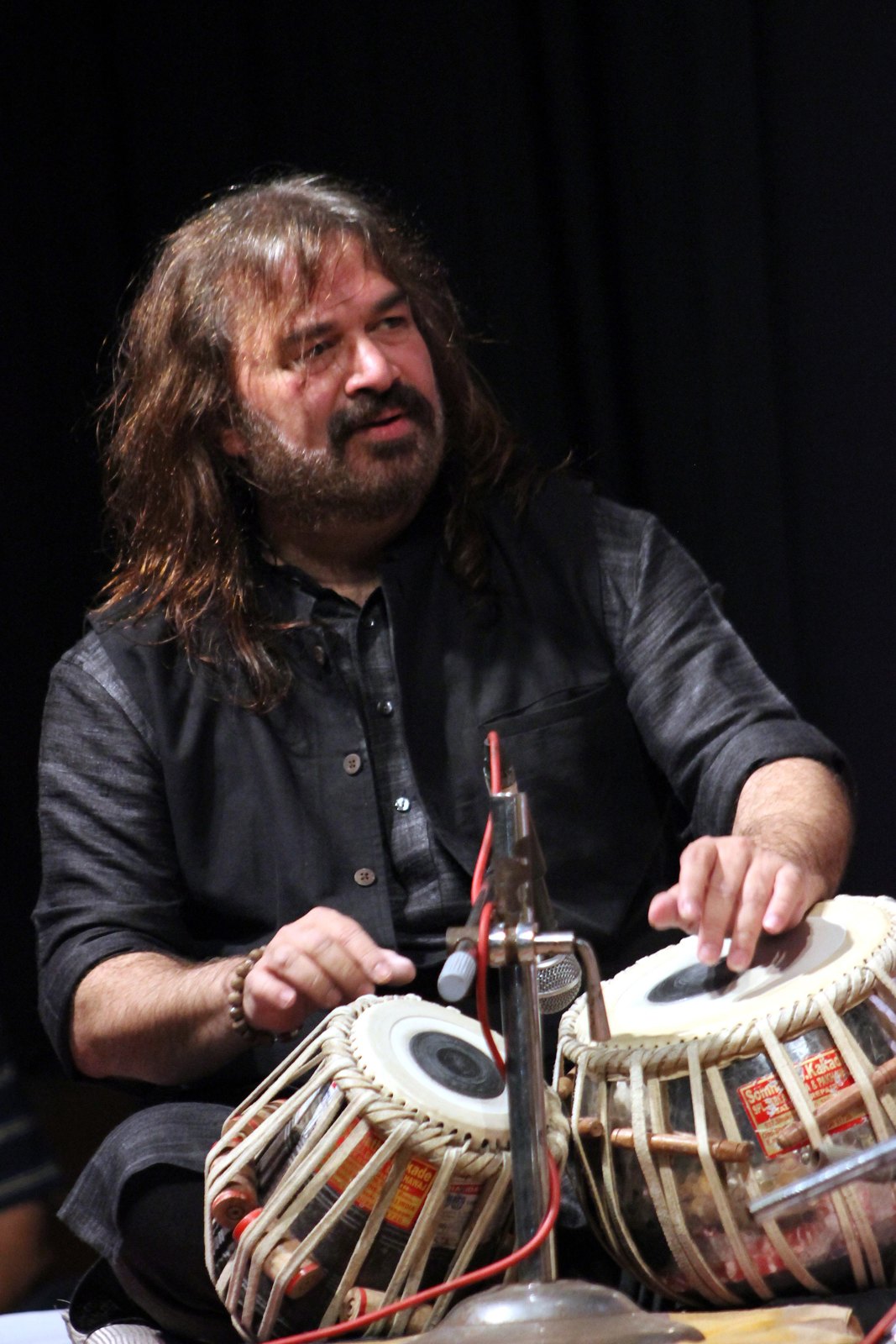 Pandit Vijay GhateTheir page records: Musician he accompanies
Tabla accompanist, including Mumbai 2004 and Delhi 2013
Schools, gurukuls and institutions
- Vrindaban Gurukul
Founder
- Saptak School of Music
Performed at the Saptak festival
- Prayag Sangeet Samiti
Performed at the Samiti
Recognition
Honours and recognition
Highest national honour first, then by year.
- 2000Padma Vibhushan
- 1992Padma Bhushan
- 1984Sangeet Natak Akademi Award
- 2011Fellow of the Sangeet Natak Akademi
Writing
From the journal
Community
Memories from the community
Personal recollections, not verified history
These are memories shared by listeners and musicians. They sit apart from the sourced biography above, and an editor reads each one before it appears.
- No memories have been shared yet.
Members can share a memory of Pandit Hariprasad Chaurasia. Sign in or create an account.
Provenance
Sources and image credits
- Wikipedia — Hariprasad Chaurasia
- Britannica — Hariprasad Chaurasia
- The Hindu — The many facets of Hariprasad Chaurasia
Photograph by Krupasindhu Muduli, CC BY-SA 4.0, via Wikimedia Commons
Continue exploring
- Maihar (Senia-Maihar) gharanaThe lineage Pandit Hariprasad Chaurasia is associated with, and the other musicians documented within it.
- The bansuriHow the instrument works, and who else in the archive plays it.
- Vrindaban GurukulThe school Pandit Hariprasad Chaurasia is connected to — what it teaches and where it is.
- All musiciansBrowse the archive by name, instrument or discipline.