Hindustani classical · 1921–1994
Pandit Samta Prasad
The Banaras tabla player whose hands are heard in the concert hall and in Hindi cinema alike.
- Instrument
- Tabla
- Gharana
- Benares gharana (tabla)
- Schools & gurukuls
- Prayag Sangeet SamitiPerformed at the Samiti
- Born
- 20 July 1921, Kabir Chaura, Banaras (Varanasi)
- Died
- 31 May 1994, Pune, Maharashtra
- On these dates
- Birth year contested: Wikipedia and most Indian accounts give 20 July 1921; Amal Das Sharma's Musicians of India, quoted in the Rajan Parrikar archive, gives 1924.
Official website & social links
We have no checked official pages for Pandit Samta Prasad yet. Suggest an official link.
Where to start
Begin listening
Radio autobiography, part two — All India Radio
Prasar Bharati Archives
Samta Prasad telling his own story on All India Radio, published by the national broadcaster's own archive.
Kaharva — tabla solo
14:31 · Alurkar Music House
A solo in kaharva released by the Pune label Alurkar Music House on its own channel; described there as the original high-quality audio.
Recordings are embedded from official or authorised channels and never rehosted. Nothing plays on its own, and starting one closes another. Where an editor has added a note, it explains why that recording was chosen — not what happens inside it.
Biography
Life
Samta Prasad was born on 20 July 1921 at Kabir Chaura in Banaras, into a family long settled in the tabla and pakhawaj traditions of the Benares gharana — the poorab baaj, the eastern style. He is widely known as Gudai Maharaj, a name carried down in the family from an ancestor, Pratap Maharaj, who bore it before him; his father was Hari Sundar Mishra, called Bachaa Mishra, and his grandfather was Jagannath Mishra.
His first training came from his father, who died when the boy was seven. He then became a disciple of Bikku Maharaj, himself a student of Baldev Sahai, and the accounts of his youth dwell on very long hours of daily practice. That places him in a specific branch of the Benares line: Baldev Sahai taught both Bikku Maharaj and Kanthe Maharaj, so Samta Prasad's repertoire and Kanthe Maharaj's silsila — the line that ran on to Kishan Maharaj — are cousins rather than the same stream, and the gharana itself traces back to Pandit Ram Sahai, who shaped the Benares baaj in the early nineteenth century.
His first major public performance was at the Allahabad Sangeet Sammelan in 1942, after which he worked steadily both as an accompanist and as a soloist, performing in Kolkata, Mumbai, Chennai and Lucknow and abroad in France, Russia and at Edinburgh. He was awarded the Padma Shri in 1972, the Sangeet Natak Akademi Award in 1979 and the Padma Bhushan in 1991.
He also played tabla on Hindi film soundtracks, among them Jhanak Jhanak Payal Baje, Basant Bahar, Meri Surat Teri Ankhen and Sholay. The composers Rahul Dev Burman and Bappi Lahiri were among his disciples.
He died of a heart attack in Pune on 31 May 1994, while there to conduct a teaching workshop.
Amal Das Sharma's Musicians of India, quoted in the Rajan Parrikar Music Archive, records him under the title "Tabla Samrat" and names his disciples as Chandrakant Kamat, Jerul Masi, Basant Pawar, Maniklal Das, Manik Popatkar, Nabakumar Panda and Satyendra Narayan Vashisht; the same note dates the Padma Bhushan to 26 January 1991. The Wikipedia account adds a much-repeated studio story: that S. D. Burman held back the recording of "Nache mora manwa magan" for Mohammed Rafi in Meri Surat Teri Ankhen until Samta Prasad could reach Bombay from Banaras — an anecdote reported as belief rather than documented fact.
Musical contribution
What they brought to music
The Benares baaj that Samta Prasad carried is a percussive, open-handed style with its roots in the pakhawaj, built for clarity at volume and for the long, declamatory solo. What listeners single out in his playing is separation: however fast the passage, each stroke stays a distinct sound rather than blurring into the next, and the na — played in the Benares manner with a curved ring finger so the dayan rings — carries to the back of a hall. His solo repertoire follows the Banaras sequence of uthan, peshkar, kayda, gat and tukda, and he was at ease in Roopak as well as teentaal.
His film work matters for a second reason: it placed unhurried, recognisably classical tabla inside popular Hindi cinema, where millions heard it without ever entering a concert hall.
Life in dates
Timeline
1921
Born in Banaras
Born on 20 July at Kabir Chaura, into a family of the Benares tabla and pakhawaj tradition.
c. 1928
Loses his father
His father and first teacher, Bachaa Mishra, dies when he is seven; he continues under Bikku Maharaj.
1942
Allahabad Sangeet Sammelan
His first major performance, after which he establishes himself as both accompanist and soloist.
1950s–1970s
Film recordings
Plays tabla for Hindi films including Jhanak Jhanak Payal Baje, Basant Bahar, Meri Surat Teri Ankhen and Sholay.
1994
Dies in Pune
Dies of a heart attack on 31 May while in Pune to conduct a teaching workshop.
In pictures
Photographs
Lineage & company
Teachers, students and musical connections
In the documented teaching trees
Where the archive's lineage research places Pandit Samta Prasad, and the teaching links recorded around them inside each tree.
Benares gharana (tabla)1921–1994
Soloist and film accompanist who took Benares tabla to a wide audience.
People
Grouped by the kind of relationship the sources record — who taught this musician, who they taught, family, and the people they played with.
Teachers and gurus
- Bikku MaharajTeacher
Took him as a disciple after his father's death; himself a disciple of Baldev Sahai.
Samta Prasad — Wikipedia - Pandit Baldev SahaiTeacher's teacher
Guru of Bikku Maharaj, and also of Kanthe Maharaj — the two branches of the Benares line are parallel, not identical.
Radio Star artist note on Samta Prasad - Pandit Ram SahaiFounder of his gharana
Shaped the Benares baaj in the early nineteenth century; the tradition Samta Prasad inherited, not a personal teacher.
Wikipedia — Benares gharana
Students and disciples
- Rahul Dev BurmanStudent
Film composer, listed among his disciples.
Samta Prasad — Wikipedia - Bappi LahiriStudent
Film composer, listed among his disciples.
Samta Prasad — Wikipedia - Chandrakant KamatDisciple
Named among his disciples by Amal Das Sharma, Musicians of India.
Rajan Parrikar Music Archive - Basant PawarDisciple
Named among his disciples by Amal Das Sharma, Musicians of India.
Rajan Parrikar Music Archive
Family
- Jagannath MishraGrandfather
A musician of the same Banaras family line; not recorded as his teacher.
Wikipedia — Samta Prasad - Bachaa MishraFather and first teacher
His father, also known as Hari Sundar Mishra; he died when Samta Prasad was seven.
Wikipedia — Samta Prasad - Pratap MaharajAncestor
An earlier member of the family who bore the name Gudai Maharaj, later used of Samta Prasad himself.
Wikipedia — Samta Prasad
Collaborators and accompanists
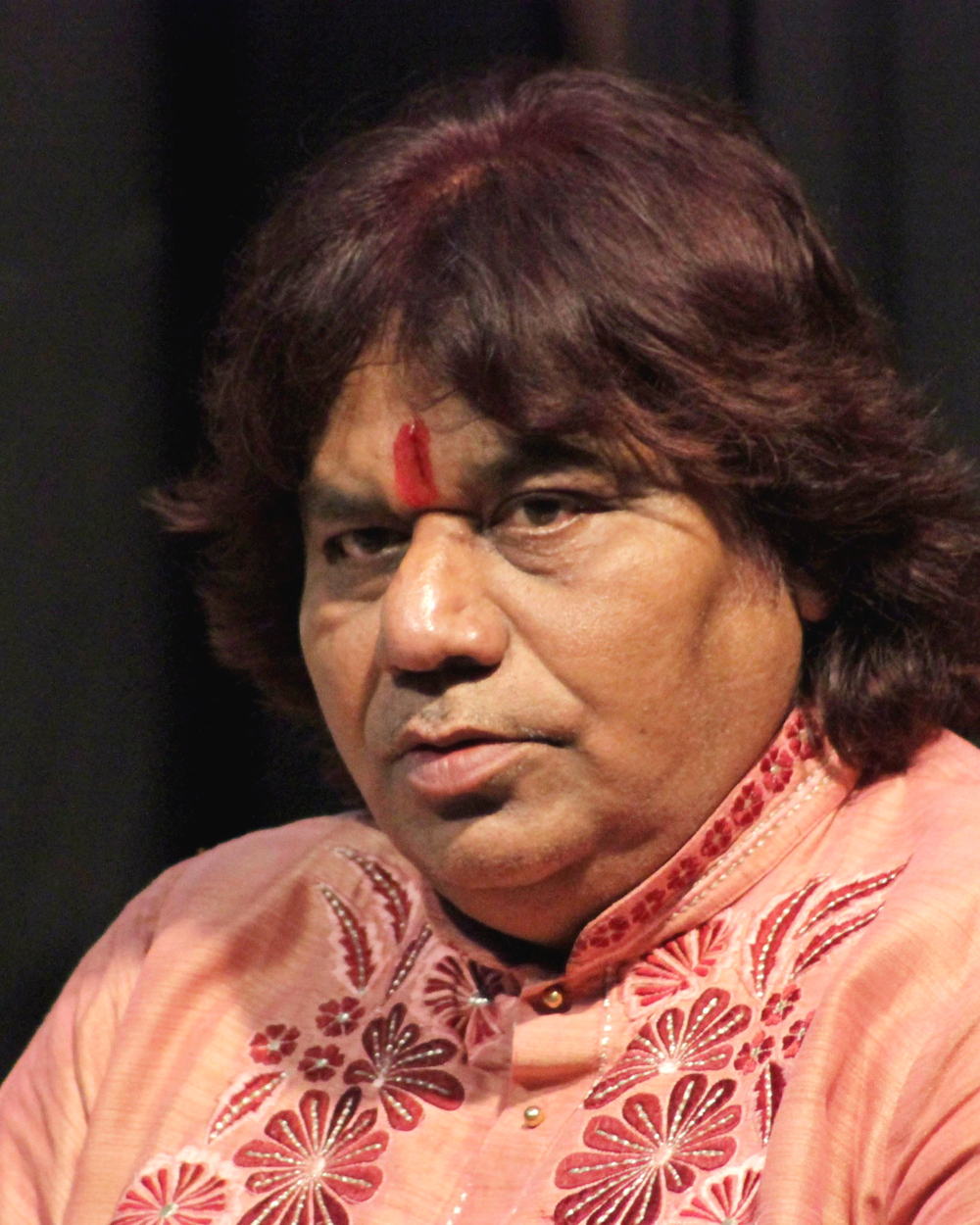 Pandit Bhavani Shankarperformed with
Named by Bhavani Shankar in a 2009 interview among the musicians he had performed with.
A world language, The Hindu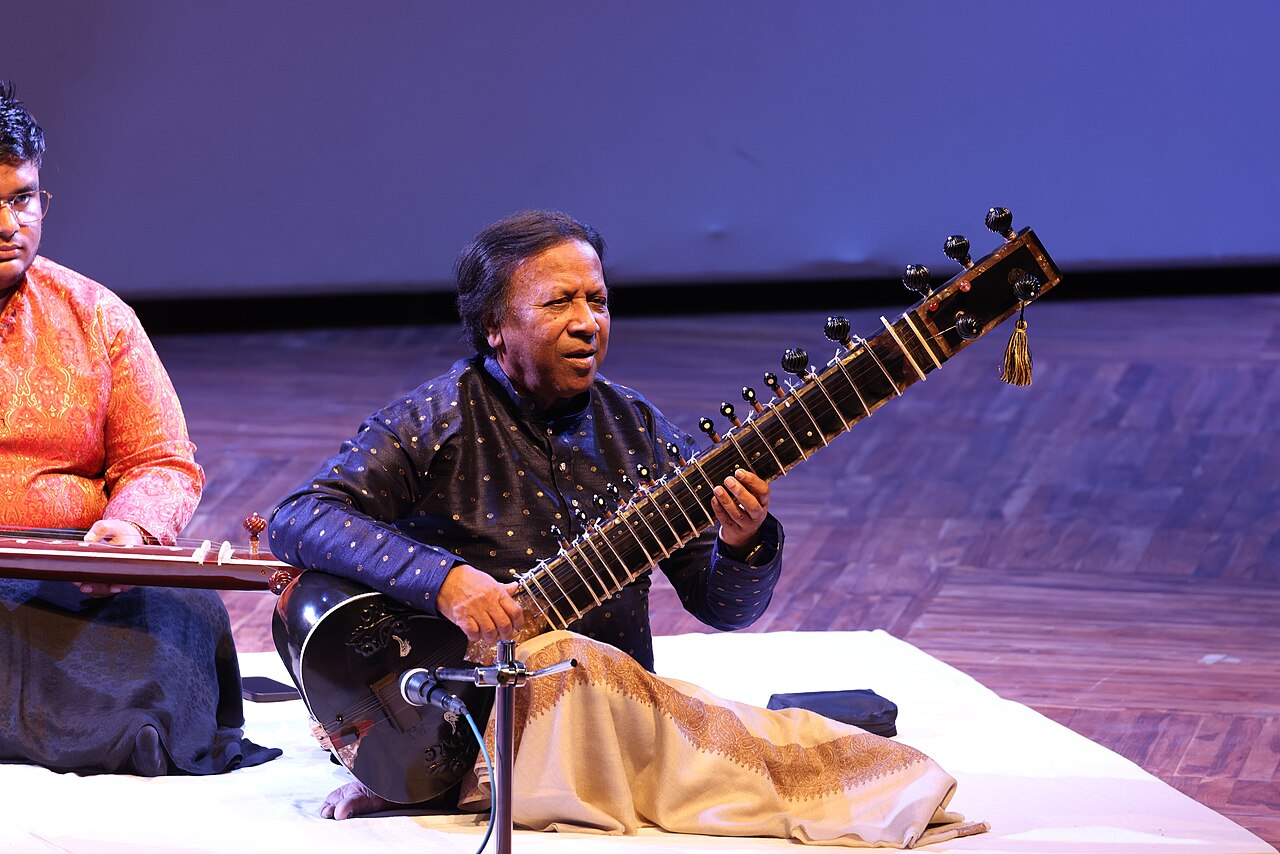 Ustad Shahid Parvez KhanAccompanied in concert
Photographed accompanying the sitarist; the image is used in the Wikipedia article on Samta Prasad.
Wikimedia Commons
Other recorded connections
 Pandit Anokhelal MishraDocumented admiration
Samta Prasad said he played "only one fourth" of Anokhelal Mishra's style.
Anokhelal Mishra — Wikipedia
Named on other pages
Musicians whose own pages record a connection with this one, in the words their sources use.
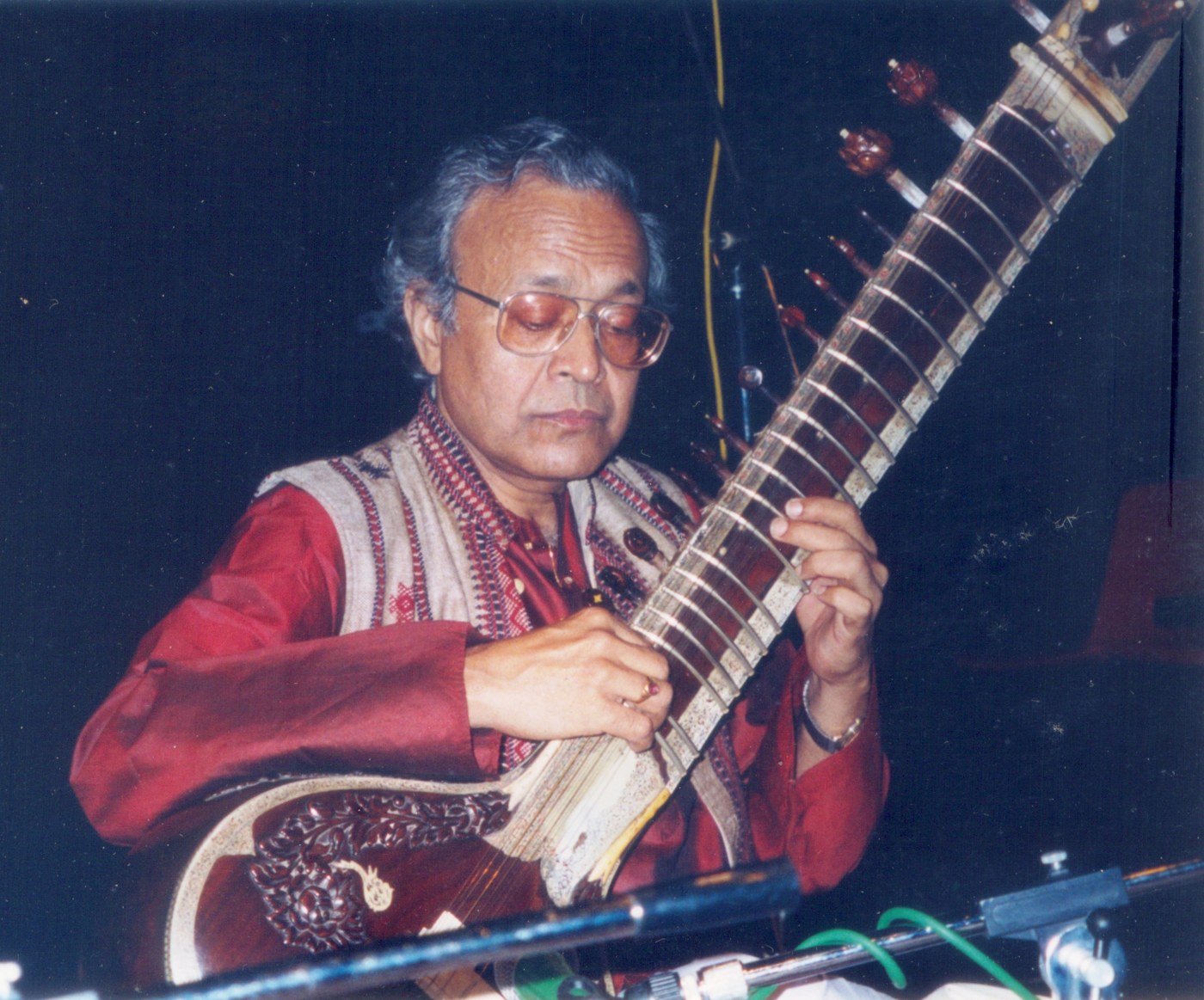 Pandit Manilal NagTheir page records: Accompanist
Accompanied his first public appearance at the All India Music Conference in 1953.
- Pandit Kanthe MaharajTheir page records: Listed among his disciples
Amal Das Sharma names Shamta Prasad (Gudai Maharaj) among Kanthe Maharaj's noted disciples, alongside Kishan Maharaj, Nanku Maharaj and Badri Maharaj.
Schools, gurukuls and institutions
- Prayag Sangeet Samiti
Performed at the Samiti
Recognition
Honours and recognition
Highest national honour first, then by year.
- 1991Padma Bhushan
- 1972Padma Shri
- 1979Sangeet Natak Akademi Award
Writing
From the journal
Community
Memories from the community
Personal recollections, not verified history
These are memories shared by listeners and musicians. They sit apart from the sourced biography above, and an editor reads each one before it appears.
- No memories have been shared yet.
Members can share a memory of Pandit Samta Prasad. Sign in or create an account.
Provenance
Sources and image credits
- Samta Prasad — Wikipedia
- Samta Prasad — radio autobiography, Prasar Bharati Archives
- Wikipedia — Benares gharana (tabla)
- Radio Star — Samta Prasad, percussion player in the Benares tradition
- Samta Prasad — Rajan Parrikar Music Archive (quoting Amal Das Sharma, Musicians of India)
No photograph of this musician is published here yet; we use only images we are permitted to show, with credit.
Continue exploring
- Benares gharana (tabla)The lineage Pandit Samta Prasad is associated with, and the other musicians documented within it.
- The tablaHow the instrument works, and who else in the archive plays it.
- Prayag Sangeet SamitiThe school Pandit Samta Prasad is connected to — what it teaches and where it is.
- All musiciansBrowse the archive by name, instrument or discipline.