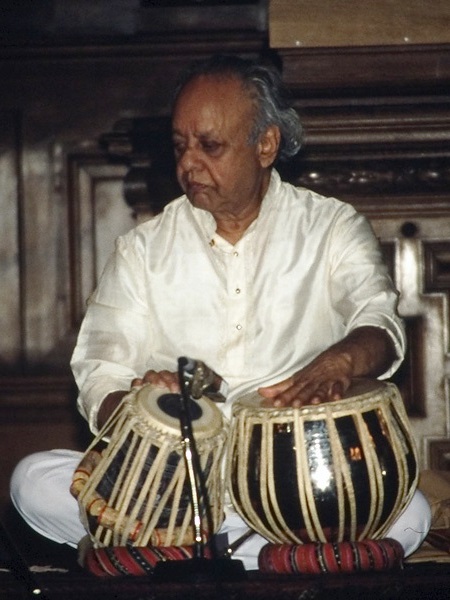
Hindustani classical · 1919–2000
Ustad Alla Rakha
The tabla player who carried the instrument onto the world's stages alongside Ravi Shankar.
- Instrument
- Tabla
- Gharana
- Punjab gharana (tabla)
- Schools & gurukuls
- Ali Akbar College of MusicRecorded in the college archive
- Born
- 29 April 1919, Phagwal, Jammu (also recorded as Ghagwal)
- Died
- 3 February 2000, Mumbai, Maharashtra
Official website & social links
Explore Ustad Alla Rakha's recordings and legacy on the pages kept in their name.
These destinations belong to Ustad Alla Rakha or to those who look after their work, and are checked by an editor before they are listed. They leave the archive. Suggest a link or a correction.
Where to start
Begin listening
Start here
Ektaal (live) — from Ustad Alla Rakha: The Multifaceted Genius
Saregama Hindustani Classical
A label-published live ektaal solo, released under his film-music name A. R. Qureshi on the album title.
Recordings are embedded from official or authorised channels and never rehosted. Nothing plays on its own, and starting one closes another. Where an editor has added a note, it explains why that recording was chosen — not what happens inside it.
Biography
Life
Allah Rakha Qureshi was born on 29 April 1919 in Phagwal, a village on the Jammu–Punjab border; some records give the name as Ghagwal, and one discography database wrongly places his birth at Ratangarh. His father was a soldier and the family, Dogra Muslims, did not regard music as a living for a son. He was the eldest of several brothers.
He left home at about eleven or twelve for an uncle in Gurdaspur, and from there to Lahore. The AllaRakha Foundation records that he ran away specifically to become a disciple of Mian Kader Baksh of the Punjab gharana; a widely repeated account told by the Banaras tabla player Rohen Bose has the boy standing up from the audience to accompany a dhrupad singer whose tabla player had failed him, after which connoisseurs sent him to Kader Baksh. The second story is oral tradition and should be read as such. Kader Baksh, who had no sons, formally adopted him and named him the next head of the gharana. He also studied vocal music and raga theory with Ustad Ashiq Ali Khan of the Patiala gharana — training that shaped the melodic sense later praised in his accompaniment.
He joined All India Radio in Lahore as a staff artist in the 1930s and moved to the Bombay station; sources give 1936, 1938 and 1940 for the two postings. From 1943 he composed for Hindi, Urdu and Punjabi films under the name A. R. Qureshi, among them Maa Baap (1944), Bewafa (1952), Khandan (1955) and Alam Ara (1956), before stepping away from cinema by the end of the 1950s to return to classical music full time.
He accompanied Bade Ghulam Ali Khan, Vilayat Khan, Ali Akbar Khan and Allauddin Khan, but it is his roughly three-decade partnership with Pandit Ravi Shankar that carried his playing furthest. Their Monterey Pop Festival appearance in 1967 and Woodstock in 1969 placed Hindustani music before audiences who had never heard it; the Monterey set included a six-minute solo in ektaal, and Rakha folded the sound of his tuning hammer on the bayan into the music rather than pausing for it. In 1968 he recorded Rich à la Rakha with the American jazz drummer Buddy Rich, one of the earliest attempts to set tabla against a drum kit as equals.
In 1985 he founded the Ustad Alla Rakha Institute of Music in Mumbai, now run by his son Fazal Qureshi. He received the Padma Shri in 1977 and the Sangeet Natak Akademi Award in 1982. He died in Mumbai on 3 February 2000, the day after his daughter Razia's death. His sons Zakir Hussain, Fazal Qureshi and Taufiq Qureshi are all percussionists.
Musical contribution
What they brought to music
Alla Rakha's reputation rests on two things held together: an accompanist's ear and a soloist's appetite. As an accompanist he is remembered for timing and for listening — shadowing a soloist's line rather than competing with it, a habit his Patiala vocal training helps explain. As a soloist he brought the rhythmic vocabulary of the Punjab gharana, with its pakhawaj inheritance of long, flowing phrases rather than short cadences, to concert audiences meeting it for the first time.
What a listener can hear most clearly in his recordings with Ravi Shankar is the sawal-jawab, the question-and-answer exchange in which sitar and tabla trade phrases of matching length until both arrive together on the sam, the first beat of the cycle. Before him the tabla largely kept time in such concerts; after him the exchange itself became a climax audiences waited for.
He is also credited with keeping Punjab tabla in circulation from outside Punjab: almost all of today's players of that baaj trace their line through him or through the institute he founded in 1985.
Life in dates
Timeline
1919
Born in Ghagwal
Born in a village in the Jammu province of the princely state of Jammu and Kashmir.
c. 1931
Leaves home to study tabla
Goes to Gurdaspur and begins training with Mian Kader Baksh of the Punjab gharana, who later adopts him.
1936
Joins All India Radio, Lahore
Appointed a staff artist; later transferred to the Bombay station. Sources give the move as 1938 or 1940.
1943–1964
Composes for films as A. R. Qureshi
Writes music for around two dozen Hindi, Urdu and Punjabi films before returning his attention to classical music.
1967
Monterey Pop Festival
Performs with Pandit Ravi Shankar before a large Western festival audience.
1969
Woodstock
Appears again with Ravi Shankar; the two festivals are widely credited with introducing Hindustani music to general audiences abroad.
2000
Dies in Mumbai
Dies on 3 February, a day after the death of his daughter Razia.
In pictures
Photographs
Lineage & company
Teachers, students and musical connections
Documented teaching lineage
Taught Ustad Zakir Hussain
Father and teacher.
Zakir Hussain — WikipediaTaught Pandit Yogesh Samsi
A twenty-three-year discipleship.
Darbar — Pandit Yogesh Samsi
Teaching, family, collaboration and influence are recorded separately here; none is ever inferred from another.
In the documented teaching trees
Where the archive's lineage research places Ustad Alla Rakha, and the teaching links recorded around them inside each tree.
Punjab gharana (tabla)1919–2000
Accompanist to Ravi Shankar and the player who made tabla familiar abroad.
Taught in this tree by: Mian Qadir Baksh
Recorded as teaching: Fazal Qureshi
People
Grouped by the kind of relationship the sources record — who taught this musician, who they taught, family, and the people they played with.
Teachers and gurus
- Mian Kader BakshTeacher
Punjab gharana master who taught and formally adopted him.
Alla Rakha — Wikipedia - Ustad Ashiq Ali KhanTeacher
Taught him vocal music and raga theory in the Patiala gharana.
Alla Rakha — Wikipedia
Students and disciples
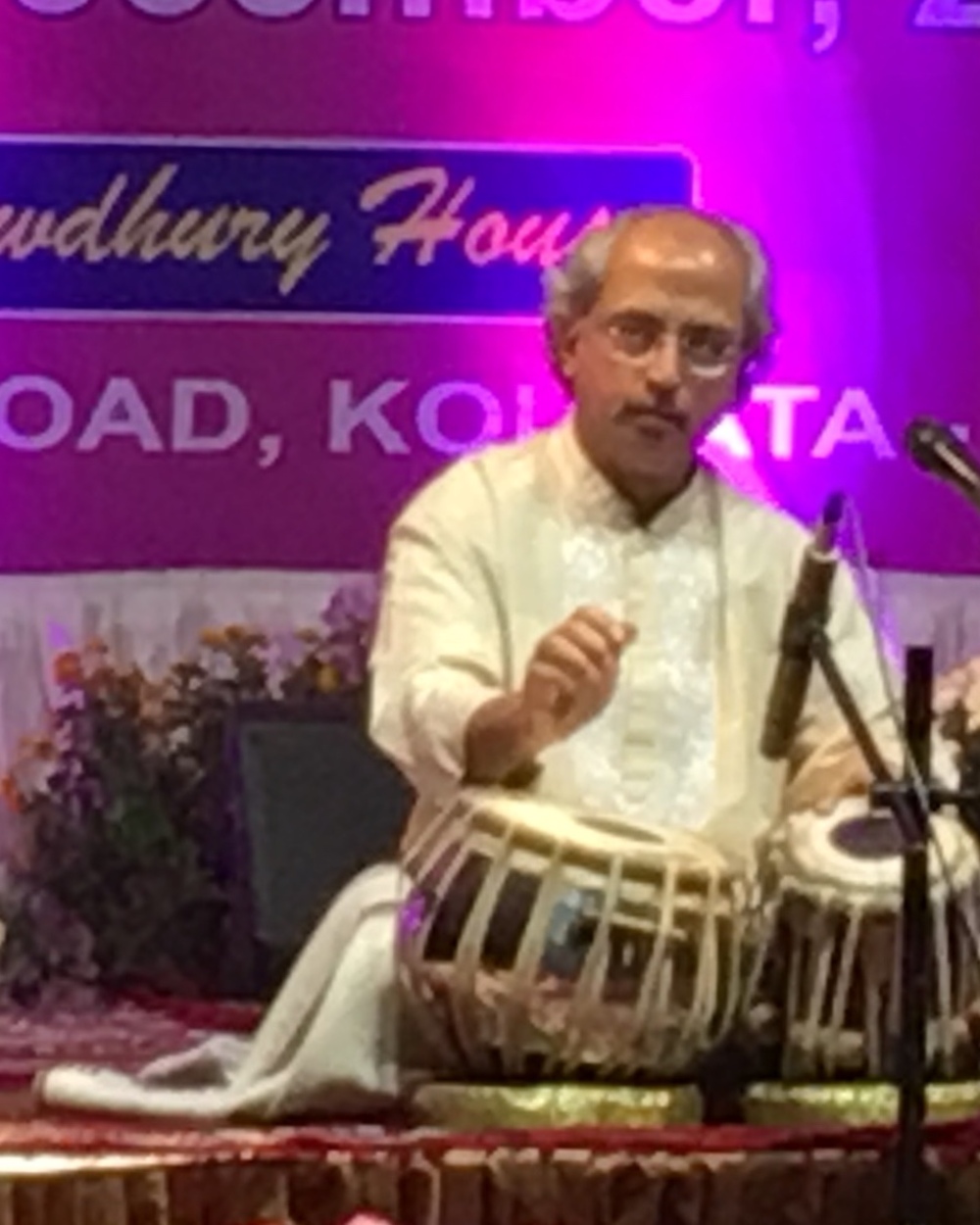 Pandit Yogesh SamsiSelected documented student
Samsi trained with him for twenty-three years.
Yogesh Samsi — official site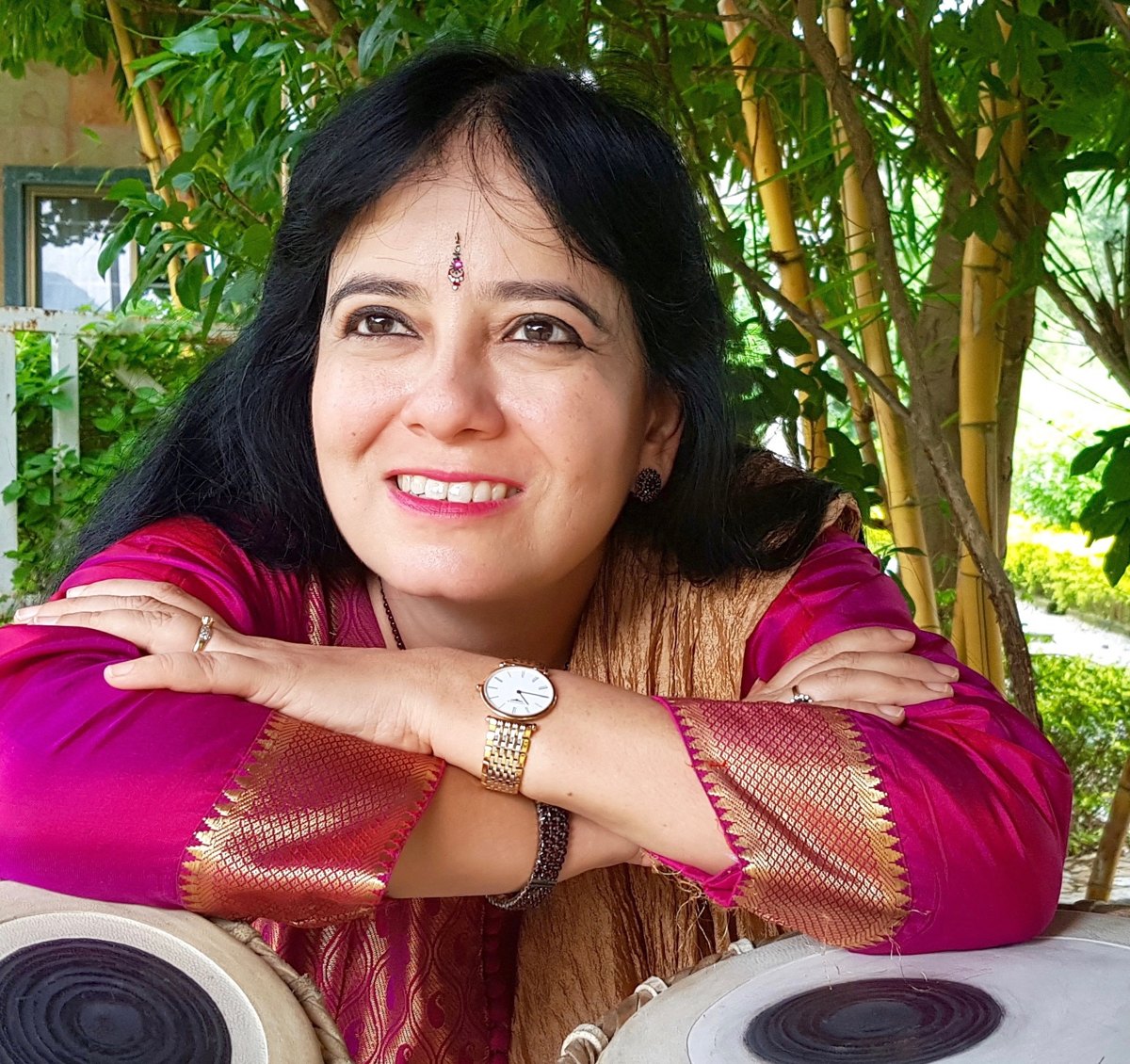 Vidushi Anuradha Palstudent
Trained under him over many years; she led a 215-musician tribute on his centenary in 2018.
Anuradha Pal — Wikipedia
Family
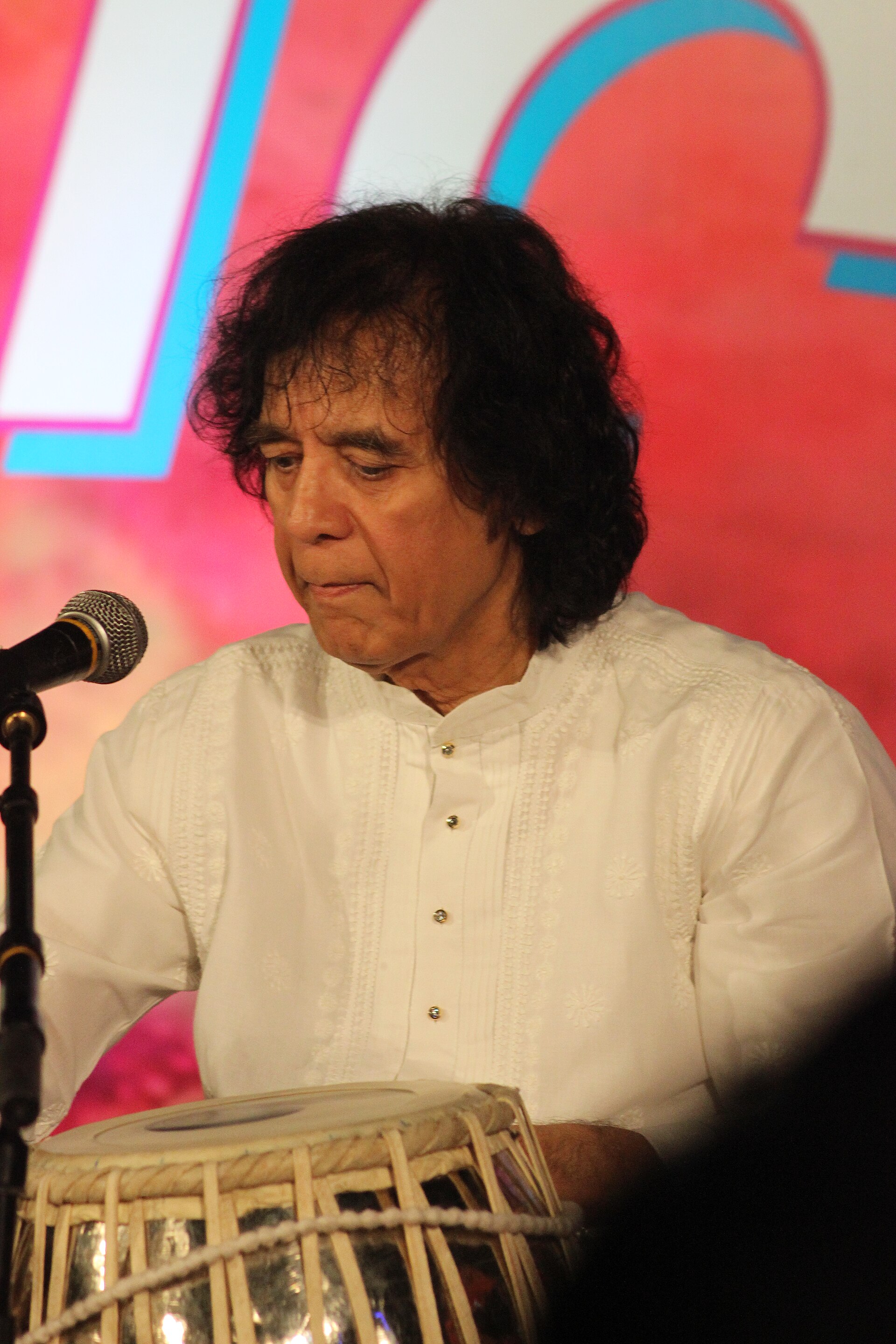 Ustad Zakir HussainSon and student
Eldest son; also Fazal Qureshi and Taufiq Qureshi.
Alla Rakha — Wikipedia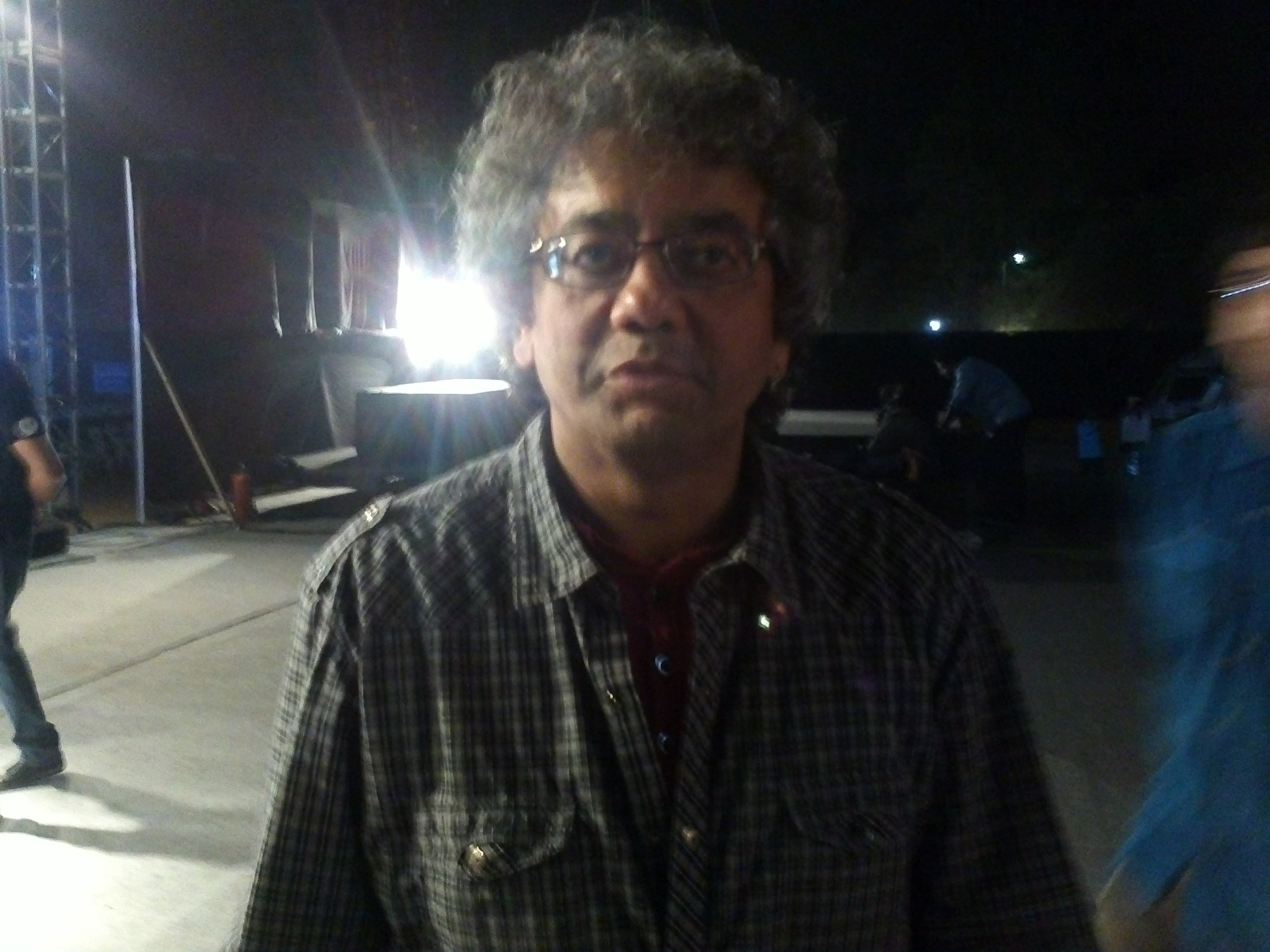 Ustad Taufiq QureshiSon and student
Taught him the rudiments of tabla.
Musical Background — taufiqqureshi.com (official)- Ustad Fazal QureshiSon and student
Taught him tabla from his mid teens; Fazal now runs the institute Alla Rakha founded in 1985.
Fazal Qureshi — Wikipedia
Collaborators and accompanists
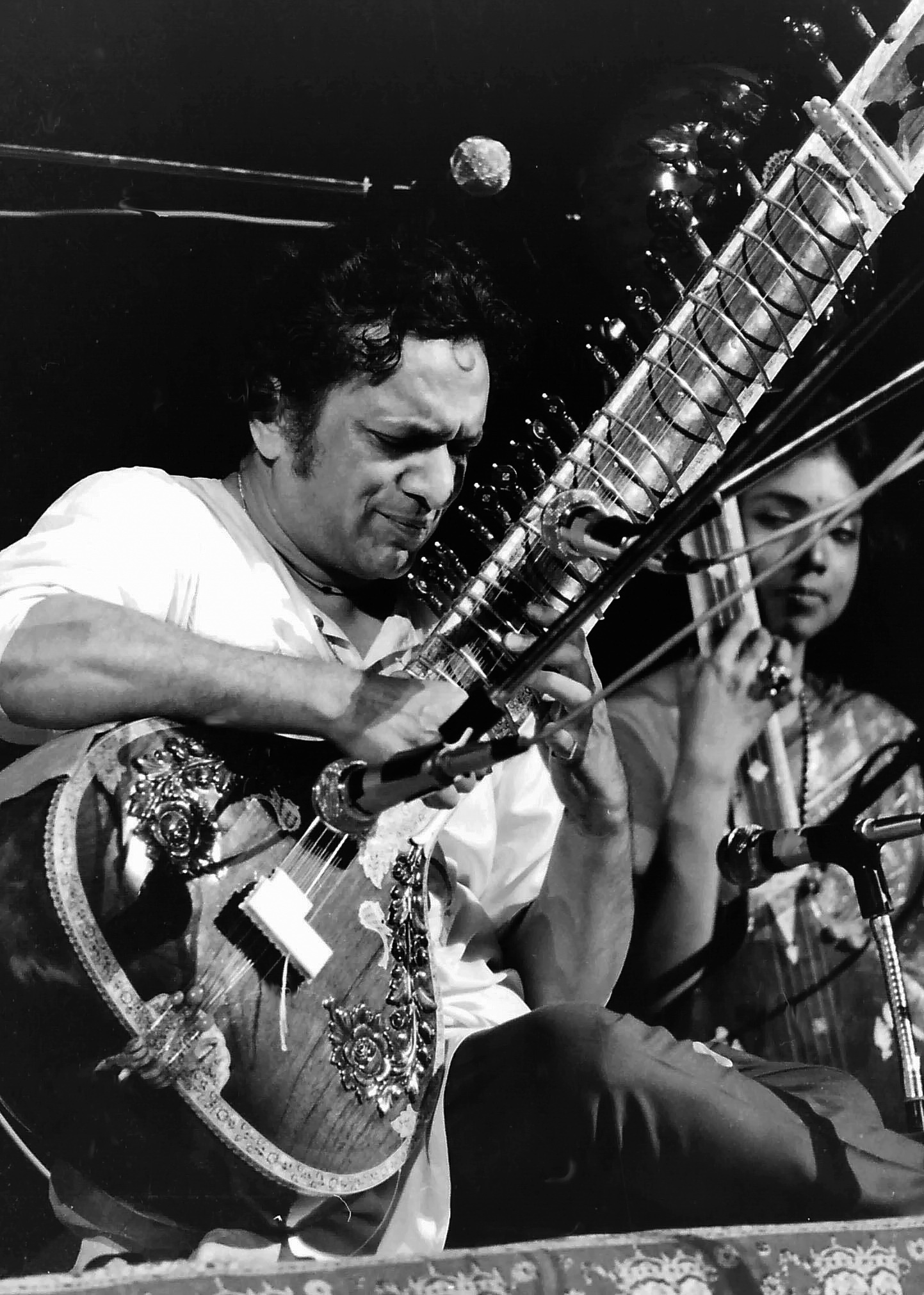 Pandit Ravi ShankarLongtime musical partner
Accompanied him for close to three decades, including at Monterey and Woodstock.
Alla Rakha — Wikipedia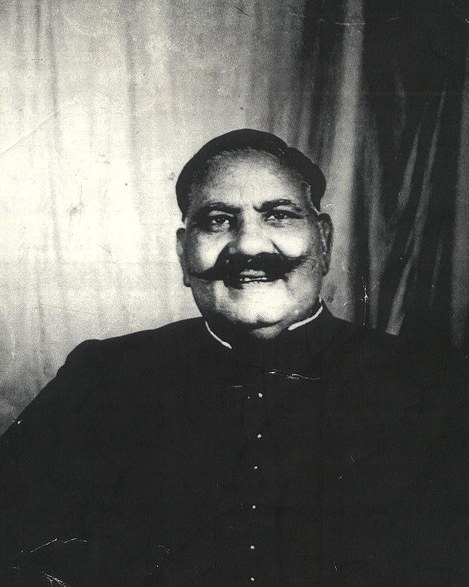 Ustad Bade Ghulam Ali Khanaccompanied
Among the leading vocalists he accompanied before and alongside his concert career with Ravi Shankar.
The Guardian — Alla Rakha obituary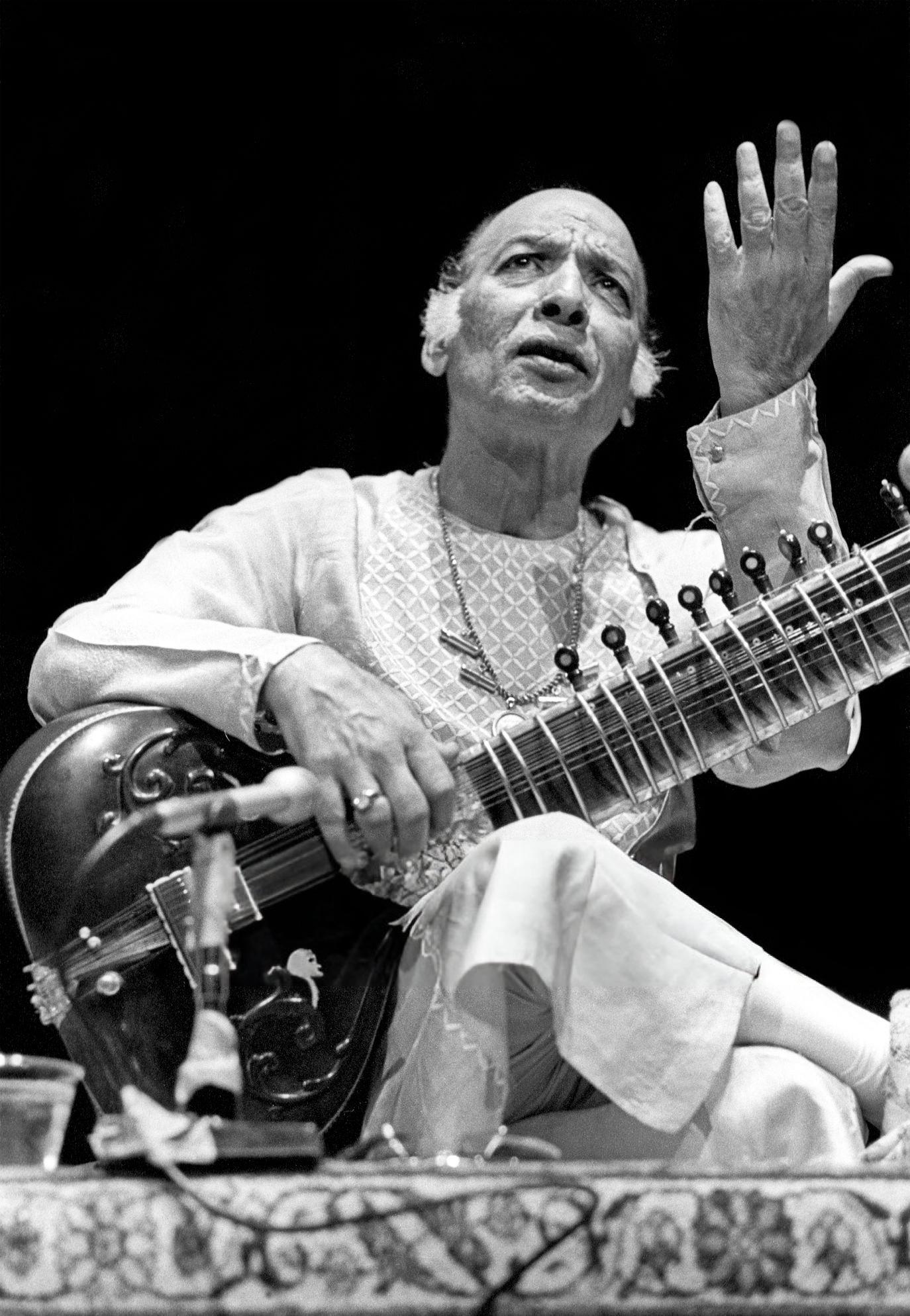 Ustad Vilayat Khanaccompanied
Named among the instrumentalists he accompanied.
The Guardian — Alla Rakha obituary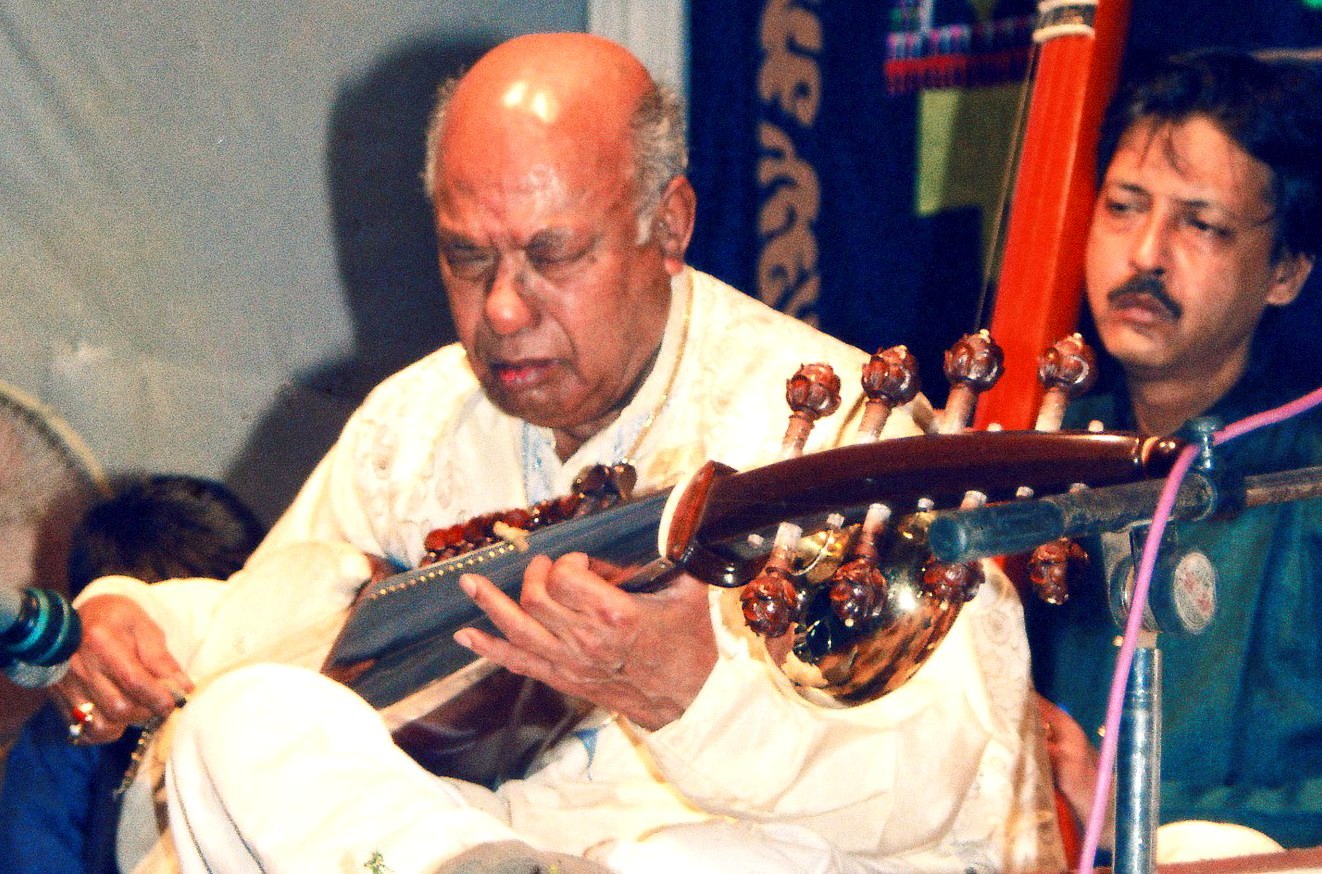 Ustad Ali Akbar Khanaccompanied
Named among the instrumentalists he accompanied.
The Guardian — Alla Rakha obituary- Buddy RichCollaborator
Recorded Rich à la Rakha (1968), an early tabla and drum-kit meeting.
The Indian Express — The genius of Alla Rakha Qureshi 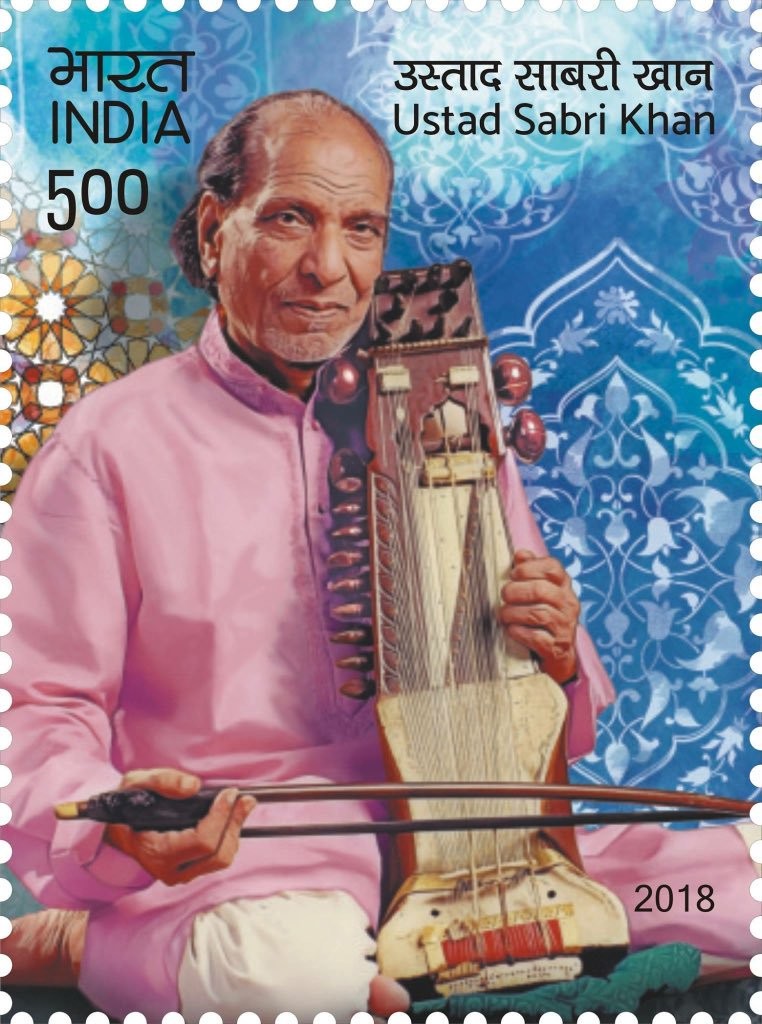 Ustad Sabri Khantoured with
On the same early-1960s United States tour with Pandit Ravi Shankar.
Sabri Khan — Wikipedia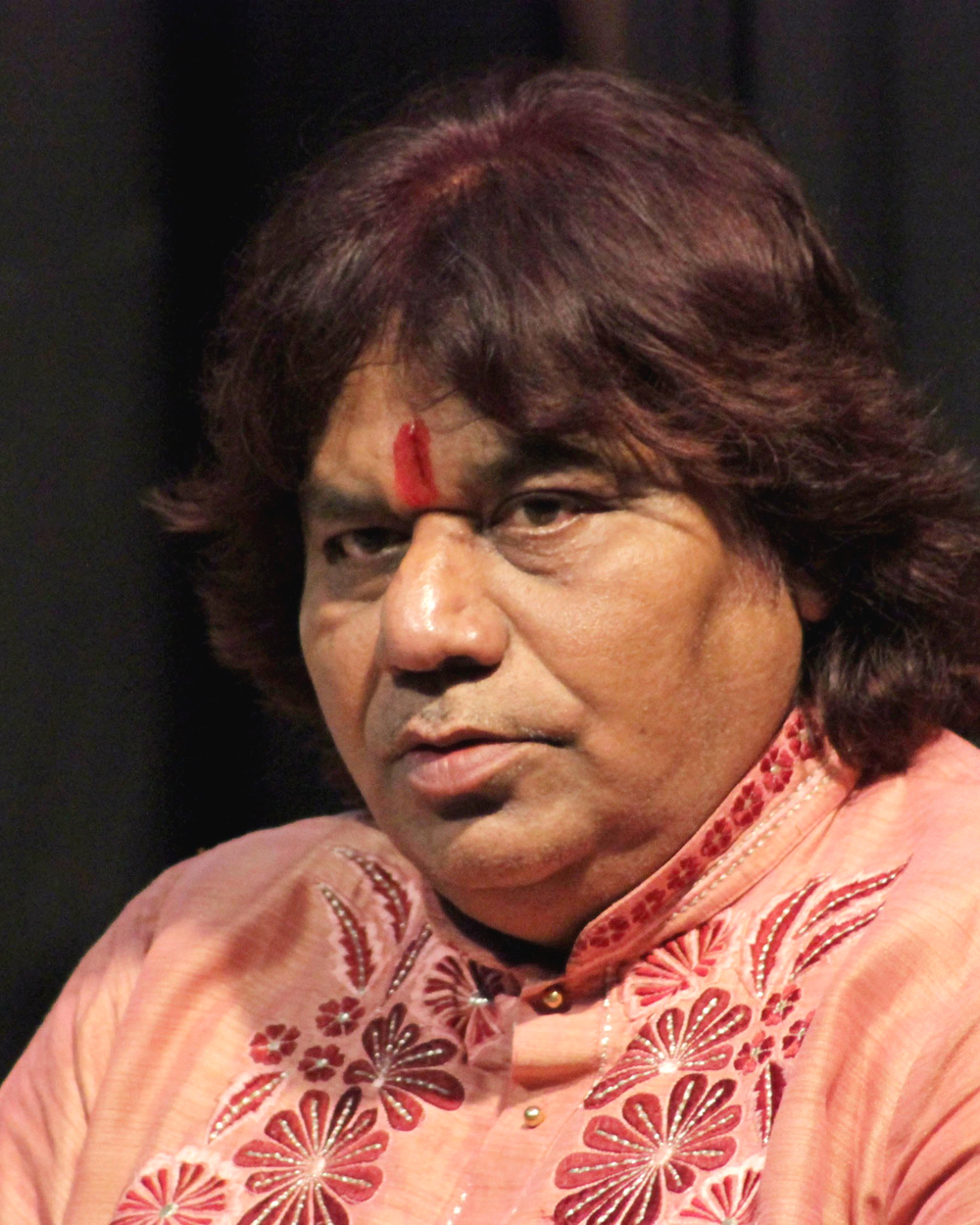 Pandit Bhavani Shankarperformed with
Named by Bhavani Shankar in a 2009 interview among the musicians he had performed with.
A world language, The Hindu
Schools, gurukuls and institutions
- Ali Akbar College of Music
Recorded in the college archive
Recognition
Honours and recognition
Highest national honour first, then by year.
- 1977Padma Shri
- 1982Sangeet Natak Akademi Award
- 2000T. Chowdiah Award
Writing
From the journal
Indian classical music: an introduction
What raga and tala actually are, how a concert is shaped, why lineage matters, and where to start listening. A first map of a very large territory.
How to listen to a tabla solo
A tabla solo is not a drum showcase but a suite of contrasting forms, held together by a repeating melodic line. Here is what is happening, in the order you are likely to hear it.
Community
Memories from the community
Personal recollections, not verified history
These are memories shared by listeners and musicians. They sit apart from the sourced biography above, and an editor reads each one before it appears.
- No memories have been shared yet.
Members can share a memory of Ustad Alla Rakha. Sign in or create an account.
Provenance
Sources and image credits
- Alla Rakha — Wikipedia
- Alla Rakha — Encyclopaedia Britannica
- Photograph: Alla Rakha, 1988 — Wikimedia Commons
- AllaRakha Foundation — Ustad AllaRakha
- The Guardian — Alla Rakha obituary (2000)
- The Hindu — The enduring charm of Abbaji
- The Indian Express — The genius of Alla Rakha Qureshi
Photograph by Alephalpha, 1988, CC BY-SA 3.0, via Wikimedia Commons
Continue exploring
- Punjab gharana (tabla)The lineage Ustad Alla Rakha is associated with, and the other musicians documented within it.
- The tablaHow the instrument works, and who else in the archive plays it.
- Ali Akbar College of MusicThe school Ustad Alla Rakha is connected to — what it teaches and where it is.
- All musiciansBrowse the archive by name, instrument or discipline.