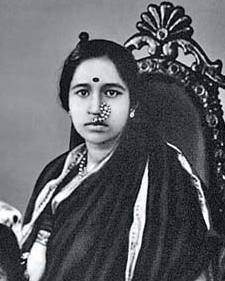
Hindustani classical · 1913–2009
Gangubai Hangal
A deep, unadorned khayal voice that made room for women in a field that had none.
- Instrument
- Khayal vocal
- Gharana
- Kirana gharana
- Born
- 5 March 1913, Hangal, Hangal, Dharwad district, Karnataka
- Died
- 21 July 2009, Hubli, Hubli, Karnataka
Official website & social links
Explore Gangubai Hangal's recordings and legacy on the pages kept in their name.
These destinations belong to Gangubai Hangal or to those who look after their work, and are checked by an editor before they are listed. They leave the archive. Suggest a link or a correction.
Where to start
Begin listening
Raga Asavari — khayal
Asavari · Saregama · Saregama Hindustani Classical
Raga Chandrakauns — "Kab Ghar Aayo"
Chandrakauns · Saregama · Saregama Hindustani Classical
Recordings are embedded from official or authorised channels and never rehosted. Nothing plays on its own, and starting one closes another. Where an editor has added a note, it explains why that recording was chosen — not what happens inside it.
Biography
Life
Gangubai Hangal was born on 5 March 1913 in Hangal, in what is now Karnataka. Her mother, Ambabai, was a Carnatic vocalist; the family belonged to a traditional musician community that carried considerable social stigma at the time. Gangubai was drawn instead to Hindustani music, and accounts of her childhood describe a gramophone record of Zohrabai Agrewali as the turning point.
In 1928 the family moved to Hubli so that she could study properly. After early lessons with Krishnacharya Hulgur and Dattopant Desai, she became a disciple of Sawai Gandharva, the Kirana master who also taught Bhimsen Joshi. The training was hard and long, and involved years of repeated, exacting practice.
She began recording for HMV and broadcasting on All India Radio in the 1930s, at a time when very few women from any background performed publicly. Through those years she met open caste discrimination: she was kept out of certain houses and halls, and treated as an outsider by parts of the orthodox musical establishment.
A tonsil operation in her youth left her voice markedly deeper. She did not try to recover the earlier sound. The new register — heavy, unornamented, carrying — became the voice the country knew.
She lived in the same house in Hubli for most of her life, continued teaching into old age, and died there on 21 July 2009, aged ninety-six.
Musical contribution
What they brought to music
Gangubai sang khayal, and largely only khayal. She declined the lighter thumri and bhajan repertoire that audiences often expected of women singers, and insisted on being judged by the same measure as any male classical vocalist. That refusal was itself an argument, and it changed what a woman on a Hindustani concert platform could be.
Musically she held to the Kirana gharana's swara-pradhana approach: the note first, unhurried, without decorative excess. Her expositions were built slowly and squarely, and her low register gave them a weight that few contemporaries could match. What she passed on, through her daughter Krishna Hangal and her students, was a model of austerity — the raga stated plainly and completely, with nothing added for effect.
Life in dates
Timeline
1913
Born in Hangal
Born on 5 March into a family of the traditional musician community of Dharwad district.
1928
Moves to Hubli
The family relocates so that she can train seriously; she later becomes a disciple of Sawai Gandharva.
1930s
First recordings and broadcasts
Records for HMV and begins performing on All India Radio.
1971
Padma Bhushan
Awarded by the Government of India.
1996
Sangeet Natak Akademi Fellowship
Elected a Fellow of the Akademi.
2002
Padma Vibhushan
India's second-highest civilian honour.
2009
Dies in Hubli
Dies on 21 July, aged ninety-six.
In pictures
Photographs
Lineage & company
Teachers, students and musical connections
Documented teaching lineage
Taught by Sawai Gandharva
Gangubai Hangal trained with Sawai Gandharva.
Gangubai Hangal — Wikipedia
Teaching, family, collaboration and influence are recorded separately here; none is ever inferred from another.
In the documented teaching trees
Where the archive's lineage research places Gangubai Hangal, and the teaching links recorded around them inside each tree.
Kirana gharana1913–2009
A deep-voiced Kirana singer whose career opened the concert stage to women of her background.
Taught in this tree by: Sawai Gandharva
People
Grouped by the kind of relationship the sources record — who taught this musician, who they taught, family, and the people they played with.
Teachers and gurus
- Pandit Sawai GandharvaTeacher
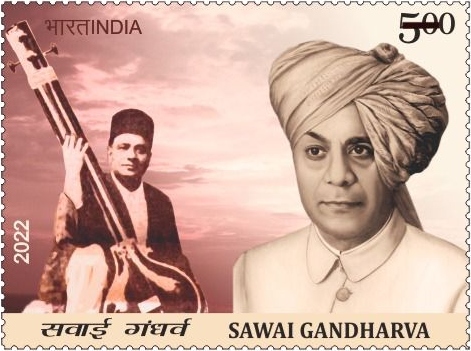
Kirana gharana master, who also taught Bhimsen Joshi.
Gangubai Hangal — Wikipedia - Dattopant DesaiEarly teacher
Taught her in Hubli before her years with Sawai Gandharva.
Gangubai Hangal — Wikipedia - Krishnacharya HulgurEarly teacher
Her first formal teacher from age thirteen; she learned sixty compositions in a year before the lessons ended.
Gangubai Hangal — Wikipedia
Students and disciples
- Pandit Vinayak TorviStudent
Documented musical teaching; not an exclusive gharana claim.
Published musician biography / interview 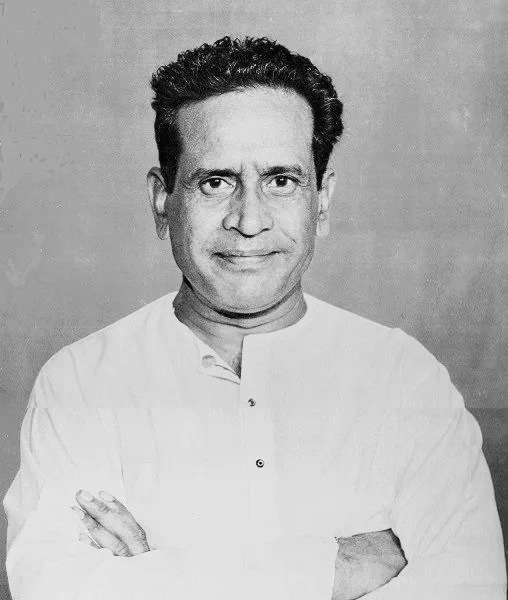 Pandit Bhimsen JoshiFellow disciple
Both trained under Sawai Gandharva at Hubli.
Sawai Gandharva — Wikipedia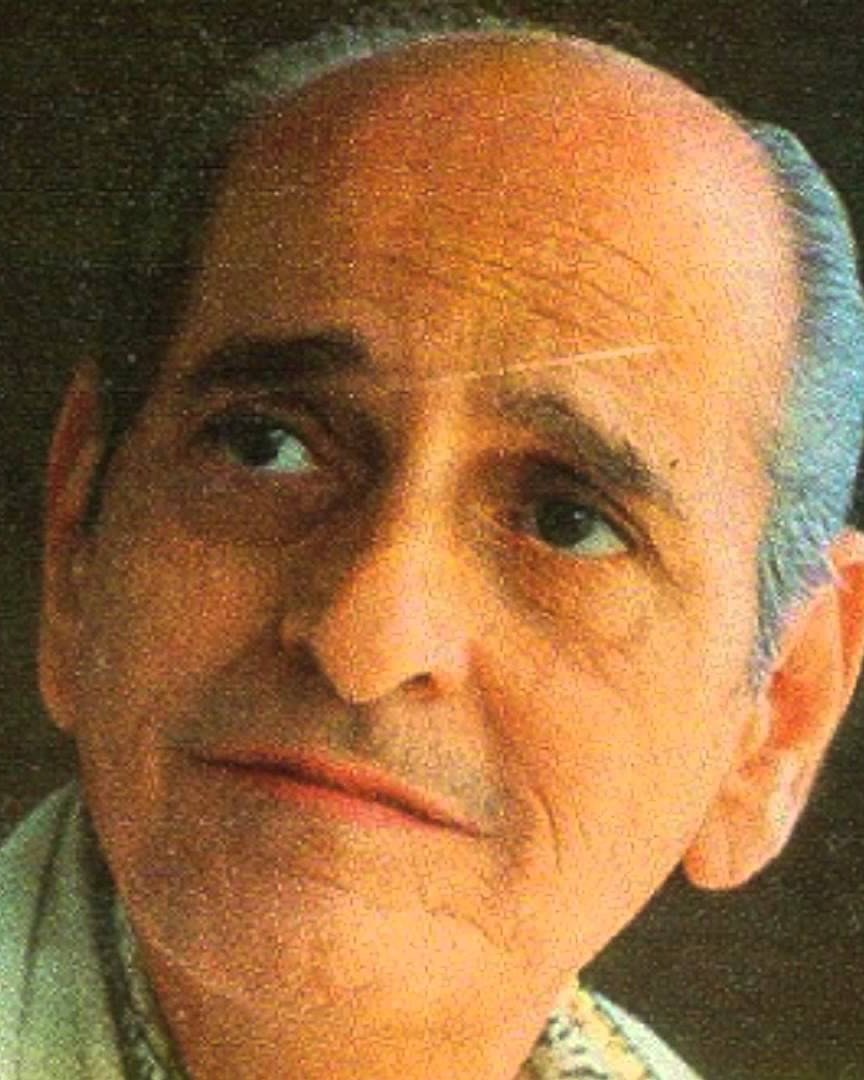 Pandit Firoz DasturFellow disciple
Both counted among Sawai Gandharva's disciples.
Sawai Gandharva — Wikipedia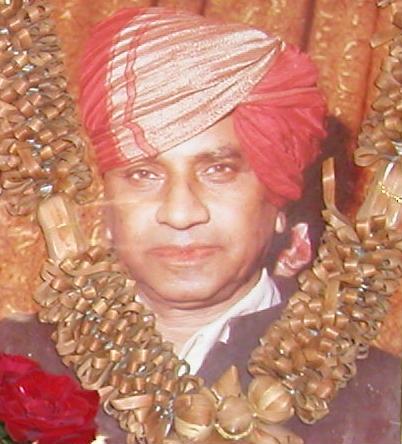 Pandit Basavaraj RajguruFellow disciple
Both counted among Sawai Gandharva's disciples.
Sawai Gandharva — Wikipedia
Family
- AmbabaiMother
A Carnatic vocalist.
Gangubai Hangal — Wikipedia - Krishna HangalDaughter and student
Sang with her mother for many years.
Gangubai Hangal — Wikipedia
Collaborators and accompanists
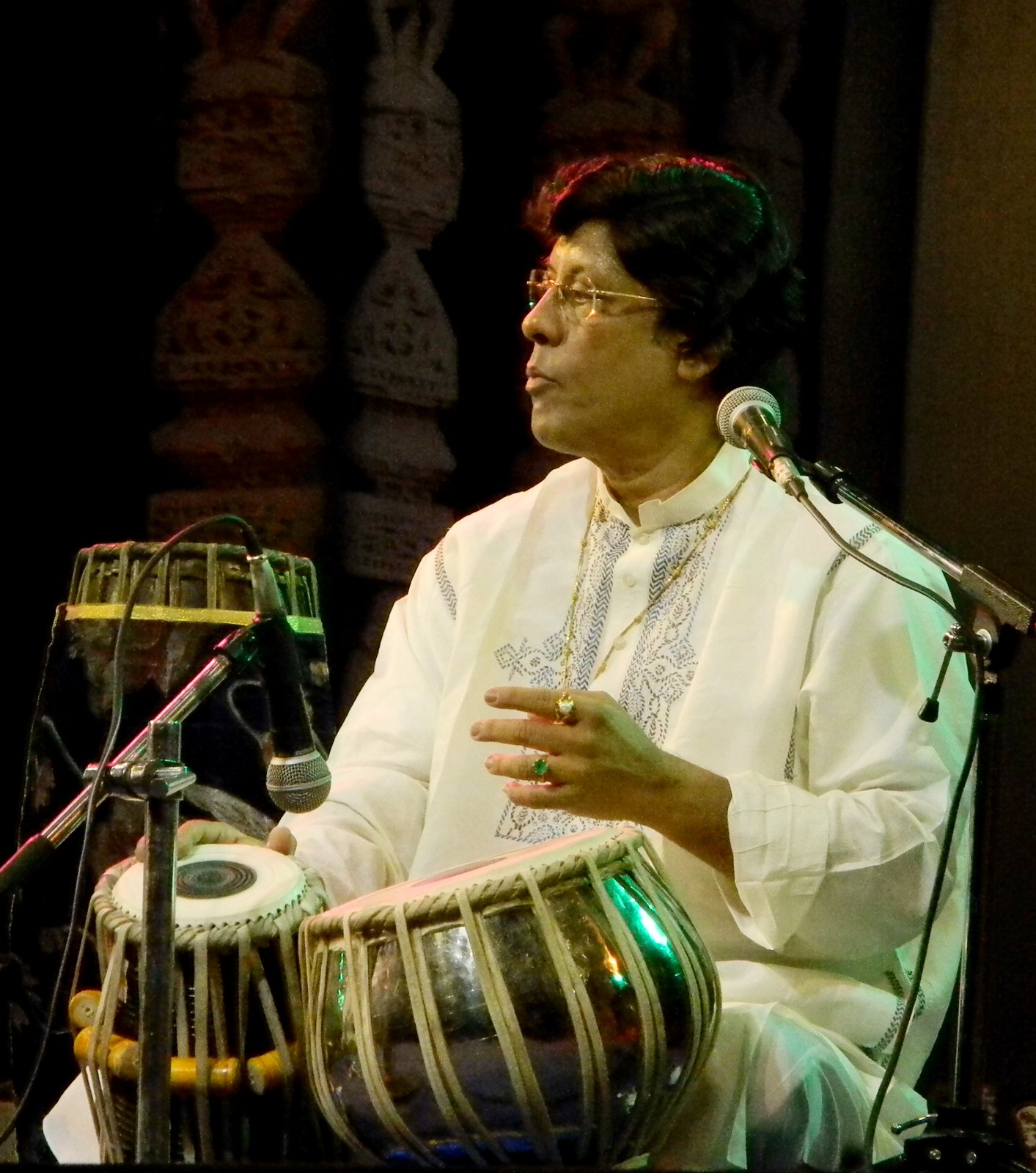 Pandit Anindo ChatterjeeAccompanied by
Named among the tabla players who have accompanied him.
Wikipedia — Anindo Chatterjee
Recognition
Honours and recognition
Highest national honour first, then by year.
- 2002Padma Vibhushan
- 1971Padma Bhushan
- 1996Sangeet Natak Akademi Fellowship
- 1973Sangeet Natak Akademi Award
Community
Memories from the community
Personal recollections, not verified history
These are memories shared by listeners and musicians. They sit apart from the sourced biography above, and an editor reads each one before it appears.
- No memories have been shared yet.
Members can share a memory of Gangubai Hangal. Sign in or create an account.
Provenance
Sources and image credits
- Gangubai Hangal — Wikipedia
- Gangubai Hangal — Encyclopaedia Britannica
- Gangubai Hangal obituary — The Guardian
Photograph via Wikimedia Commons, public domain
Continue exploring