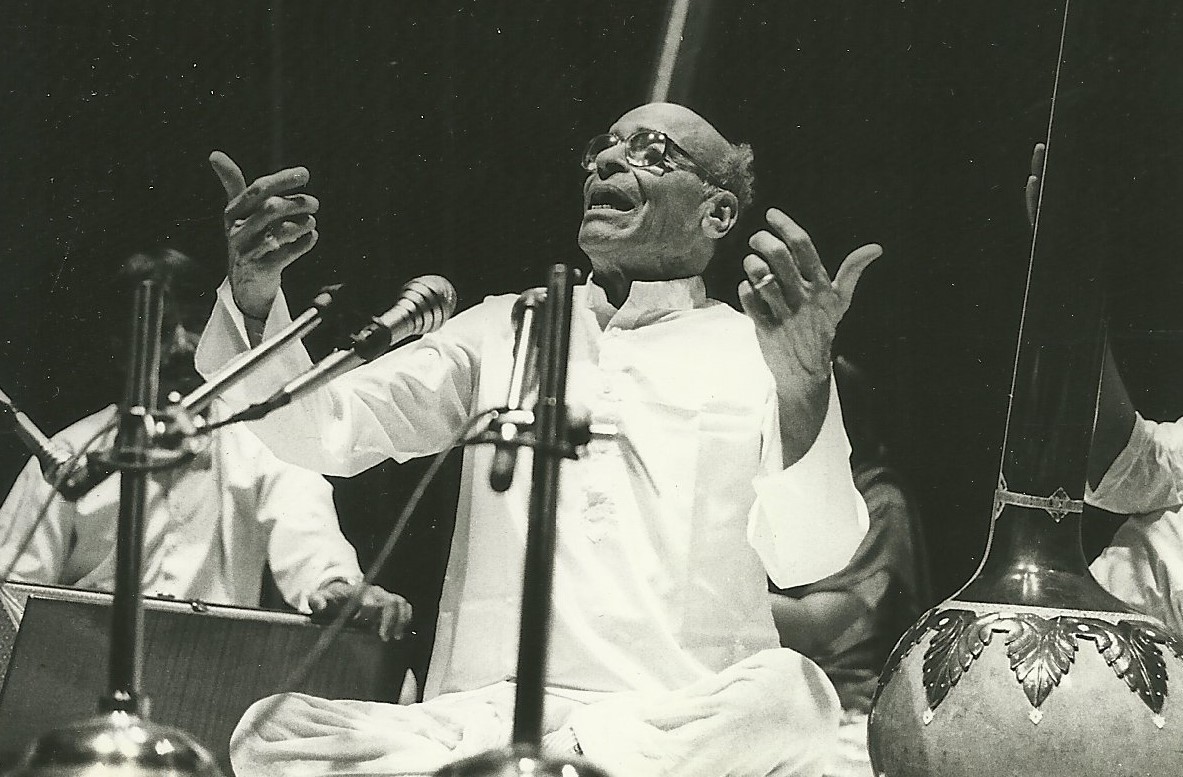
Hindustani classical · 1910–1992
Pandit Mallikarjun Mansur
The keeper of ragas almost nobody else still sang.
- Instrument
- Khayal vocal
- Gharana
- Jaipur-Atrauli gharana
- Born
- 31 December 1910, Mansur, Mansur village, near Dharwad, Karnataka
- Died
- 12 September 1992, Dharwad, Dharwad, Karnataka
Official website & social links
Explore Pandit Mallikarjun Mansur's recordings and legacy on the pages kept in their name.
These destinations belong to Pandit Mallikarjun Mansur or to those who look after their work, and are checked by an editor before they are listed. They leave the archive. Suggest a link or a correction.
Where to start
Begin listening
Start here
Raag Bhankar
AIR Raagam
A broadcaster-published khayal recording in a raga closely associated with the Jaipur-Atrauli repertoire.
Recordings are embedded from official or authorised channels and never rehosted. Nothing plays on its own, and starting one closes another. Where an editor has added a note, it explains why that recording was chosen — not what happens inside it.
Biography
Life
Mallikarjun Mansur was born on 31 December 1910 at Mansur, a village a few kilometres from Dharwad. His father was the village headman, a farmer who supported musicians; his elder brother ran a Yakshagana troupe.
At about nine he appeared in a small role in a Yakshagana play, and was then sent with a travelling troupe, whose owner encouraged him to sing on stage. He was first trained in Carnatic music by Appaya Swamy, and then introduced to Hindustani music by Nilkanth Bua Alurmath of Miraj, of the Gwalior gharana.
In the late 1920s Nilkanth Bua took him to Alladiya Khan, who sent him to his elder son Manji Khan. After Manji Khan's early death he continued under the younger brother, Bhurji Khan, and it was that training which formed his mature style.
He worked as a music director for His Master's Voice and later as an adviser on music to All India Radio, and from 1978 to 1982 directed the Faculty of Fine Arts at Karnataka University, where he helped establish music as a subject of study.
He wrote an autobiography in Kannada, Nanna Rasayatre, translated into English by his son Rajashekhar Mansur, himself a vocalist. He died in Dharwad on 12 September 1992 and was given a state funeral; the Padma Vibhushan was conferred the same year.
Musical contribution
What they brought to music
Mansur is remembered above all for the ragas he kept alive. Shuddh Nat, Asa Jogiya, Hem Nat, Lachchhasakh, Khat, Shivmat Bhairav, Kabir Bhairav, Adambari Kedar, Bahaduri Todi and others were rarely heard from anyone else; he sang them as living music rather than as curiosities, and the Jaipur-Atrauli repertoire survives fuller because of it.
His singing was compact and fast-moving — brisk taans, close rhythmic work, and an architecture that revealed the raga by accumulation rather than by slow expansion. Early on his voice carried echoes of Manji Khan; later it became unmistakably his own, and for many listeners it defined what the Jaipur manner sounded like in the second half of the century.
Life in dates
Timeline
1910
Born near Dharwad
Born on 31 December at Mansur village.
c. 1919
First stage appearance
Sings and acts with a travelling Yakshagana troupe.
late 1920s
Enters the Jaipur-Atrauli gharana
Taken to Alladiya Khan, who sends him to his son Manji Khan; later trains under Bhurji Khan.
1970
Padma Shri
Awarded by the Government of India.
1976
Padma Bhushan
Awarded by the Government of India.
1978–1982
Directs Fine Arts at Karnataka University
Helps establish music as an academic subject there.
1982
Sangeet Natak Akademi Fellowship
The Akademi's highest honour.
1992
Dies in Dharwad
Dies on 12 September; awarded the Padma Vibhushan the same year.
In pictures
Photographs
Lineage & company
Teachers, students and musical connections
In the documented teaching trees
Where the archive's lineage research places Pandit Mallikarjun Mansur, and the teaching links recorded around them inside each tree.
Jaipur-Atrauli gharana1910–1992
Sang rare Jaipur-Atrauli ragas with unusual speed and clarity.
Taught in this tree by: Bhurji Khan, Manji Khan
People
Grouped by the kind of relationship the sources record — who taught this musician, who they taught, family, and the people they played with.
Teachers and gurus
- Nilkanth Bua AlurmathEarly teacher
Gwalior gharana musician of Miraj, who introduced him to Hindustani music.
Mallikarjun Mansur — Wikipedia 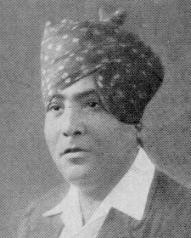 Manji KhanTeacher
Elder son of Alladiya Khan.
Mallikarjun Mansur — Wikipedia- Bhurji KhanPrincipal teacher
Younger son of Alladiya Khan; shaped his mature style.
Mallikarjun Mansur — Wikipedia 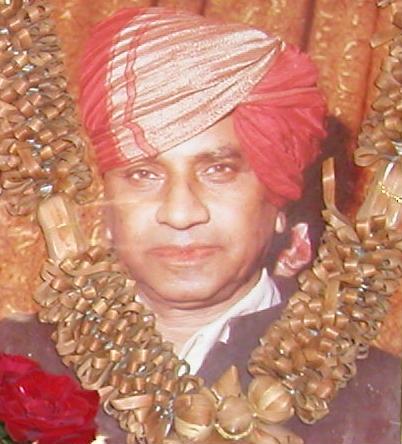 Pandit Basavaraj RajguruContemporary
Named with Rajguru among the Dharwad district musicians — Bhimsen Joshi, Gangubai Hangal, Mallikarjun Mansur, Kumar Gandharva — in Parrikar's account.
Rajan P. Parrikar, Great Masters 26
Family
- Rajashekhar MansurSon and student
Vocalist, and translator of his father's autobiography.
Mallikarjun Mansur — Wikipedia
Collaborators and accompanists
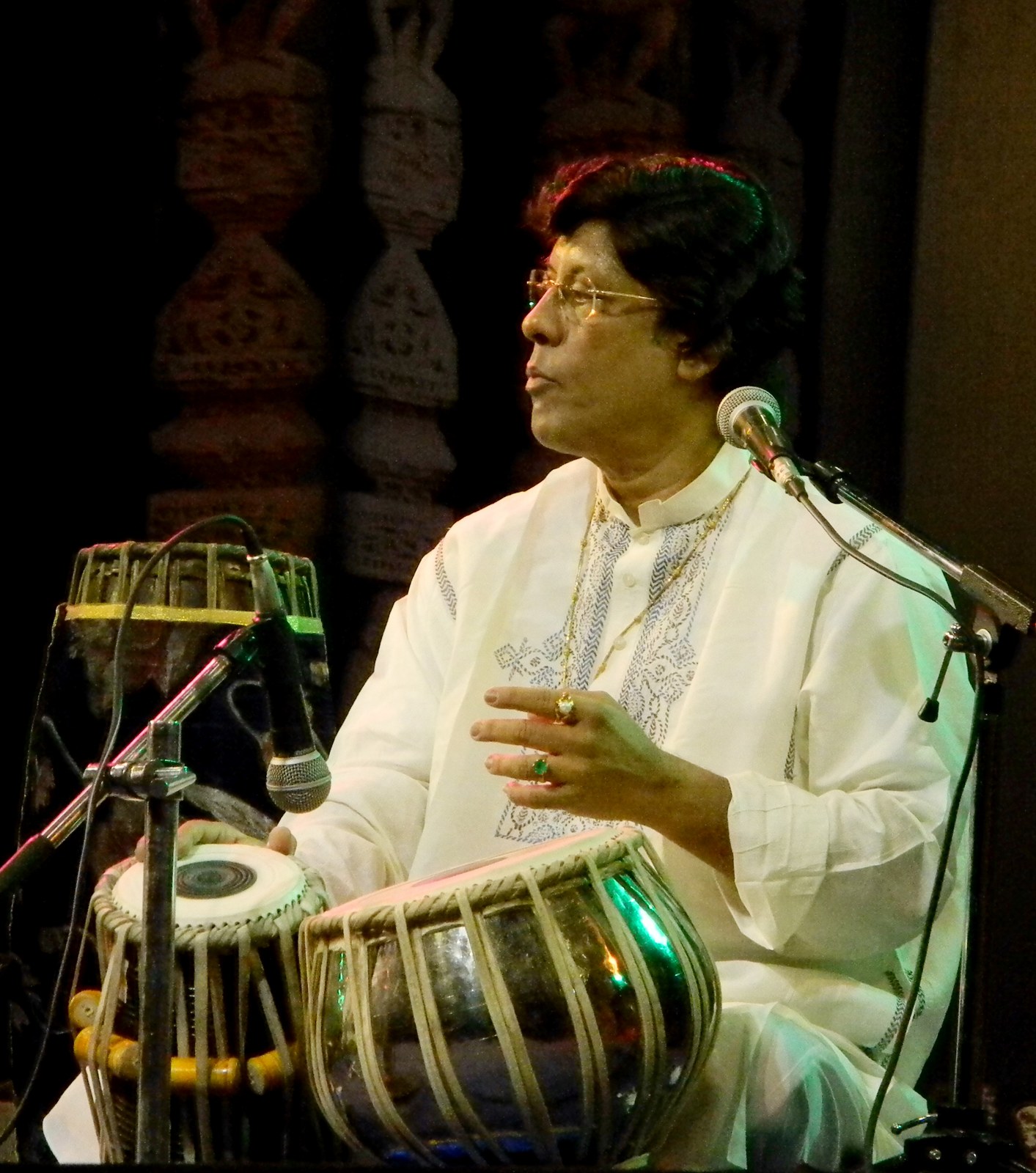 Pandit Anindo ChatterjeeAccompanied by
Named among the tabla players who have accompanied him.
Wikipedia — Anindo Chatterjee
Recognition
Honours and recognition
Highest national honour first, then by year.
- 1992Padma Vibhushan
- 1976Padma Bhushan
- 1970Padma Shri
- 1982Sangeet Natak Akademi Fellowship
Community
Memories from the community
Personal recollections, not verified history
These are memories shared by listeners and musicians. They sit apart from the sourced biography above, and an editor reads each one before it appears.
- No memories have been shared yet.
Members can share a memory of Pandit Mallikarjun Mansur. Sign in or create an account.
Provenance
Sources and image credits
- Mallikarjun Mansur — Wikipedia
- Manna from heaven — The Hindu
- Obituary: Mallikarjun Mansoor — The Independent
Photograph via Wikimedia Commons, CC BY-SA 4.0
Continue exploring