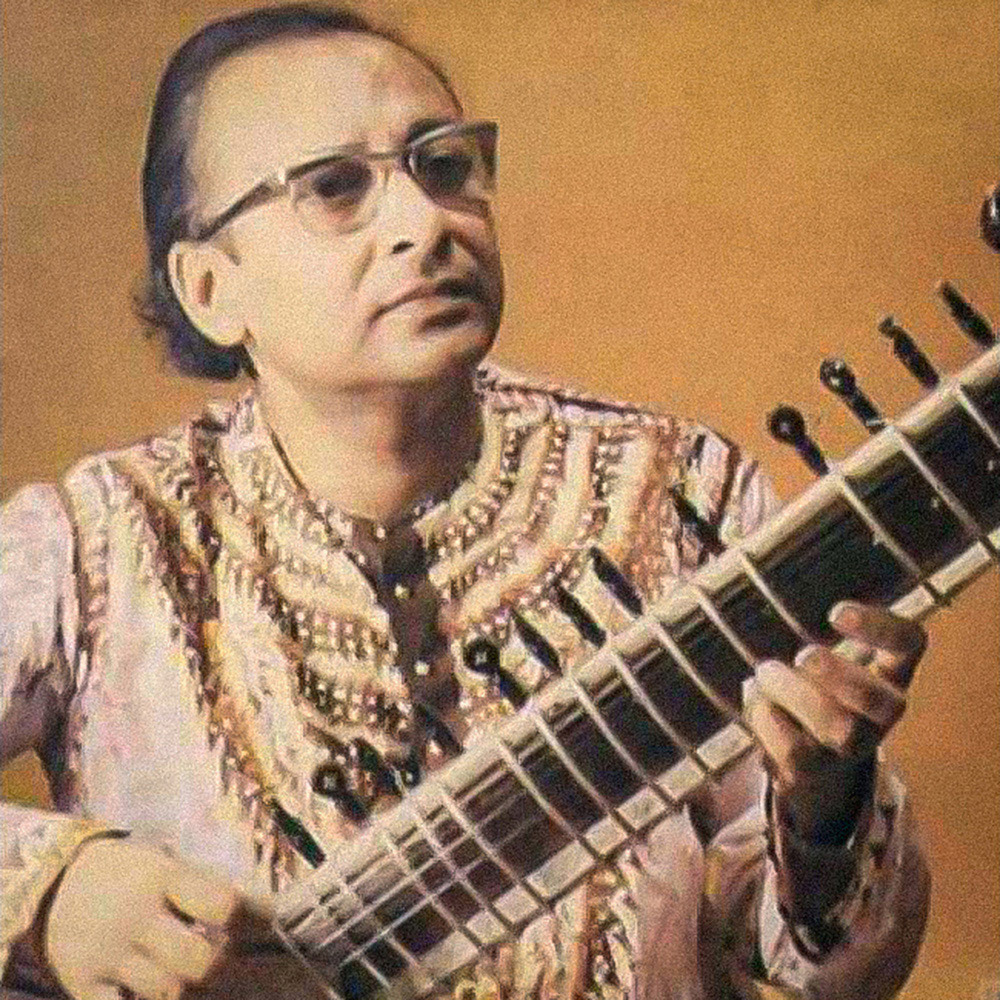
Hindustani classical · 1931–1986
Pandit Nikhil Banerjee
A sitarist of great inwardness, whose playing carried the Maihar gharana into meditation.
- Instrument
- Sitar
- Schools & gurukuls
- Ali Akbar College of MusicRecorded in the college archivePrayag Sangeet SamitiPerformed at the Samiti
- Born
- 14 October 1931, Calcutta, Calcutta (Kolkata), Bengal
- Died
- 27 January 1986, Calcutta, Calcutta (Kolkata), West Bengal
Official website & social links
Explore Pandit Nikhil Banerjee's recordings and legacy on the pages kept in their name.
These destinations belong to Pandit Nikhil Banerjee or to those who look after their work, and are checked by an editor before they are listed. They leave the archive. Suggest a link or a correction.
Where to start
Begin listening
Raga Bageshree on sitar
Bageshree · Pt. Nikhil Banerjee - Topic
Raga Bhatiyar on sitar
Bhatiyar · Saregama · Saregama Hindustani Classical
Raga Maluha Kalyan — alap, jod and jhala
Maluha Kalyan · From The NCPA Archives · Pt.Nikhil Banerjee - Topic
An unhurried unmetered opening, the part of his playing listeners single out most often.
Recordings are embedded from official or authorised channels and never rehosted. Nothing plays on its own, and starting one closes another. Where an editor has added a note, it explains why that recording was chosen — not what happens inside it.
Biography
Life
Nikhil Ranjan Banerjee was born on 14 October 1931 in Calcutta. His father, Jitendra Nath Banerjee, was a sitarist, and the boy's first lessons came at home. At about nine he won the All-Bengal Sitar Competition and began broadcasting on All India Radio.
His early training continued with Ustad Mushtaq Ali Khan. The turn that shaped his life came in 1947, when he sought out Ustad Allauddin Khan of Maihar. Accounts of the meeting agree that Allauddin Khan was reluctant to take another student, and that Banerjee's persistence eventually won him a place. What followed were years of austere, closely supervised practice.
He went on to study with Ustad Ali Akbar Khan and with Annapurna Devi, both children of Allauddin Khan. Alongside the Maihar inheritance he absorbed the vocal manner of Ustad Amir Khan, whose unhurried khayal left a clear mark on the shape of his alaap.
Banerjee toured widely and taught both in Calcutta and at the Ali Akbar College of Music in California, but he kept a certain distance from the public life that came with international success. Listeners and critics returned again and again to the same words for his playing: interior, unhurried, devotional.
He died of a heart attack in Calcutta on 27 January 1986, at fifty-four, shortly after a concert tour that had taken him to New York.
Musical contribution
What they brought to music
Banerjee's sitar is remembered above all for its alaap — the slow, unmetered opening in which a raga is unfolded note by note. Where others might move quickly to rhythmic display, he stayed, drawing long meend from the strings and letting phrases resolve in their own time.
He brought together the gayaki ang, the vocal manner of playing, with the tantrakari technique proper to the instrument, so that the sitar both sang and behaved like a sitar. Within the Maihar lineage he represents the reflective end of the tradition: no showmanship, and an insistence that the raga itself, rather than the player, is what the audience has come to hear.
He disliked the recording process, feeling it distracted from the inner quality of the music, so high-fidelity concert recordings of him are comparatively rare. He nevertheless made more than two dozen albums, for EMI India and for Sonodisc, Chhanda Dhara, Amigo, Capitol, Connoisseur Society and Raga Records abroad. Among his own compositions is the raga Manomanjari, a combination of Kalavati and Marwa, which he recorded in the studio for Sonodisc in 1976 and which survives in two archival concert issues.
Life in dates
Timeline
1931
Born in Calcutta
Born on 14 October into a household where his father played the sitar.
c. 1940
Wins the All-Bengal Sitar Competition
Begins broadcasting on All India Radio while still a child.
1947
Becomes a student of Ustad Allauddin Khan
Joins the Maihar gharana after persuading a reluctant master to take him on.
1968
Padma Shri
Awarded by the Government of India.
1986
Dies in Calcutta
Dies of a heart attack on 27 January, aged fifty-four.
In pictures
Photographs
Lineage & company
Teachers, students and musical connections
Documented teaching lineage
Taught by Ustad Allauddin Khan
Nikhil Banerjee studied with Allauddin Khan and later with Ali Akbar Khan.
Nikhil Banerjee — Wikipedia
Teaching, family, collaboration and influence are recorded separately here; none is ever inferred from another.
In the documented teaching trees
Where the archive's lineage research places Pandit Nikhil Banerjee, and the teaching links recorded around them inside each tree.
Maihar (Senia-Maihar) gharana1931–1986
A sitar player admired for lyrical, unhurried raga development.
Taught in this tree by: Ali Akbar Khan
People
Grouped by the kind of relationship the sources record — who taught this musician, who they taught, family, and the people they played with.
Teachers and gurus
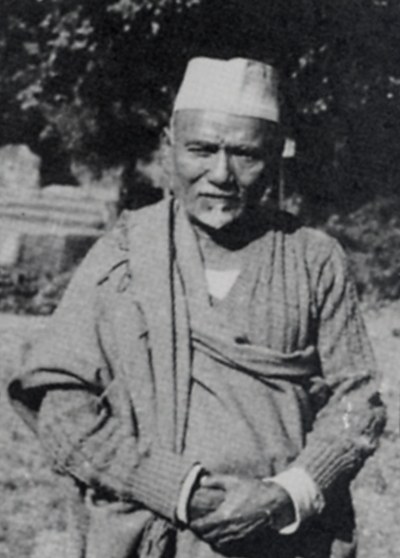 Ustad Allauddin KhanTeacher
Maihar gharana master with whom he trained from 1947.
Nikhil Banerjee — Wikipedia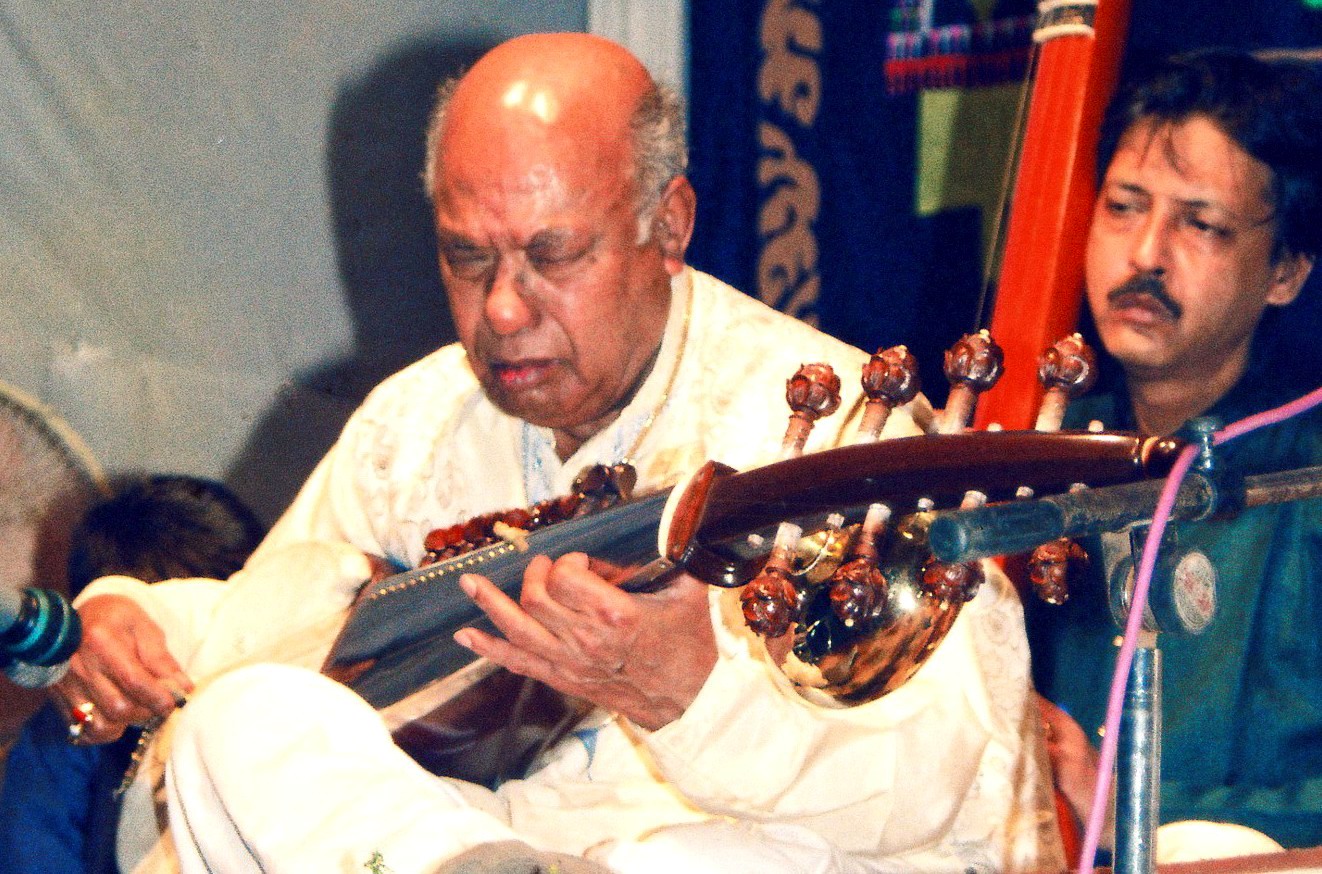 Ustad Ali Akbar KhanTeacher and colleague
Son of Allauddin Khan; taught and later performed with him.
Nikhil Banerjee — Wikipedia- Annapurna DeviTeacher
Daughter of Allauddin Khan; guided his study of raga and the surbahar.
Nikhil Banerjee — Wikipedia - Ustad Mushtaq Ali KhanEarly teacher
Taught him in Calcutta before the Maihar years.
Nikhil Banerjee — Wikipedia 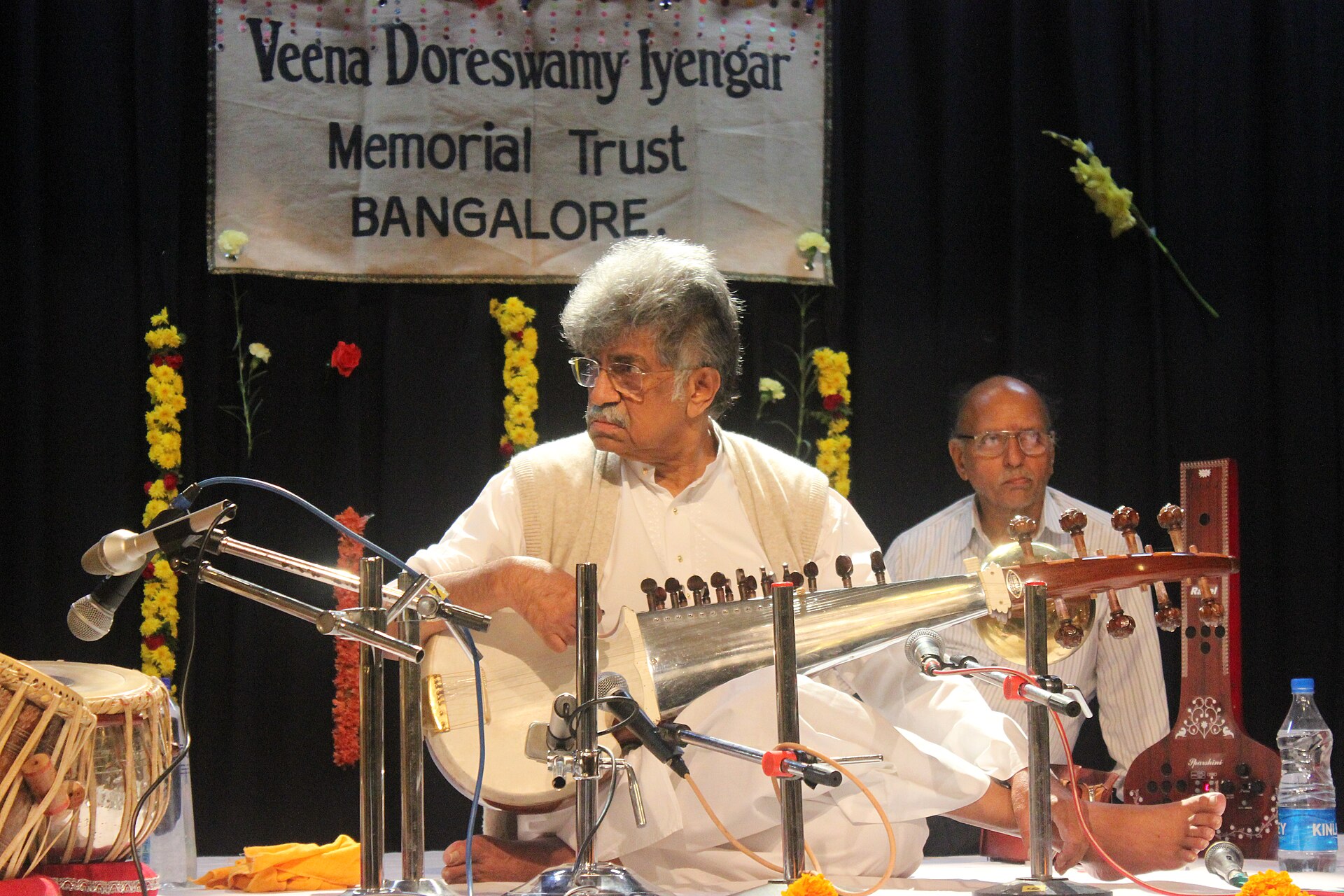 Pandit Rajeev TaranathStudent
Taranath received guidance from him.
Rajeev Taranath — Wikipedia
Collaborators and accompanists
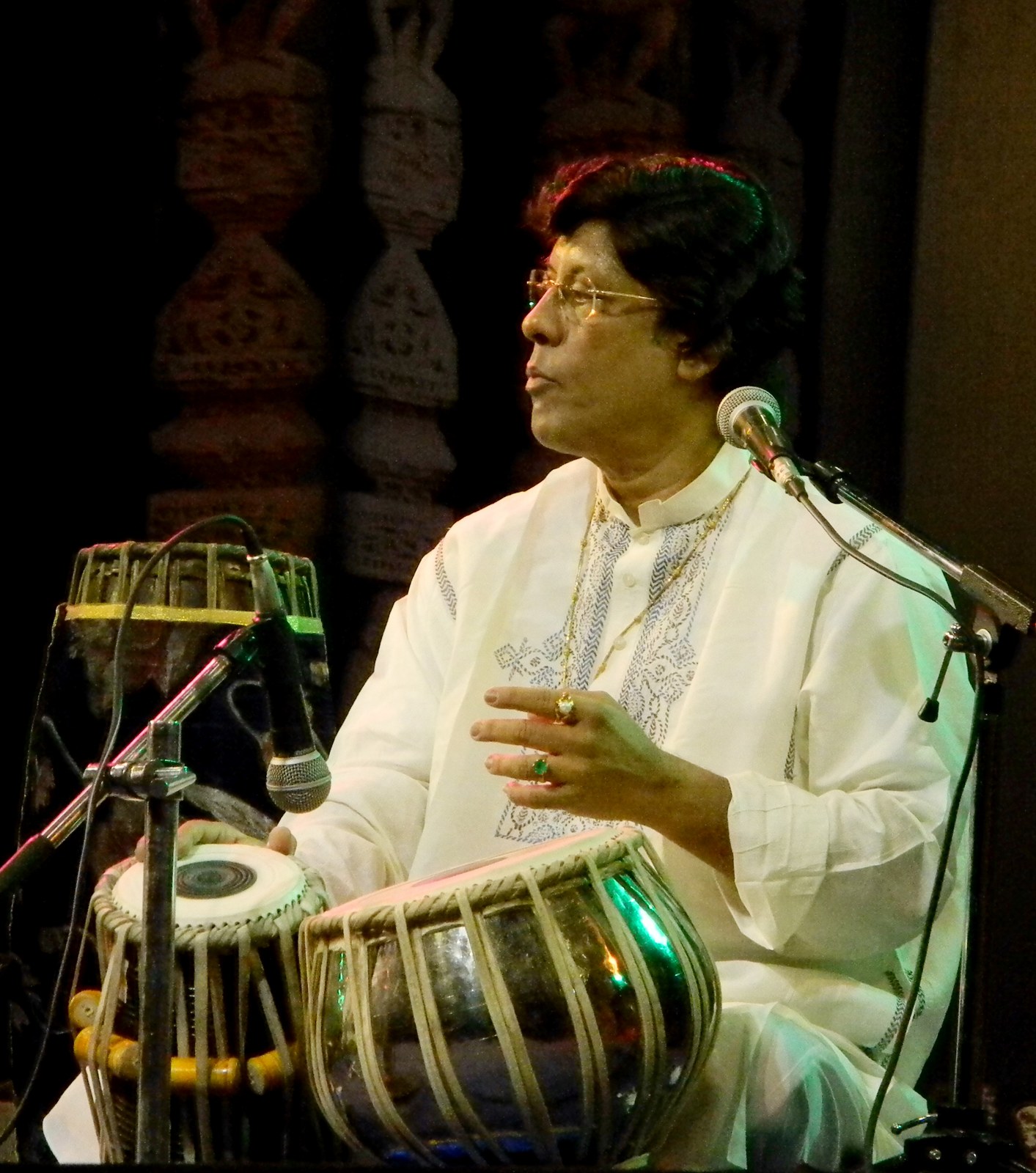 Pandit Anindo ChatterjeeTabla accompanist
Their sitar-and-tabla partnership is the most celebrated of the tabla player's career.
Pandit Anindo Chatterjee — Darbar- Pandit Chatur Lalcollaborator
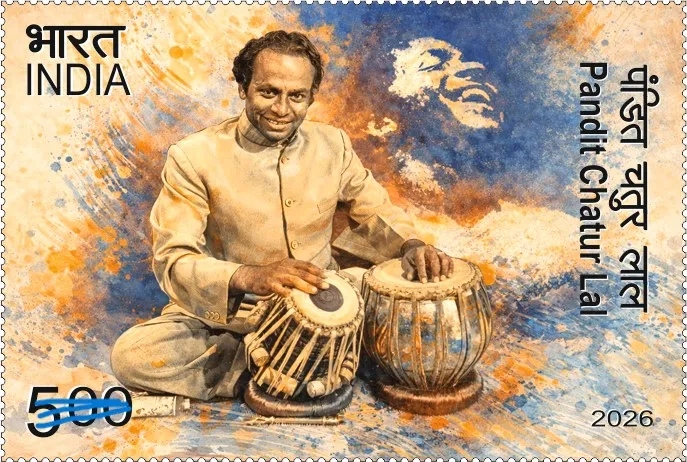
Toured with him during the 1950s and early 1960s.
Chatur Lal — Wikipedia
Schools, gurukuls and institutions
- Ali Akbar College of Music
Recorded in the college archive
- Prayag Sangeet Samiti
Performed at the Samiti
Recognition
Honours and recognition
Highest national honour first, then by year.
- 1986Padma BhushanAwarded posthumously.
- 1968Padma Shri
- 1974Sangeet Natak Akademi Award
Community
Memories from the community
Personal recollections, not verified history
These are memories shared by listeners and musicians. They sit apart from the sourced biography above, and an editor reads each one before it appears.
- No memories have been shared yet.
Members can share a memory of Pandit Nikhil Banerjee. Sign in or create an account.
Provenance
Sources and image credits
- Nikhil Banerjee — Wikipedia
- Pandit Nikhil Banerjee — Darbar
- Photograph: Nikhil Banerjee — Wikimedia Commons
- Nikhil Banerjee — Berkeley 1968, Manomanjari (Raga Records RAGA-202)
Photograph via Wikimedia Commons, public domain
Continue exploring
- Maihar (Senia-Maihar) gharanaThe lineage Pandit Nikhil Banerjee is associated with, and the other musicians documented within it.
- The sitarHow the instrument works, and who else in the archive plays it.
- Ali Akbar College of MusicThe school Pandit Nikhil Banerjee is connected to — what it teaches and where it is.
- All musiciansBrowse the archive by name, instrument or discipline.