Hindustani classical · 1929–1989
Ustad Mushtaq Ali Khan
A purist of the Senia sitar tradition, admired above all by other musicians.
- Gharana
- Senia tradition descending from Masit Khan, through Barkatullah Khan and Ashiq Ali Khan
- Born
- 20 June 1911, Banaras, Banaras (Varanasi), India
- Died
- 21 July 1989
Official website & social links
We have no checked official pages for Ustad Mushtaq Ali Khan yet. Suggest an official link.
Biography
Life
Mushtaq Ali Khan was born in Banaras in 1911, the son of Ustad Ashiq Ali Khan, who taught him sitar and surbahar from about the age of six. Ashiq Ali Khan had learned from Barkatullah Khan, a descendant of Masit Khan of Delhi, after whom the slow Masitkhani gat is named; through this line Mushtaq Ali Khan's music is described as belonging to the Senia tradition.
He served for a time as a court musician at Jaunpur before leaving to build an independent career. He began broadcasting for All India Radio in 1929 and performed at the Allahabad Sangeet Sammelan in 1931. Following the death of Enayat Khan and before the rise of Ravi Shankar, Vilayat Khan and Nikhil Banerjee in the mid-1950s, he was regarded as the foremost sitarist in the country.
He declined to adopt the innovations of his younger contemporaries, and his public standing gradually narrowed even as his reputation among musicians remained very high; at his death in 1989 he was often called a musicians' musician. He received the Sangeet Natak Akademi Award in 1968. His disciples include Pandit Debu Chaudhuri, who founded a centre in Delhi to continue his teaching.
Musical contribution
What they brought to music
His playing was deliberately spare. He avoided much of the ornamentation common in modern sitar technique, building his alap along dhrupad lines and drawing his jod and jhala from rudra veena practice. Although he descended musically from Masit Khan, he rarely played Masitkhani gats in public, preferring the faster Razakhani gats — by his own account because he did not wish to see the slower form devalued before inattentive audiences. On the surbahar he used a been-ang approach with three mizrabs.
Lineage & company
Teachers, students and musical connections
In the documented teaching trees
Where the archive's lineage research places Ustad Mushtaq Ali Khan, and the teaching links recorded around them inside each tree.
Senia sitar lineage (Masitkhani baaj)1911–1989
Kept the older, dhrupad-leaning sitar style of this line in performance and teaching; his name became closely associated with the Senia sitar style.
Taught in this tree by: Ashiq Ali Khan
Recorded as teaching: Pandit Debu Chaudhuri
People
Grouped by the kind of relationship the sources record — who taught this musician, who they taught, family, and the people they played with.
Teachers and gurus
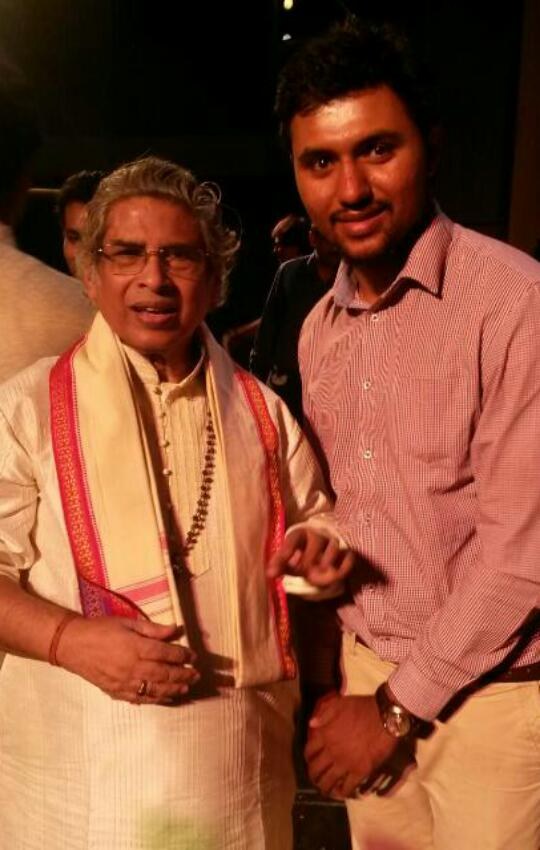 Pandit Debu ChaudhuriDisciple
A principal disciple, who later founded the UMAK Centre for Culture in Delhi in his guru's memory.
The Hindu — Rewind and forward
Students and disciples
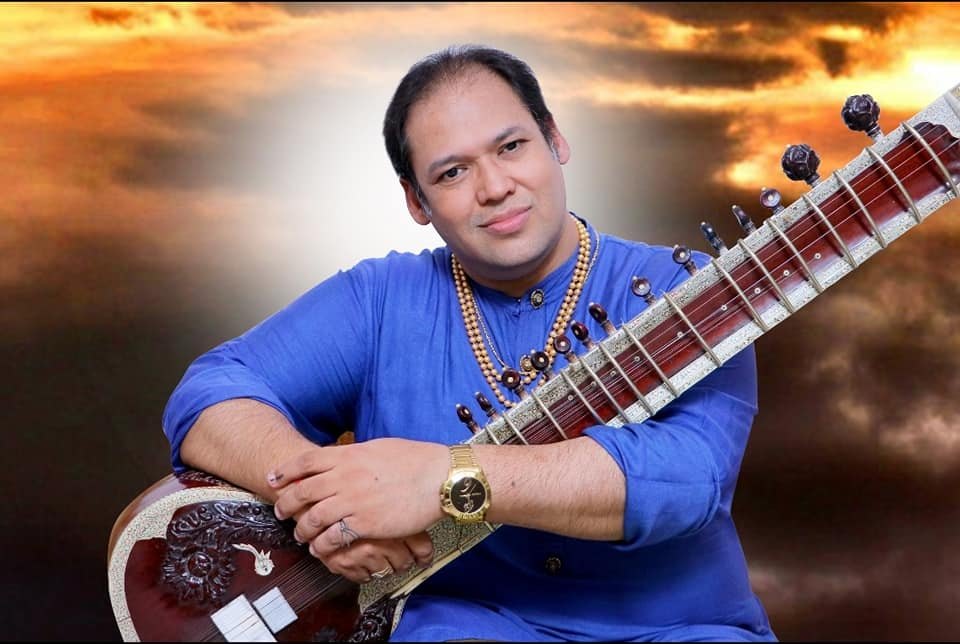 Pandit Prateek ChaudhuriStudent
Grandson-disciple of the tradition: studied with him as well as with his father Debu Chaudhuri.
Prateek Chaudhuri — Wikipedia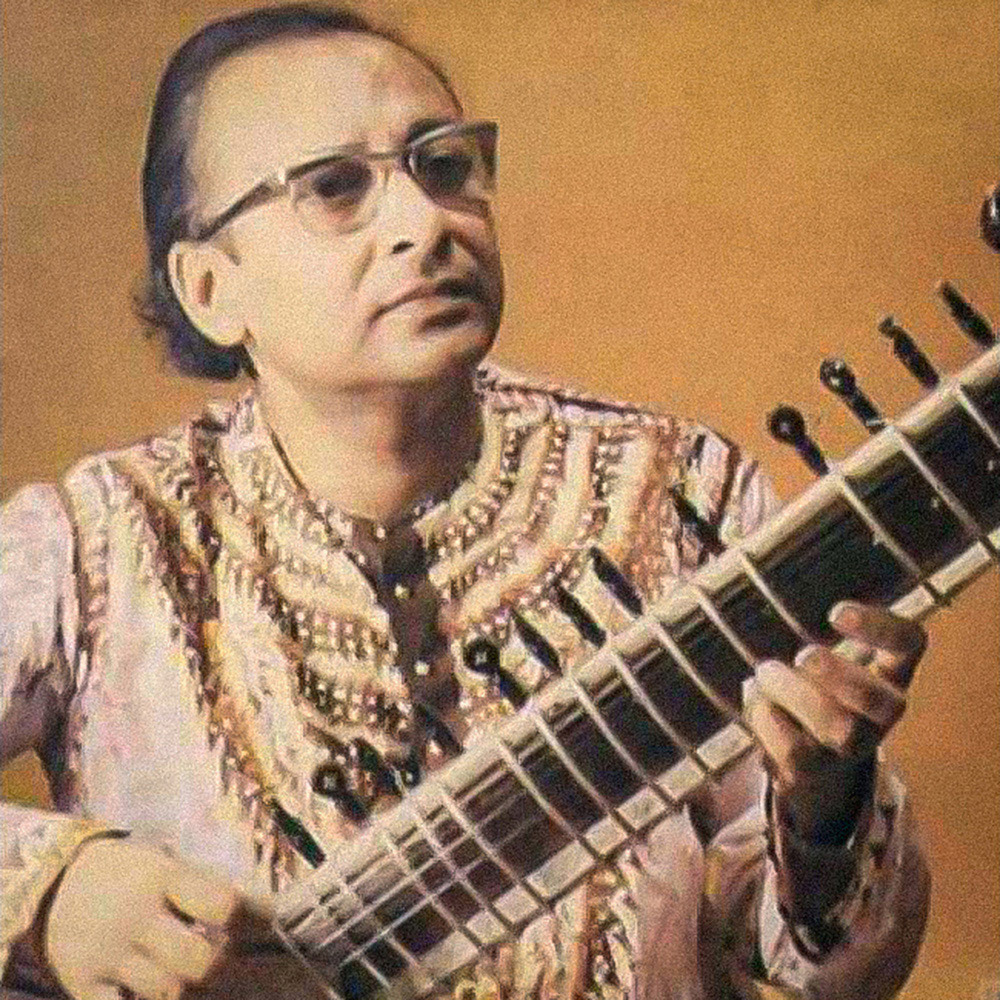 Pandit Nikhil BanerjeeDiscipleNikhil Banerjee — Wikipedia
Family
- Ustad Ashiq Ali KhanFather and teacher
Taught him sitar and surbahar from about the age of six.
Mushtaq Ali Khan — Wikipedia - Barkatullah KhanTeacher of his father
His father learned sitar from Barkatullah Khan, a descendant of Masit Khan of Delhi.
Mushtaq Ali Khan — Wikipedia
Recognition
Honours and recognition
- 1968Sangeet Natak Akademi Award
Community
Memories from the community
Personal recollections, not verified history
These are memories shared by listeners and musicians. They sit apart from the sourced biography above, and an editor reads each one before it appears.
- No memories have been shared yet.
Members can share a memory of Ustad Mushtaq Ali Khan. Sign in or create an account.
Provenance
Sources and image credits
- Mushtaq Ali Khan — Wikipedia
- A Biography of Ustad Mushtaq Ali Khan — Raaggiri
- Rewind and forward — The Hindu
No photograph of this musician is published here yet; we use only images we are permitted to show, with credit.
Continue exploring