Hindustani classical · 1938–2022
Pandit Shivkumar Sharma
The musician who made a Kashmiri folk instrument fit for a classical concert.
- Instrument
- Santoor
- Gharana
- Jammu lineage
- Schools & gurukuls
- Saptak School of MusicPerformed at the Saptak festivalPrayag Sangeet SamitiPerformed at the Samiti
- Born
- 13 January 1938, Jammu, Jammu, Jammu and Kashmir
- Died
- 10 May 2022, Mumbai, Mumbai, Maharashtra
Official website & social links
Explore Pandit Shivkumar Sharma's recordings and legacy on the pages kept in their name.
These destinations belong to Pandit Shivkumar Sharma or to those who look after their work, and are checked by an editor before they are listed. They leave the archive. Suggest a link or a correction.
Where to start
Begin listening
Start here
Raag Jog — santoor with Pandit Anindo Chatterjee on tabla
Jog · darbarfestival
Concert performance, santoor and tabla duo.
Explore further
Dhun in Pahadi — santoor with Satyajit Talwalkar on tabla
Pahadi · darbarfestival
Recordings are embedded from official or authorised channels and never rehosted. Nothing plays on its own, and starting one closes another. Where an editor has added a note, it explains why that recording was chosen — not what happens inside it.
Biography
Life
Shivkumar Sharma was born in Jammu on 13 January 1938. His father, Pandit Uma Dutt Sharma, was a vocalist and tabla player who worked at Radio Kashmir, and the boy's first training was in voice and tabla from about the age of five.
It was his father's idea that the santoor — a hundred-stringed Kashmiri folk dulcimer, struck with light wooden mallets — might be adapted to classical music. At around thirteen Shivkumar began to study it at his father's wish.
He gave his first Bombay performance in 1955, at seventeen. The reception was sceptical: critics argued that an instrument whose strings are struck, and whose notes decay at once, could not produce the meend and sustain that Hindustani raga music requires. He spent years answering that objection through technique and through changes to the instrument.
In 1967 he recorded Call of the Valley with the flautist Hariprasad Chaurasia and the guitarist Brij Bhushan Kabra. The album travelled far beyond the classical audience and settled the santoor's place. With Chaurasia he later formed the composing duo Shiv-Hari, whose film scores began with Silsila in 1981 and continued through Chandni, Lamhe and Darr.
He kept a classical concert career throughout, and taught his son Rahul Sharma, who plays the santoor. He died in Mumbai on 10 May 2022.
Musical contribution
What they brought to music
Sharma's work on the santoor was at once technical and physical. He increased the string count and reset the bridges to widen the instrument's range across three octaves; he developed a way of drawing the mallets across the strings to approximate meend, the slide between notes on which Hindustani melody depends; and he moved the instrument off its stand and onto his lap, which gave him finer control over damping and touch.
The result was an instrument that could sustain a full khayal-style exposition — an unhurried alaap, then the rhythmic layakari the santoor had always been suited to. Every santoor player in Hindustani music since works in the space he opened.
Life in dates
Timeline
1938
Born in Jammu
Born on 13 January to Pandit Uma Dutt Sharma.
c. 1951
Takes up the santoor
Begins study of the instrument at his father's wish.
1955
First Bombay performance
Plays the santoor in public at seventeen, to a sceptical reception.
1967
Call of the Valley
Records the landmark album with Hariprasad Chaurasia and Brij Bhushan Kabra.
1981
Shiv-Hari and Silsila
Begins composing film scores with Hariprasad Chaurasia.
2001
Padma Vibhushan
India's second-highest civilian honour.
2022
Dies in Mumbai
Dies on 10 May.
In pictures
Photographs
Lineage & company
Teachers, students and musical connections
In the documented teaching trees
Where the archive's lineage research places Pandit Shivkumar Sharma, and the teaching links recorded around them inside each tree.
Santoor lineages1938–2022
Established the santoor on the classical concert stage.
Recorded as teaching: Rahul Sharma
People
Grouped by the kind of relationship the sources record — who taught this musician, who they taught, family, and the people they played with.
Students and disciples
- Pandit Satish VyasStudent
Studied santoor with him from 1978.
Satish Vyas (musician) — Wikipedia
Family
- Pandit Uma Dutt SharmaFather and teacher
Vocalist and tabla player who set him to the santoor.
Shivkumar Sharma — Wikipedia - Pandit Uma Dutt SharmaFather and first teacher
A vocalist and tabla player who began teaching him at five and set him to the santoor.
Shivkumar Sharma — Wikipedia 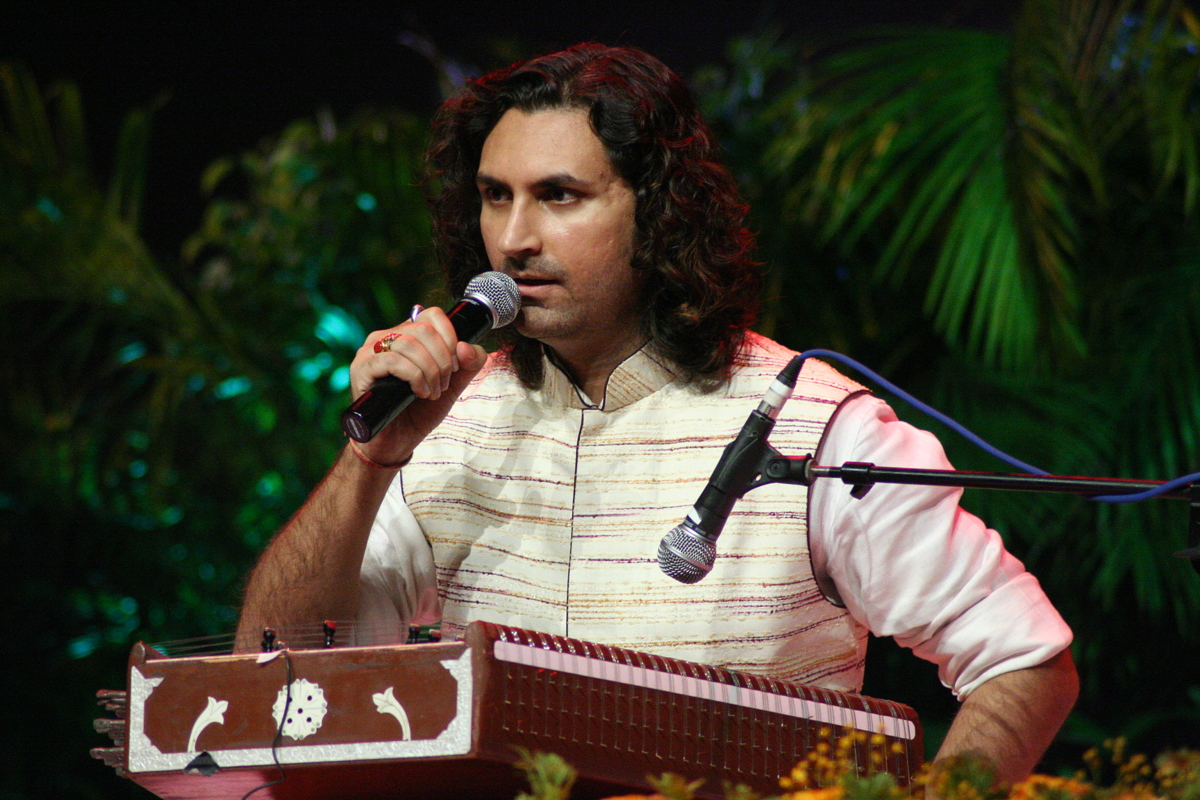 Pandit Rahul SharmaSon and student
Began learning santoor from him at thirteen; chosen as his shishya, and on stage with him from 1996.
Shivkumar Sharma — Wikipedia- Rahul SharmaSon and student
Santoor player.
Shivkumar Sharma — Wikipedia
Collaborators and accompanists
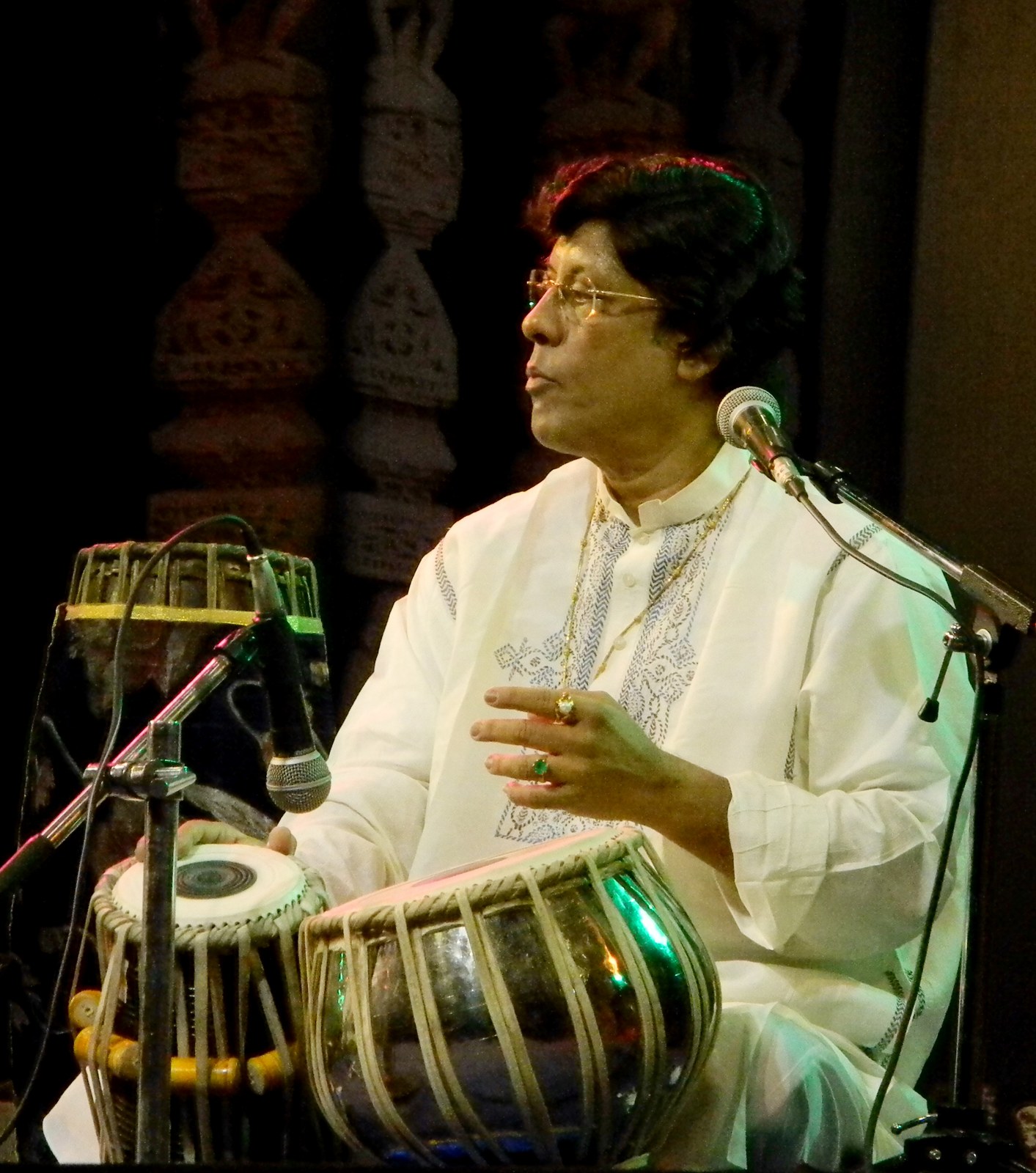 Pandit Anindo ChatterjeeAccompanied by
Named among the tabla players who have accompanied him.
Wikipedia — Anindo Chatterjee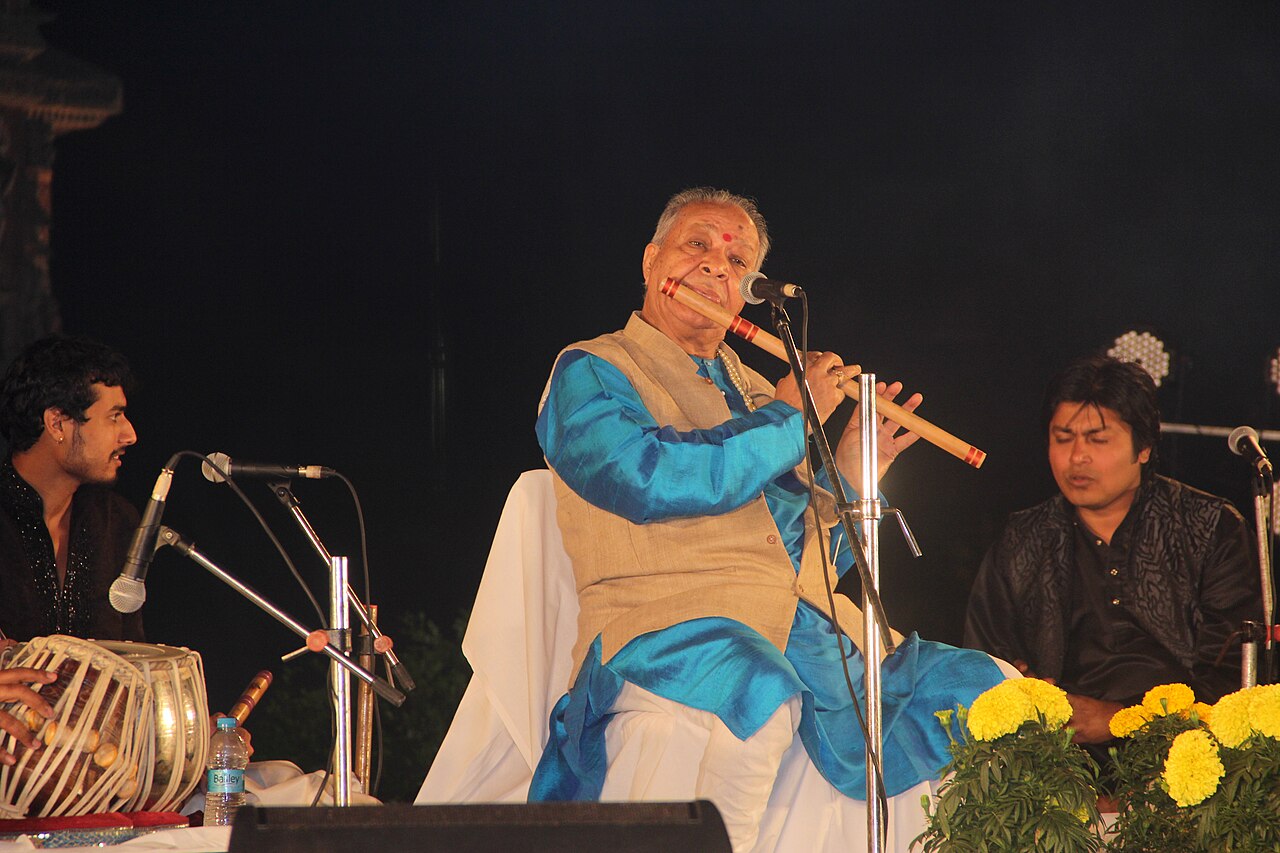 Pandit Hariprasad ChaurasiaLongtime partner
Together the composing duo Shiv-Hari, and collaborators on Call of the Valley.
Shiv–Hari — Wikipedia- Pandit Hariprasad ChaurasiaCollaborator
The Shiv–Hari partnership, in concert and in film scores from Silsila (1981) onwards.
Shivkumar Sharma — Wikipedia 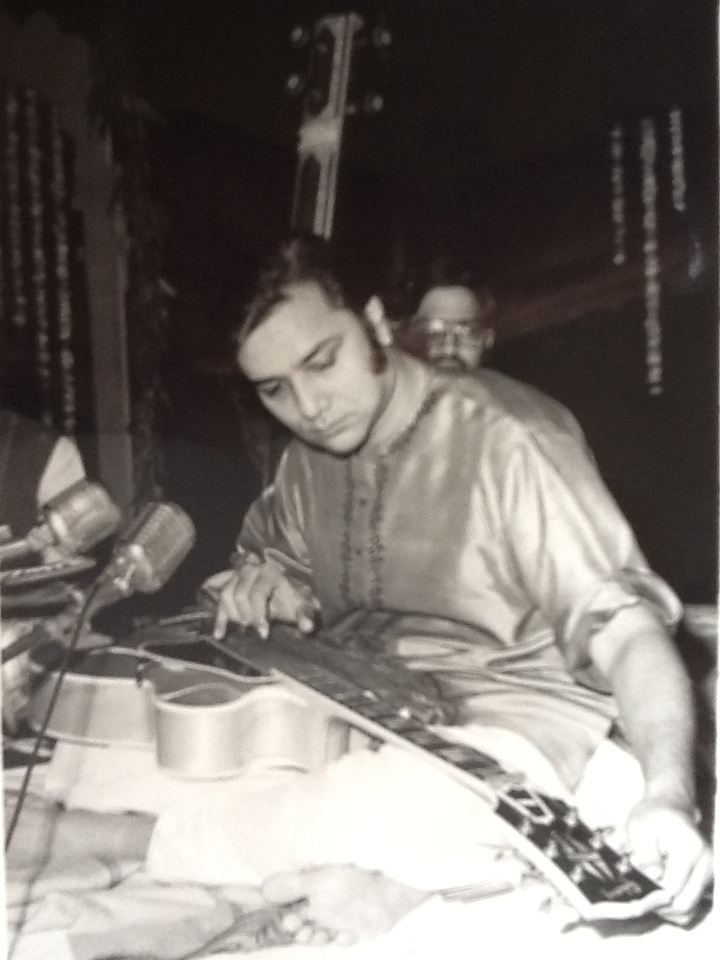 Pandit Brij Bhushan KabraCollaborator
With Hariprasad Chaurasia on the 1967 concept album Call of the Valley.
Shivkumar Sharma — Wikipedia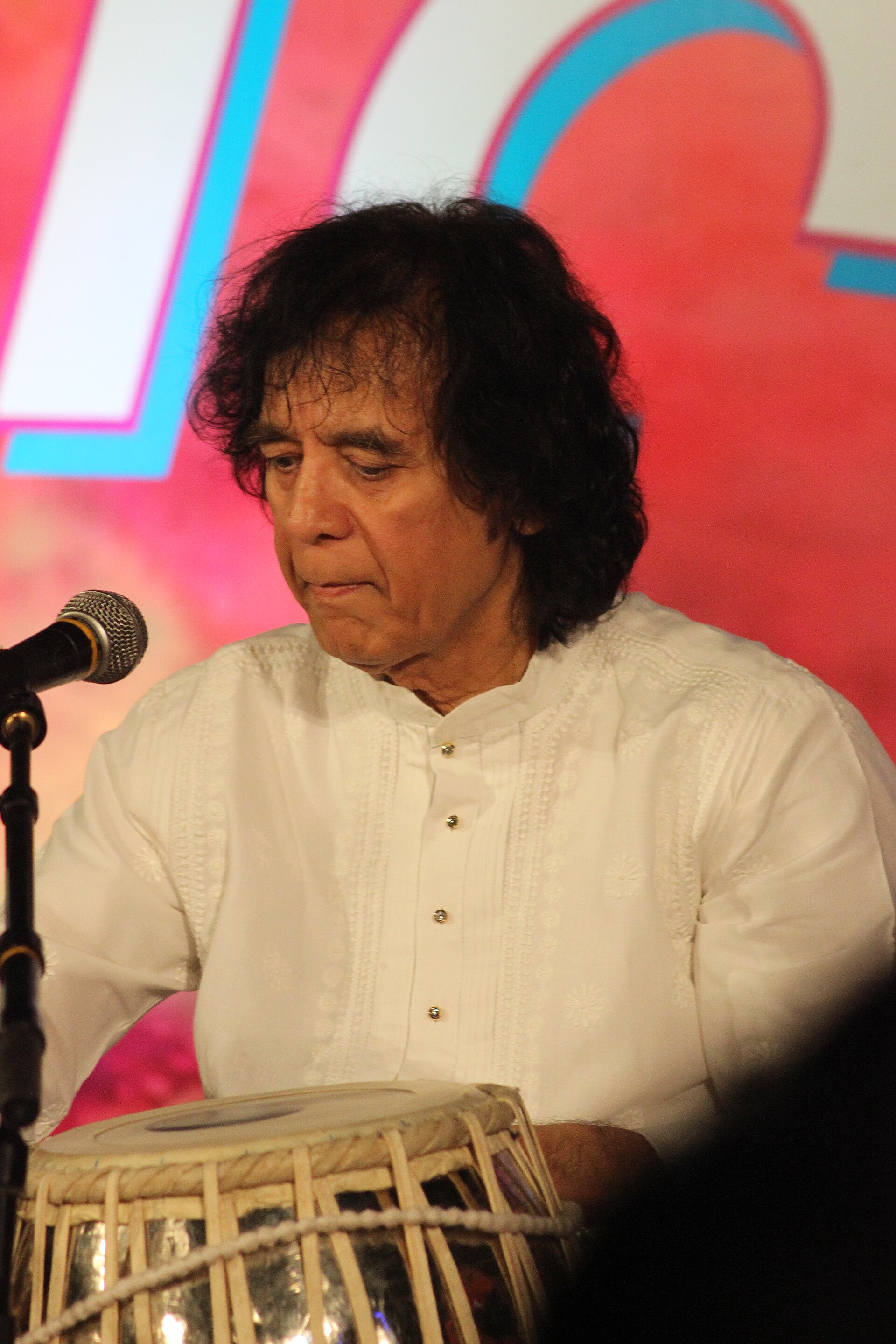 Ustad Zakir HussainCollaborator
Frequent partner in concert and on record.
Shivkumar Sharma — Wikipedia- Pandit Brij Bhushan KabraCollaborator
Recorded Call of the Valley together in 1967.
Brij Bhushan Kabra — Wikipedia 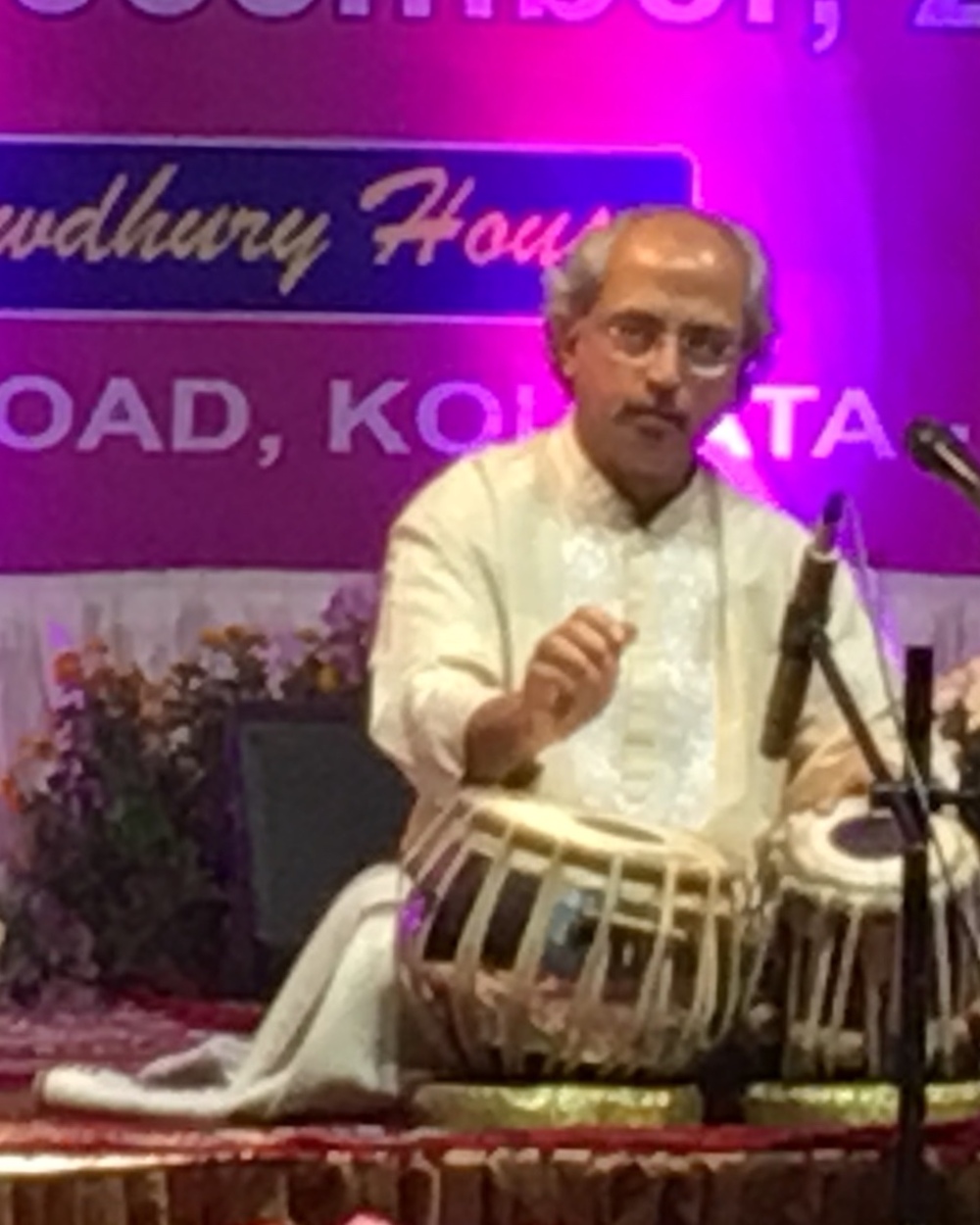 Pandit Yogesh SamsiTabla accompanist
Has accompanied him in concert.
Yogesh Samsi — official site- Pandit C. R. VyasCollaborator / advocate
Named among the instrumentalists who brought the vocalist C. R. Vyas to national attention late in his career.
S. Kalidas, "C.R. Vyas: A Reluctant Master" 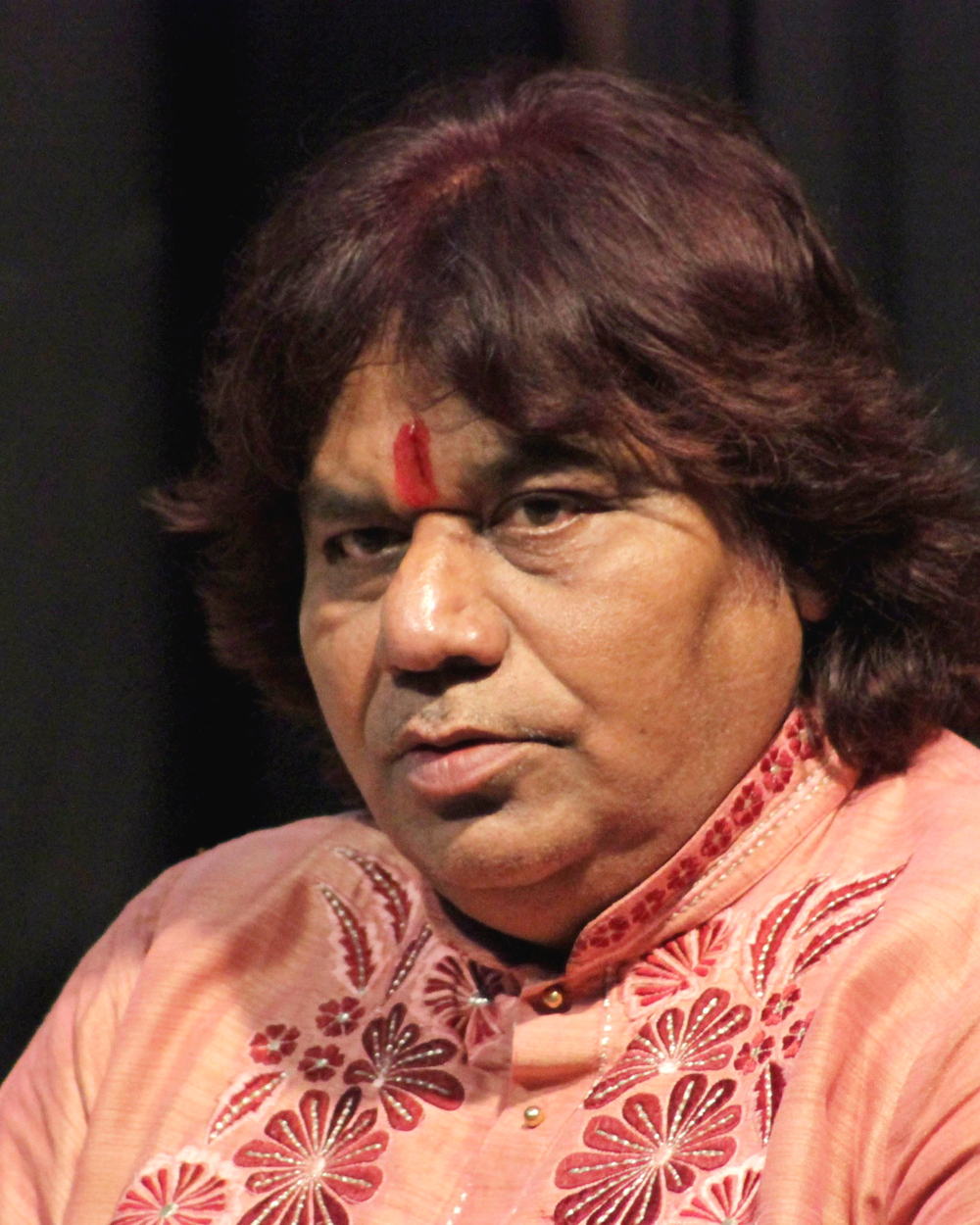 Pandit Bhavani Shankarperformed with
The pakhawaj player accompanied him; they are named together among his regular collaborators.
Bhavani Shankar — Wikipedia
Named on other pages
Musicians whose own pages record a connection with this one, in the words their sources use.
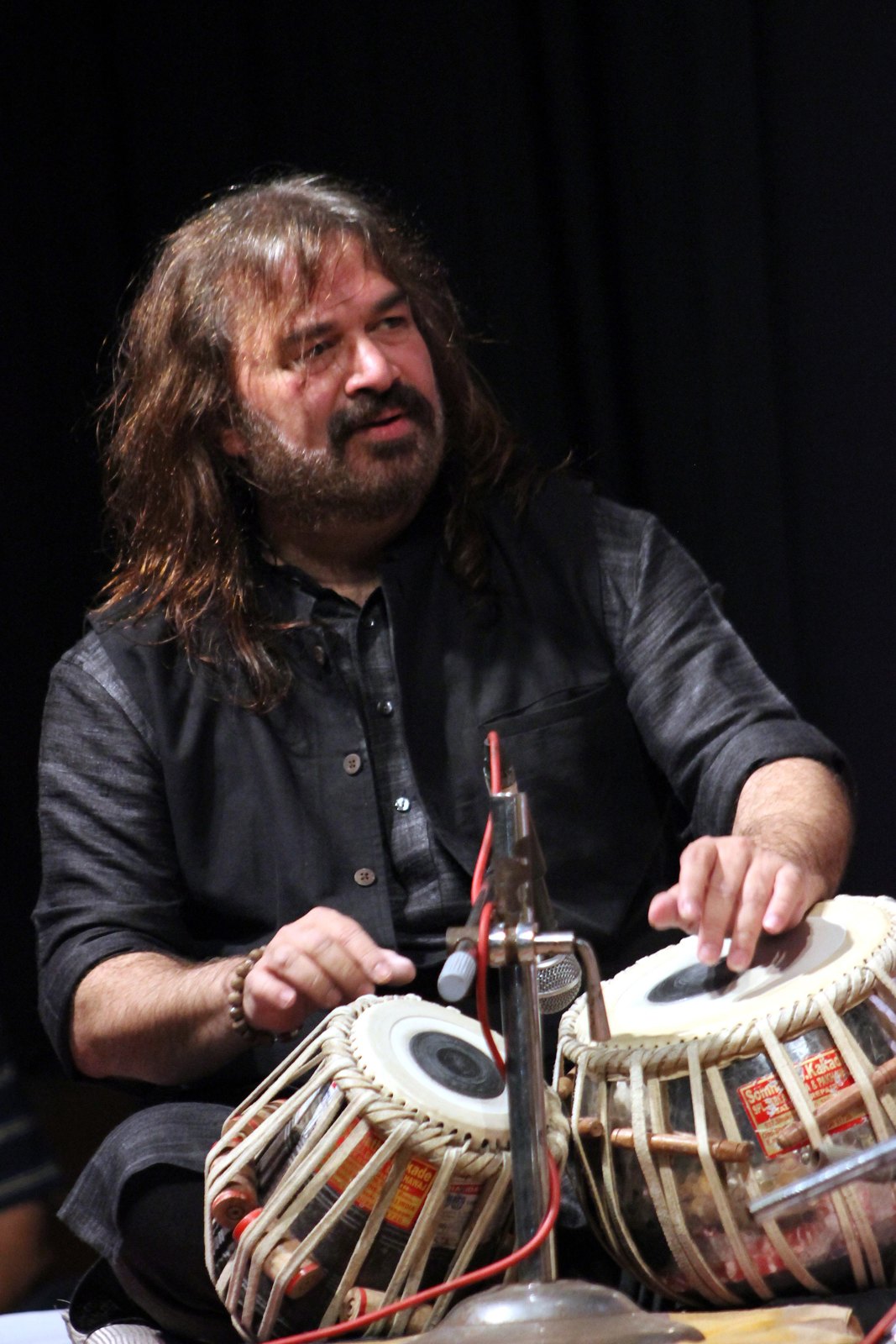 Pandit Vijay GhateTheir page records: Musician he accompanies
Santoor–flute jugalbandi with Chaurasia, Delhi Classical Music Festival 2013
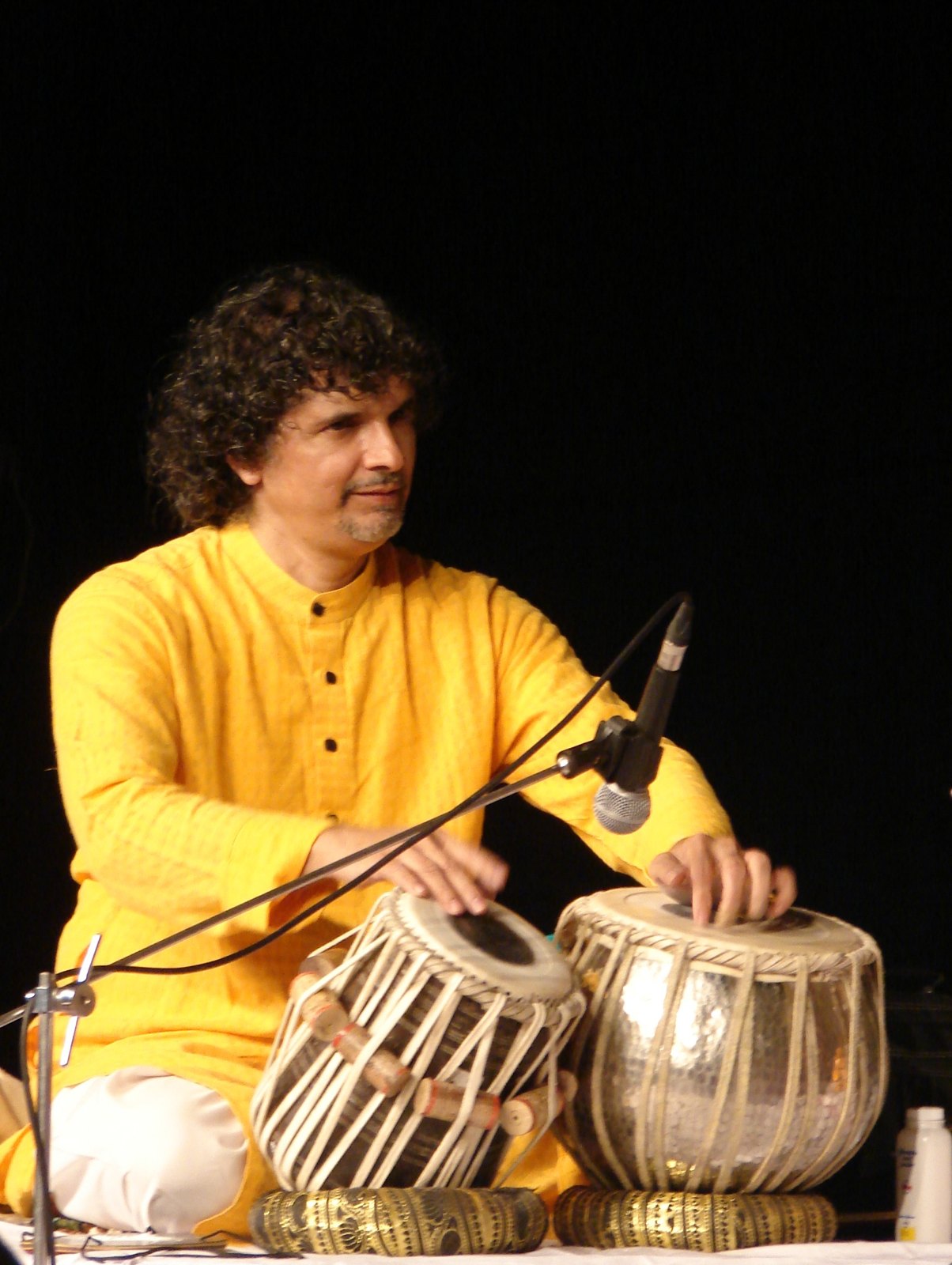 Pandit Ramdas PalsuleTheir page records: Accompanied
Tabla accompaniment
Schools, gurukuls and institutions
- Saptak School of Music
Performed at the Saptak festival
- Prayag Sangeet Samiti
Performed at the Samiti
Recognition
Honours and recognition
Highest national honour first, then by year.
- 2001Padma Vibhushan
- 1991Padma Shri
- 1986Sangeet Natak Akademi Award
Writing
From the journal
Community
Memories from the community
Personal recollections, not verified history
These are memories shared by listeners and musicians. They sit apart from the sourced biography above, and an editor reads each one before it appears.
- No memories have been shared yet.
Members can share a memory of Pandit Shivkumar Sharma. Sign in or create an account.
Provenance
Sources and image credits
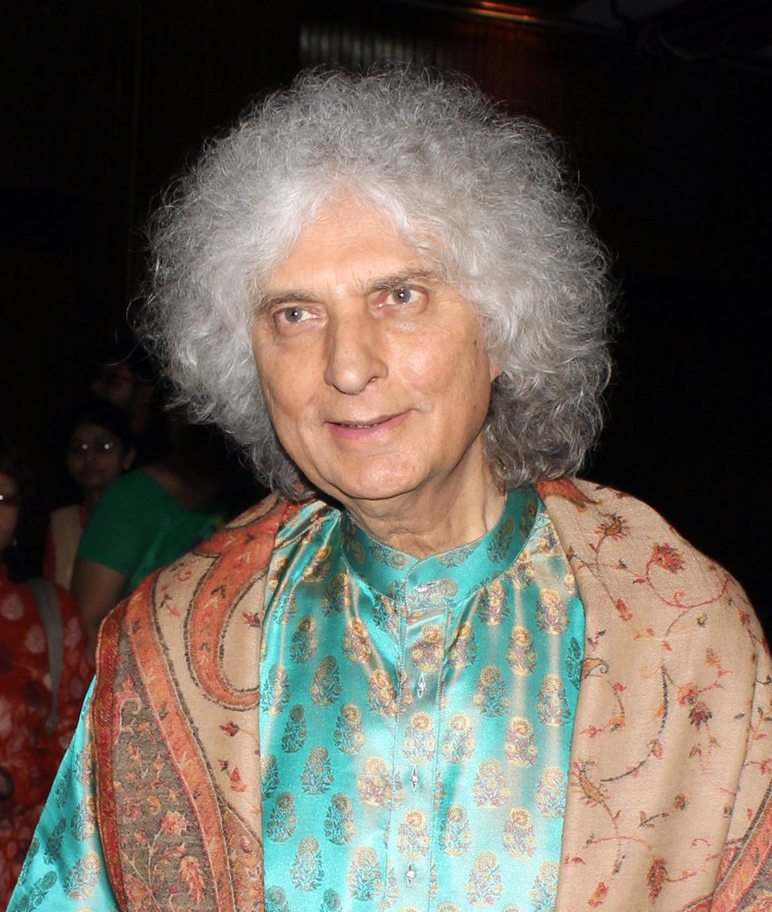
Photograph by Suyash Dwivedi, via Wikimedia Commons, CC BY-SA 4.0
Continue exploring