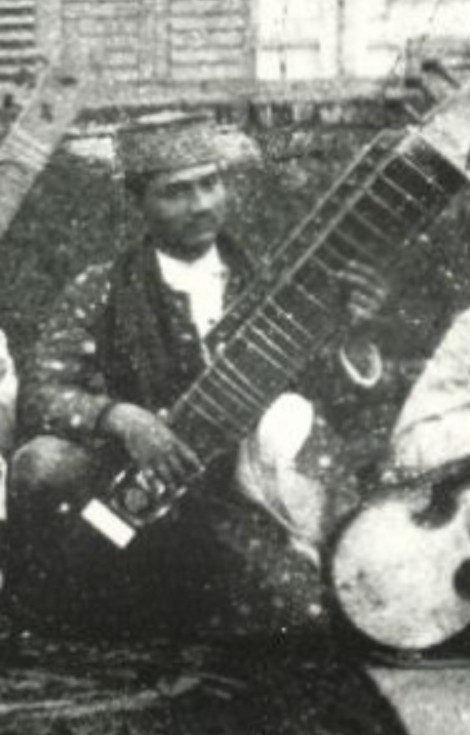
Hindustani classical · 1895–1961
Ustad Wahid Khan
The surbahar player of the Etawah line, and the first instrumentalist to receive the President's Award.
- Gharana
- Imdadkhani (Etawah) gharana
- Died
- 1961, Calcutta
- On these dates
- Born 1895; the year of death is not given in the sources read.
Official website & social links
We have no checked official pages for Ustad Wahid Khan yet. Suggest an official link.
Biography
Life
Wahid Khan was born in 1895 at Etawah in Uttar Pradesh, a son of Ustad Imdad Khan. He was still young when the family moved to Calcutta, where they lived in the house of the connoisseur Taraprasad Ghosh and where his father trained him and his brother Enayat Khan on sitar and surbahar. He was first taken through dhrupad, khayal and thumri, and then trained at length on the two instruments; he took the surbahar as his own while Enayat Khan took the sitar.
When Imdad Khan moved to Indore as court musician to the Maharaja Holkar, both sons went with him. After his father's death there in 1920, Wahid Khan was appointed court musician at Indore and held the post for eighteen years. He also served the Patiala court for three years and was a court musician to the Nizam of Hyderabad, and performed regularly on All India Radio. He appeared on the surbahar in a scene of Satyajit Ray's film Jalsaghar (The Music Room, 1958). He died at Calcutta; the year is not established in the sources read.
Musical contribution
What they brought to music
He was the surbahar specialist of his generation of the family, in a line that had done much to make the surbahar a concert instrument. His playing belongs to the slow, weighted, alap-centred idiom the instrument suits.
In pictures
Photographs
Lineage & company
Teachers, students and musical connections
In the documented teaching trees
Where the archive's lineage research places Ustad Wahid Khan, and the teaching links recorded around them inside each tree.
Imdadkhani (Etawah) gharanadied 1949
Brother of Enayat Khan and a specialist on the surbahar.
Taught in this tree by: Imdad Khan
People
Grouped by the kind of relationship the sources record — who taught this musician, who they taught, family, and the people they played with.
Family
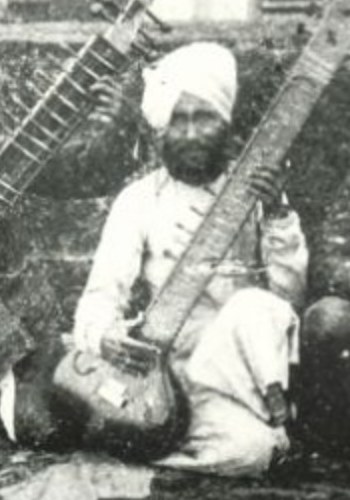 Ustad Imdad KhanFather and teacher
He trained him in dhrupad, khayal and thumri and then at length on sitar and surbahar.
Wahid Khan — Wikipedia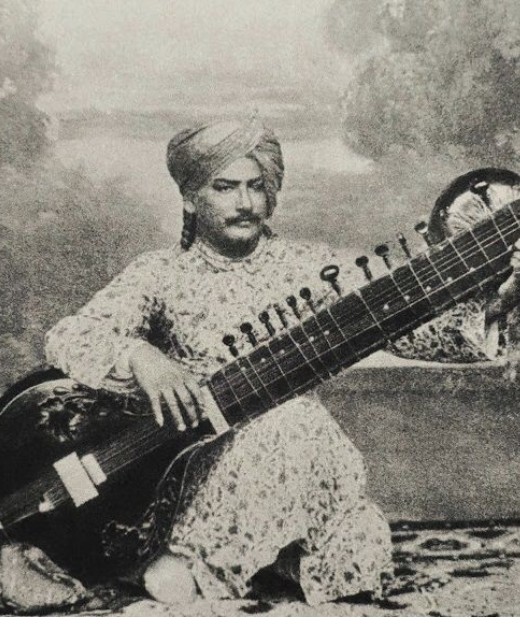 Ustad Enayat KhanBrother
Both were trained by their father in Calcutta.
Wahid Khan — Wikipedia- Ustad Aziz KhanSon
Father and first teacher of Shahid Parvez Khan.
Shahid Parvez — Wikipedia 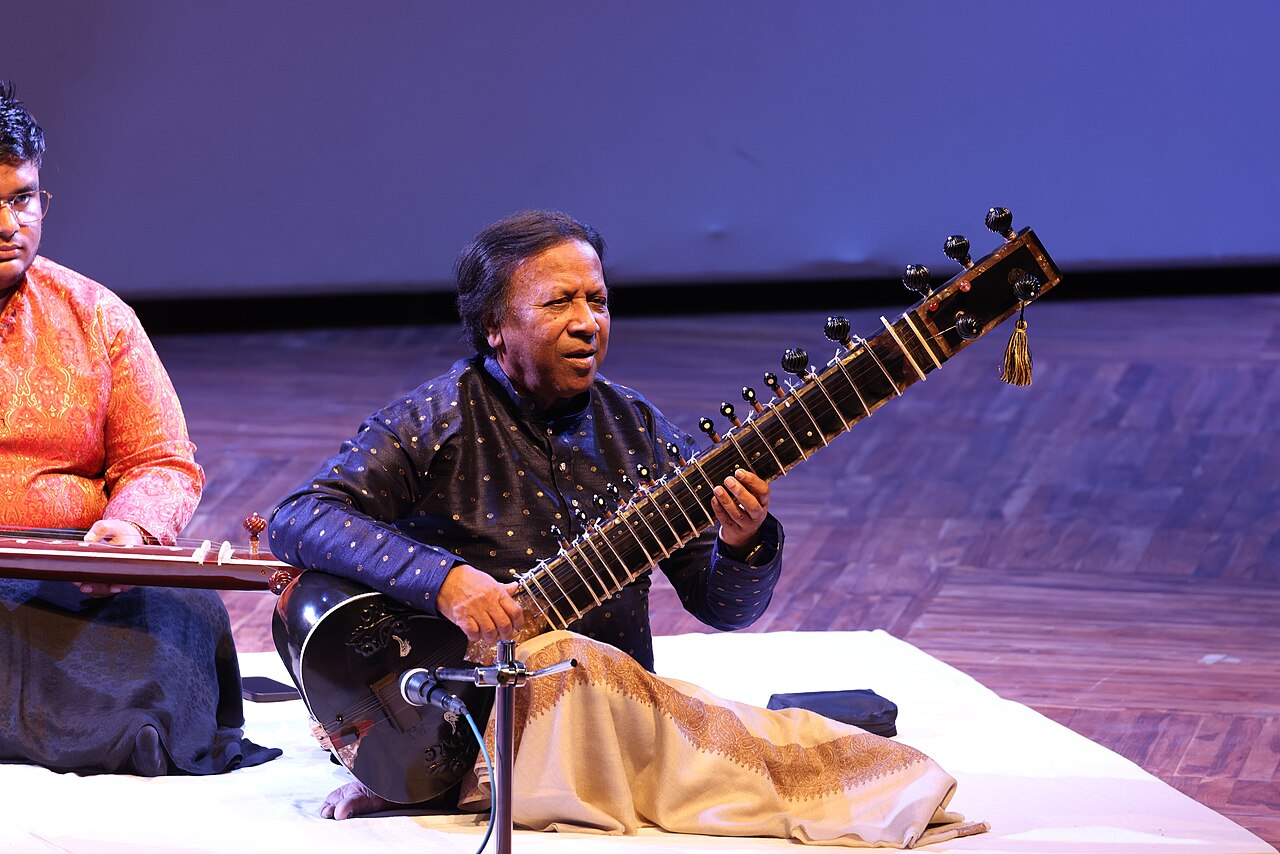 Ustad Shahid Parvez KhanGrandson
Sitar player of the same line.
Wahid Khan — Wikipedia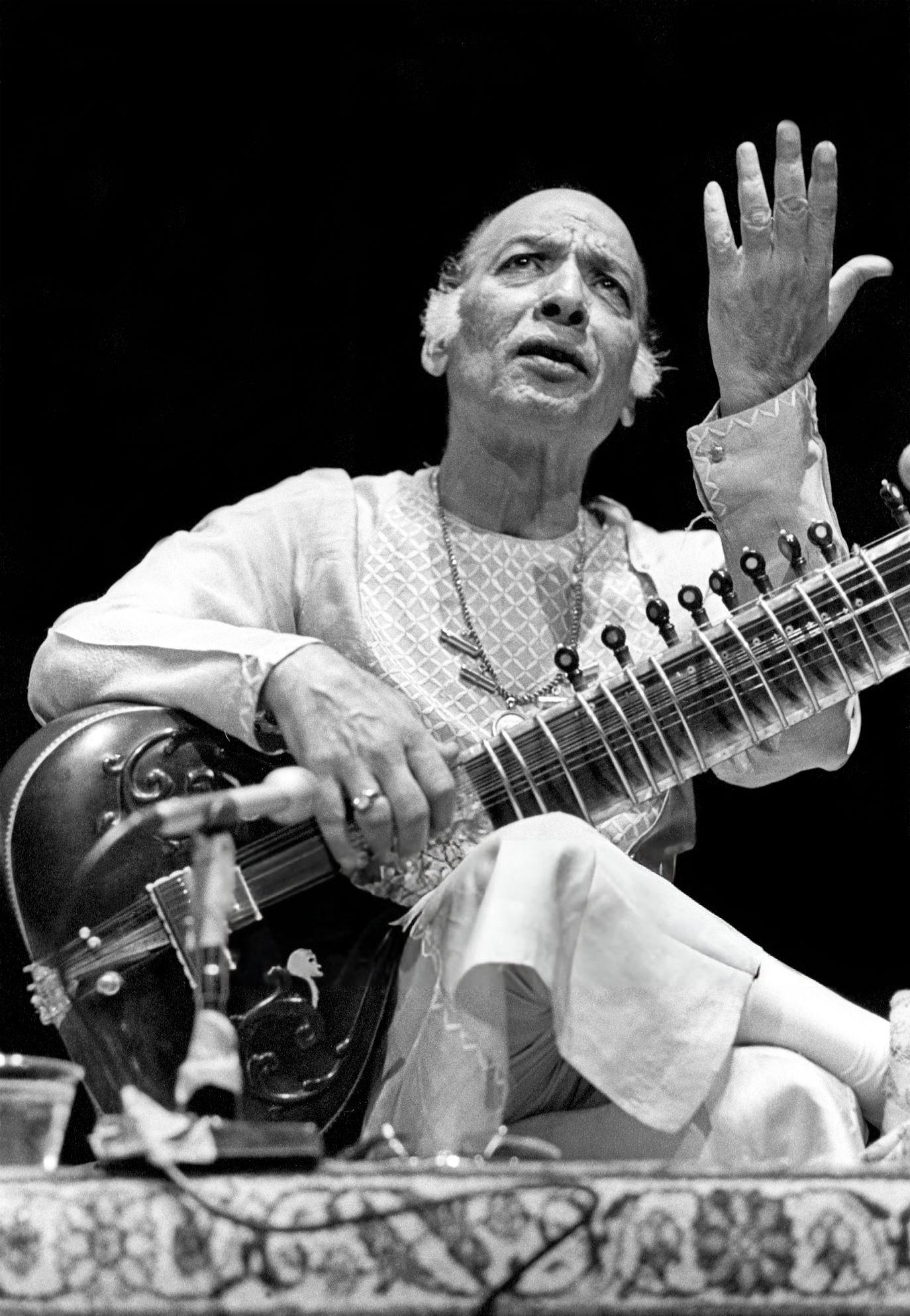 Ustad Vilayat KhanNephew
Paternal uncle of Vilayat Khan and Imrat Khan.
Wahid Khan — Wikipedia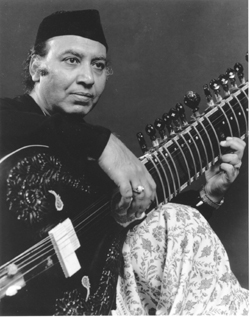 Ustad Imrat KhanNephew and student
He taught him and his brother Vilayat Khan sitar in Bombay.
Imrat Khan — Wikipedia
Community
Memories from the community
Personal recollections, not verified history
These are memories shared by listeners and musicians. They sit apart from the sourced biography above, and an editor reads each one before it appears.
- No memories have been shared yet.
Members can share a memory of Ustad Wahid Khan. Sign in or create an account.
Provenance
Sources and image credits
Photograph, Calcutta, c. 1910; public domain by age. Reproduced in Michael Kinnear, Etawah Gharana Discography
Continue exploring
- Imdadkhani (Etawah) gharanaThe lineage Ustad Wahid Khan is associated with, and the other musicians documented within it.
- The surbaharHow the instrument works, and who else in the archive plays it.
- The sitarHow the instrument works, and who else in the archive plays it.
- All musiciansBrowse the archive by name, instrument or discipline.