Hindustani classical · 1927–2018
Annapurna Devi
A surbahar of the highest order, heard by almost no one outside her own room.
- Instrument
- Surbahar
- Schools & gurukuls
- Vrindaban GurukulTeacher of the founder
- Born
- 1927, Maihar, Maihar, Central India (now Madhya Pradesh)
- Died
- 13 October 2018, Mumbai, Mumbai, Maharashtra
Official website & social links
Explore Annapurna Devi's recordings and legacy on the pages kept in their name.
- Official websiteRun by a foundation in their name
- YouTubeRun by a foundation in their name
- Instagram · @annapurnadevifoundationRun by a foundation in their name
- Facebook · @AnnapurnaDeviFoundationRun by a foundation in their name
These destinations belong to Annapurna Devi or to those who look after their work, and are checked by an editor before they are listed. They leave the archive. Suggest a link or a correction.
Biography
Life
She was born Roshanara Khan at Maihar in 1927 — the exact day is disputed in the sources — the daughter of Ustad Allauddin Khan and Madan Manjari, and the sister of Ali Akbar Khan. The Maharaja of Maihar gave her the name Annapurna; she took it formally on her marriage.
Her father was her only teacher. She began with voice, moved to sitar after a tonsillectomy affected her singing, and finally to the surbahar, the bass sitar, on which Allauddin Khan passed her the Wazirkhani beenkari repertoire he had received from Ustad Wazir Khan of Rampur.
In 1941 she married Ravi Shankar, a fellow pupil at Maihar. Their son Shubhendra was born the following year. Between 1946 and 1957 she performed surbahar and sitar duets with her husband in Delhi, Bombay and Calcutta, and by all accounts was formidable. Then she stopped. They separated in the 1960s and divorced in 1982; she married Rooshikumar Pandya later that year.
From then on she refused to perform in public and refused to be recorded. She held that taking money for the music would be selling Saraswati. She taught instead, briefly at the National Centre for the Performing Arts and thereafter from her flat in Mumbai, without fees, to a small number of students at a time.
She died in Mumbai on 13 October 2018, aged ninety-one. Almost no recordings of her playing exist.
In 2015 she founded the Annapurna Devi Foundation, a registered private trust. Its stated objects include supporting musicians in need, preserving the musical heritage of the Maihar Senia gharana and commemorating the work of her father and guru, Allauddin Khan. Her disciple the flautist Nityanand Haldipur is its managing trustee.
Her year of birth and her mother's name both differ between the family's own account and the published record. The Annapurna Devi Foundation's biography states that she "was born in 1926 at Maihar" to Allauddin Khan and Madan Manjari; The Hindu's obituary and Wikipedia give 1927, and The Hindu names her mother Madina Begum. The naming is less disputed: the Foundation records that she was named Annapurna, after the goddess of plenty, by Maharaja Brijnath Singh of Maihar.
The Foundation also explains why she was very nearly not taught at all. Her elder sister Jahanara, married into a family hostile to music, was abused for continuing with it and died in her mother's arms ten months into the marriage; the loss made Allauddin Khan wary of teaching another daughter. The decision was reversed by accident. Returning home one day, he heard Annapurna — five years younger than Ali Akbar, and not formally initiated — correcting her brother's practice from outside the room. Baba, an exacting teacher by every account, came to liken her to the embodiment of Saraswati.
That she taught rather than performed is the fact most often repeated about her, and the Foundation's account of her father's teaching explains what she was holding: the Maihar method produced Ali Akbar Khan on sarod, Ravi Shankar on sitar, Pannalal Ghosh on flute, Nikhil Banerjee on sitar and V. G. Jog on violin, and she carried the surbahar line of it out of public hearing and into her students.
Musical contribution
What they brought to music
What Annapurna Devi preserved was a way of playing rather than a body of recordings. The Wazirkhani beenkari style she held is dhrupad in origin — slow, unhurried, weighted toward the alaap and the lower register, and rooted in the been rather than in the sitar's later, more brilliant idiom. The surbahar is the instrument that suits it, and she was the only woman of her century known to have mastered it.
Her contribution was made through her students. Nikhil Banerjee, Hariprasad Chaurasia, Aashish Khan, Bahadur Khan, Nityanand Haldipur and others carried her father's teaching out into the world in her place. She is, in that sense, audible in a great deal of twentieth-century Hindustani music and present in none of it under her own name.
Life in dates
Timeline
1927
Born at Maihar
Born Roshanara Khan, daughter of Ustad Allauddin Khan; the exact date is disputed in the sources.
1941
Marries Ravi Shankar
Marries a fellow pupil of her father on 15 May.
1946–1957
Performs duets with Ravi Shankar
Surbahar and sitar duets in Delhi, Bombay and Calcutta.
1977
Padma Bhushan
Awarded by the Government of India.
1982
Second marriage
Divorces Ravi Shankar and marries Rooshikumar Pandya in December.
1991
Sangeet Natak Akademi Award
Recognised for Hindustani instrumental music.
2004
Sangeet Natak Akademi Fellowship
Elected a Fellow of the Akademi.
2018
Dies in Mumbai
Dies on 13 October, aged ninety-one.
Lineage & company
Teachers, students and musical connections
Documented teaching lineage
Taught by Ustad Allauddin Khan
Father and teacher.
Annapurna Devi — WikipediaTaught Pandit Hariprasad Chaurasia
Hariprasad Chaurasia became her student after moving to Bombay.
Hariprasad Chaurasia — Wikipedia
Teaching, family, collaboration and influence are recorded separately here; none is ever inferred from another.
In the documented teaching trees
Where the archive's lineage research places Annapurna Devi, and the teaching links recorded around them inside each tree.
Maihar (Senia-Maihar) gharana1927–2018
Daughter of Allauddin Khan; withdrew from public performance and became a revered teacher.
Taught in this tree by: Allauddin Khan
Recorded as teaching: Nityanand Haldipur, Hariprasad Chaurasia
People
Grouped by the kind of relationship the sources record — who taught this musician, who they taught, family, and the people they played with.
Teachers and gurus
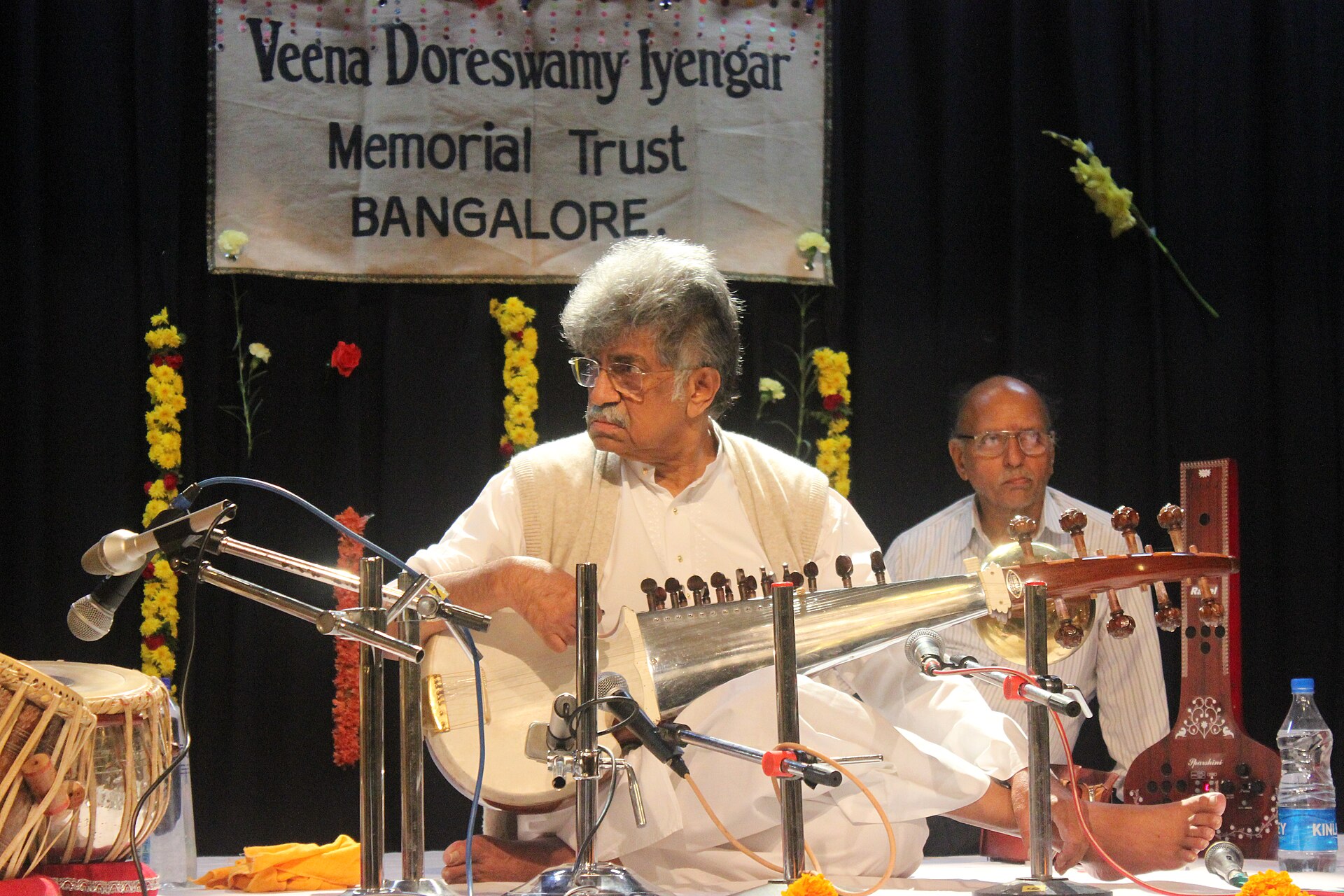 Pandit Rajeev TaranathStudent
Taranath received guidance from her.
Rajeev Taranath — Wikipedia
Students and disciples
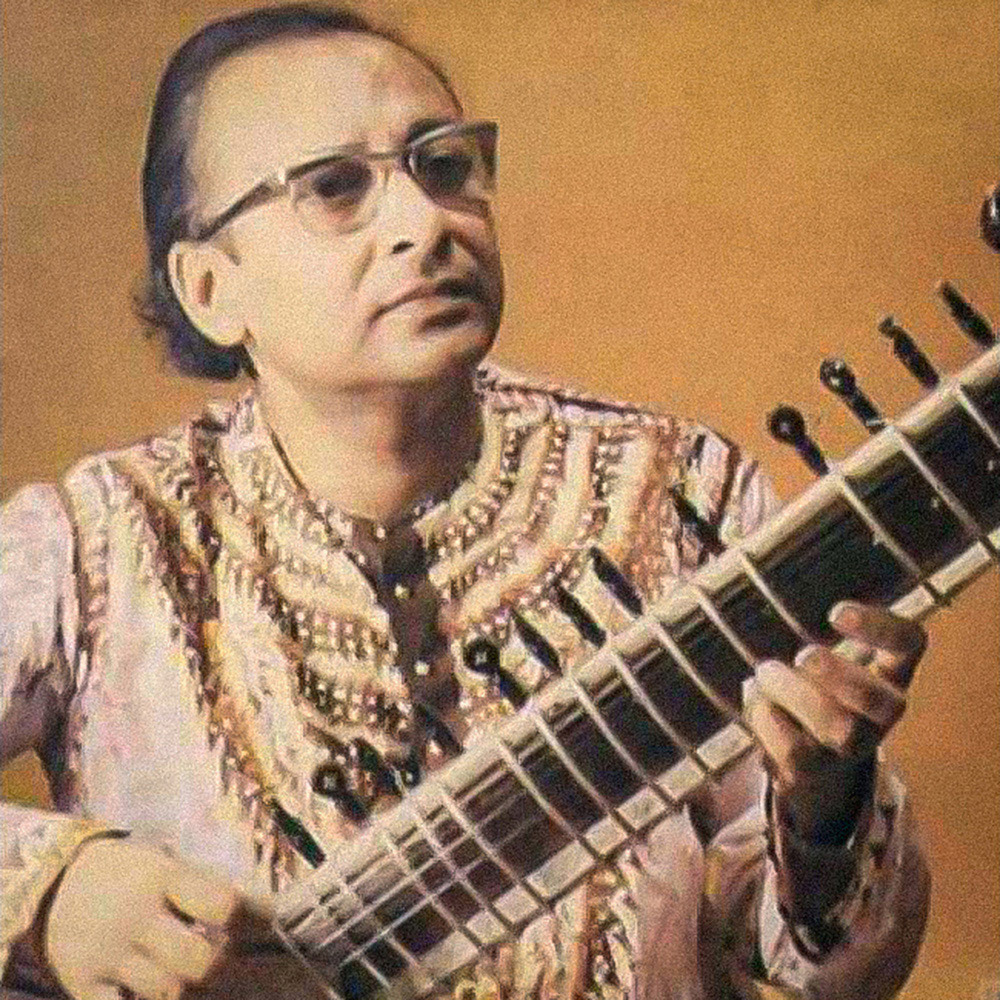 Pandit Nikhil BanerjeeStudent
Sitar player.
Annapurna Devi — Wikipedia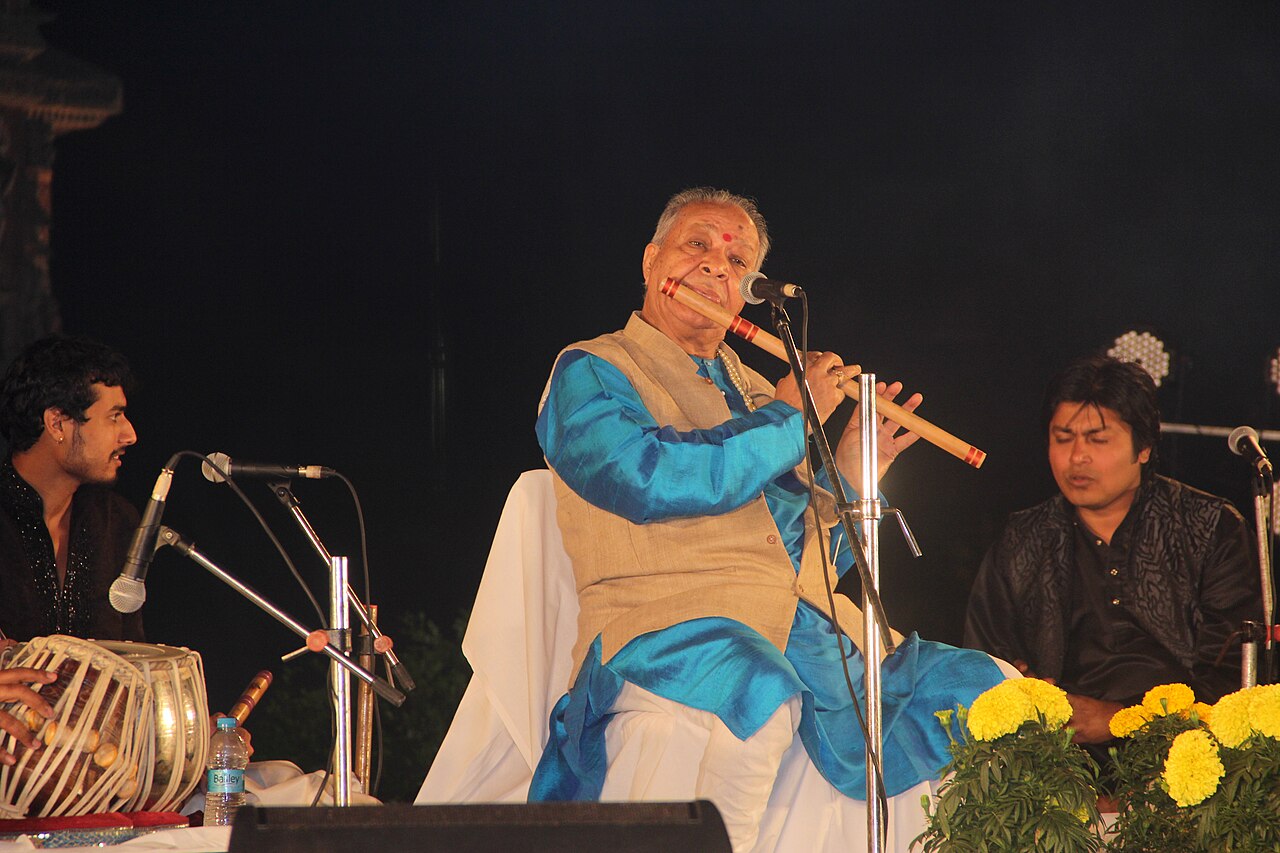 Pandit Hariprasad ChaurasiaStudent
Bansuri player.
Annapurna Devi — Wikipedia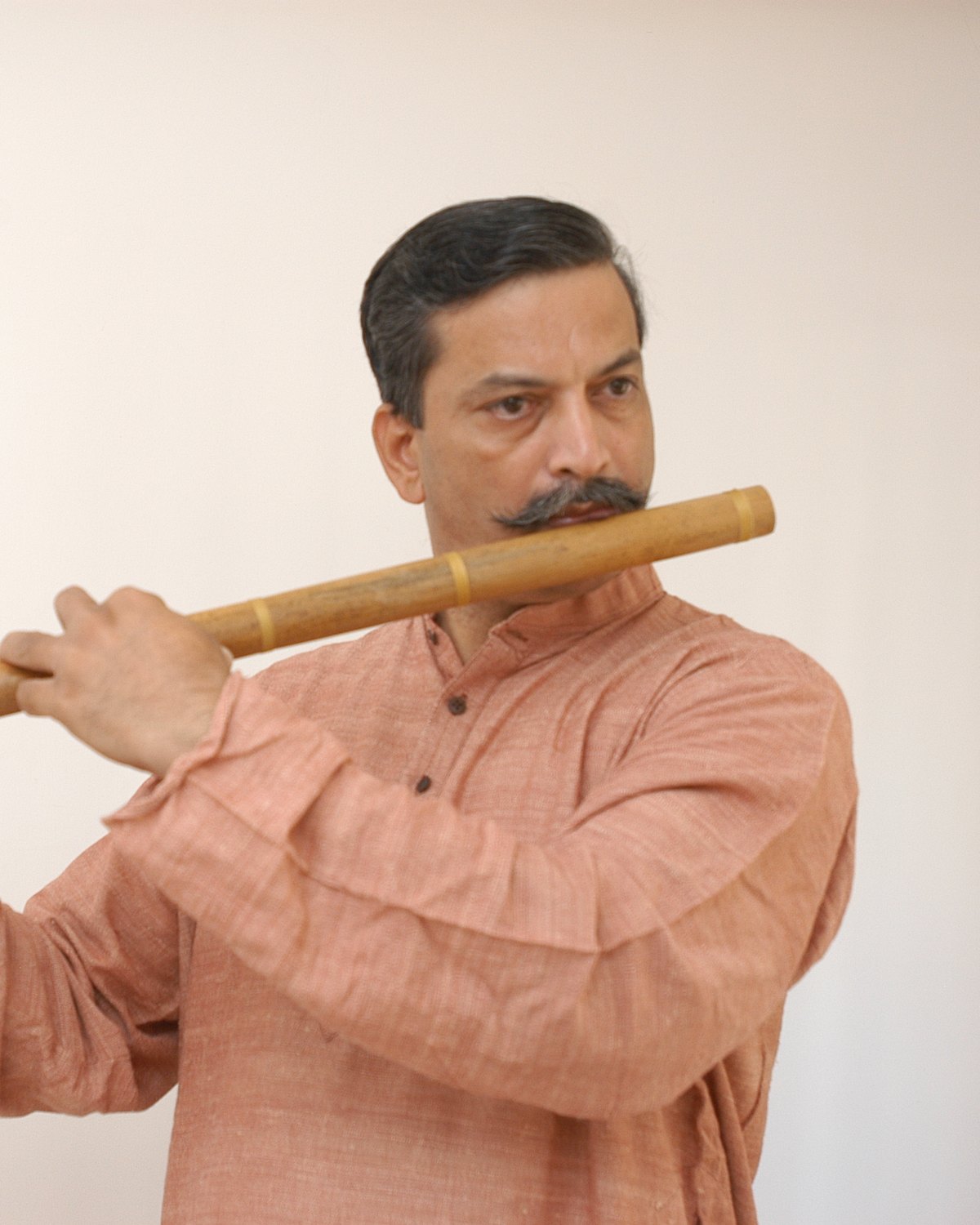 Nityanand HaldipurStudent
Flautist, who cared for her in later life.
Musician Annapurna Devi passes away — The Hindu- Sudhir PhadkeStudent
Named among the musicians she taught.
Annapurna Devi — Wikipedia - Sandhya PhadkeStudent
Named among the musicians she taught.
Annapurna Devi — Wikipedia - Pandit Nityanand HaldipurDiscipleNityanand Haldipur — Ali Akbar Khan Centennial
- Pandit Kartick KumarDiscipleIndian Classical Network
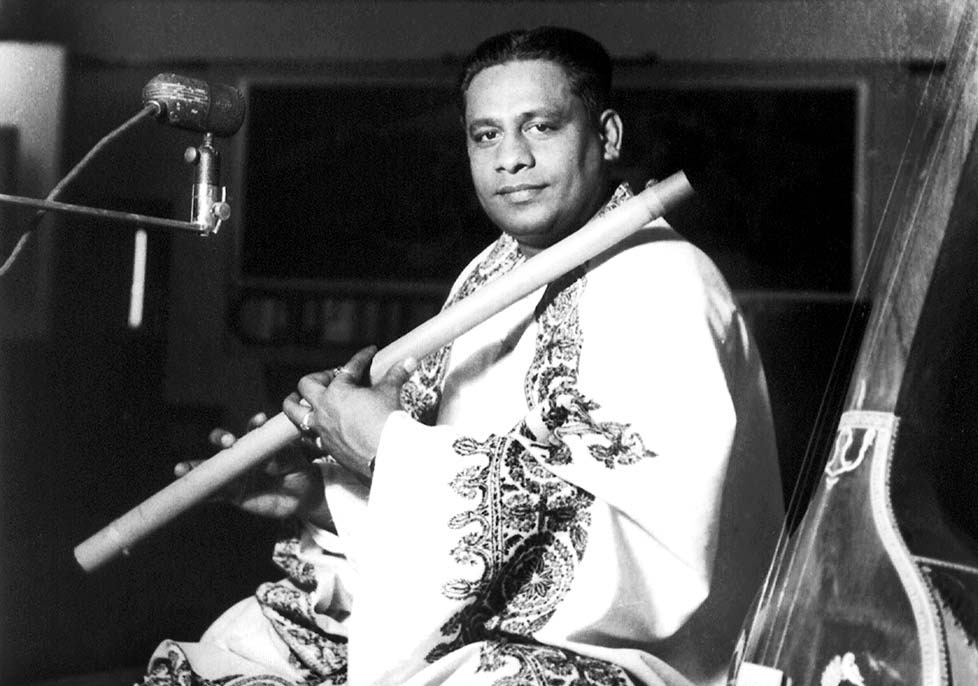 Pandit Pannalal GhoshFellow disciple
Named by the Annapurna Devi Foundation among the musicians formed by her father's teaching at Maihar.
Annapurna Devi Foundation- Annapurna Devi FoundationInstitution
Registered trust she founded in 2015 to support musicians and preserve the Maihar Senia heritage; her disciple Nityanand Haldipur is managing trustee.
Annapurna Devi Foundation
Family
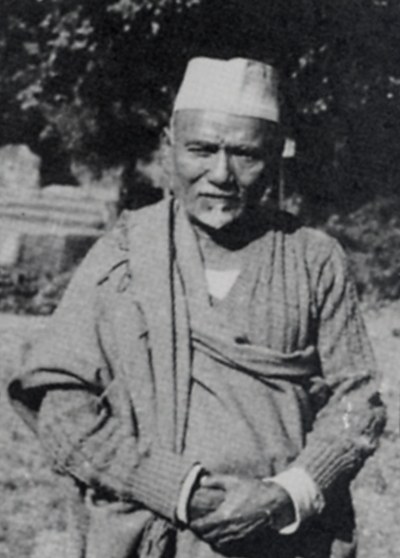 Ustad Allauddin KhanFather and only teacher
Founder of the Maihar tradition.
Annapurna Devi — Wikipedia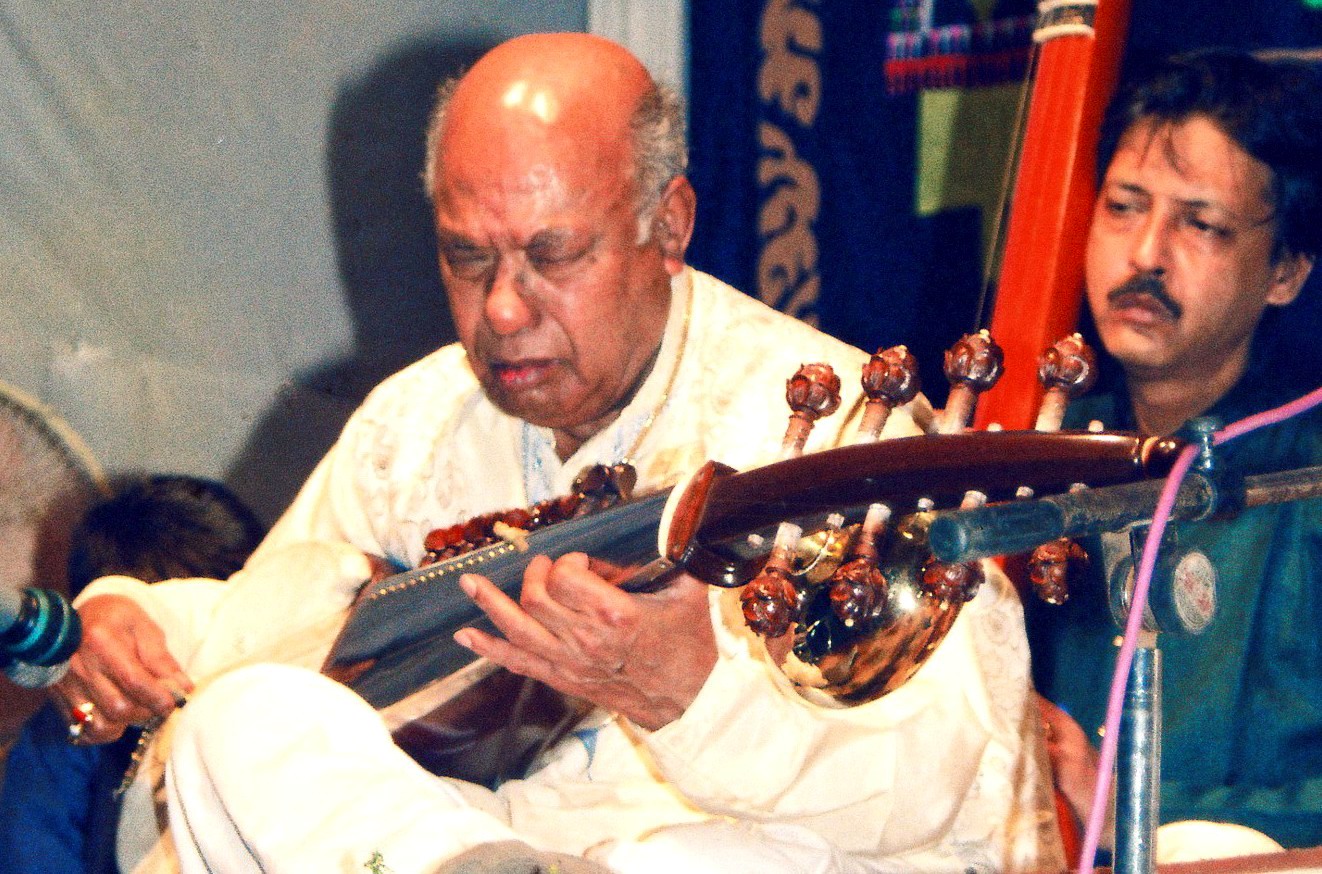 Ustad Ali Akbar KhanBrother
Sarod player.
Annapurna Devi — Wikipedia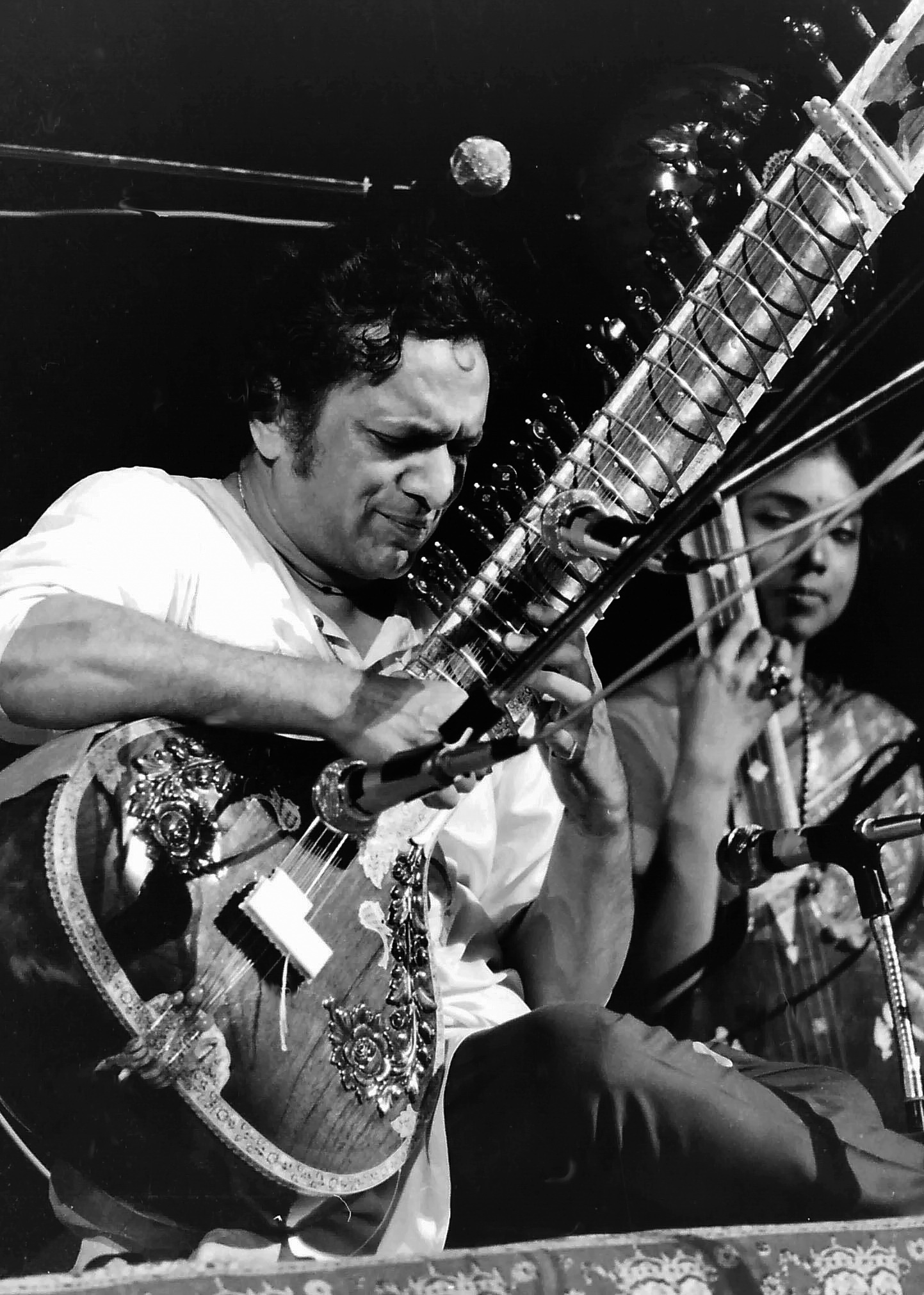 Pandit Ravi ShankarFirst husband and duet partner
Married 1941; performed duets 1946–1957; divorced 1982.
Annapurna Devi — Wikipedia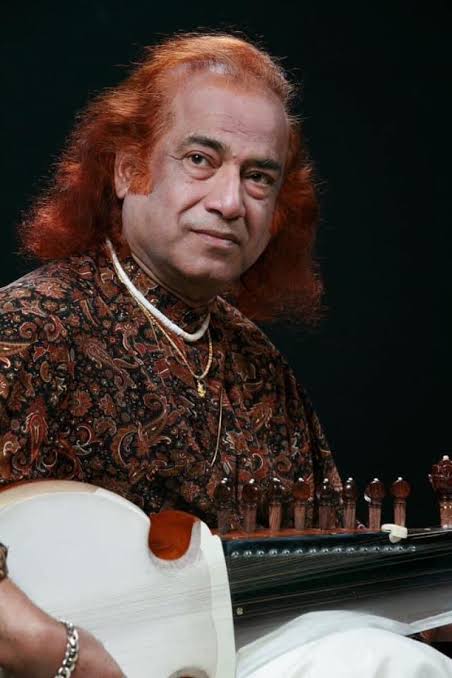 Ustad Aashish KhanNephew and student
Her nephew, who trained with her.
Aashish Khan — Wikipedia- Jahanara KhanSister
Elder sister whose death, after abuse for pursuing music in her married family, made Allauddin Khan reluctant to teach another daughter.
Annapurna Devi Foundation
Other recorded connections
- Maharaja Brijnath Singh of MaiharPatron
Ruler of Maihar, who gave her the name Annapurna after the goddess of plenty.
Annapurna Devi Foundation
Schools, gurukuls and institutions
- Vrindaban Gurukul
Teacher of the founder
Recognition
Honours and recognition
Highest national honour first, then by year.
- 1977Padma Bhushan
- 2004Sangeet Natak Akademi Fellowship
- 1991Sangeet Natak Akademi Award
- 1999DesikottamaHonorary doctorate, Visva-Bharati University.
Writing
From the journal
Community
Memories from the community
Personal recollections, not verified history
These are memories shared by listeners and musicians. They sit apart from the sourced biography above, and an editor reads each one before it appears.
- No memories have been shared yet.
Members can share a memory of Annapurna Devi. Sign in or create an account.
Provenance
Sources and image credits
- Biography of Annapurna Devi — Annapurna Devi Foundation
- Annapurna Devi — Wikipedia
- Annapurna Devi obituary — The New York Times
- A poised star of the surbahar — NPR
- Musician Annapurna Devi passes away — The Hindu
- About Annapurna Devi Foundation — Annapurna Devi Foundation
No photograph of this musician is published here yet; we use only images we are permitted to show, with credit.
Continue exploring
- Maihar (Senia-Maihar) gharanaThe lineage Annapurna Devi is associated with, and the other musicians documented within it.
- The surbaharHow the instrument works, and who else in the archive plays it.
- Vrindaban GurukulThe school Annapurna Devi is connected to — what it teaches and where it is.
- All musiciansBrowse the archive by name, instrument or discipline.