Hindustani classical · 1940s–2000s
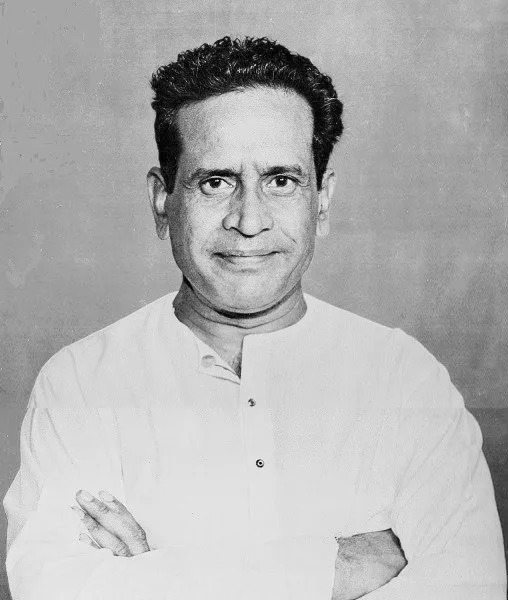
Pandit Bhimsen Joshi
A khayal voice of enormous reach, disciplined by the Kirana gharana's devotion to the note.
- Instrument
- Khayal vocal
- Gharana
- Kirana gharana
- Schools & gurukuls
- Dhrupad SansthanInaugurated the gurukulPrayag Sangeet SamitiPerformed at the Samiti
- Born
- 4 February 1922, Ron, Karnataka, Ron, Dharwad district, Bombay Presidency
- Died
- 24 January 2011, Pune, Pune, Maharashtra
- On these dates
- Active period taken from the decades recorded in the era field; approximate.
Official website & social links
Explore Pandit Bhimsen Joshi's recordings and legacy on the pages kept in their name.
These destinations belong to Pandit Bhimsen Joshi or to those who look after their work, and are checked by an editor before they are listed. They leave the archive. Suggest a link or a correction.
Where to start
Begin listening
Raga Ramkali — khayal, vilambit and drut in teentaal
Ramkali · Saregama · Bhimsen Joshi - Topic
Raga Miyan ki Todi (1962) — khayal in teentaal, "Eri Maai Aaj"
Miyan ki Todi · Saregama · Bhimsen Joshi - Topic
Recordings are embedded from official or authorised channels and never rehosted. Nothing plays on its own, and starting one closes another. Where an editor has added a note, it explains why that recording was chosen — not what happens inside it.
Biography
Life
Bhimsen Joshi was born on 4 February 1922 at Ron in present-day Karnataka. As a boy he left home in search of a teacher, travelling through north India — a much-told episode that ended when he returned to Dharwad and became a disciple of Sawai Gandharva, the leading pupil of Ustad Abdul Karim Khan of the Kirana gharana.
He gave his first significant concerts in the early 1940s and recorded in Kannada and Hindi soon after. From 1953 he organised the annual Sawai Gandharva festival in Pune in his guru's memory, which became one of India's major music gatherings.
Alongside khayal he sang bhajans and abhangs, and was widely heard through the national-integration film Mile Sur Mera Tumhara (1988). He performed into his eighties and died in Pune on 24 January 2011.
The sources do not fully agree on where he was born. Wikipedia and most reference works give Ron, in Dharwad (now Gadag) district; The Hindu's obituary by Deepa Ganesh says simply that "Bhimsen Joshi was born in Gadag in 1922". The date, 4 February 1922, is not disputed. He was the eldest of sixteen children of Gururaj Joshi, a schoolteacher and Sanskrit scholar, and Godavaribai; his grandfather was an established kirtankar. The wandering began early: from the age of three he would follow processions and the muezzin's call, and his father took to writing "son of teacher Joshi" on his shirts so that strangers could return him.
Before the discipleship settled him, he worked in radio. Frontline records him as a staff artiste at All India Radio, Lucknow in 1941–42, giving three ten-minute bhajan broadcasts a week and sharing a room with the not-yet-famous Bismillah Khan; he moved to AIR Bombay late in 1942 in order to be near Pune, where Sawai Gandharva lived. His first Pune concert was in 1941, and in 1946 he sang at the celebration of his guru's sixtieth birthday — the performance usually treated as his arrival.
The touring years took the Kirana repertoire abroad: between 1964 and 1982 he sang in Afghanistan, Italy, France, Canada and the United States, and Wikipedia records him as the first Indian musician whose concerts were advertised on posters in New York City.
The festival he began in 1953 was, at first, a small memorial for the first death anniversary of Sawai Gandharva, hosted by the Arya Sangeet Prasarak Mandal. He personally invited every performing artist for as long as he ran it, and a debut there came to mark a young musician's arrival. He led the organisation until 2002, when his health made it impossible; his youngest son Shrinivas Joshi and his senior disciple Shrikant Deshpande took it on, and after his death in 2011 the Mandal renamed it the Sawai Gandharva Bhimsen Mahotsav.
He was the first Hindustani vocalist to receive the Bharat Ratna, in 2008.
Musical contribution
What they brought to music
Joshi's singing is Kirana in its patience with the swara — slow, exact intonation, an unhurried building of the raga from a single note outward — but it is his own in its power. He had extraordinary breath control and a voice that could move from a whisper to an open, ringing upper register without losing tuning.
Ragas such as Miyan ki Todi, Puriya Dhanashri, Multani and Shuddha Kalyan are closely identified with him. His devotional singing brought the same discipline to simpler forms, which is much of why he was heard so widely.
Life in dates
Timeline
1922
Born at Ron
Born on 4 February in present-day Karnataka.
1930s
Leaves home in search of a teacher
Travels through north India before returning to Dharwad.
1930s–40s
Studies with Sawai Gandharva
Becomes a disciple of the Kirana gharana master.
1953
Founds the Sawai Gandharva festival
Begins the annual Pune festival in his guru's memory.
2011
Dies in Pune
Dies on 24 January, aged 88.
In pictures
Photographs
Lineage & company
Teachers, students and musical connections
Documented teaching lineage
Taught by Sawai Gandharva
Bhimsen Joshi trained with Sawai Gandharva at Kundgol.
Bhimsen Joshi — Wikipedia
Teaching, family, collaboration and influence are recorded separately here; none is ever inferred from another.
In the documented teaching trees
Where the archive's lineage research places Pandit Bhimsen Joshi, and the teaching links recorded around them inside each tree.
Kirana gharana1922–2011
The most widely heard Kirana singer of the twentieth century.
Taught in this tree by: Sawai Gandharva
People
Grouped by the kind of relationship the sources record — who taught this musician, who they taught, family, and the people they played with.
Teachers and gurus
- Pandit Sawai GandharvaTeacher
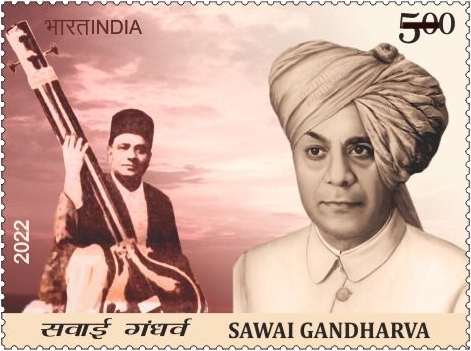
Kirana gharana master and disciple of Abdul Karim Khan.
Bhimsen Joshi — Wikipedia 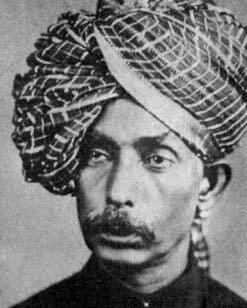 Ustad Abdul Karim KhanGharana lineage
Founder figure of the Kirana gharana, his guru's teacher.
Bhimsen Joshi — Wikipedia- Channappa KurtakotiFirst teacher
His first music teacher, who had trained with Inayat Khan; taught him Bhairav and Bhimpalasi.
Wikipedia
Students and disciples
- Pandit Madhav GudiDisciple
Trained with him for over twenty-five years and lived in his household in Pune.
Wikipedia 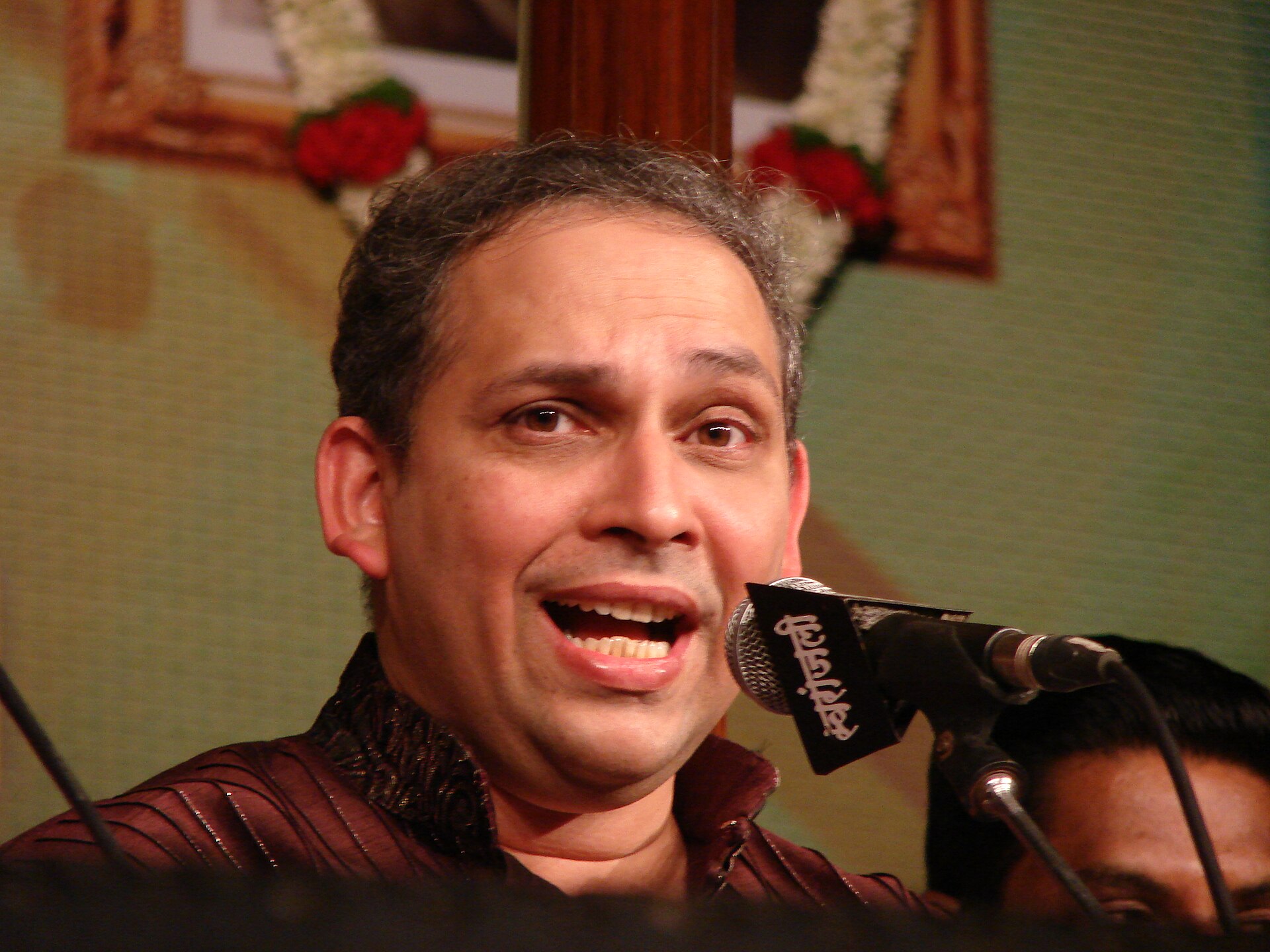 Pandit Anand BhateDisciple
Studied with him for fifteen years.
Wikipedia- Upendra BhatStudent
Trained under Narayan Pai and Madhava Gudi before studying with Bhimsen Joshi.
Wikipedia 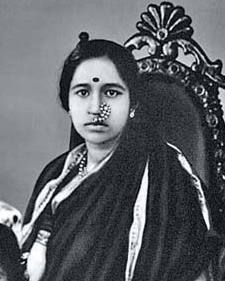 Gangubai HangalFellow disciple of Sawai GandharvaWikipedia
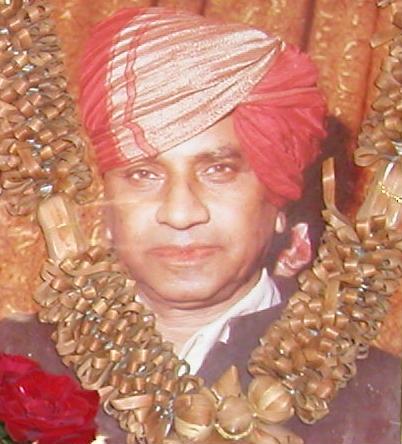 Pandit Basavaraj RajguruFellow disciple
Both counted among Sawai Gandharva's disciples.
Sawai Gandharva — Wikipedia- Shrikant DeshpandeDisciple
Senior disciple who succeeded him, with Shrinivas Joshi, as organiser of the Sawai Gandharva festival.
Sawai Gandharva Bhimsen Festival — Wikipedia
Family
- Shrinivas JoshiSon
His youngest son, who took over the running of the Sawai Gandharva festival in 2002 and has led it since 2011.
Sawai Gandharva Bhimsen Festival — Wikipedia
Collaborators and accompanists
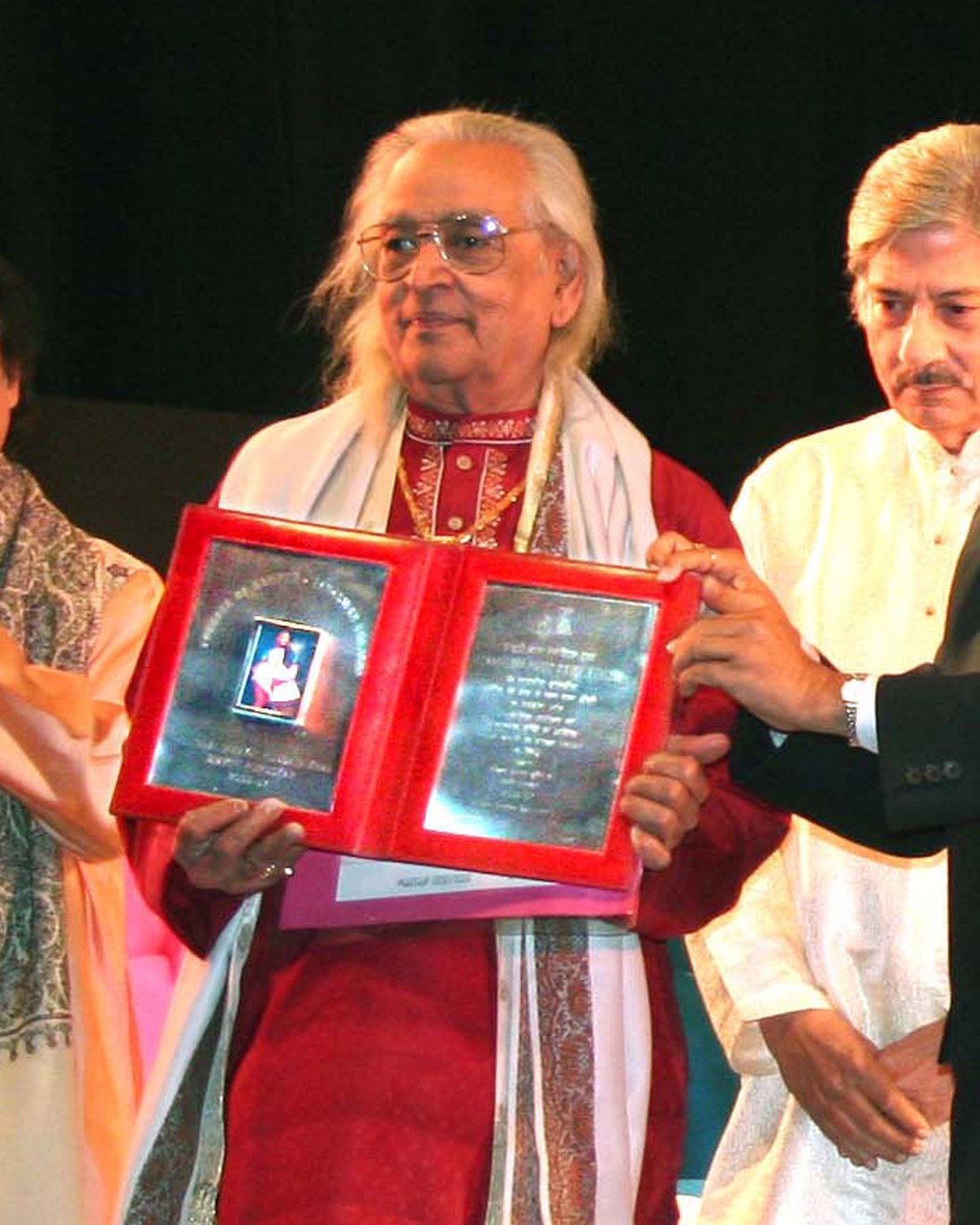 Pandit Kishan Maharajaccompanied by
Kishan Maharaj accompanied him in concert.
The Independent — Kishan Maharaj obituary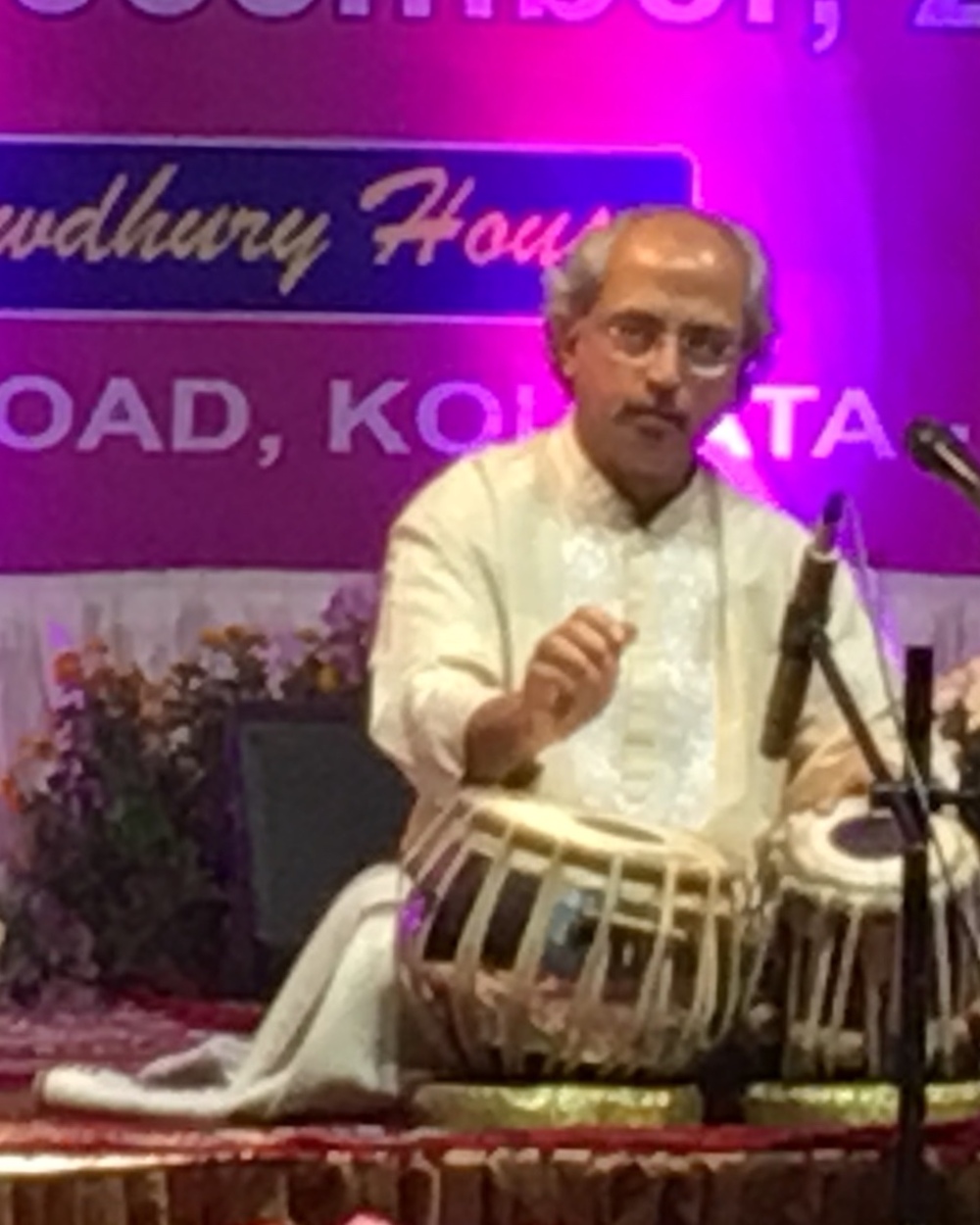 Pandit Yogesh SamsiTabla accompanist
Has accompanied him in concert.
Yogesh Samsi — official site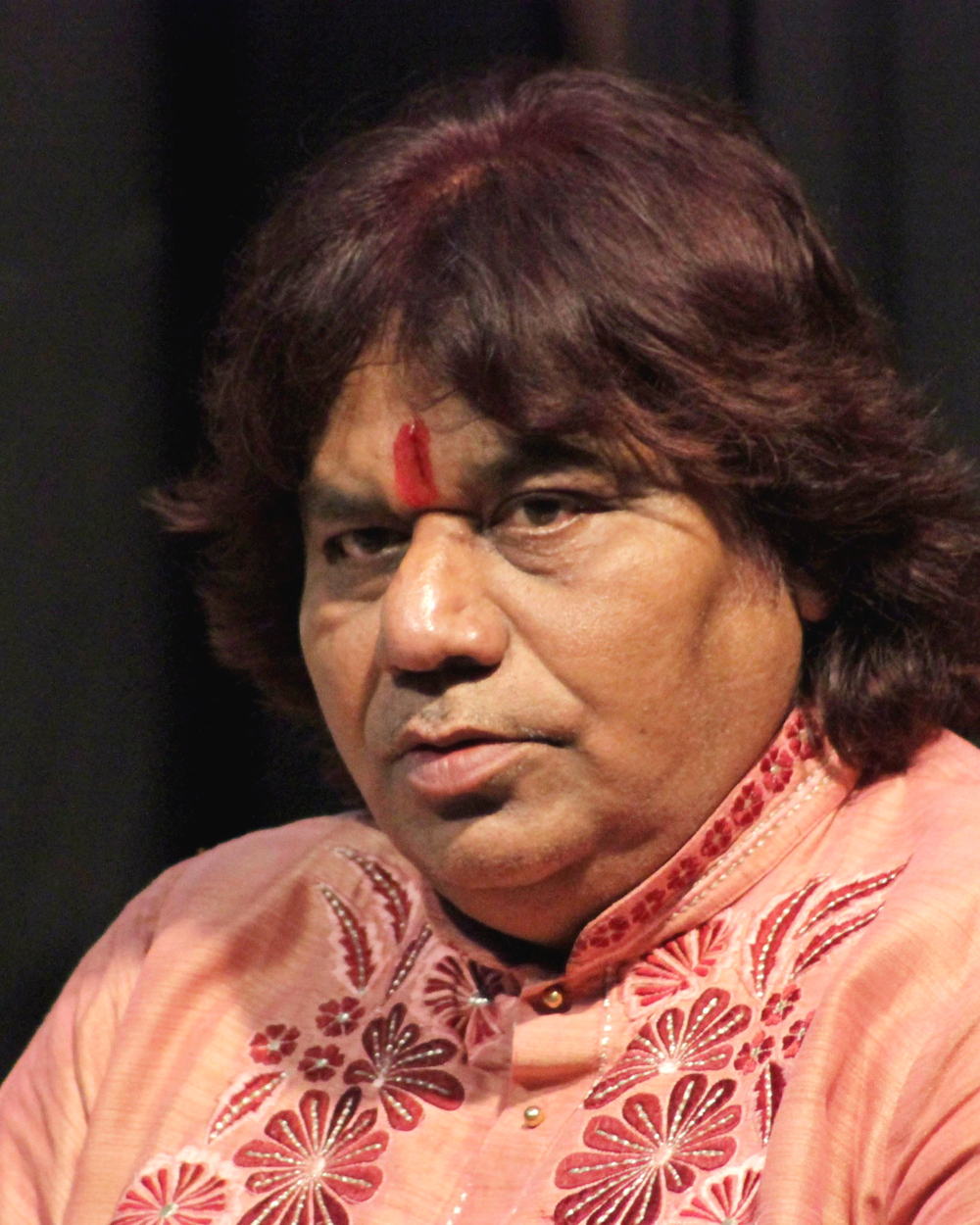 Pandit Bhavani Shankarperformed with
Named by Bhavani Shankar in a 2009 interview among the musicians he had performed with.
A world language, The Hindu
Other recorded connections
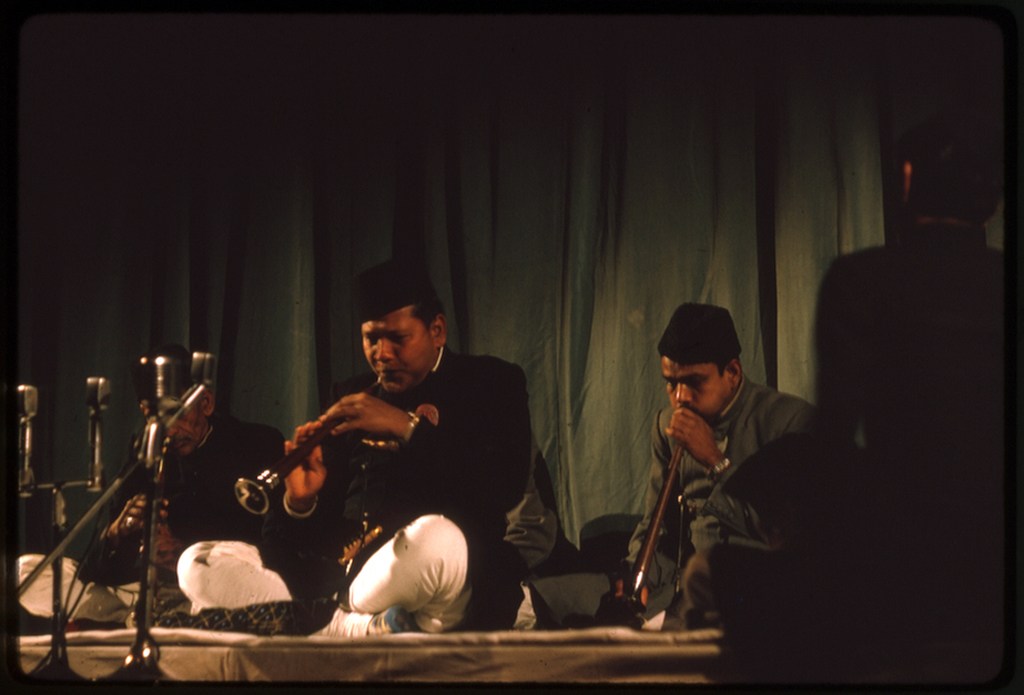 Ustad Bismillah KhanContemporary
Shared a room as fellow staff artistes at All India Radio, Lucknow, in 1941–42, before either was well known.
Musical genius — Frontline- Arya Sangeet Prasarak MandalInstitution
Host organisation of the Sawai Gandharva festival, which he initiated in 1953 and led until 2002.
Sawai Gandharva Bhimsen Festival — Wikipedia - All India RadioInstitution
Staff artiste at AIR Lucknow in 1941–42, giving three ten-minute bhajan broadcasts a week; moved to AIR Bombay late in 1942.
Musical genius — Frontline
Schools, gurukuls and institutions
- Dhrupad Sansthan
Inaugurated the gurukul
- Prayag Sangeet Samiti
Performed at the Samiti
Recognition
Honours and recognition
Highest national honour first, then by year.
- 2008Bharat Ratna
- 1999Padma Vibhushan
- 1985Padma Bhushan
- 1972Padma Shri
- 1998Sangeet Natak Akademi Fellowship
- 1976Sangeet Natak Akademi Award
- 2002Maharashtra Bhushan
- 2005Karnataka Ratna
Writing
From the journal
Community
Memories from the community
Personal recollections, not verified history
These are memories shared by listeners and musicians. They sit apart from the sourced biography above, and an editor reads each one before it appears.
- No memories have been shared yet.
Members can share a memory of Pandit Bhimsen Joshi. Sign in or create an account.
Provenance
Sources and image credits
- A challenge unto himself — The Hindu (Deepa Ganesh), 24 January 2011
- Musical genius — Frontline (Partha Chatterjee), 25 February 2011
- Pt. Bhimsen Joshi: The making of a maestro — The Hindu, 11 November 2021
- Sawai Gandharva Bhimsen Festival — Wikipedia
- Bhimsen Joshi — Wikipedia
- Bhimsen Joshi — Encyclopaedia Britannica
Photograph 1962, British Institute of Recorded Sound, public domain, via Wikimedia Commons
Continue exploring
- Kirana gharanaThe lineage Pandit Bhimsen Joshi is associated with, and the other musicians documented within it.
- The khayal vocalHow the instrument works, and who else in the archive plays it.
- Dhrupad SansthanThe school Pandit Bhimsen Joshi is connected to — what it teaches and where it is.
- All musiciansBrowse the archive by name, instrument or discipline.