Hindustani classical · 1953–present
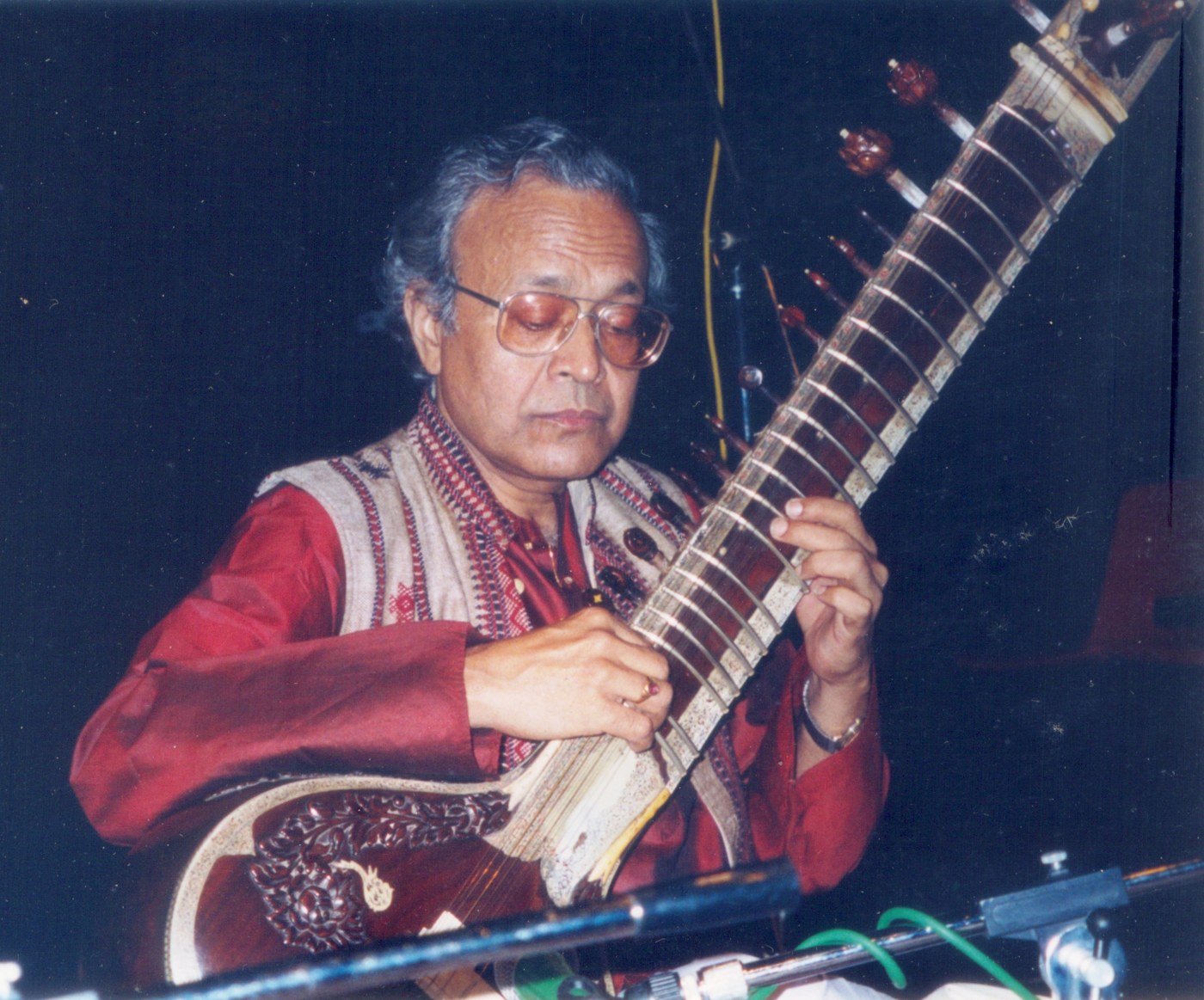
Pandit Manilal Nag
A sixth-generation musician who carries the sitar of the Bishnupur gharana of Bengal.
- Instrument
- Sitar
- Gharana
- Bishnupur gharana
- Born
- 16 August 1939, Bankura, Bankura, Bengal, India
Official website & social links
We have no checked official pages for Pandit Manilal Nag yet. Suggest an official link.
Where to start
Begin listening
Start here
Sitar recital — Sankat Mochan Sangeet Samaroh, Varanasi, 1995
Tabla: Pandit Ishwar Lal Mishra · Performed 1995 · 36:45 · Sankat Mochan Mandir
Sankat Mochan Sangeet Samaroh, Varanasi
An archival 1995 recording released by the festival's own temple trust in 2025; performance year and upload year are therefore far apart.
Watch on YouTubeUploaded 2025-10-25
Recordings are embedded from official or authorised channels and never rehosted. Nothing plays on its own, and starting one closes another. Where an editor has added a note, it explains why that recording was chosen — not what happens inside it.
Biography
Life
Manilal Nag was born in Bankura in 1939 and learned the sitar from his father, Gokul Nag, within the Bishnupur gharana of Bengal — a tradition rooted in the dhrupad practice of the old Bishnupur court. He first appeared in public at the All India Music Conference of 1953, accompanied on tabla by Samta Prasad, and has performed on the National Programme of Music and in the Akashvani Sangeet Sammelan since 1954.
He toured the United States and Europe under the auspices of the Indian Council for Cultural Relations in 1973, and represented India at the Indian Ocean Art Festival in Australia in 1979. From 2005 to 2011 he was attached to the instrumental music division of the ITC Sangeet Research Academy in Kolkata.
His daughter and student, Mita Nag, is a sixth-generation sitarist of the same tradition. His recordings include releases on Raga Records and the Koch World Music Library. He received the Sangeet Natak Akademi Award in 2001, a Senior Fellowship from the Ministry of Culture in 2005, an honorary gold medal from the Asiatic Society in Kolkata in 2008, the Allauddin Puraskar in 2012, the Banga Bibhushan in 2015, and the Padma Shri in 2020.
Musical contribution
What they brought to music
The Bishnupur sitar style Nag plays grew out of the dhrupad singing of the Bishnupur court, and keeps a measured, weighty approach to the unfolding of a raga rather than the fast tantrakari display heard in some other schools. It is a distinct Bengali tradition and should not be read as a branch of Maihar or Imdadkhani playing.
In pictures
Photographs
Lineage & company
Teachers, students and musical connections
In the documented teaching trees
Where the archive's lineage research places Pandit Manilal Nag, and the teaching links recorded around them inside each tree.
Vishnupur gharanaborn 1939
Leading Bishnupur sitarist of his generation.
People
Grouped by the kind of relationship the sources record — who taught this musician, who they taught, family, and the people they played with.
Family
- Mita NagDaughter and disciple
A sixth-generation sitarist of the Bishnupur gharana.
Manilal Nag — Wikipedia - Sangeetacharya Gokul NagFather and teacher
Taught him sitar within the Bishnupur gharana.
Manilal Nag — Wikipedia
Collaborators and accompanists
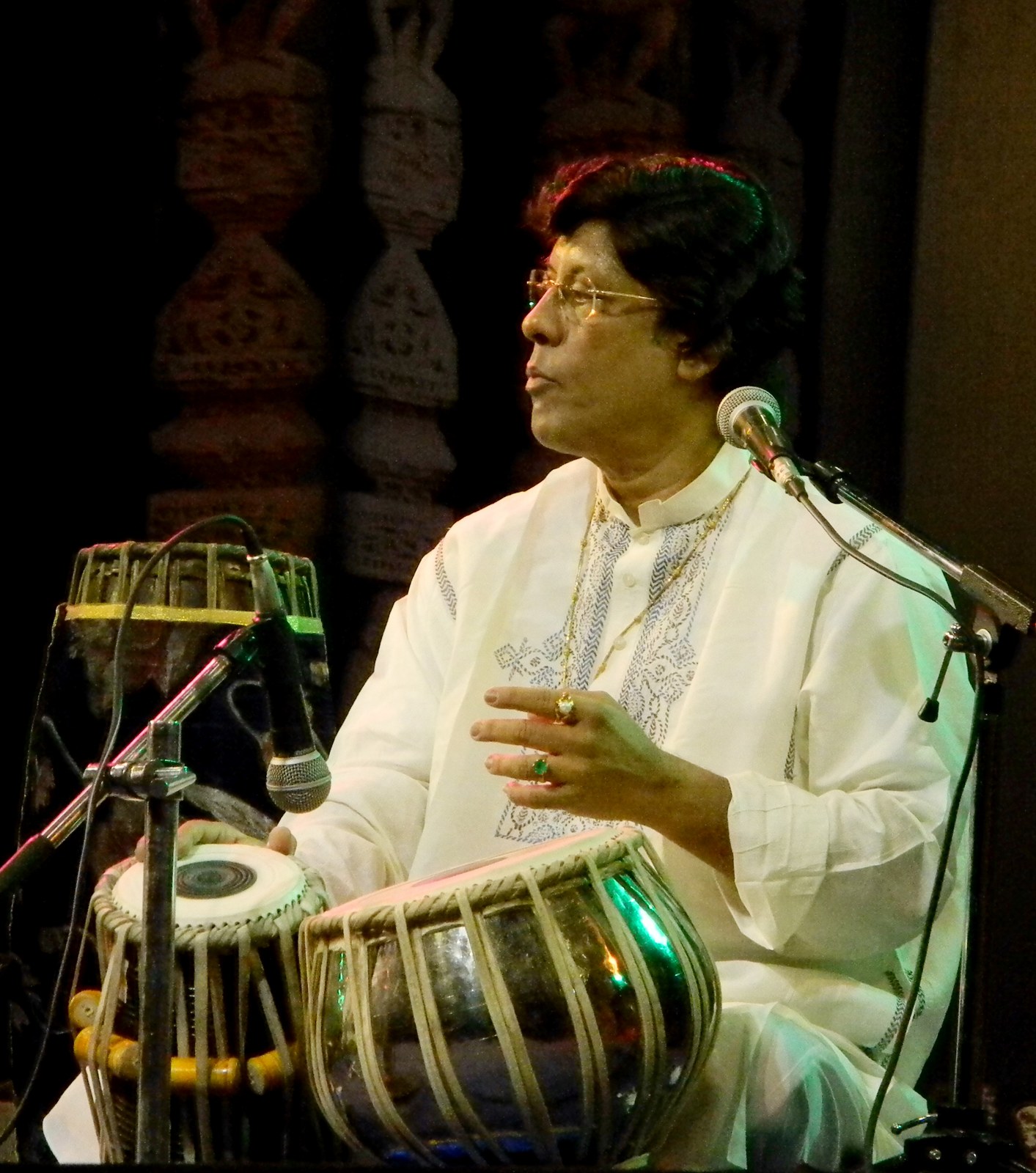 Pandit Anindo ChatterjeeAccompanied by
Named among the tabla players who have accompanied him.
Wikipedia — Anindo Chatterjee- Pandit Samta PrasadAccompanist
Accompanied his first public appearance at the All India Music Conference in 1953.
Manilal Nag — Wikipedia
Recognition
Honours and recognition
Highest national honour first, then by year.
- 2020Padma Shri
- 2001Sangeet Natak Akademi Award
- 2005Senior Fellowship, Ministry of Culture
- 2008Honorary Gold Medal, Asiatic Society, Kolkata
- 2012Allauddin Puraskar (Government of West Bengal)
- 2015Banga Bibhushan (Government of West Bengal)
Community
Memories from the community
Personal recollections, not verified history
These are memories shared by listeners and musicians. They sit apart from the sourced biography above, and an editor reads each one before it appears.
- No memories have been shared yet.
Members can share a memory of Pandit Manilal Nag. Sign in or create an account.
Provenance
Sources and image credits
Photograph by Amittgg77, CC BY-SA 3.0, via Wikimedia Commons
Continue exploring