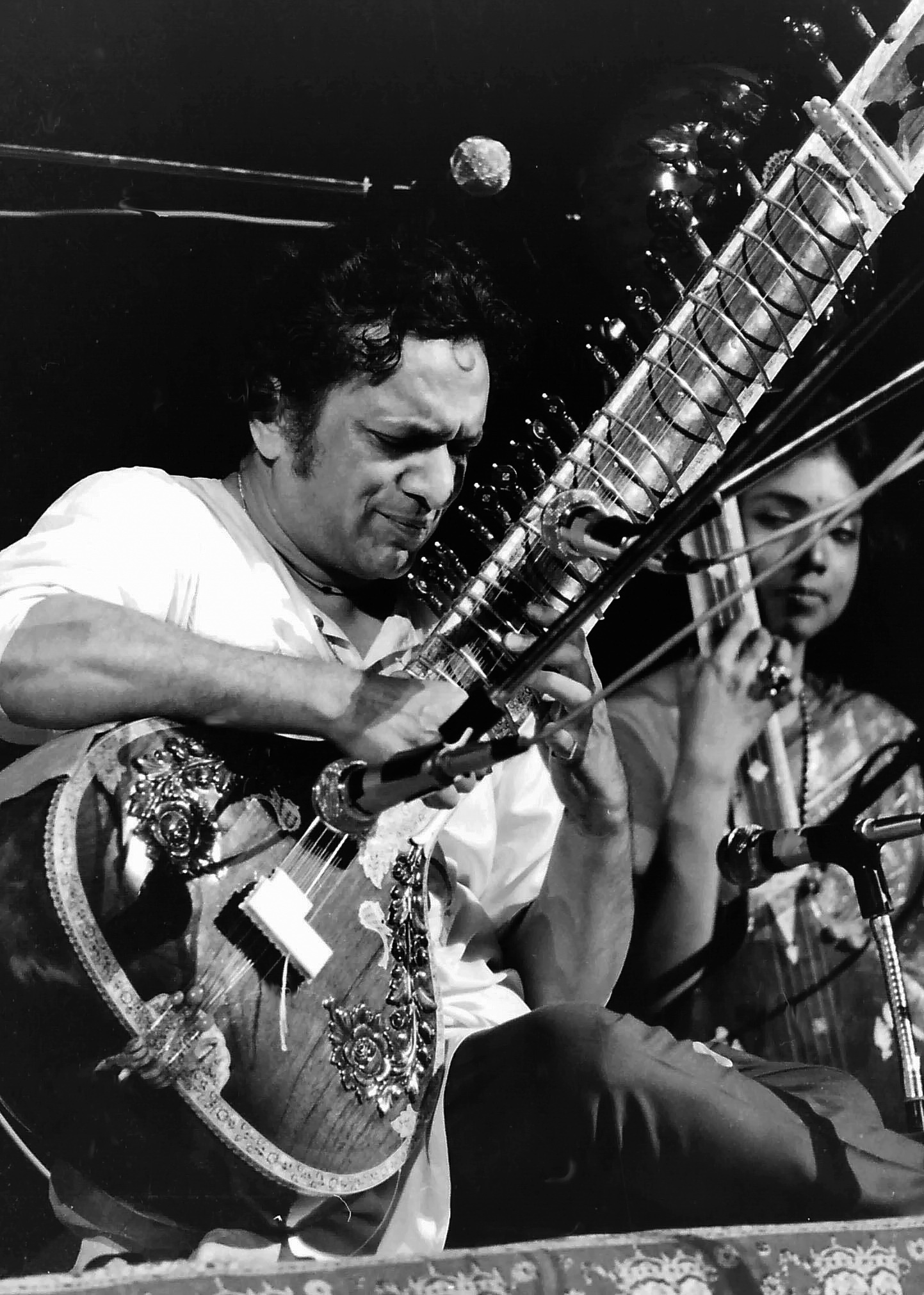
Hindustani classical · 1938–2012
Pandit Ravi Shankar
The sitarist who carried Hindustani music to the world without letting go of its discipline.
- Instrument
- Sitar
- Schools & gurukuls
- Bharatiya Vidya Bhavan, LondonFriend and supporter of the centreSaptak School of MusicNamed at its foundingPrayag Sangeet SamitiPerformed at the Samiti
- Born
- 7 April 1920, Benares (Varanasi), Benares (Varanasi), United Provinces
- Died
- 11 December 2012, San Diego, California, San Diego, California, United States
Official website & social links
Explore Pandit Ravi Shankar's recordings and legacy on the pages kept in their name.
- Official websiteRun by a foundation in their name
- Instagram · @ravishankar_maestroRun by a foundation in their name
- YouTube · @TheShankarFoundationRun by a foundation in their name
- SpotifyRun by a foundation in their name
These destinations belong to Pandit Ravi Shankar or to those who look after their work, and are checked by an editor before they are listed. They leave the archive. Suggest a link or a correction.
Where to start
Begin listening
Guru Vandana (1967)
Ravi Shankar Foundation
Archive performance film published by the Ravi Shankar Foundation, which manages his estate.
Live with Anoushka Shankar, Santa Cruz, 2007 — Raga Pancham Se Gara
Ravi Shankar Foundation
Father and daughter in concert, published by the Ravi Shankar Foundation.
Master of the Sitar (BBC, 1985)
BBC Archive
A 1985 BBC film in which he speaks about teaching and plays; published on the BBC Archive channel.
Recordings are embedded from official or authorised channels and never rehosted. Nothing plays on its own, and starting one closes another. Where an editor has added a note, it explains why that recording was chosen — not what happens inside it.
Biography
Life
Ravi Shankar was born in Benares on 7 April 1920, the youngest of the sons of Shyam Shankar Chowdhury. As a boy he travelled with the dance company of his elder brother Uday Shankar, performing in Europe and the United States through the 1930s — an unusual apprenticeship that gave him the stage before it gave him a raga.
In 1938 he left the troupe to study sitar seriously under Ustad Allauddin Khan at Maihar, living in the traditional guru-shishya manner for several years. The training was severe and it remade him: he emerged in the 1940s as a soloist of unusual architectural clarity.
He worked as a composer and music director for All India Radio, founded its National Orchestra, and wrote the score for Satyajit Ray's Apu trilogy, beginning with Pather Panchali (1955).
From the mid-1950s he toured abroad steadily. His friendship with Yehudi Menuhin produced the West Meets East recordings; his teaching of George Harrison and his appearances at the Monterey Pop Festival (1967) and Woodstock (1969) placed the sitar in front of audiences who had never heard a raga. He was always careful to insist that curiosity should lead to the music itself, not to a fashion.
He continued to compose concertos, teach, and record into his nineties, and died in San Diego on 11 December 2012. His daughters Anoushka Shankar and Norah Jones are both musicians.
Musical contribution
What they brought to music
Shankar's playing is remembered for its architecture: long, patient alap, the deliberate unfolding of a raga's character, and jhala passages of great rhythmic drive. He worked closely with Ustad Alla Rakha, and the two made the dialogue between sitar and tabla a form of its own on the concert stage.
As a composer he wrote for orchestra, ballet, and film, and he built structures — concertos, ensemble works — that let Indian melodic thinking sit beside Western forms without surrendering to them.
Life in dates
Timeline
1920
Born in Benares
Born on 7 April into the family of Shyam Shankar Chowdhury.
1930s
Tours with Uday Shankar's troupe
Performs in Europe and America as a dancer and musician in his brother's company.
1938
Begins study at Maihar
Leaves the troupe to train under Ustad Allauddin Khan in the traditional manner.
1955
Scores Pather Panchali
Writes the music for Satyajit Ray's first film, and later the rest of the Apu trilogy.
1967
Monterey Pop Festival
Performs before a large Western festival audience with Ustad Alla Rakha.
1969
Woodstock
Plays at the festival; the performance becomes one of the best-known images of his career.
2012
Dies in San Diego
Dies on 11 December in California, aged 92.
In pictures
Photographs
Lineage & company
Teachers, students and musical connections
Documented teaching lineage
Taught by Ustad Allauddin Khan
Ravi Shankar studied with Allauddin Khan at Maihar.
Ravi Shankar — WikipediaTaught Anoushka Shankar
Taught by her father from childhood, learning by ear.
Anoushka Shankar — Biography
Teaching, family, collaboration and influence are recorded separately here; none is ever inferred from another.
In the documented teaching trees
Where the archive's lineage research places Pandit Ravi Shankar, and the teaching links recorded around them inside each tree.
Maihar (Senia-Maihar) gharana1920–2012
The best known Indian musician of the twentieth century abroad, and a major composer.
Taught in this tree by: Allauddin Khan
People
Grouped by the kind of relationship the sources record — who taught this musician, who they taught, family, and the people they played with.
Teachers and gurus
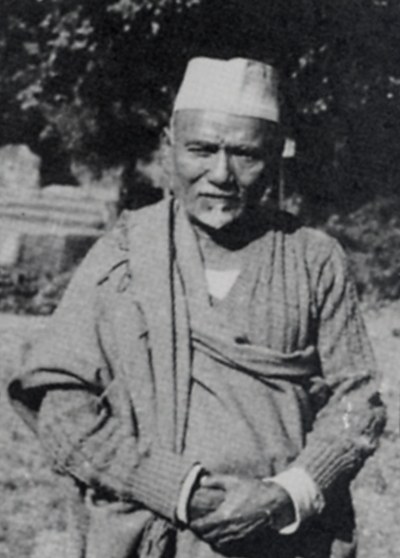 Ustad Allauddin KhanTeacher
Trained him at Maihar from 1938.
Ravi Shankar — Wikipedia
Students and disciples
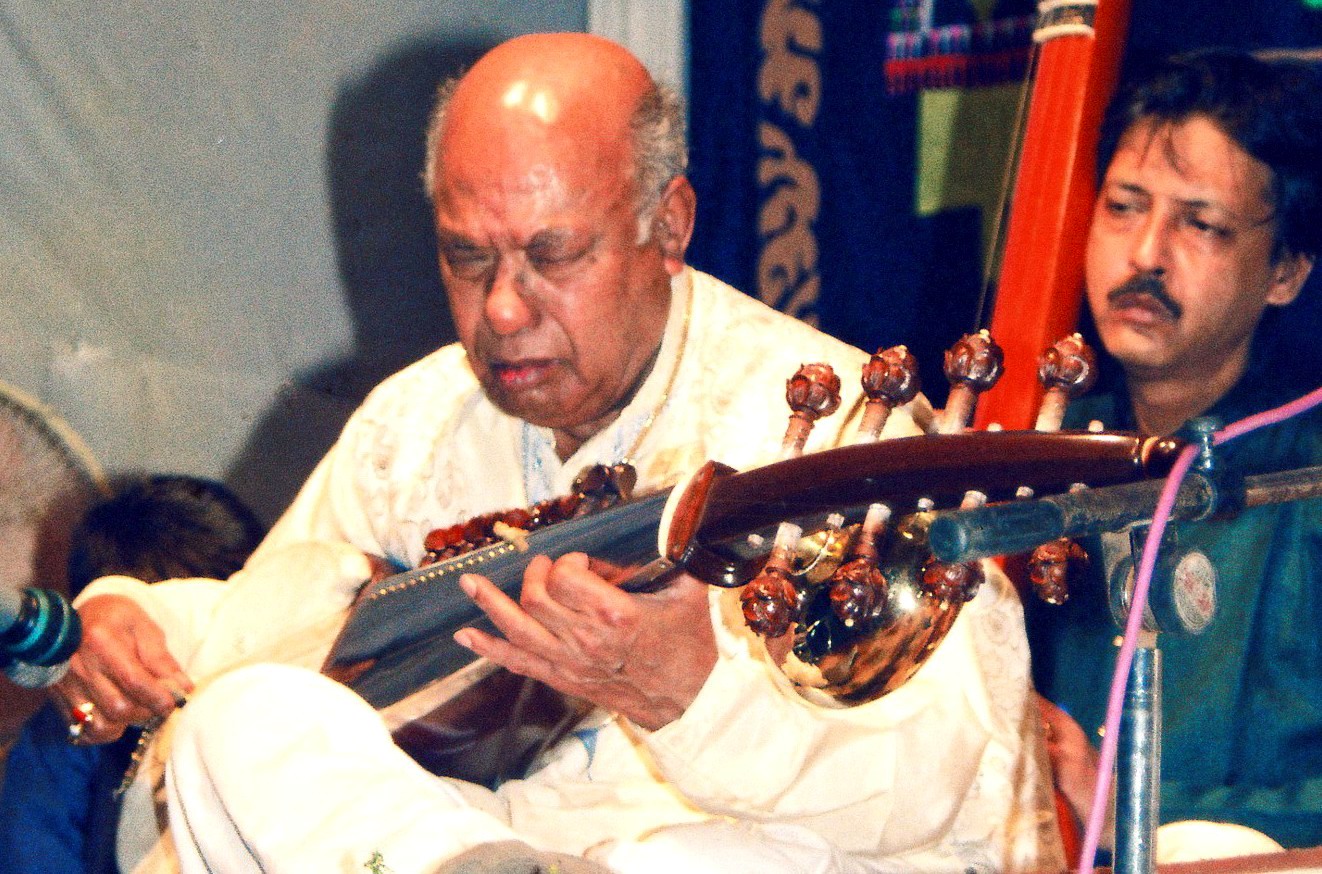 Ustad Ali Akbar KhanFellow student and duet partner
Both trained under Allauddin Khan; their jugalbandis are widely recorded.
Ali Akbar Khan — Wikipedia- George HarrisonStudent
Studied sitar with him from 1966.
Ravi Shankar — Wikipedia 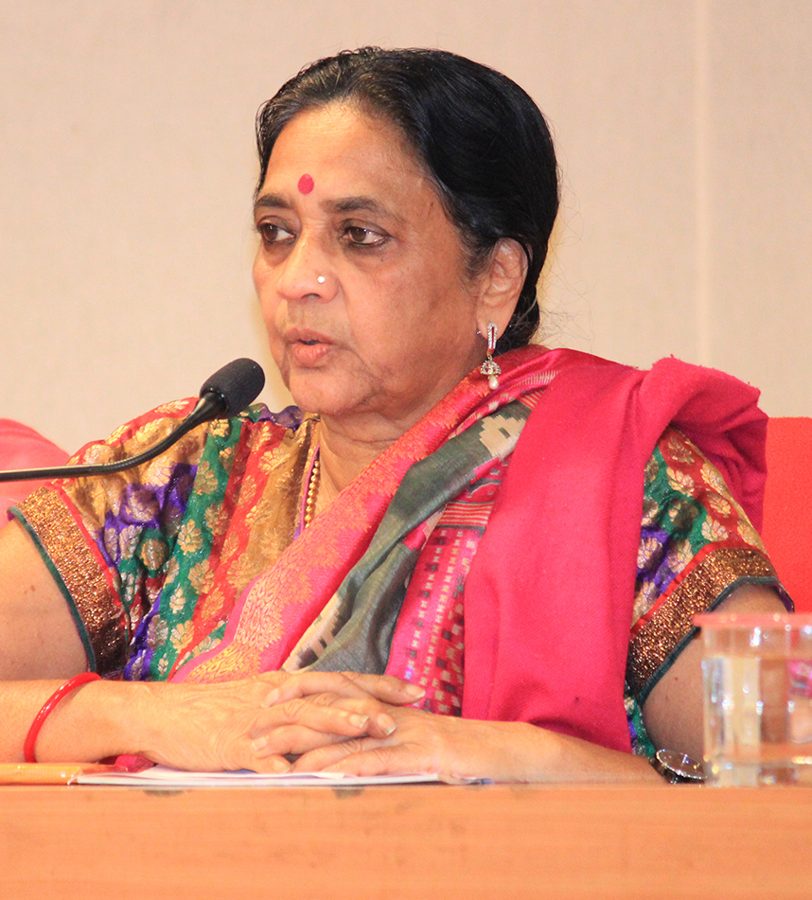 Vidushi Manju MehtaStudent
Accepted as his student in 1980; co-founder of the Saptak festival.
Manju Mehta — Wikipedia- Vidushi Jaya BiswasStudent
Trained with him 1956–1966; named among his pramukh shishyas in an AIR broadcast around 1960.
The Times of India - Pandit Kartick KumarStudent
Disciple; later a professor of music in Mumbai.
Kartick Kumar — Wikipedia 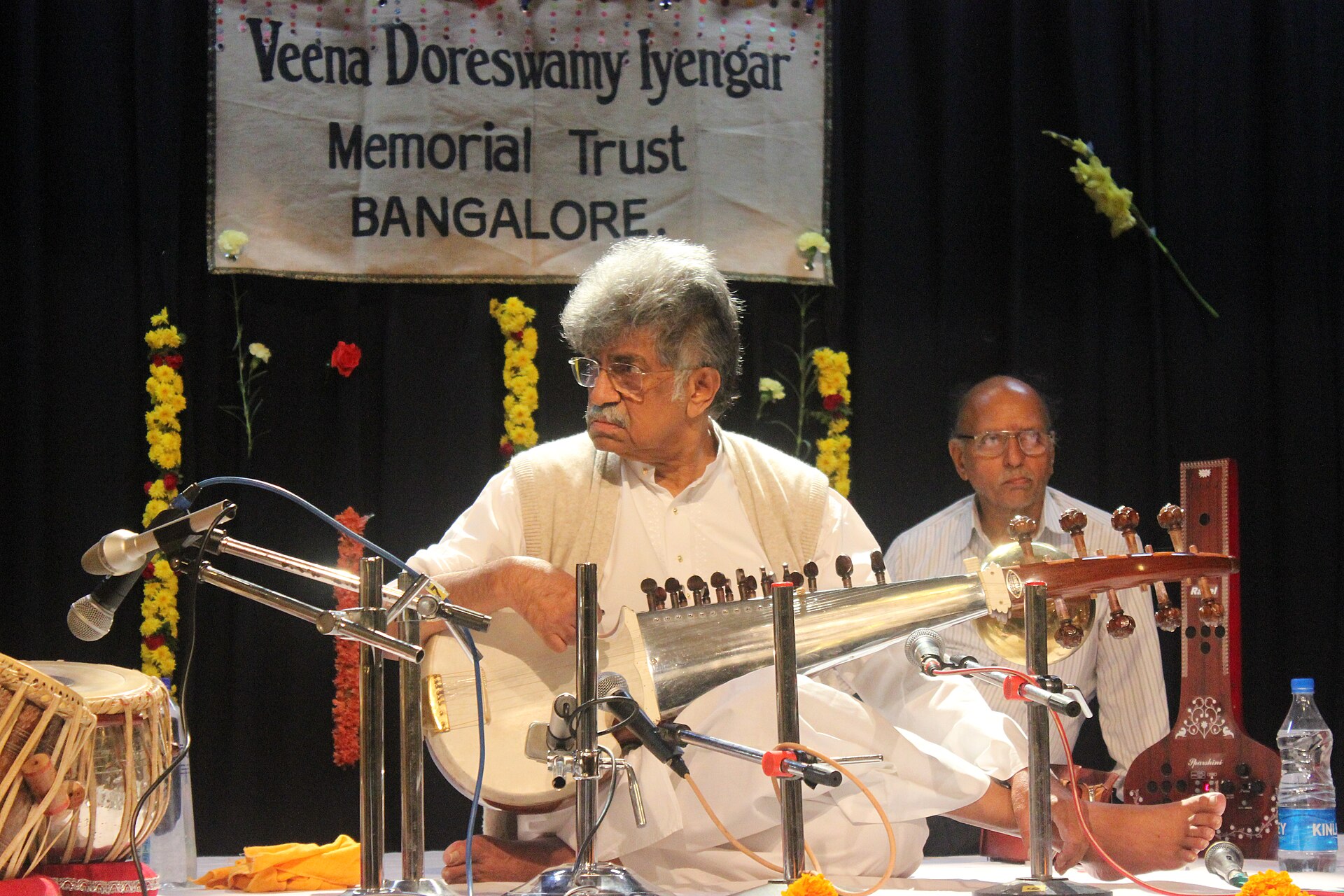 Pandit Rajeev TaranathDiscipleRajeev Taranath — Wikipedia
Family

Collaborators and accompanists
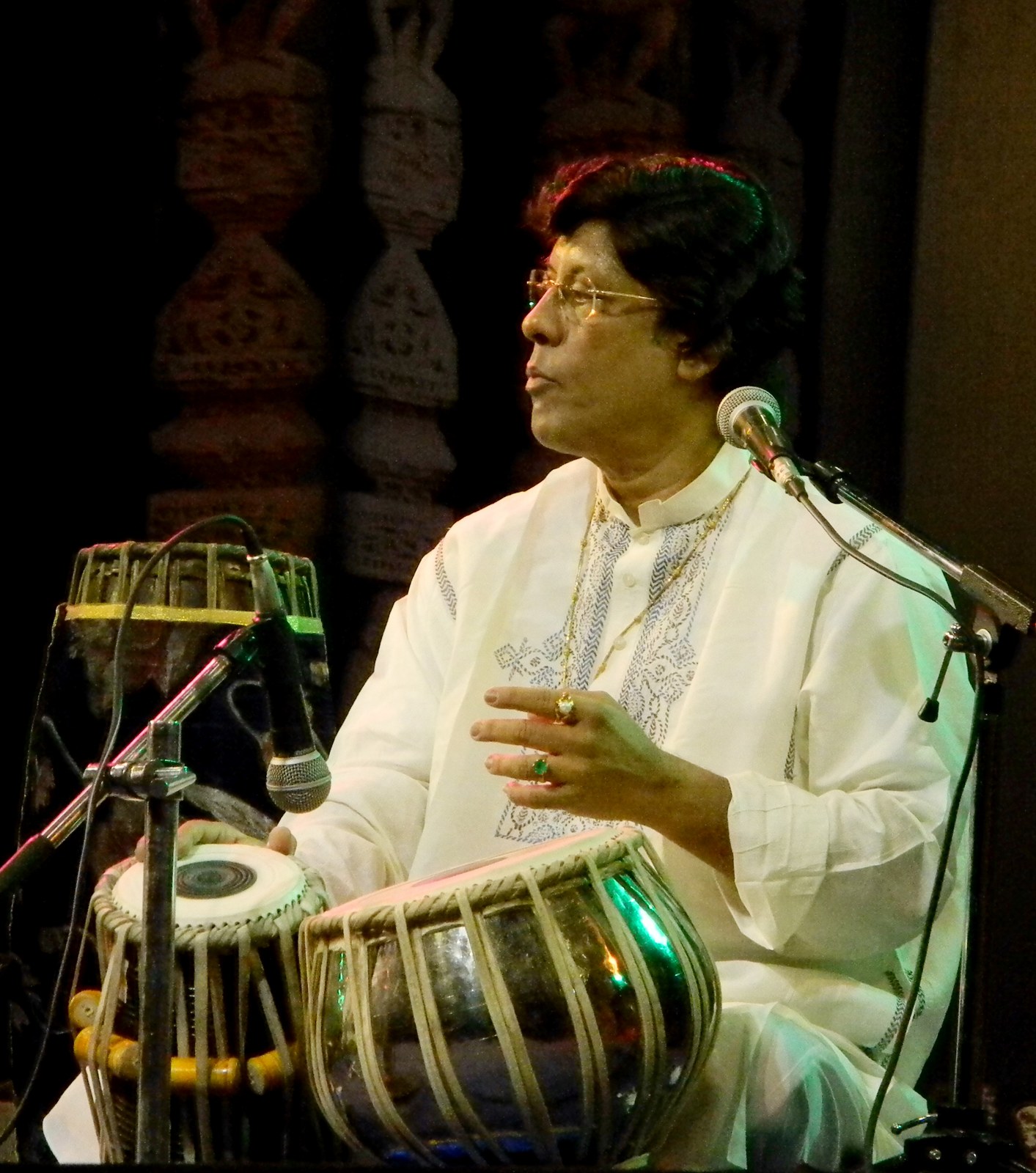 Pandit Anindo ChatterjeeAccompanied by
Named among the tabla players who have accompanied him.
Wikipedia — Anindo Chatterjee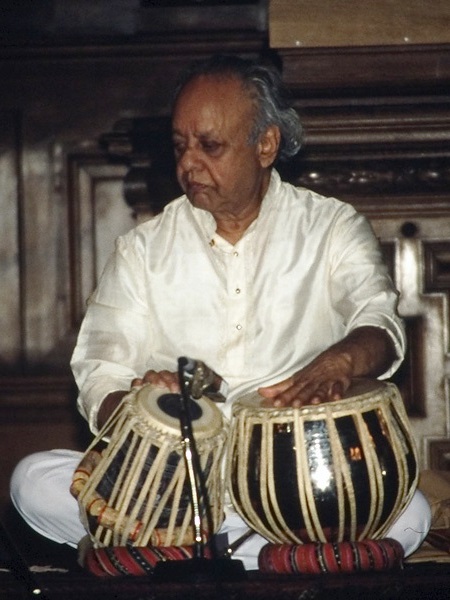 Ustad Alla RakhaLongtime accompanist
Tabla partner for close to three decades.
Alla Rakha — Wikipedia- Pandit Anant LalCollaborator
Shehnai player in his Music Festival from India ensemble of 1974, with a solo feature on "Kajri".
Anant Lal — Wikipedia 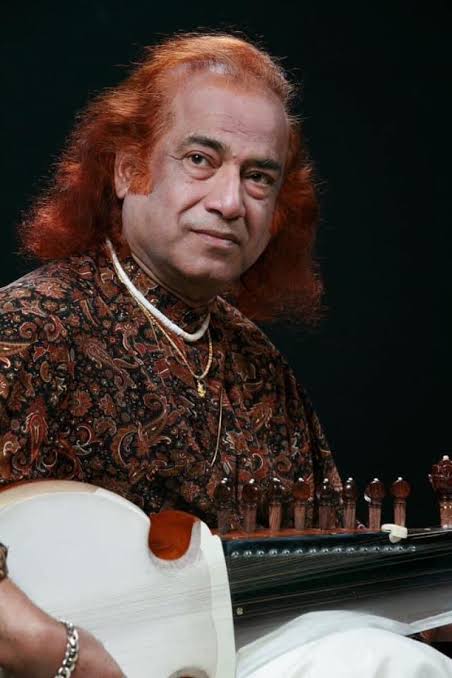 Ustad Aashish KhanCollaborator
Aashish Khan played on film and stage soundtracks under his direction.
Aashish Khan — Wikipedia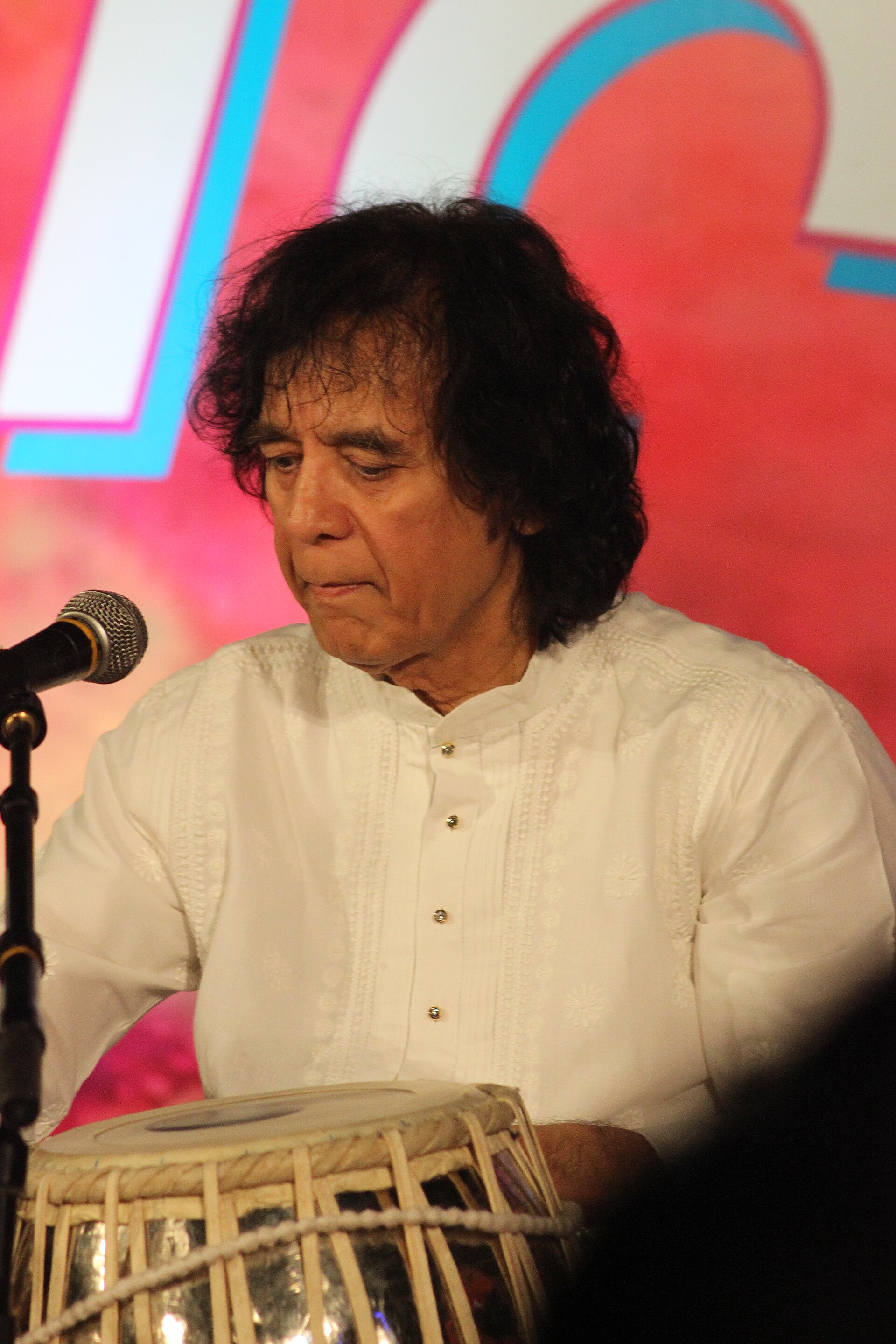 Ustad Zakir Hussainaccompanied by
Zakir Hussain accompanied him from his teens onward.
BBC News — Zakir Hussain obituary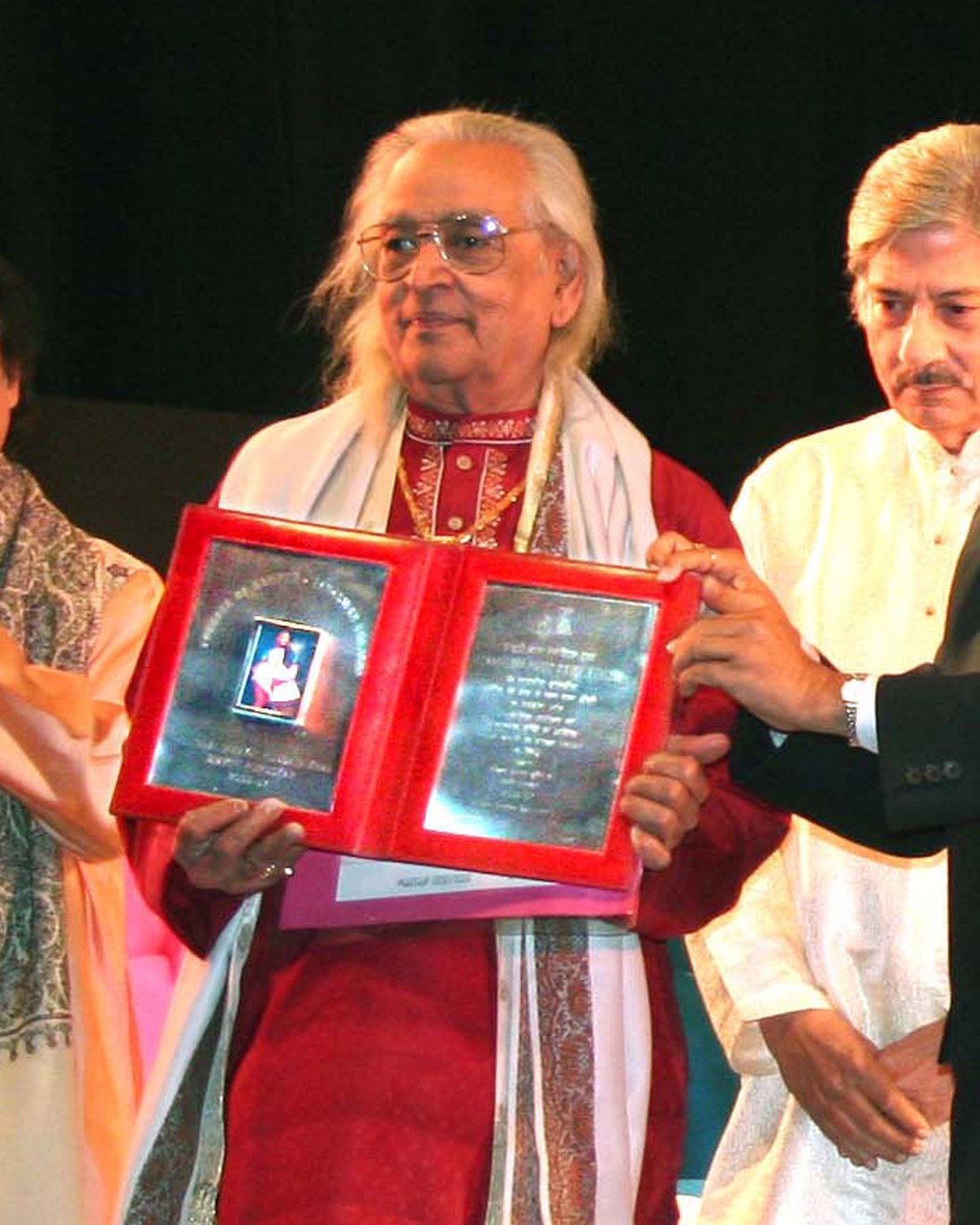 Pandit Kishan Maharajaccompanied by
Kishan Maharaj accompanied him in concert.
The Independent — Kishan Maharaj obituary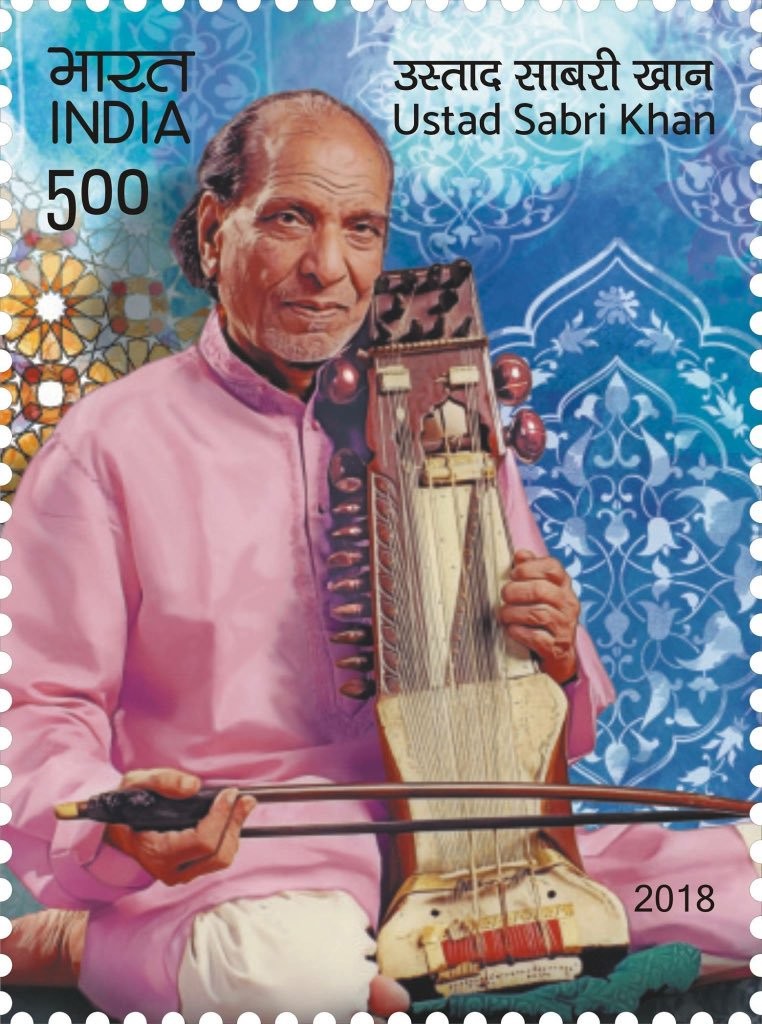 Ustad Sabri Khantoured with
Sabri Khan accompanied him on a United States tour in the early 1960s.
Sabri Khan — Wikipedia- Pandit Chatur Lalcollaborator
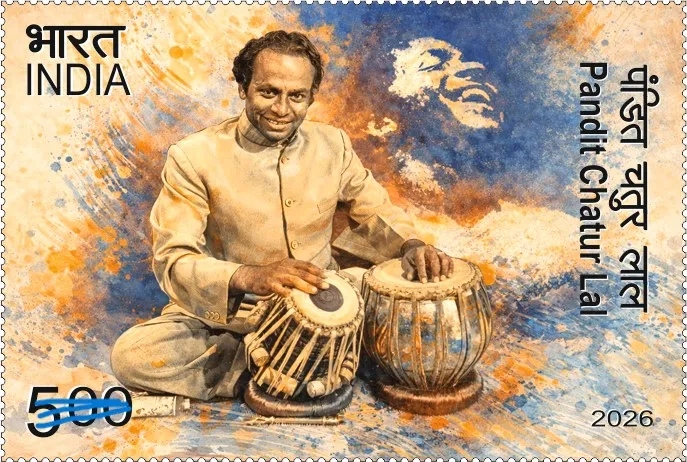
Tabla accompanist on his first European and North American tours from 1957.
Chatur Lal — Wikipedia 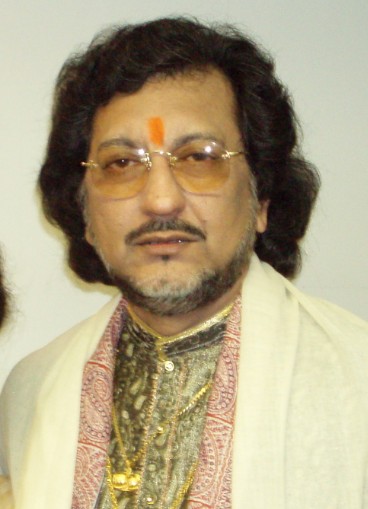 Pandit Kumar BoseLongtime accompanist
Tabla accompanist on tours for about a decade from 1984.
Ali Akbar Khan Centennial — Kumar Bose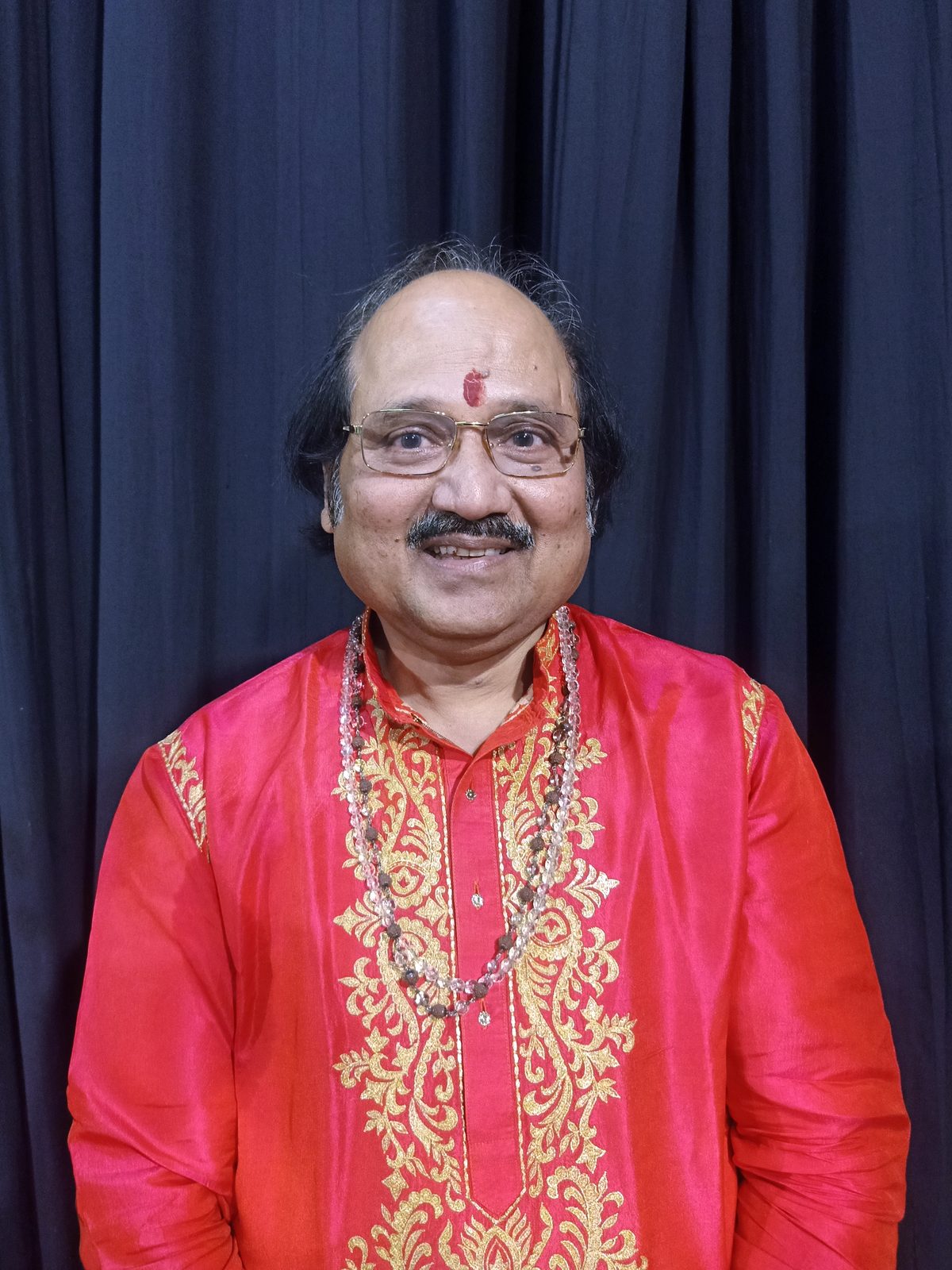 Pandit Ronu MajumdarCollaborator
Worked with him on the albums Passages and Chants of India.
Ronu Majumdar — Wikipedia
Other recorded connections
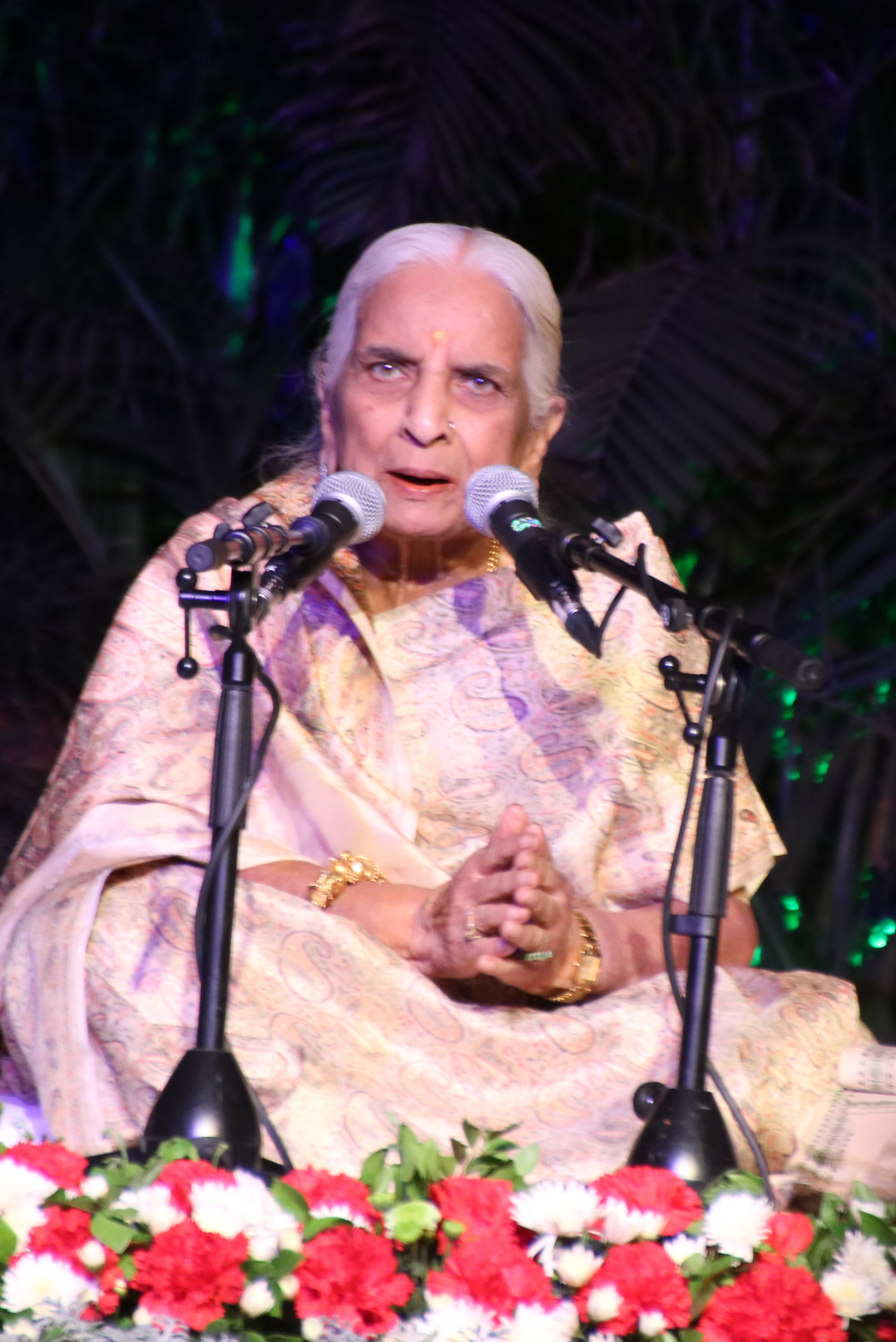 Girija DeviSupported
Introduced her to the Delhi circle around Sumitra Charat Ram early in her career.
The end of an era — The Hindu
Named on other pages
Musicians whose own pages record a connection with this one, in the words their sources use.
- Annapurna DeviTheir page records: First husband and duet partner
Married 1941; performed duets 1946–1957; divorced 1982.
- Ustad Latif Ahmed KhanTheir page records: Accompanied
Accompanied him in 1959 according to Misra's account.
- Pandit Sharda SahaiTheir page records: accompanied
Named among the leading artists he accompanied.
Schools, gurukuls and institutions
- Bharatiya Vidya Bhavan, London
Friend and supporter of the centre
- Saptak School of Music
Named at its founding
- Prayag Sangeet Samiti
Performed at the Samiti
Recognition
Honours and recognition
Highest national honour first, then by year.
- 1999Bharat Ratna
- 1981Padma Vibhushan
- 1962Padma Bhushan
- 1986Nominated to the Rajya SabhaServed a term in the upper house of the Indian Parliament.
Writing
From the journal
Indian classical music: an introduction
What raga and tala actually are, how a concert is shaped, why lineage matters, and where to start listening. A first map of a very large territory.
Sitar and surbahar: what changes when the instrument grows
They share a shape, a plectrum and a family of players — but the bigger instrument was built for a different job. A guide to the differences you can hear, and to who actually invented the surbahar.
Community
Memories from the community
Personal recollections, not verified history
These are memories shared by listeners and musicians. They sit apart from the sourced biography above, and an editor reads each one before it appears.
- No memories have been shared yet.
Members can share a memory of Pandit Ravi Shankar. Sign in or create an account.
Provenance
Sources and image credits
- Ravi Shankar — Wikipedia
- Ravi Shankar — Encyclopaedia Britannica
- Photograph: Ravi Shankar at Woodstock — Wikimedia Commons
- Ravi Shankar Foundation
Photograph by Markgoff2972, 1969, CC BY-SA 4.0, via Wikimedia Commons
Continue exploring
- Maihar (Senia-Maihar) gharanaThe lineage Pandit Ravi Shankar is associated with, and the other musicians documented within it.
- The sitarHow the instrument works, and who else in the archive plays it.
- Bharatiya Vidya Bhavan, LondonThe school Pandit Ravi Shankar is connected to — what it teaches and where it is.
- All musiciansBrowse the archive by name, instrument or discipline.