Hindustani classical · Contemporary
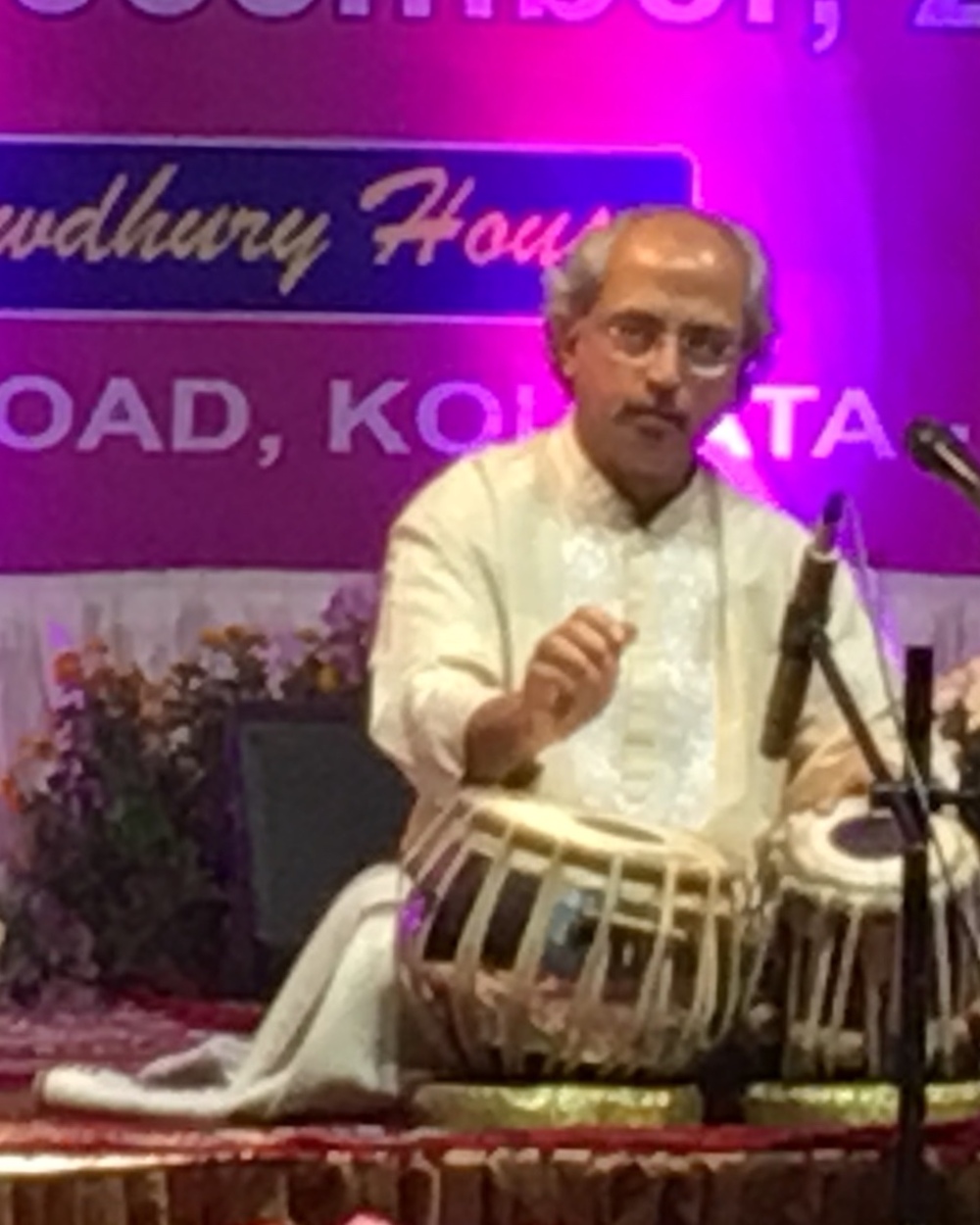
Pandit Yogesh Samsi
Tabla soloist and accompanist who trained twenty-three years with Ustad Alla Rakha and carries the Punjab baaj as both performer and teacher.
- Instrument
- Tabla
- Gharana
- Punjab gharana (tabla)
- Schools & gurukuls
- ITC Sangeet Research AcademyAccompanied at the ITC Sangeet Sammelan
- Born
- 17 November 1968, Delhi
- On these dates
- Birth date 17 November 1968 is given on his own website's profile summary and repeated by secondary biographies, which place his birth in Delhi; he was schooled in Delhi and is based in Mumbai.
Official website & social links
We have no checked official pages for Pandit Yogesh Samsi yet. Suggest an official link.
Where to start
Begin listening
Explore further
Raga Rageshwari, with Pandit Yogesh Samsi
Rageshwari · MERU Concerts
A long duo performance; one catalogue entry shown on both musicians' pages.
Violin with tabla accompaniment by Pandit Yogesh Samsi.
Recordings are embedded from official or authorised channels and never rehosted. Nothing plays on its own, and starting one closes another. Where an editor has added a note, it explains why that recording was chosen — not what happens inside it.
Biography
Life
Yogesh Samsi was born on 17 November 1968 into a musical household: his father was the vocalist Pandit Dinkar Kaikini of the Agra gharana, and his mother Shashikala Kaikini was a singer and teacher who went on to head the music school at Bharatiya Vidya Bhavan in Mumbai. His father also played tabla, and gave him his first lessons; in a 2018 interview Samsi recalled beginning to play at three, before any formal teaching began.
He then studied with Pandit H. Taranath Rao, a teacher known for his command of the Farrukhabad, Delhi and Ajrada styles and for his knowledge of rare taals. His long formation, however, came under Ustad Alla Rakha, with whom he trained for twenty-three years; through that discipleship he carries the Punjab gharana of tabla, and he has spoken of trying to bring the gharana and the compositions scattered by Partition back into view.
As an accompanist he has played with Pandit Shivkumar Sharma, Pandit Hariprasad Chaurasia, Pandit Bhimsen Joshi, Ustad Vilayat Khan, Ustad Amjad Ali Khan, Ustad Rashid Khan, Pandit Ulhas Kashalkar, Pandit Ajoy Chakrabarty, Begum Parveen Sultana, the violinist Kala Ramnath and the dancer Pandit Birju Maharaj, and he has accompanied both Ustad Alla Rakha and Ustad Zakir Hussain in their own solo concerts. His solo playing has been heard at Carnegie Hall, the Kennedy Center, the Théâtre de la Ville in Paris, the Barbican in London, the Sydney Opera House and the Esplanade in Singapore, and he has been a returning presence at the Darbar Festival in the United Kingdom since 2006.
Teaching is a large part of his work: he has built a tabla curriculum of his own, taught in India and on annual visits to the UK, aimed less at reproducing fixed compositions than at giving students the tools to think inside the tradition.
Sources differ on when he started with each teacher. His own website says his father initiated him at four and that he later went to Taranath Rao; Darbar says he began at six with Taranath Rao and joined Alla Rakha at ten. All accounts agree on the sequence of teachers and on the twenty-three years with Alla Rakha.
Musical contribution
What they brought to music
What listeners tend to notice first is tone: a clean, singing bayan and a dayan whose syllables stay separate even at speed. The Punjab baaj he inherited from Alla Rakha favours long rela passages built on rolling, connected strokes rather than sharp detached ones, and his solos are laid out as architecture — a slow peshkar that opens the taal out, then kaida with its expansions, then gat and rela toward a tightly wound close. In accompaniment the same command is turned outward: he shadows a vocalist's phrasing rather than competing with it, which is why singers as different as Bhimsen Joshi and Ajoy Chakrabarty have kept him beside them.
Life in dates
Timeline
2006
First appearance at the Darbar Festival
He has returned regularly since.
In pictures
Photographs
Lineage & company
Teachers, students and musical connections
Documented teaching lineage
Taught by Ustad Alla Rakha
A twenty-three-year discipleship.
Darbar — Pandit Yogesh Samsi
Teaching, family, collaboration and influence are recorded separately here; none is ever inferred from another.
In the documented teaching trees
Where the archive's lineage research places Pandit Yogesh Samsi, and the teaching links recorded around them inside each tree.
Farrukhabad gharana (tabla)born 1968
Soloist and accompanist trained by Alla Rakha; widely respected teacher.
People
Grouped by the kind of relationship the sources record — who taught this musician, who they taught, family, and the people they played with.
Teachers and gurus
- Pandit Taranath RaoTeacher
Known for the Farrukhabad, Delhi and Ajrada styles and for rare taals.
The Hindu — Punjab gharana and percussion legacy 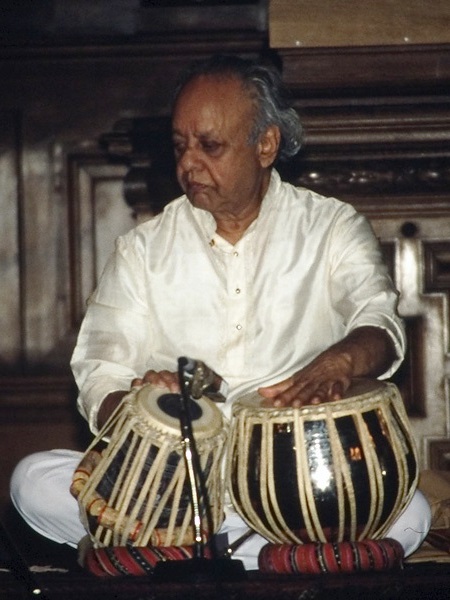 Ustad Alla RakhaPrincipal teacher
Twenty-three years of training; the source of his Punjab gharana grounding.
Yogesh Samsi — official site
Family
- Shashikala KaikiniMother
A singer and teacher who headed the music school at Bharatiya Vidya Bhavan, Mumbai; not his tabla teacher.
Yogesh Samsi — official site - Pandit Dinkar KaikiniFather and first teacher
A vocalist of the Agra gharana who also played tabla, and gave Yogesh his first lessons.
Yogesh Samsi — official site
Collaborators and accompanists
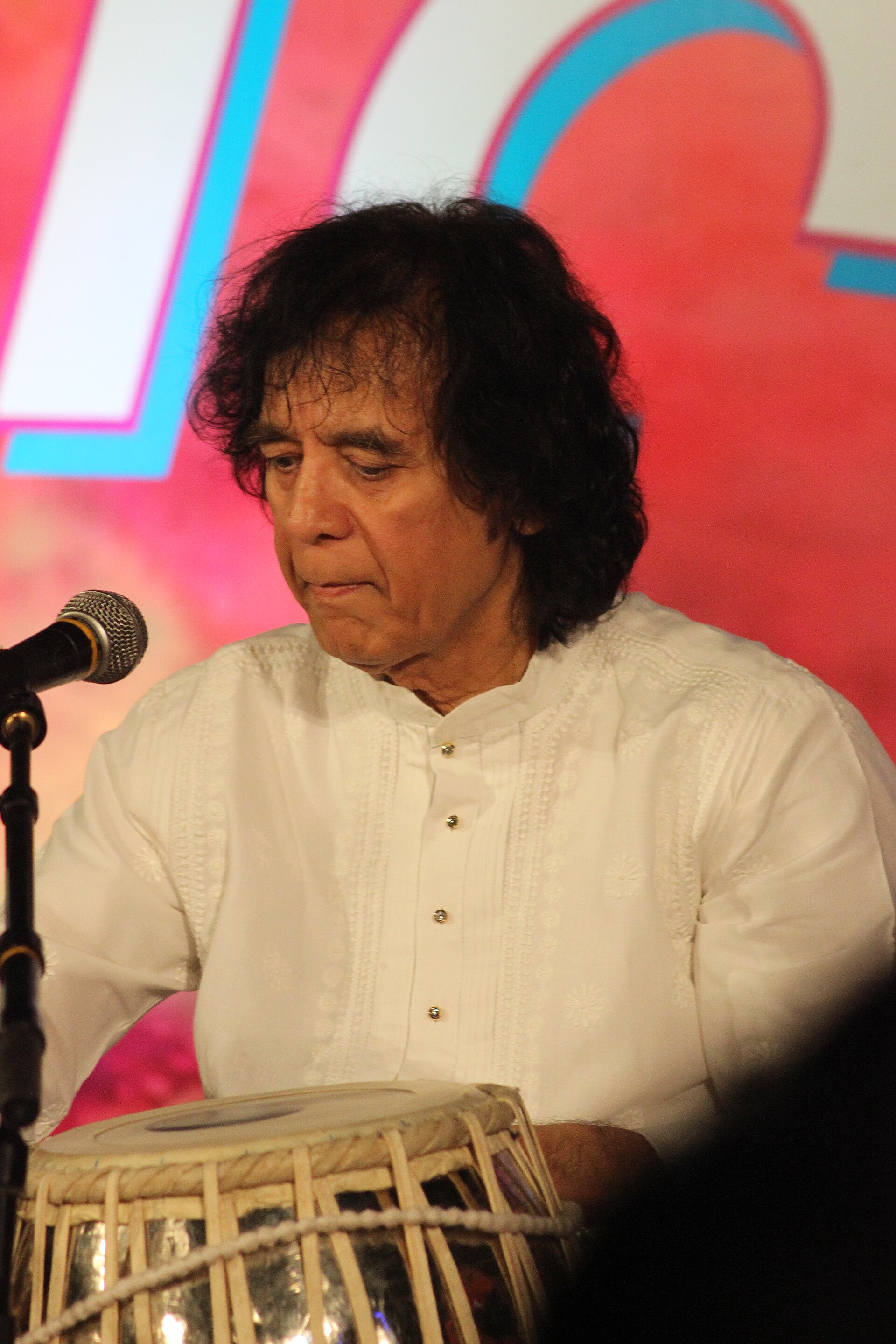 Ustad Zakir HussainCollaborator
He has accompanied Zakir Hussain in solo concerts and played duets with him.
Yogesh Samsi — biodata- Kala Ramnathconcert partner
Tabla on the Rageshwari duo recording.
MERU Concerts 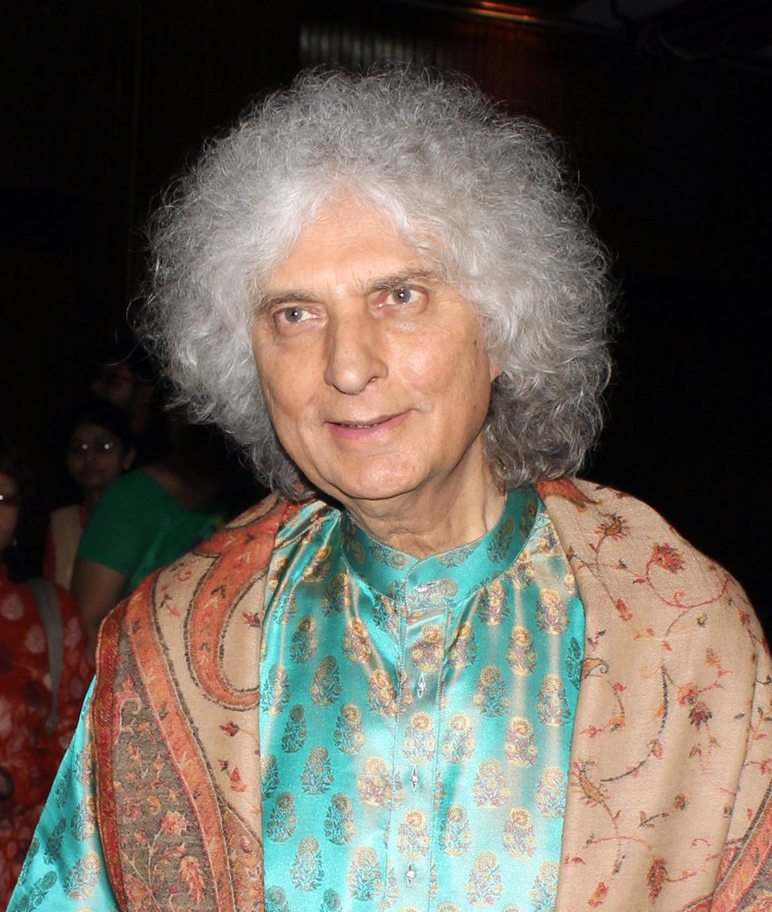 Pandit Shivkumar SharmaAccompanied
Santoor recitals accompanied on tabla.
Yogesh Samsi — official site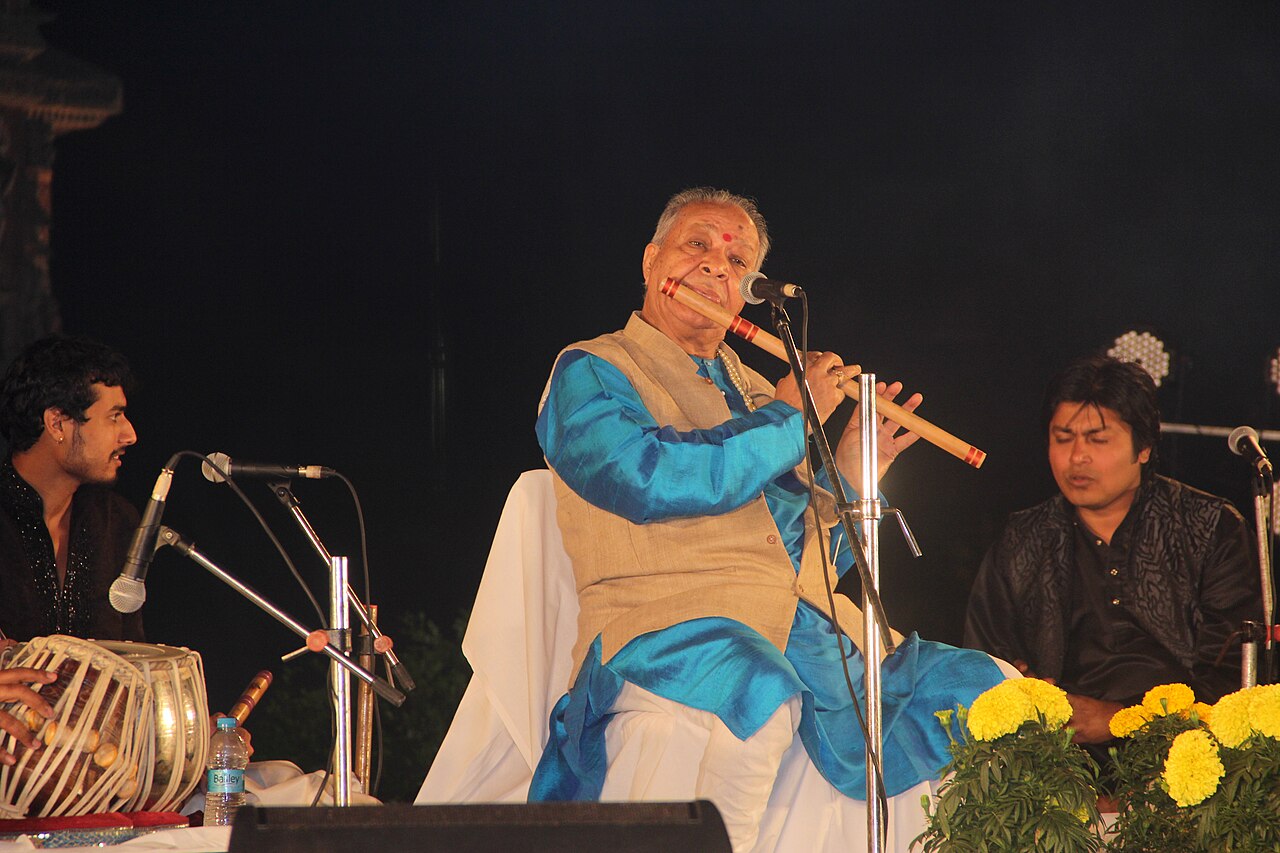 Pandit Hariprasad ChaurasiaAccompanied
Bansuri recitals accompanied on tabla.
Yogesh Samsi — official site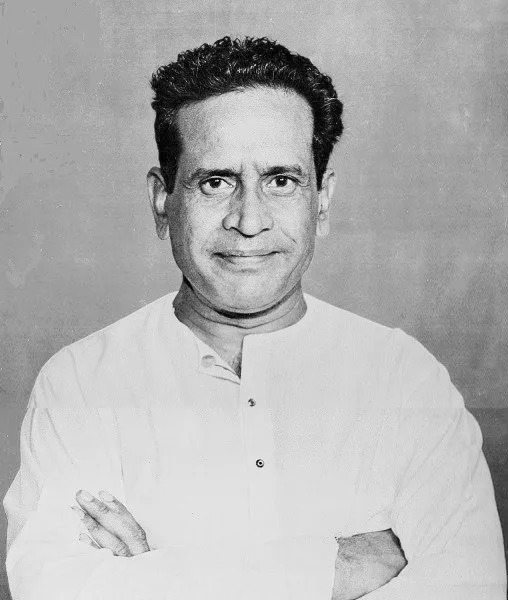 Pandit Bhimsen JoshiAccompanied
Vocal recitals accompanied on tabla.
Yogesh Samsi — official site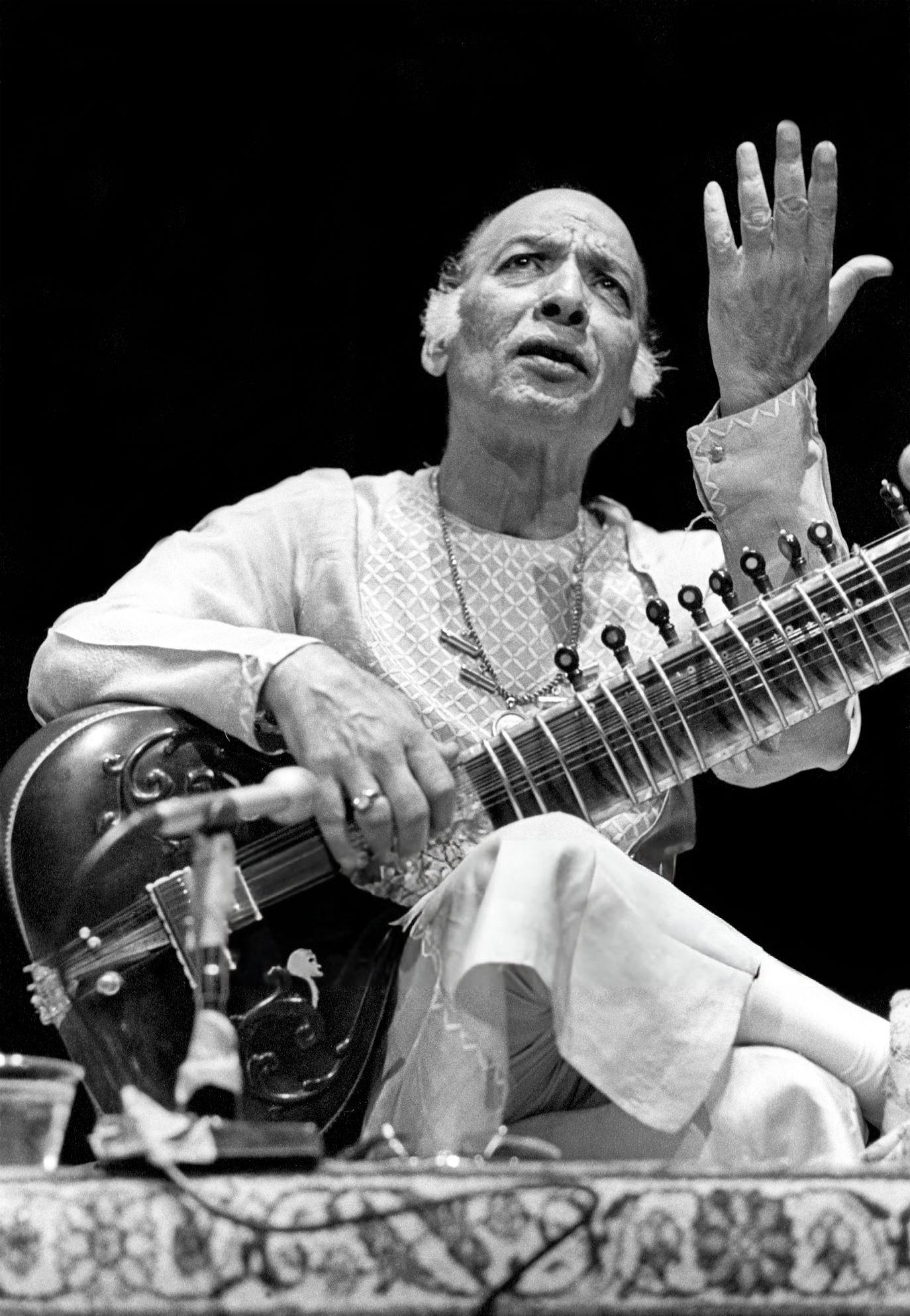 Ustad Vilayat KhanAccompanied
Sitar recitals accompanied on tabla.
Yogesh Samsi — official site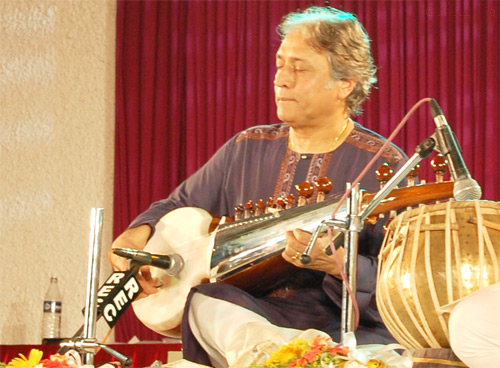 Ustad Amjad Ali KhanAccompanied
Sarod recitals accompanied on tabla.
Yogesh Samsi — official site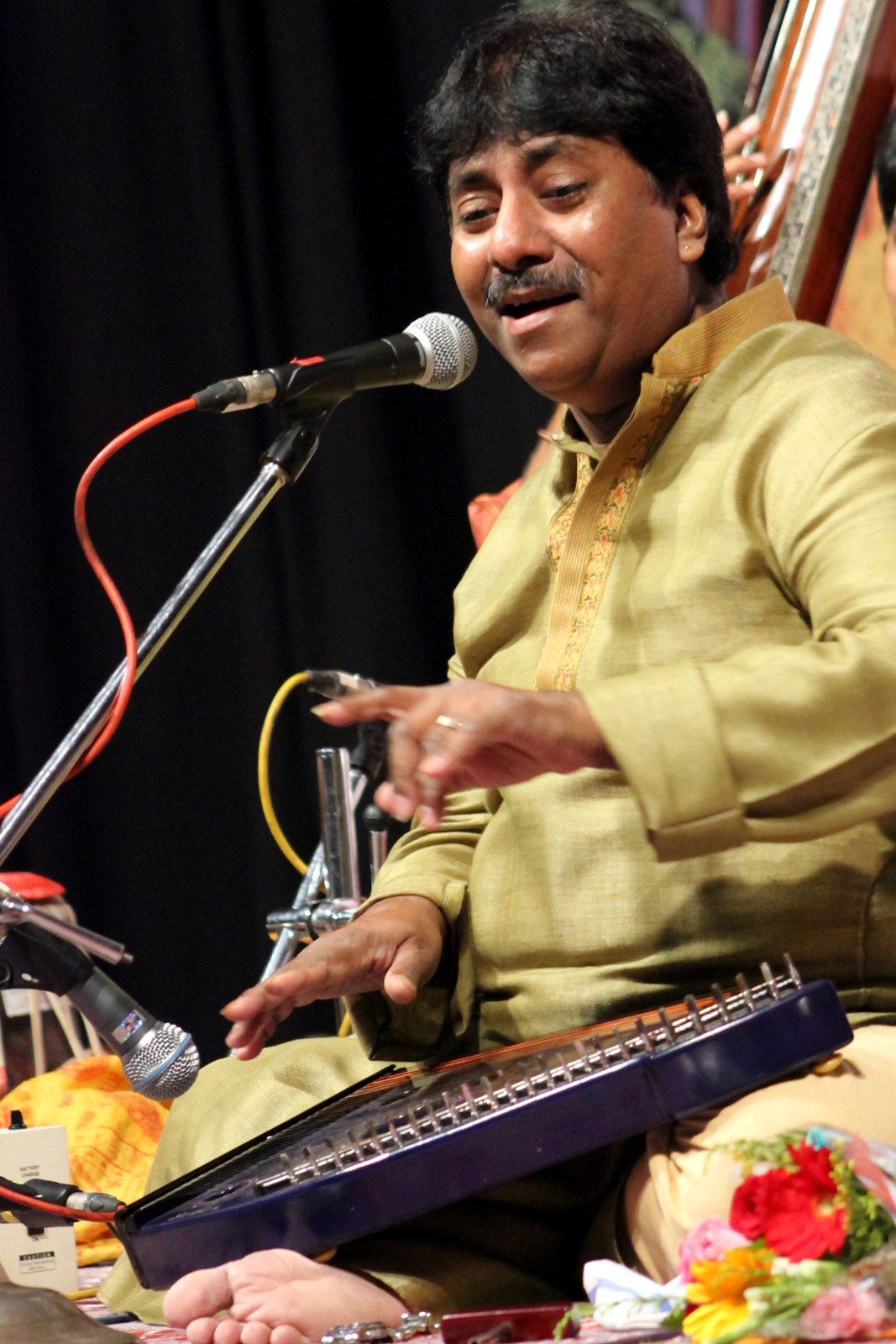 Ustad Rashid KhanAccompanied
Vocal recitals accompanied on tabla.
Yogesh Samsi — official site Pandit Ajoy ChakrabartyAccompanied
Vocal recitals accompanied on tabla.
Yogesh Samsi — official site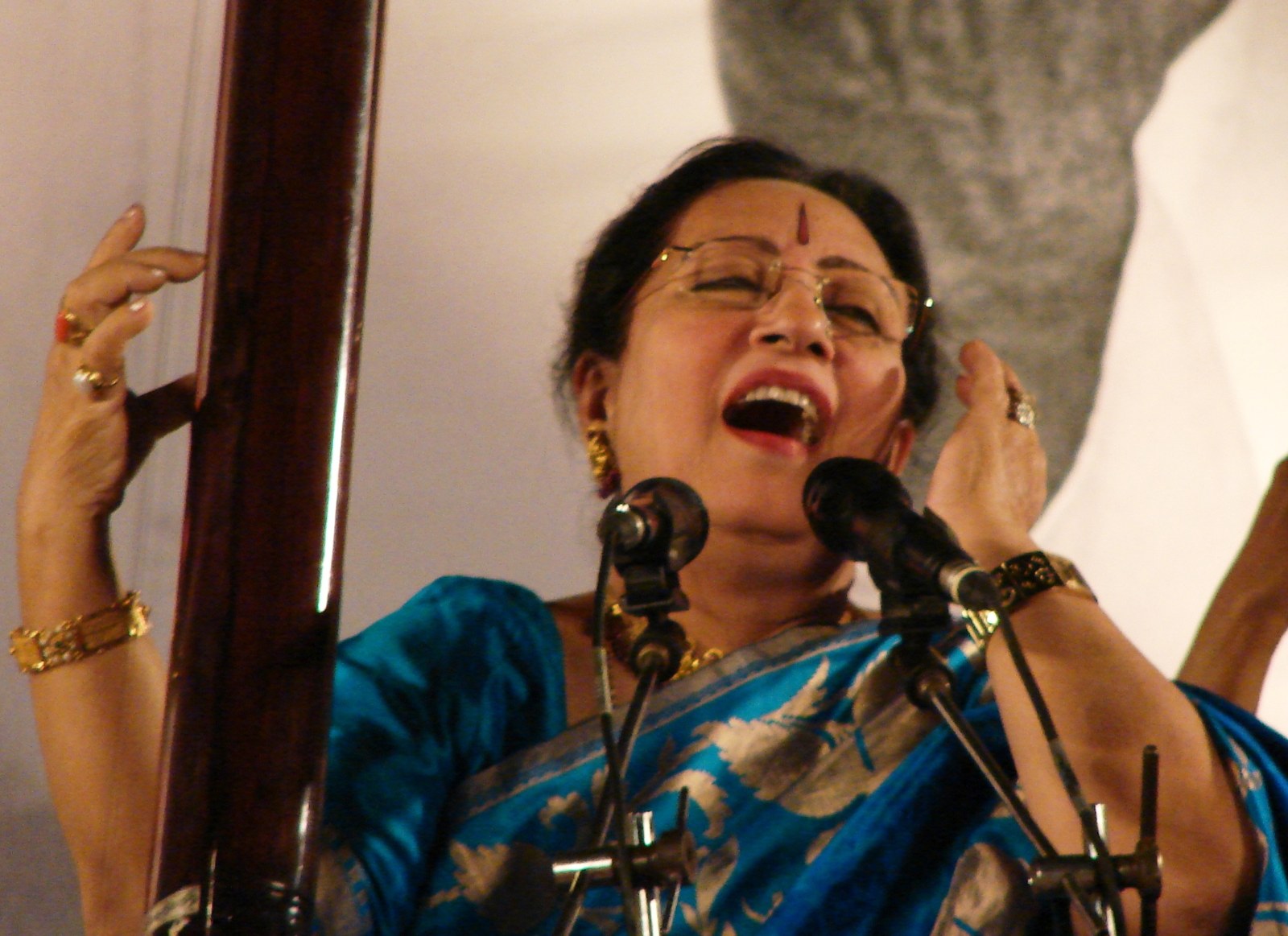 Begum Parveen SultanaAccompanied
Vocal recitals accompanied on tabla, including at the Darbar Festival.
Yogesh Samsi — official site
Schools, gurukuls and institutions
- ITC Sangeet Research Academy
Accompanied at the ITC Sangeet Sammelan
Writing
From the journal
Community
Memories from the community
Personal recollections, not verified history
These are memories shared by listeners and musicians. They sit apart from the sourced biography above, and an editor reads each one before it appears.
- No memories have been shared yet.
Members can share a memory of Pandit Yogesh Samsi. Sign in or create an account.
Provenance
Sources and image credits
- Yogesh Samsi — About (official site)
- Yogesh Samsi — biodata (PDF, official site)
- Darbar — Pandit Yogesh Samsi
- The Hindu — "Punjab Gharana and percussion legacy" (15 November 2018)
Photograph by Anirvan, Chowdhury House Music Conference 2018, via Wikimedia Commons — CC BY-SA 4.0 (cropped)
Continue exploring
- Punjab gharana (tabla)The lineage Pandit Yogesh Samsi is associated with, and the other musicians documented within it.
- The tablaHow the instrument works, and who else in the archive plays it.
- ITC Sangeet Research AcademyThe school Pandit Yogesh Samsi is connected to — what it teaches and where it is.
- All musiciansBrowse the archive by name, instrument or discipline.