Hindustani classical · 1940s–2000s
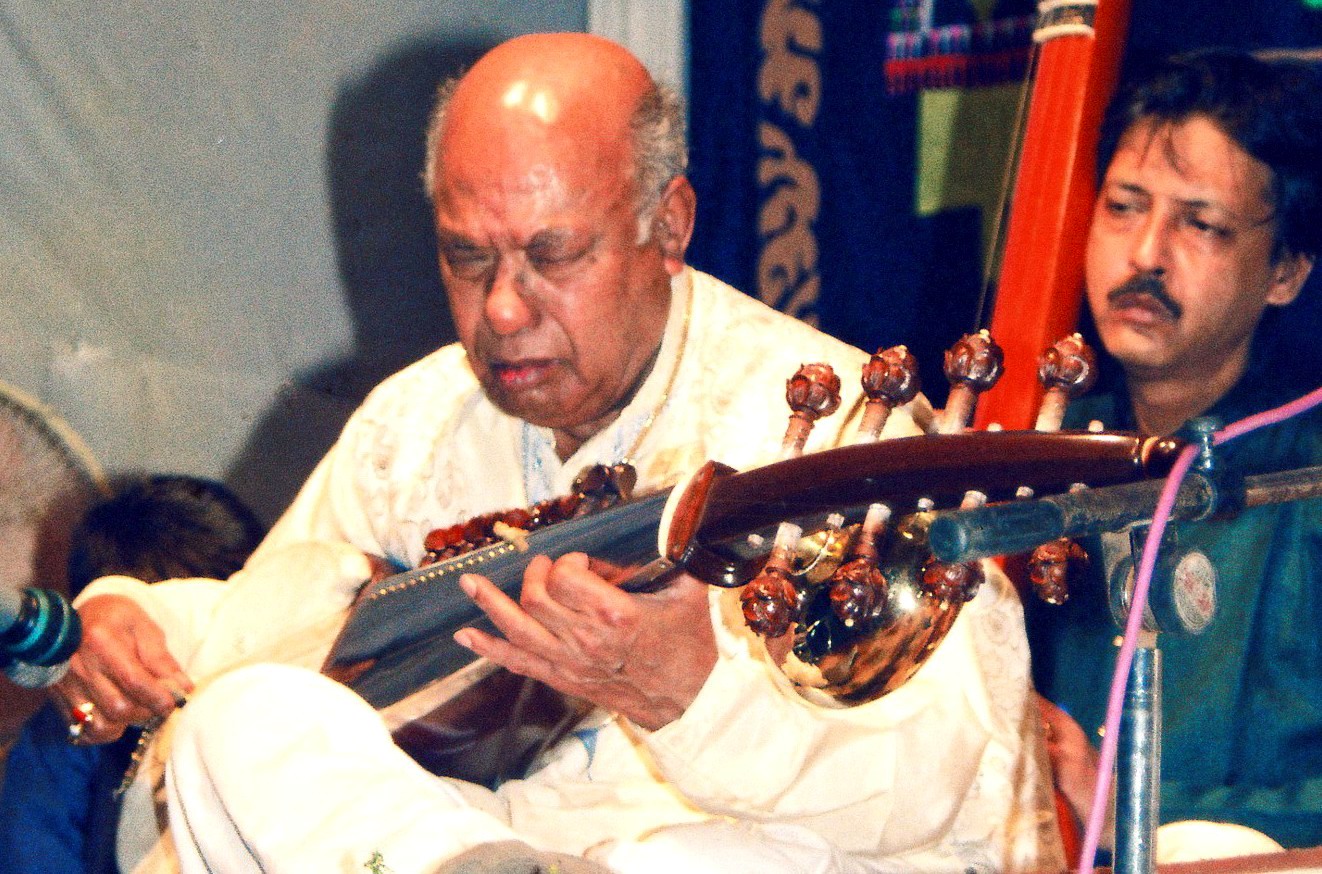
Ustad Ali Akbar Khan
A sarod player of grave beauty, and the teacher who built a home for Indian music in America.
- Instrument
- Sarod
- Schools & gurukuls
- Ali Akbar College of MusicFounder and teacher
- Born
- 14 April 1922, Shibpur, Comilla, Shibpur, Comilla district, Bengal (now Bangladesh)
- Died
- 18 June 2009, San Anselmo, California, San Anselmo, California, United States
- On these dates
- Active period taken from the decades recorded in the era field; approximate.
Official website & social links
Explore Ustad Ali Akbar Khan's recordings and legacy on the pages kept in their name.
- YouTubePublished by their label or distributor
- Official websiteRun by an institution they founded or led
These destinations belong to Ustad Ali Akbar Khan or to those who look after their work, and are checked by an editor before they are listed. They leave the archive. Suggest a link or a correction.
Where to start
Begin listening
Raga Shree on sarod
Shree · Ali Akbar Khan - Topic
Raga Chandranandan on sarod
Chandranandan · Ali Akbar Khan - Topic
Talking Heads interview, NDTV (1999)
NDTV
A long television interview recorded in February 1999, on the broadcaster's own channel.
Recordings are embedded from official or authorised channels and never rehosted. Nothing plays on its own, and starting one closes another. Where an editor has added a note, it explains why that recording was chosen — not what happens inside it.
Biography
Life
Ali Akbar Khan was born on 14 April 1922, the son of Ustad Allauddin Khan, the Maihar teacher whose students included Ravi Shankar and Annapurna Devi. His training under his father began in early childhood and was legendarily demanding — many hours a day, for years.
He served as court musician to the Maharaja of Jodhpur, recorded extensively, and composed for film, including Satyajit Ray's Devi and Bernardo Bertolucci's Little Buddha.
In 1955, at Yehudi Menuhin's invitation, he performed in New York and made what is often described as the first Western LP of Indian classical music, and appeared on American television. He settled in California and in 1967 founded the Ali Akbar College of Music in Marin County, teaching there for more than forty years.
He died at San Anselmo, California, on 18 June 2009.
The Ali Akbar College of Music's own account of his life fills in the training: his mother was Madina Begum, and after his earliest lessons he was sent to Bengal to study with his uncle Fakir Aftabuddin Khan, who taught him percussion and flute. His father settled him on the sarod at around nine or ten, and the practice that followed — by Khan's own recollection, up to eighteen hours a day for twenty years — also included learning how to teach and how to compose.
In the United States his work was recognised with a MacArthur Fellowship and a National Endowment for the Arts National Heritage Fellowship.
Musical contribution
What they brought to music
Khan's sarod is remembered for its weight and its interiority: a dark, sustained tone, a slow alap that seems to take its time out of ordinary time, and a command of raga structure inherited directly from Allauddin Khan's Maihar teaching.
His duets with Ravi Shankar defined the jugalbandi for a generation. His other great contribution is pedagogical — the Ali Akbar College trained several generations of players outside India, and did it without diluting the method he had been taught.
Life in dates
Timeline
1922
Born at Shibpur
Born on 14 April, son of Ustad Allauddin Khan.
1940s
Court musician at Jodhpur
Serves the Maharaja of Jodhpur and records widely.
1955
Performs in New York
Invited by Yehudi Menuhin; records an early Western LP of Indian classical music.
1967
Founds the Ali Akbar College of Music
Establishes his school in Marin County, California.
2009
Dies in California
Dies on 18 June at San Anselmo.
In pictures
Photographs
Lineage & company
Teachers, students and musical connections
Documented teaching lineage
Taught by Ustad Allauddin Khan
Father and teacher.
Ali Akbar Khan — Wikipedia
Teaching, family, collaboration and influence are recorded separately here; none is ever inferred from another.
In the documented teaching trees
Where the archive's lineage research places Ustad Ali Akbar Khan, and the teaching links recorded around them inside each tree.
Maihar (Senia-Maihar) gharana1922–2009
Son of Allauddin Khan; brought the sarod to international audiences and founded teaching colleges.
Taught in this tree by: Allauddin Khan
Recorded as teaching: Aashish Khan, Nikhil Banerjee
People
Grouped by the kind of relationship the sources record — who taught this musician, who they taught, family, and the people they played with.
Students and disciples
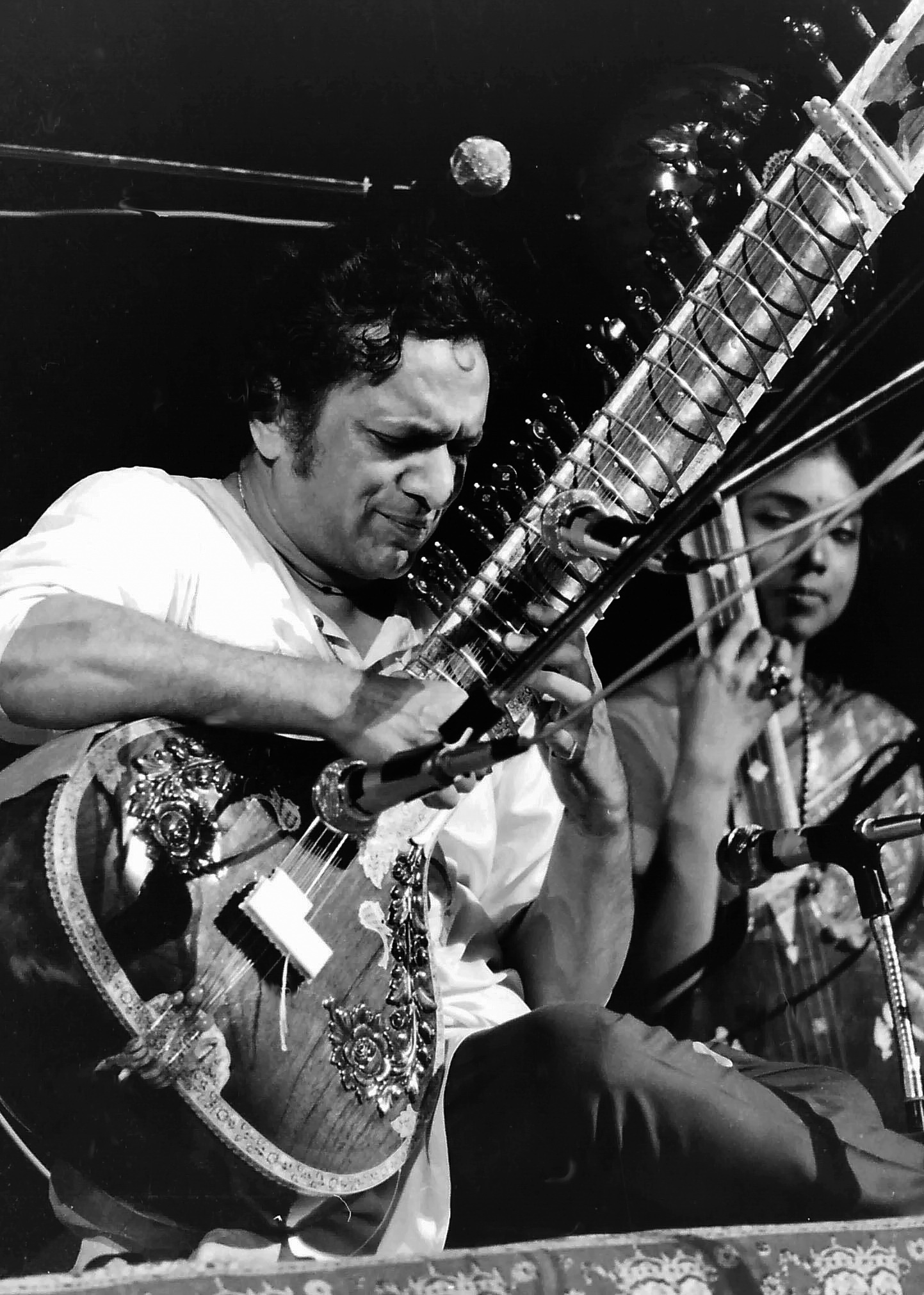 Pandit Ravi ShankarDuet partner and fellow disciple
Their jugalbandis are among the most recorded in Hindustani music.
Ali Akbar Khan — Wikipedia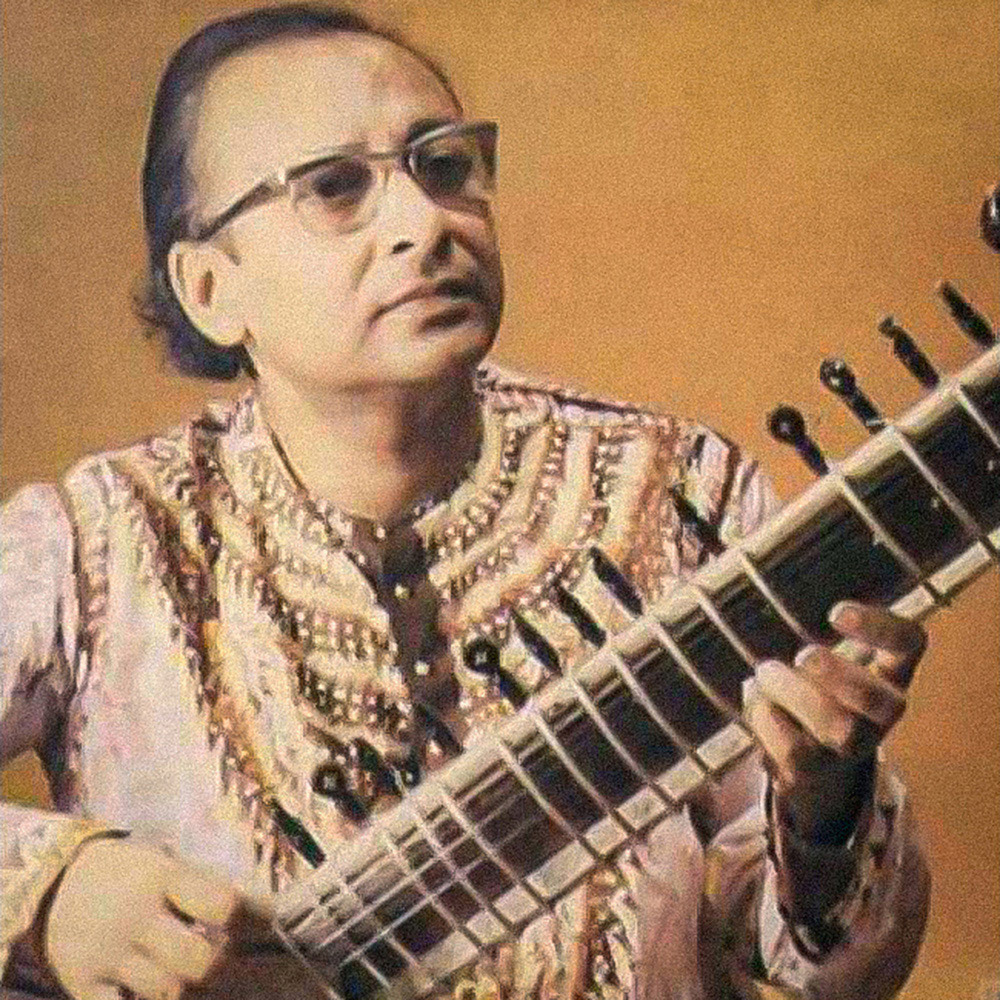 Pandit Nikhil BanerjeeStudent
Described as a disciple of Allauddin Khan and of his son Ali Akbar Khan.
Raga Records — Nikhil Banerjee, Berkeley 1968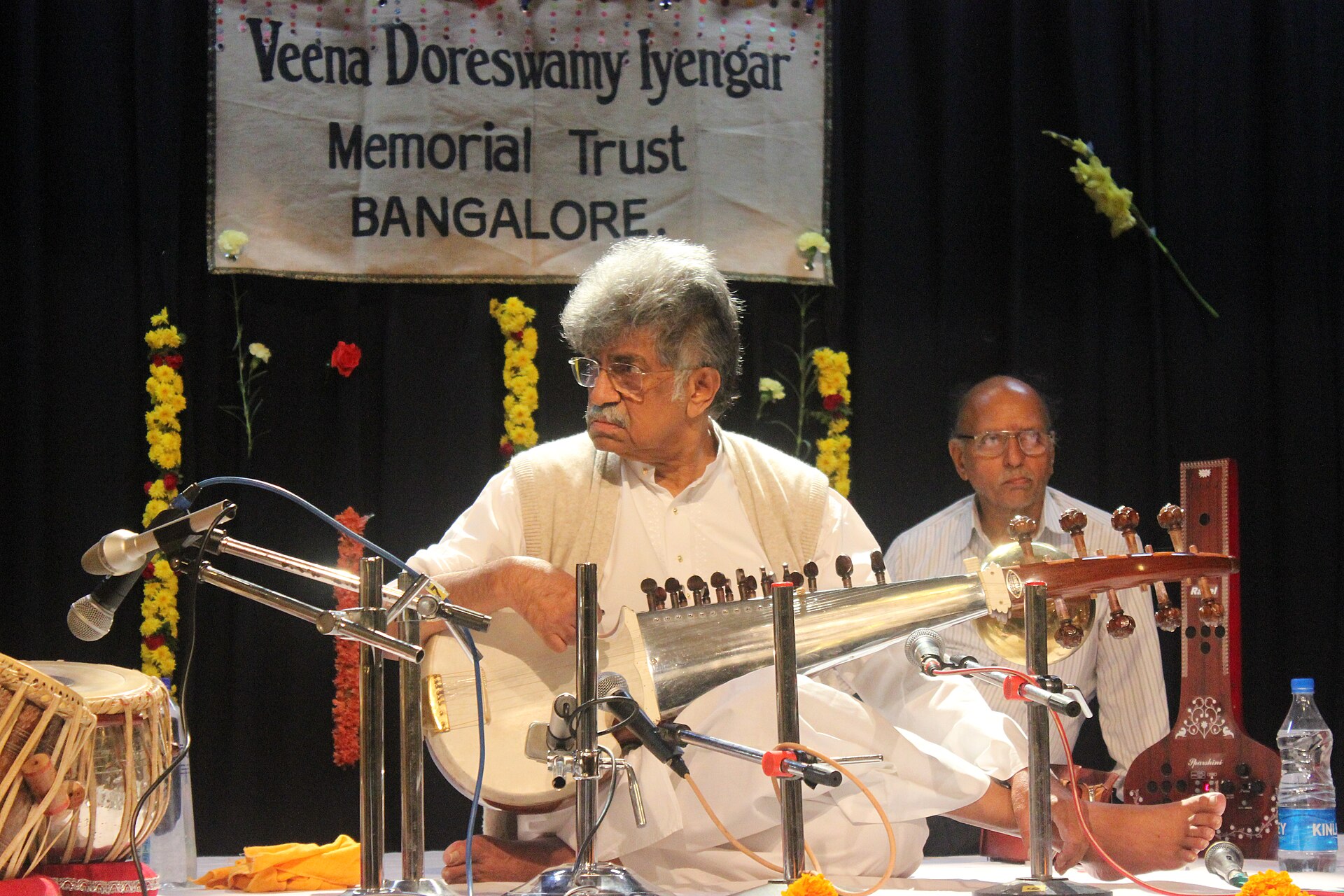 Pandit Rajeev TaranathStudent
Taranath studied sarod with him in Calcutta and until his death in 2009.
Rajeev Taranath — Wikipedia Sharan RaniDiscipleSharan Rani — Wikipedia
 Pandit Brij Bhushan KabraDiscipleBrij Bhushan Kabra — Wikipedia
Family
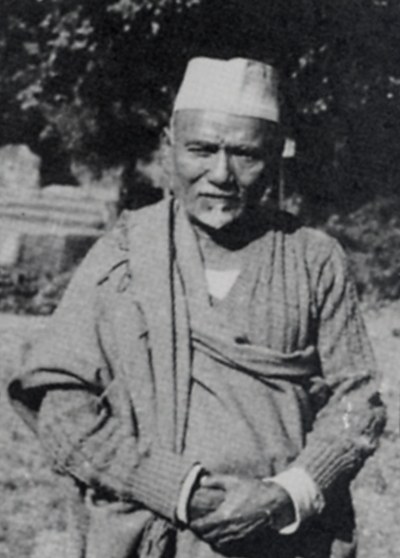 Ustad Allauddin KhanFather and teacher
Maihar gharana master.
Ali Akbar Khan — Wikipedia- Annapurna DeviSister
Surbahar player, also taught by Allauddin Khan.
Ali Akbar Khan — Wikipedia - Fakir Aftabuddin KhanUncle and early teacher
Sent to Bengal as a boy to study with his uncle, who taught him percussion and flute before his father resumed his training.
Maestro Ali Akbar Khan — Ali Akbar College of Music 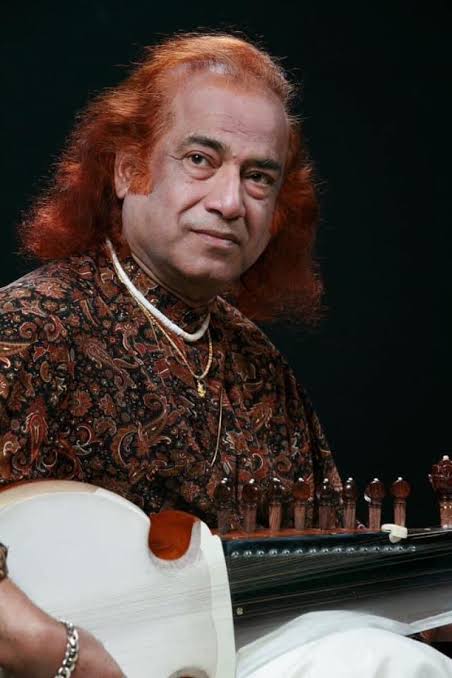 Ustad Aashish KhanSon and student
His eldest son, trained by him after Allauddin Khan.
Aashish Khan — Wikipedia- Ustad Alam KhanSon and student
Trained by him from the age of seven; now Director of Instrumental Music at the Ali Akbar College of Music.
Alam Khan — About (official website)
Collaborators and accompanists
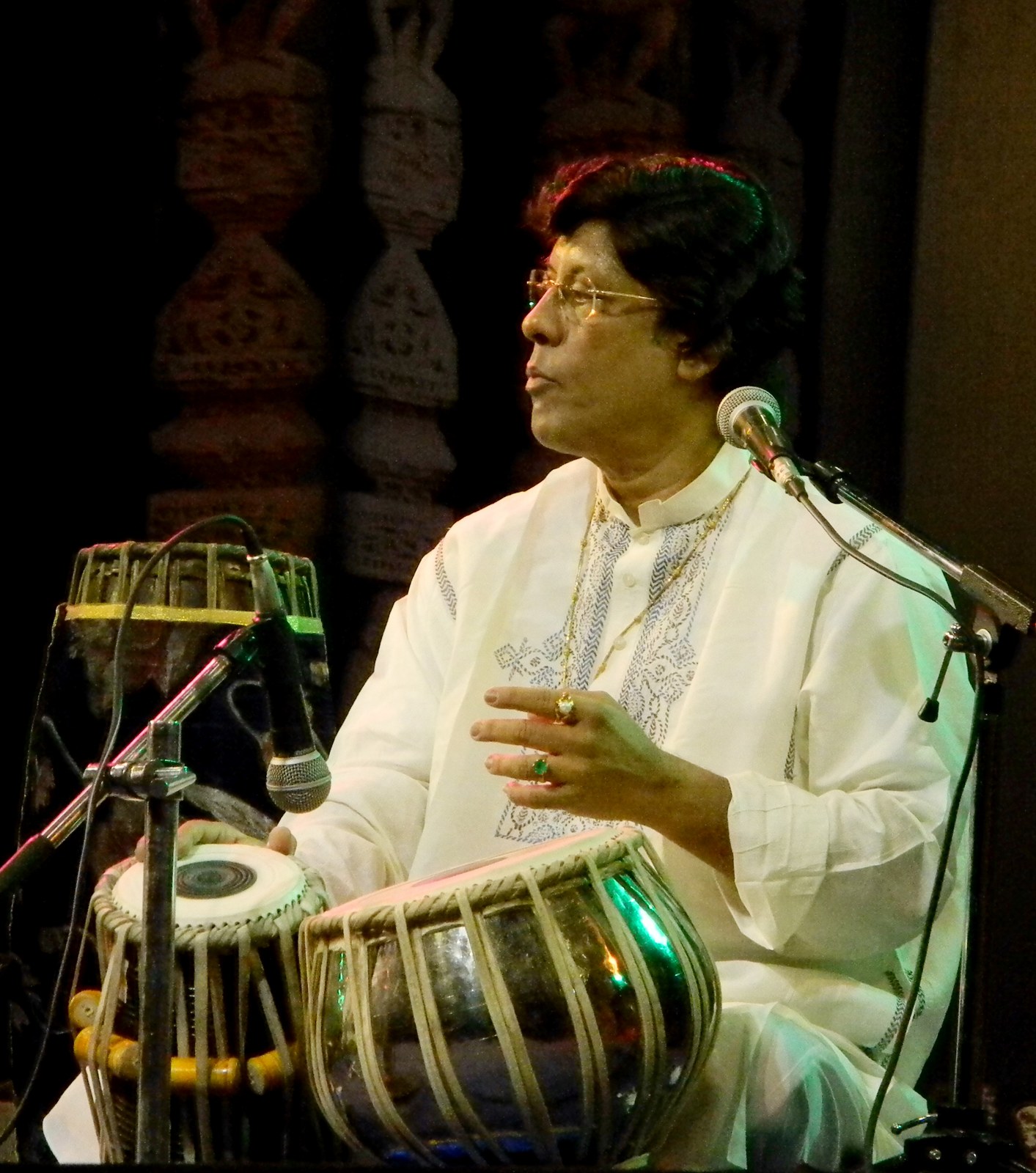 Pandit Anindo ChatterjeeAccompanied by
Named among the tabla players who have accompanied him.
Wikipedia — Anindo Chatterjee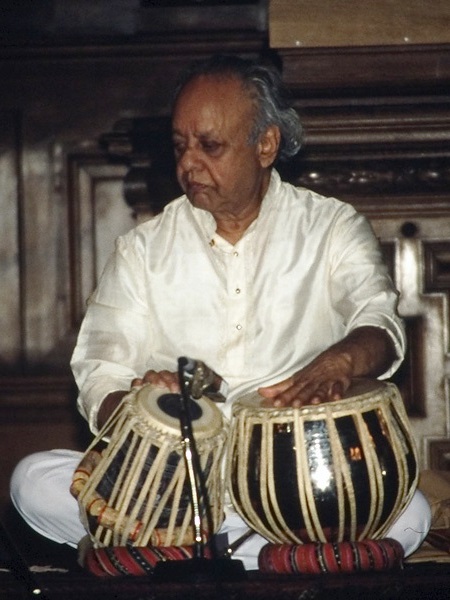 Ustad Alla Rakhaaccompanied by
Alla Rakha accompanied him in concert.
The Guardian — Alla Rakha obituary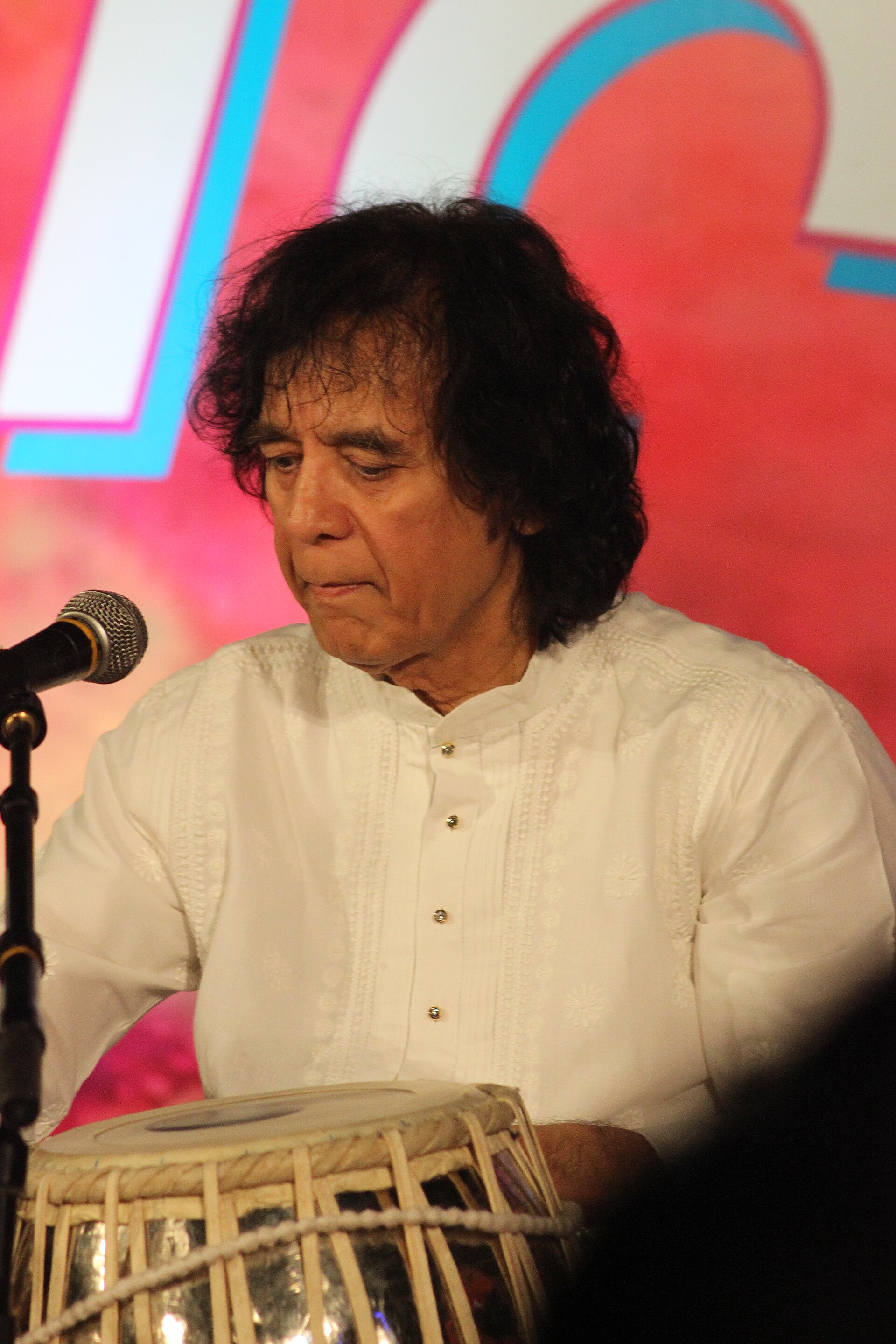 Ustad Zakir Hussainaccompanied by
Zakir Hussain accompanied him from his teens onward.
BBC News — Zakir Hussain obituary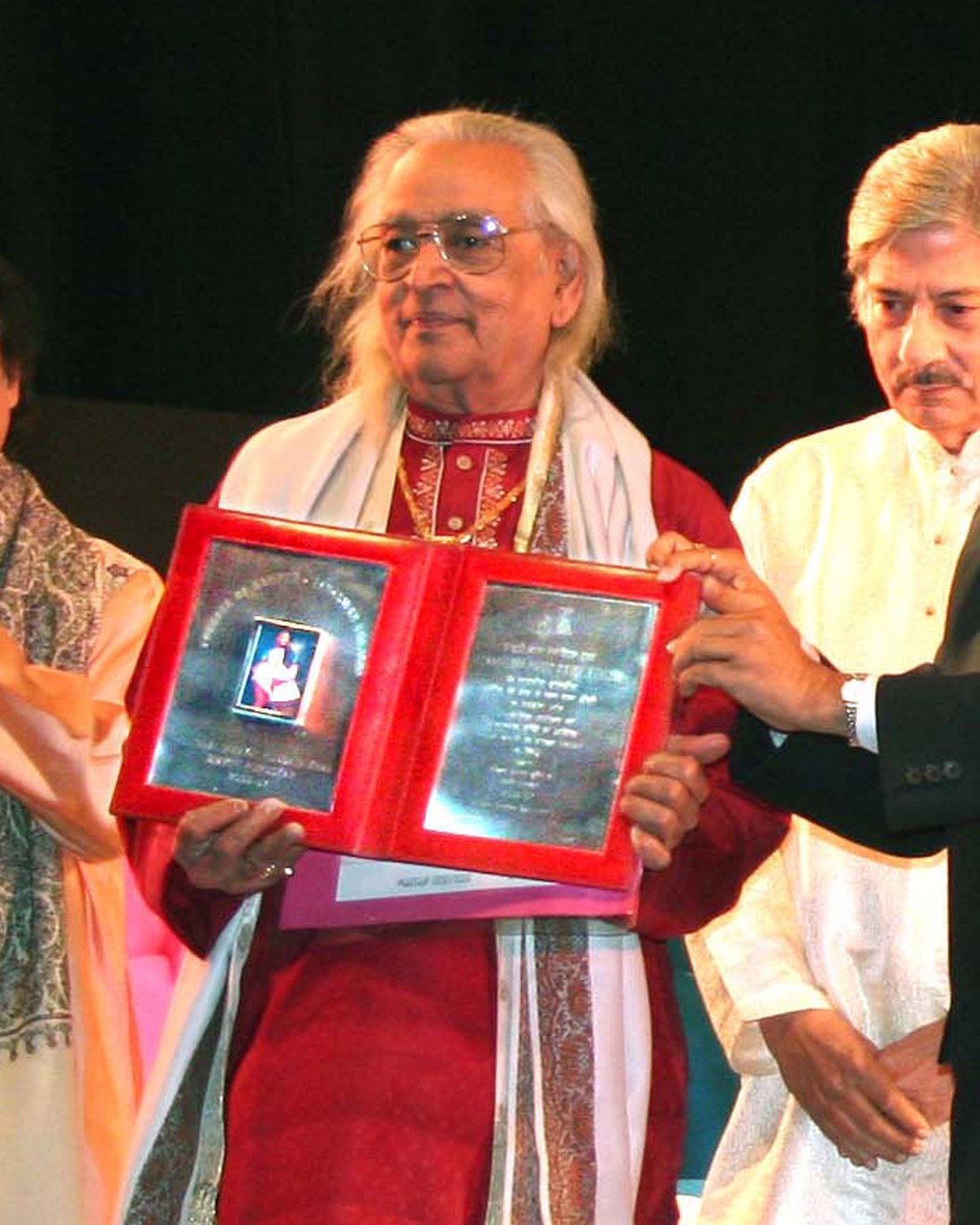 Pandit Kishan Maharajaccompanied by
Kishan Maharaj accompanied him in concert.
The Independent — Kishan Maharaj obituary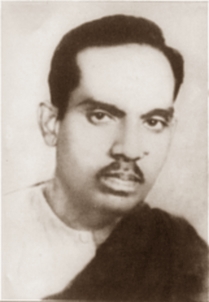 Pandit Anokhelal Mishraaccompanied by
Anokhelal Mishra accompanied him in concert.
Wikipedia — Anokhelal Mishra- Pandit Chatur LalCollaborator
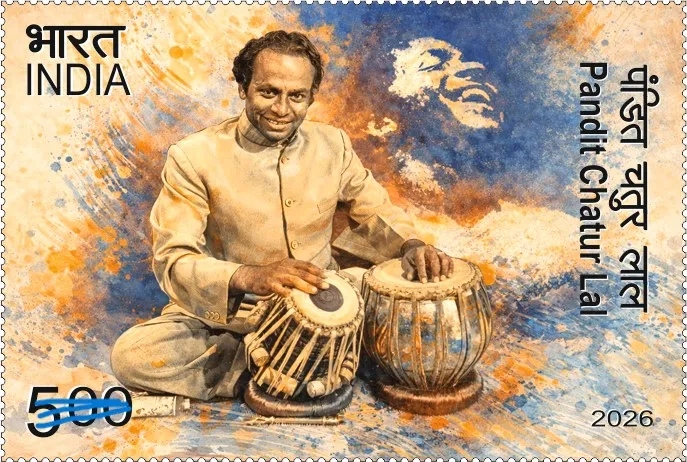
Chatur Lal played tabla on his first American recording, made for the Museum of Modern Art in New York on 18 April 1955 and issued as "Music of India: Morning and Evening Ragas".
Discogs, Music of India (Morning and Evening Ragas) - Pandit Chatur Lalcollaborator
Tabla accompanist on the 1955 United States tour and the first Hindustani LP made for Western listeners.
Remembering Pt. Chatur Lal — The Hindu
Named on other pages
Musicians whose own pages record a connection with this one, in the words their sources use.
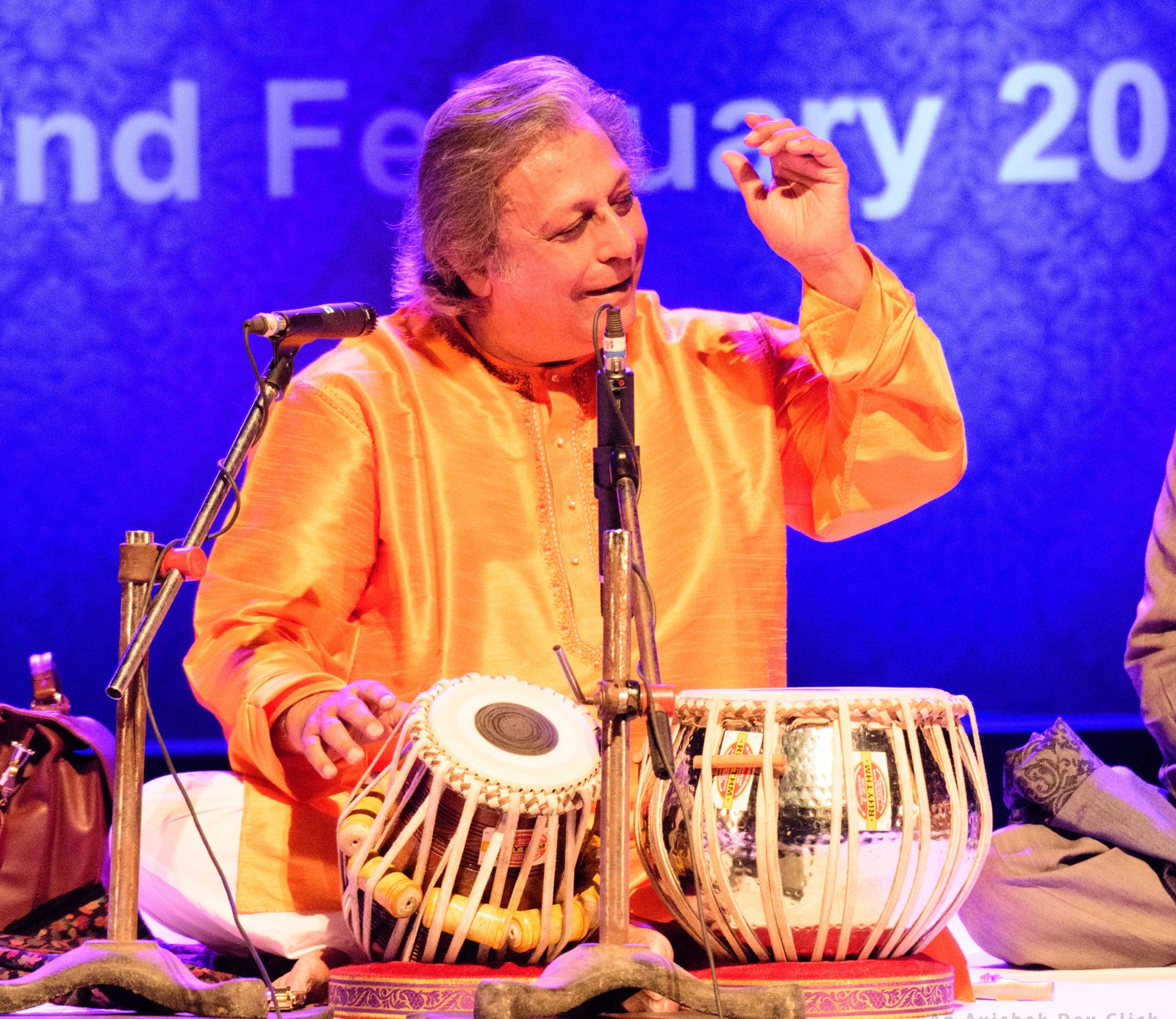 Pandit Swapan ChaudhuriTheir page records: Mentor and lifelong partner
A solo played at Khan's home in 1969 began the association.
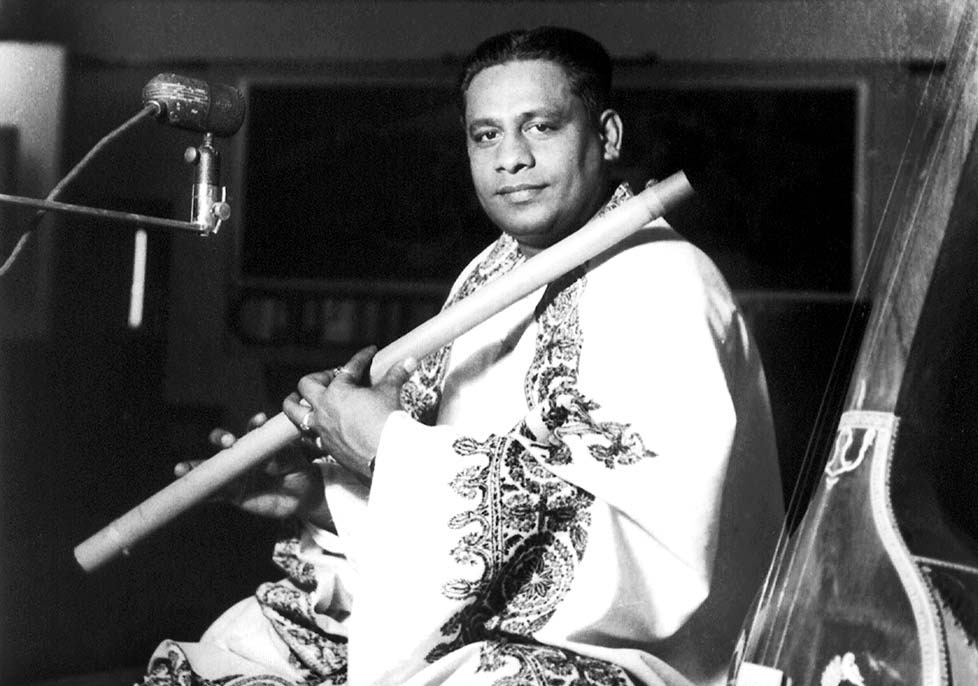 Pandit Pannalal GhoshTheir page records: collaborator
Shared the background score of Aandhiyan (1952) with him and Ravi Shankar.
- Pandit Sharda SahaiTheir page records: accompanied
Shared the stage at his major debut, aged sixteen, at the Italee Music Conference in Calcutta.
Schools, gurukuls and institutions
- Ali Akbar College of Music
Founder and teacher
Recognition
Honours and recognition
Highest national honour first, then by year.
- 1989Padma Vibhushan
- 1963Padma Bhushan
- 1991MacArthur Fellowship
- 1997National Heritage Fellowship (United States)
Community
Memories from the community
Personal recollections, not verified history
These are memories shared by listeners and musicians. They sit apart from the sourced biography above, and an editor reads each one before it appears.
- No memories have been shared yet.
Members can share a memory of Ustad Ali Akbar Khan. Sign in or create an account.
Provenance
Sources and image credits
- Ali Akbar Khan — Wikipedia
- Ali Akbar College of Music
- Maestro Ali Akbar Khan — Ali Akbar College of Music
- Maestro Ali Akbar Khan — Ali Akbar College of Music
Photograph by Kannan Shanmugham, 2000, CC BY-SA 3.0, via Wikimedia Commons
Continue exploring
- Maihar (Senia-Maihar) gharanaThe lineage Ustad Ali Akbar Khan is associated with, and the other musicians documented within it.
- The sarodHow the instrument works, and who else in the archive plays it.
- Ali Akbar College of MusicThe school Ustad Ali Akbar Khan is connected to — what it teaches and where it is.
- All musiciansBrowse the archive by name, instrument or discipline.