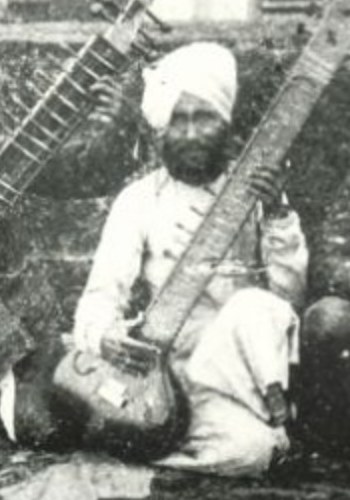
Hindustani classical · 1848–1920
Ustad Imdad Khan
The sitar and surbahar player who gave the Imdadkhani gharana its name and its method.
- Gharana
- Imdadkhani (Etawah) gharana
- Born
- 1848, Agra
- Died
- 1920
- On these dates
- Only the years 1848 and 1920 are documented in the sources read; exact dates and places of birth and death are not established.
Official website & social links
We have no checked official pages for Ustad Imdad Khan yet. Suggest an official link.
Where to start
Begin listening
Sohini (qawwali ang), sitar — recorded Calcutta, 1904
The Gramophone & Typewriter, Ltd.
The first sitar recording made in India, taken by William Sinkler Darby in late 1904 and issued in 1905. Now in the public domain and held at Wikimedia Commons.
Darbari, surbahar
Ram L Kapur
An early 78 rpm side posted by a collector; the recording date is not stated on the transfer.
Recordings are embedded from official or authorised channels and never rehosted. Nothing plays on its own, and starting one closes another. Where an editor has added a note, it explains why that recording was chosen — not what happens inside it.
Biography
Life
Imdad Khan was born in 1848 at Agra, the fourth generation of a family of musicians that soon moved to Etawah, the small town outside Agra that later gave the gharana one of its two names. He was taught by his father, Sahabdad Khan, a trained vocalist and self-taught sitar player, and also received training from the beenkar Bande Ali Khan.
The instrumental music of northern India in his lifetime was dominated by the Senia manner, descended from Tansen's line and rooted in dhrupad. Imdad Khan turned instead to khayal as his model, and built a sitar style on the phrasing of a singing voice. Accounts of his youth at Etawah describe a period of some twelve years of secluded practice; when the family later moved to Calcutta they named the house Riyaz, for practice.
He was widely known in his lifetime, served as a court musician at Mysore and at Indore, and was the first sitar player anywhere to be commercially recorded — discs cut in the first decade of the twentieth century. He died in 1920. The line he founded has been continuous since: his sons Enayat Khan and Wahid Khan, his grandsons Vilayat Khan and Imrat Khan, and a fourth and fifth generation including Shahid Parvez Khan, Shujaat Khan and Nishat Khan.
Michael Kinnear's Etawah discography fills in the working life behind those dates. Imdad Khan was a staff musician to Maharaja Sir Jotindra Mohan Tagore in Calcutta and lived in the city for some twenty-five years; he then spent a period in Delhi, entered the service of the Mysore Durbar by 1910, and moved on to Indore, where he remained until his death. The first recordings were taken at Calcutta in late 1904 by the Gramophone & Typewriter recording expert William Sinkler Darby and issued in 1905; further titles were arranged in August 1910 by George Dillnutt, who found him at Mysore at the request of the Maharaja, Krishnaraja Wadiyar IV. Nine of those 1905 and 1910 sides were transferred from the original shellac and reissued by EMI in 1994 in the Chairman's Choice series as Great Gharanas – Imdadkhani.
Darbar records the family account of his practice: a chilla, the ritual forty-day sealed practice retreat, which in his case is said to have been sustained in some form for about twelve years. He was married to Bendo Bibi; besides Enayat Khan (1894–1938) and Wahid Khan (1895–1961) they had four daughters.
Musical contribution
What they brought to music
The gharana's identifying idea — an instrumental line modelled on the khayal voice, later named the gayaki ang — begins with him. He and his descendants also altered the instruments themselves, and the development of the surbahar as a concert instrument belongs to this lineage. His sons divided the family's two instruments between them: Enayat Khan took the sitar, Wahid Khan the surbahar.
Life in dates
Timeline
1848
Born at Agra
The family moved soon afterwards to Etawah.
1900s
First recorded sitar player
Among the earliest commercial recordings of Indian instrumental music.
1920
Died
In pictures
Photographs
Lineage & company
Teachers, students and musical connections
In the documented teaching trees
Where the archive's lineage research places Ustad Imdad Khan, and the teaching links recorded around them inside each tree.
Imdadkhani (Etawah) gharana1848–1920
Gave the gharana its name and its approach to the surbahar.
Taught in this tree by: Sahabdad Khan
Recorded as teaching: Waheed Khan, Enayat Khan
People
Grouped by the kind of relationship the sources record — who taught this musician, who they taught, family, and the people they played with.
Teachers and gurus
- Sahabdad KhanTeacher
"He was taught by his father, Sahabdad Khan, a trained vocalist and self-taught sitar player."
Wikipedia — Imdad Khan 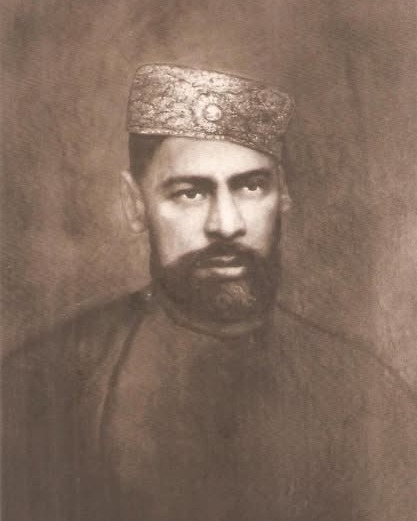 Bande Ali KhanTeacher
"Imdad Khan was also trained by the legendary Beenkar Bande Ali Khan."
Wikipedia — Imdad Khan
Students and disciples
Family
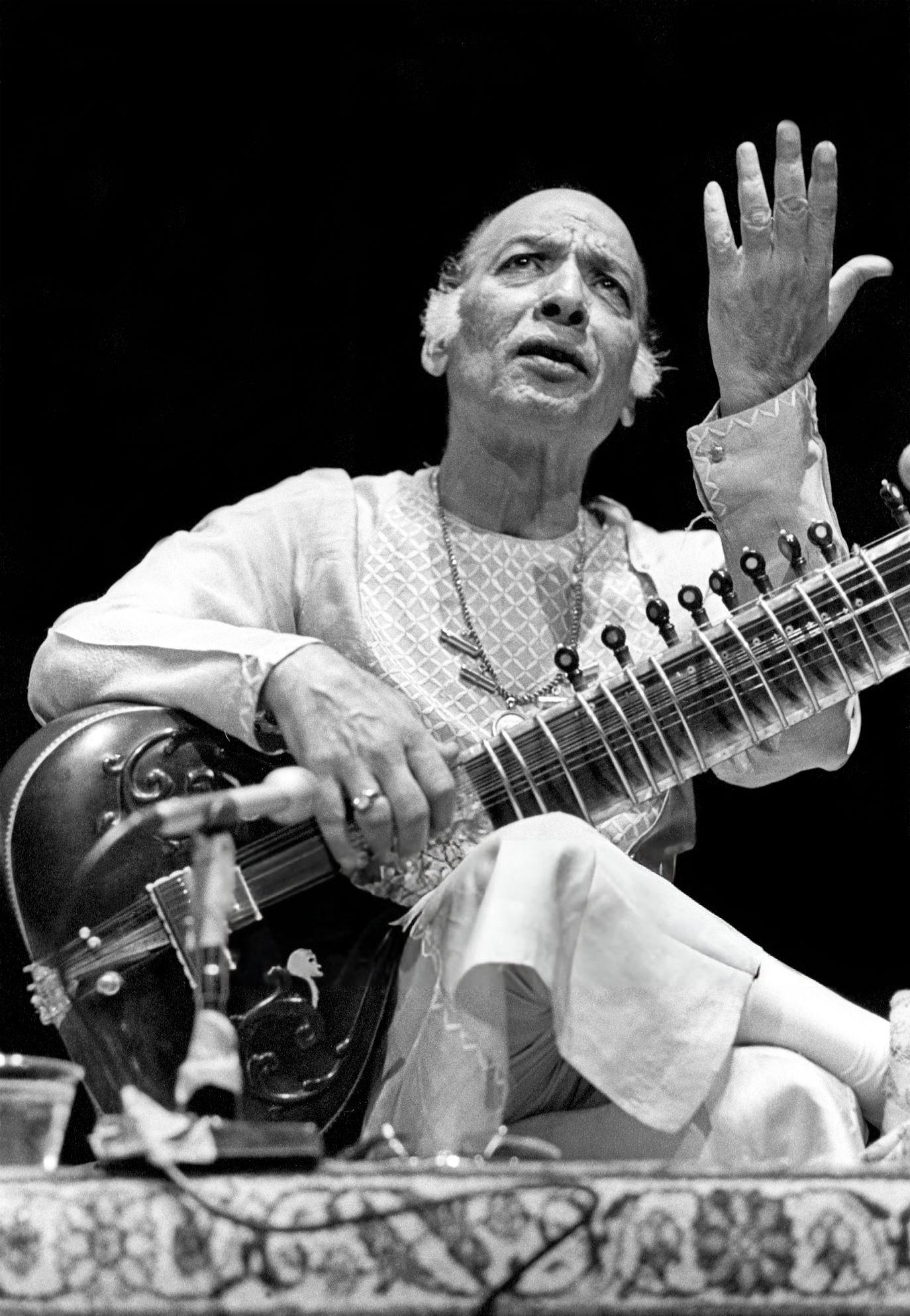 Ustad Vilayat KhanGrandson
Family descent, not a documented teaching relationship with Imdad Khan.
Wikipedia — Etawah gharana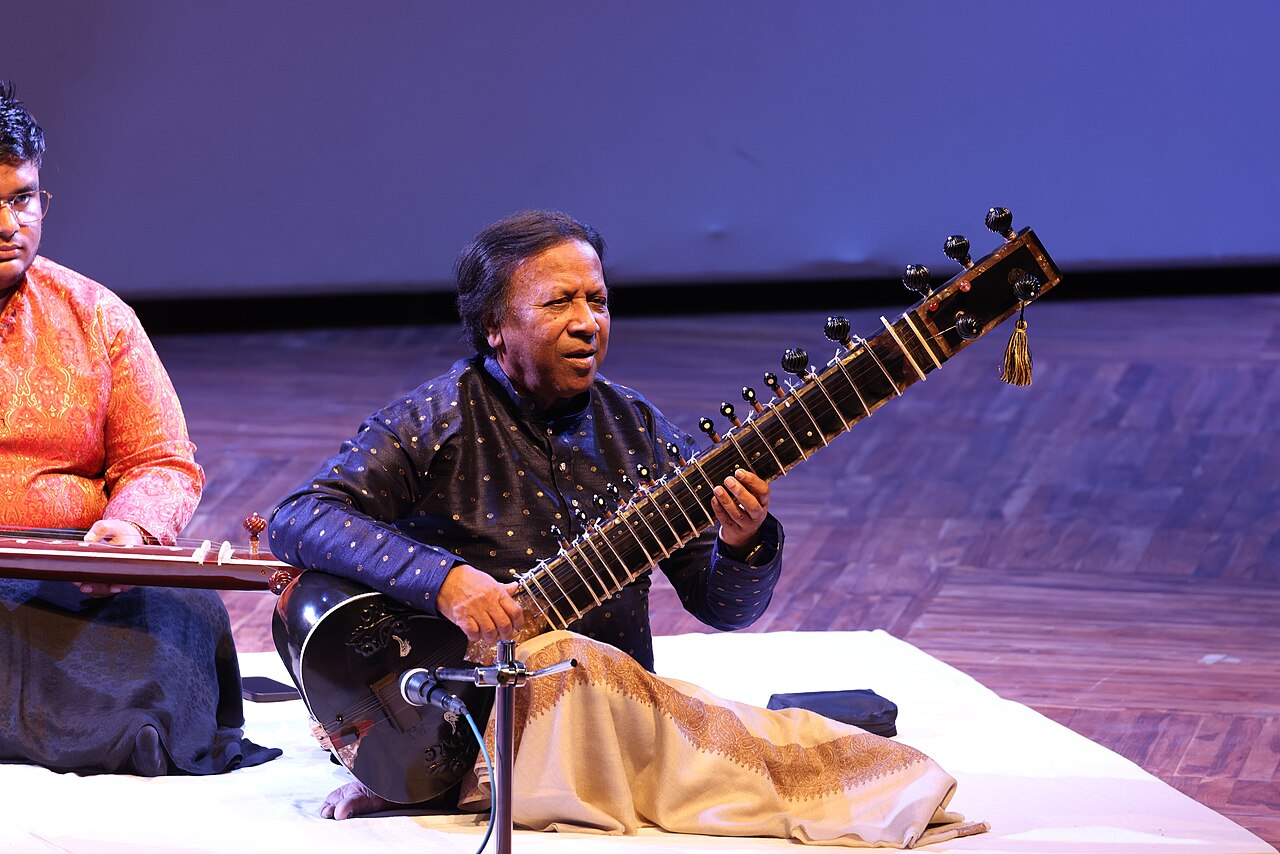 Ustad Shahid Parvez KhanDescendant in the gharana
Named among the later generations of the family line; not a documented teaching relationship with Imdad Khan.
Wikipedia — Etawah gharana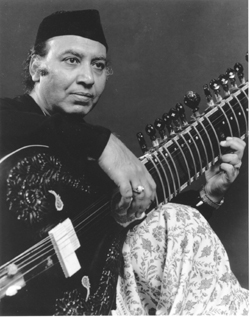 Ustad Imrat KhanGrandson
Surbahar and sitar player of the fourth generation of the line.
Imrat Khan — Wikipedia- Bendo BibiFamily
His wife; mother of Enayat Khan, Wahid Khan and four daughters.
Michael Kinnear, Etawah Discography
Collaborators and accompanists
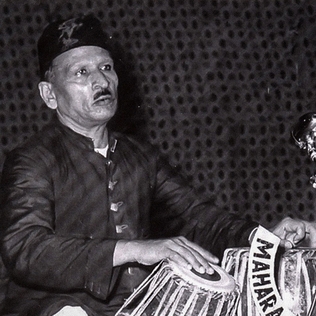 Ustad Ahmed Jan ThirakwaAccompanied by
Thirakwa is named among the tabla players who accompanied him.
Mohan Nadkarni, The Economic Times 1982
Other recorded connections
- Maharaja Sir Jotindra Mohan TagorePatron
"Imdad Khan was a staff musician in Maharaja Sir Jotindra Mohan Tagore's service in Calcutta."
Michael Kinnear, Etawah Discography - Maharaja Krishnaraja Wadiyar IV of MysorePatron
Imdad Khan was at Mysore in August 1910 at the Maharaja's request when the Gramophone Company's George Dillnutt negotiated recordings there.
Michael Kinnear, Etawah Discography
Named on other pages
Musicians whose own pages record a connection with this one, in the words their sources use.
- Pandit Budhaditya MukherjeeTheir page records: Gharana founder
The lineage Mukherjee named the Imdadkhani gharana.
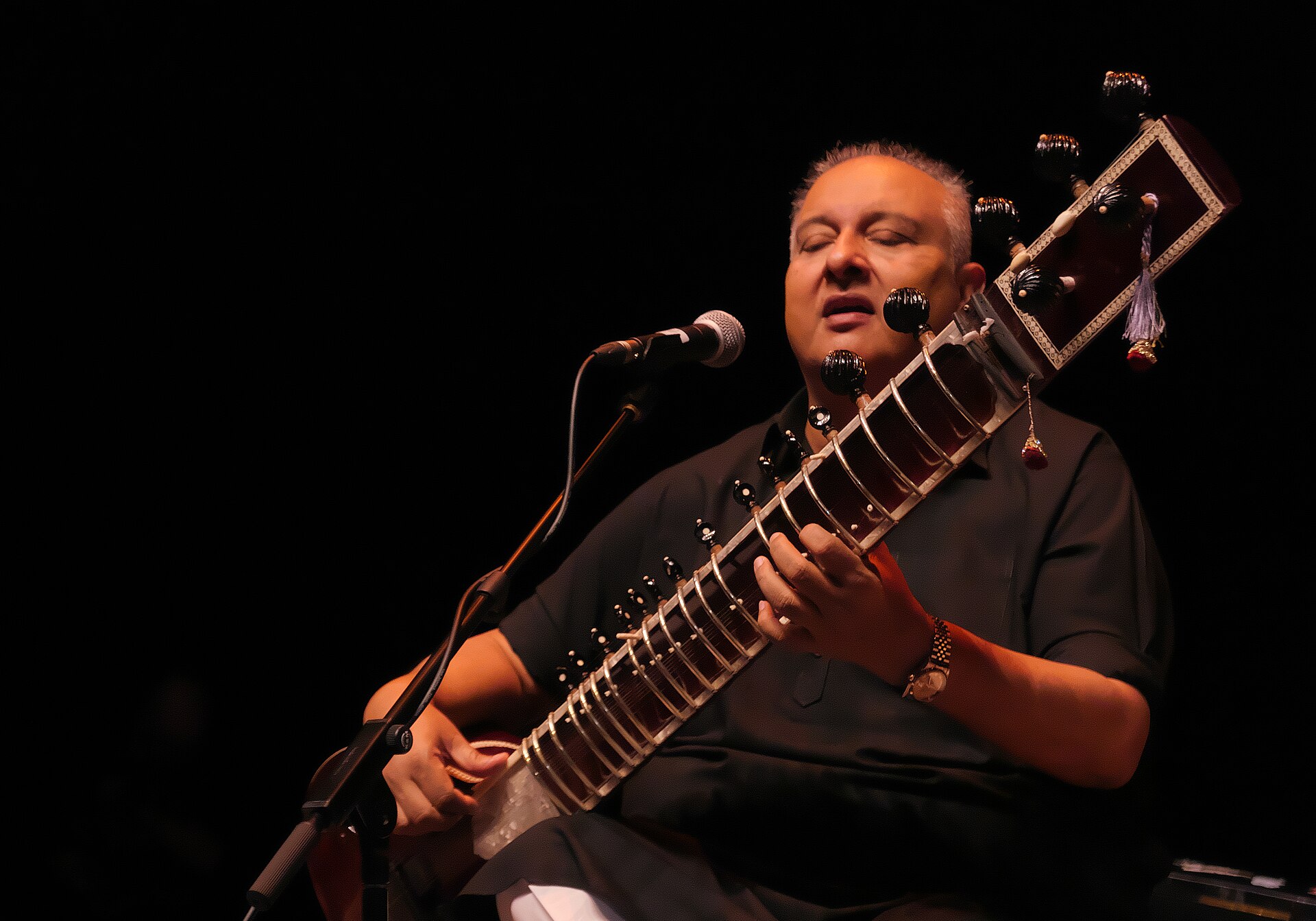 Ustad Shujaat Husain KhanTheir page records: Great-grandfather
The player the gharana is named for.
 Ustad Rais KhanTheir page records: Ancestral family line
Sources trace his family's sitar line back to Imdad Khan; the exact descent is described differently in different accounts.
Recognition
Honours and recognition
- Court musician, Mysore and Indore
Writing
From the journal
Community
Memories from the community
Personal recollections, not verified history
These are memories shared by listeners and musicians. They sit apart from the sourced biography above, and an editor reads each one before it appears.
- No memories have been shared yet.
Members can share a memory of Ustad Imdad Khan. Sign in or create an account.
Provenance
Sources and image credits
- Wikipedia — Imdad Khan (retrieved 15 September 2026)
- Wikipedia — Etawah gharana (retrieved 15 September 2026)
- Michael Kinnear, "The Grand Tradition – Etawah – Discography" — Bajakhana
- Jameela Siddiqi, "Legendary Figures: Ustad Imdad Khan and Ustad Hafiz Ali Khan" — Darbar
Photograph, Calcutta, c. 1910; public domain by age. Reproduced in Michael Kinnear, Etawah Gharana Discography
Continue exploring
- Imdadkhani (Etawah) gharanaThe lineage Ustad Imdad Khan is associated with, and the other musicians documented within it.
- The sitarHow the instrument works, and who else in the archive plays it.
- The surbaharHow the instrument works, and who else in the archive plays it.
- All musiciansBrowse the archive by name, instrument or discipline.