Hindustani classical · 1940s–2004
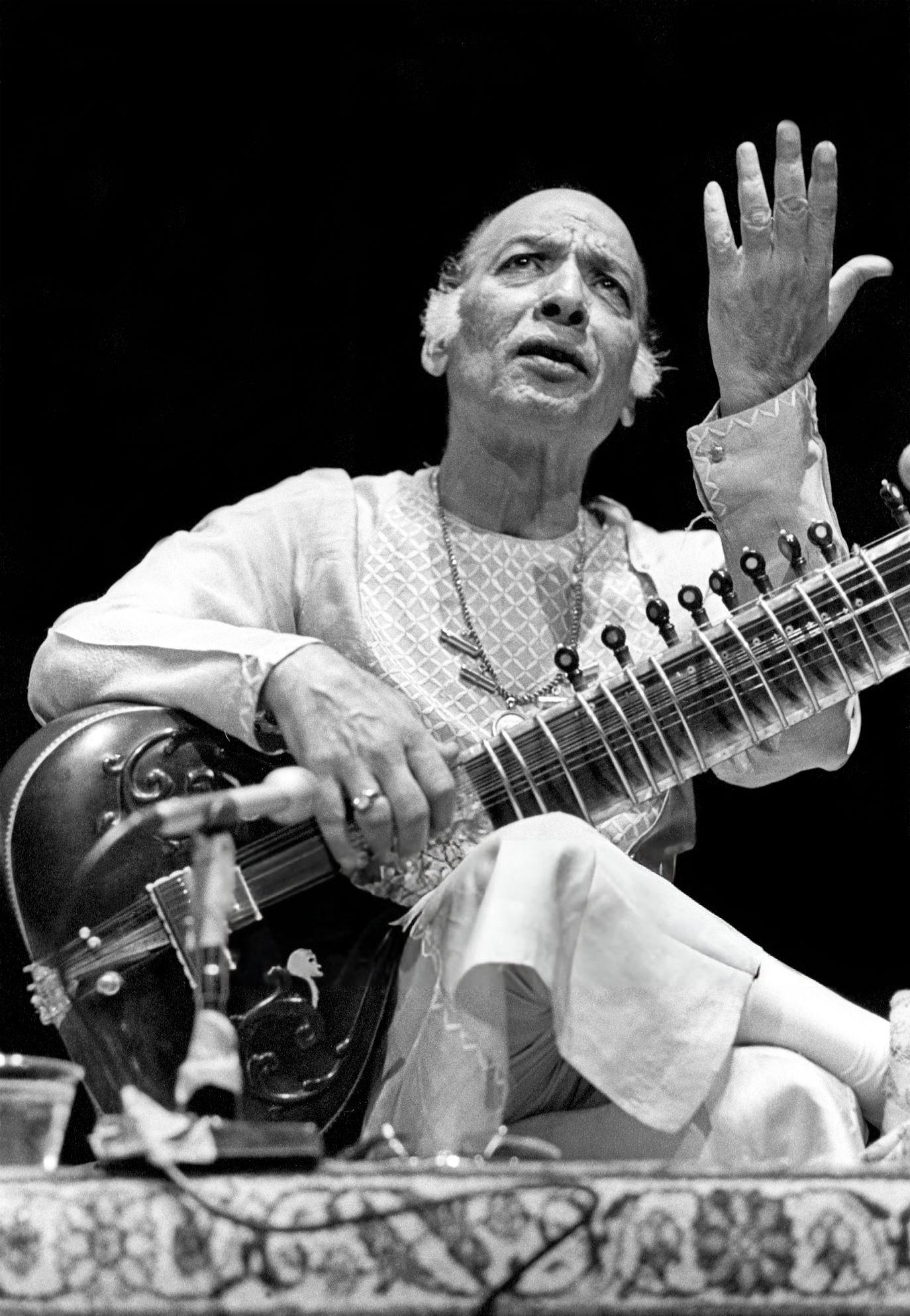
Ustad Vilayat Khan
The sitarist who taught the instrument to sing like a voice.
- Instrument
- SitarSurbahar (also plays)
- Gharana
- Imdadkhani (Etawah) gharana
- Born
- 28 August 1928, Gouripur, Bengal, Gouripur, Bengal (now Bangladesh)
- Died
- 13 March 2004, Mumbai, Mumbai, Maharashtra
- On these dates
- Active period taken from the era field; the start decade is approximate.
Official website & social links
Explore Ustad Vilayat Khan's recordings and legacy on the pages kept in their name.
These destinations belong to Ustad Vilayat Khan or to those who look after their work, and are checked by an editor before they are listed. They leave the archive. Suggest a link or a correction.
Where to start
Begin listening
Raga Jaijaiwanti on sitar
Jaijaiwanti · Ustad Vilayat Khan - Topic
Raga Yaman on sitar
Yaman · Saregama · Saregama Hindustani Classical
Recordings are embedded from official or authorised channels and never rehosted. Nothing plays on its own, and starting one closes another. Where an editor has added a note, it explains why that recording was chosen — not what happens inside it.
Biography
Life
Vilayat Khan was born on 28 August 1928 into the Imdadkhani, or Etawah, gharana — a line of sitar and surbahar players going back to his great-grandfather Ustad Sahebdad Khan. His father, Ustad Enayat Khan, was among the most celebrated sitarists of his generation and died when Vilayat was still a boy.
His training continued in the family: with his uncle Ustad Wahid Khan on surbahar, and with his mother's family on the vocal side, an influence that shaped everything he later did. He began recording in his early teens and was a leading concert artist by his twenties.
He performed for more than six decades in India and abroad, and also composed for film, including Satyajit Ray's Jalsaghar (1958) and Merchant Ivory's The Guru (1969).
He was a famously independent figure who declined Padma honours from the Government of India, saying the awards committees were not competent to judge music. He died in Mumbai on 13 March 2004. His sons Shujaat Khan and Hidayat Khan are sitarists.
Musical contribution
What they brought to music
Vilayat Khan's central contribution is the gayaki ang — a way of playing the sitar that follows the human voice. He reworked the instrument itself towards that end, favouring a lighter setup and a string arrangement that let him bend a note across several tones in a single pull, so that meend could carry the weight a singer's breath would.
The result is a sitar that phrases like khayal: sustained, ornamented, speech-like. Almost every sitarist after him has had to decide what to do with that inheritance.
Life in dates
Timeline
1928
Born in Gouripur
Born on 28 August into the Imdadkhani (Etawah) gharana.
1938
Death of his father
Ustad Enayat Khan dies; his training continues with his uncle Ustad Wahid Khan and his mother's family.
1940s
First recordings and concerts
Begins recording in his teens and establishes himself as a leading sitarist.
1958
Music for Jalsaghar
Composes for Satyajit Ray's film.
2004
Dies in Mumbai
Dies on 13 March.
In pictures
Photographs
Lineage & company
Teachers, students and musical connections
Documented teaching lineage
Taught by Ustad Enayat Khan
Father and first teacher; Vilayat Khan was a child when his father died.
Vilayat Khan — Wikipedia
Teaching, family, collaboration and influence are recorded separately here; none is ever inferred from another.
In the documented teaching trees
Where the archive's lineage research places Ustad Vilayat Khan, and the teaching links recorded around them inside each tree.
Imdadkhani (Etawah) gharana1928–2004
Shaped the modern gayaki ang of sitar playing.
Recorded as teaching: Arvind Parikh
People
Grouped by the kind of relationship the sources record — who taught this musician, who they taught, family, and the people they played with.
Students and disciples
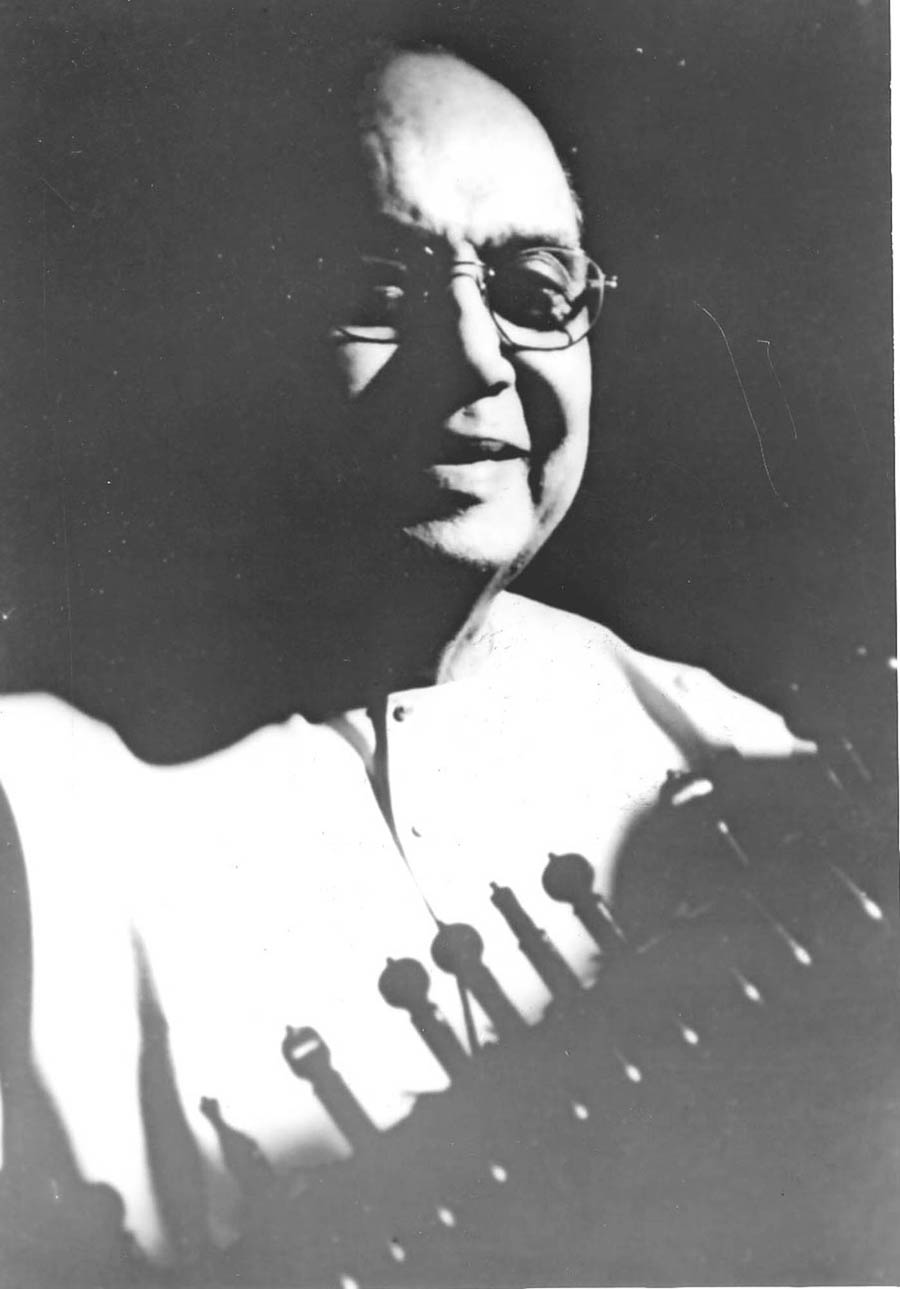 Pandit Arvind ParikhStudent
He taught him in Bombay from 1944 until his own death in 2004.
Life Journey — Pandit Arvind Parikh
Family
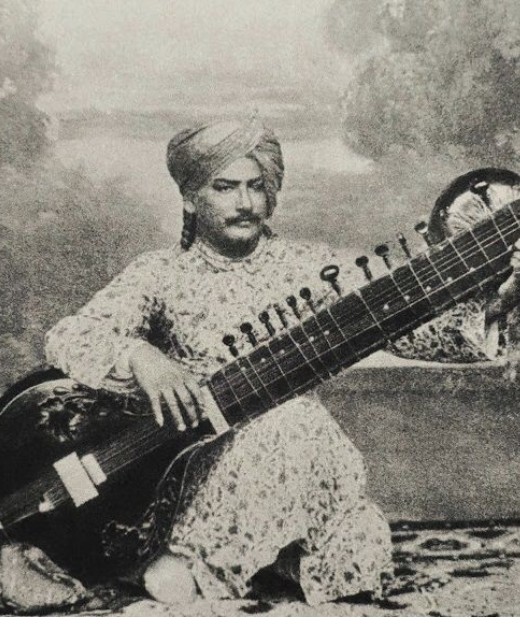 Ustad Enayat KhanFather and first teacher
Leading sitarist of the Imdadkhani gharana; died when Vilayat was a boy.
Vilayat Khan — Wikipedia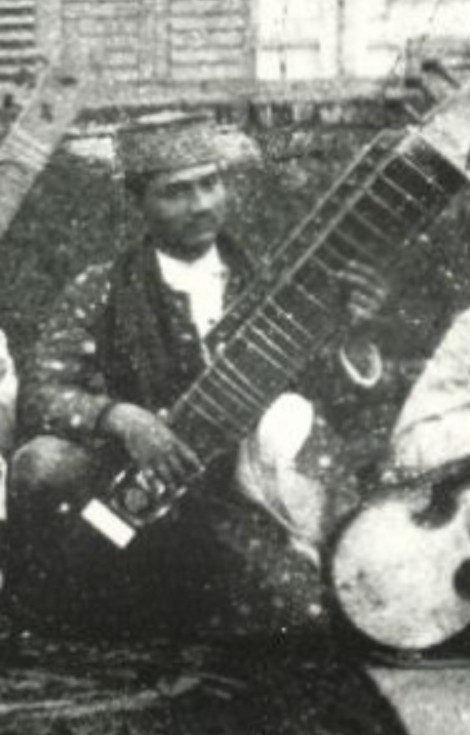 Ustad Wahid KhanTeacher and uncle
Surbahar player who continued his training.
Vilayat Khan — Wikipedia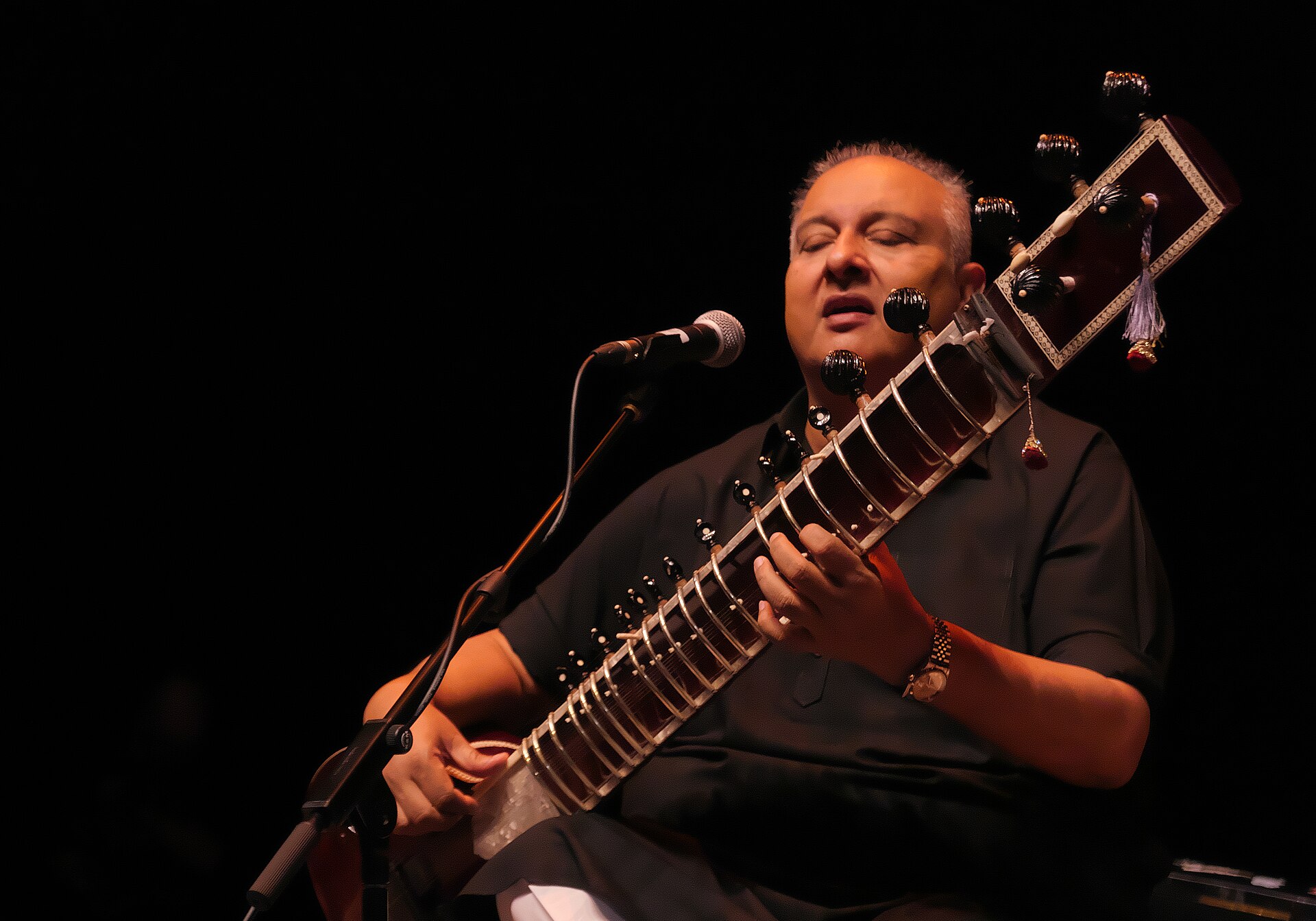 Ustad Shujaat Husain KhanSon and student
Sitarist; trained by him from childhood.
Vilayat Khan — Wikipedia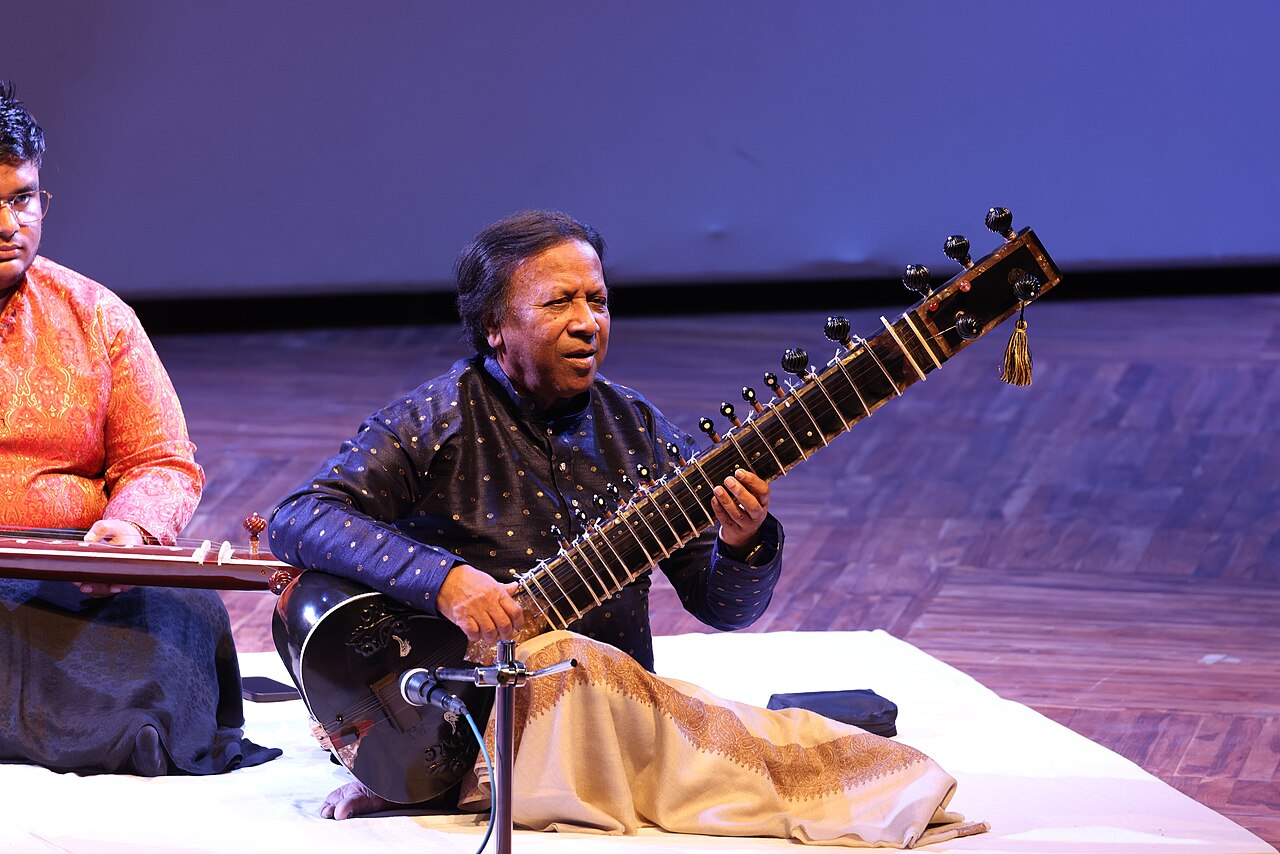 Ustad Shahid Parvez KhanNephew in the gharana
Shahid Parvez is described as his nephew and carried the gayaki ang forward.
Shahid Parvez — Wikipedia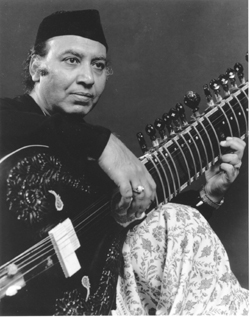 Ustad Imrat KhanYounger brother and concert partner
They lived and performed together from 1952.
Imrat Khan — Wikipedia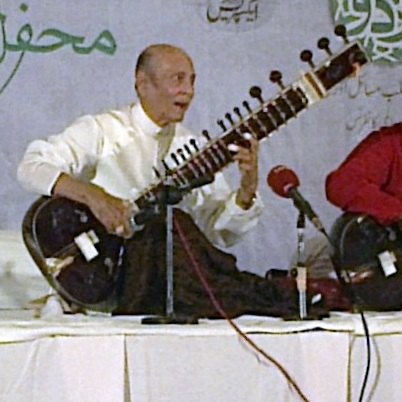 Ustad Rais KhanFamily connection
Reference accounts describe Rais Khan as a relative; not a teaching relationship.
Rais Khan — Wikipedia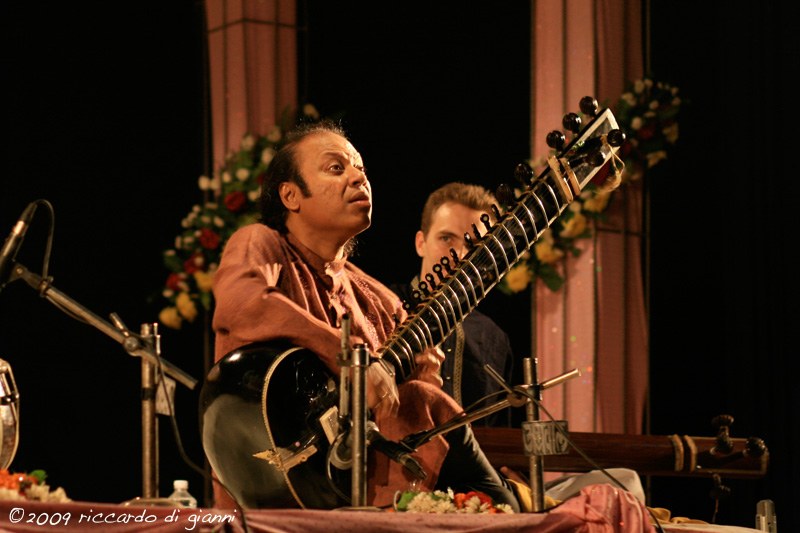 Ustad Nishat KhanNephew
Nishat Khan cites him as a major influence.
Nishat Khan — Wikipedia
Collaborators and accompanists
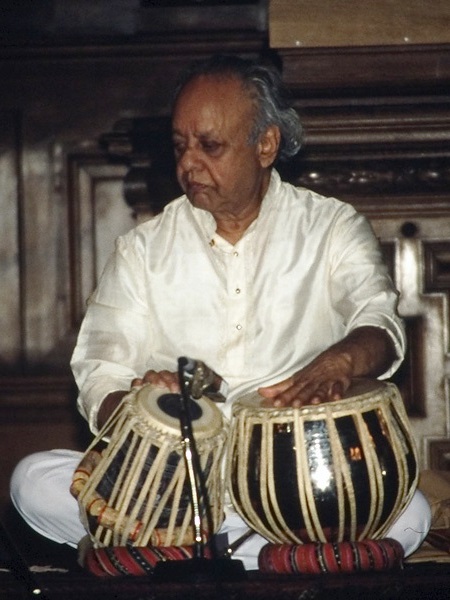 Ustad Alla Rakhaaccompanied by
Alla Rakha accompanied him in concert.
The Guardian — Alla Rakha obituary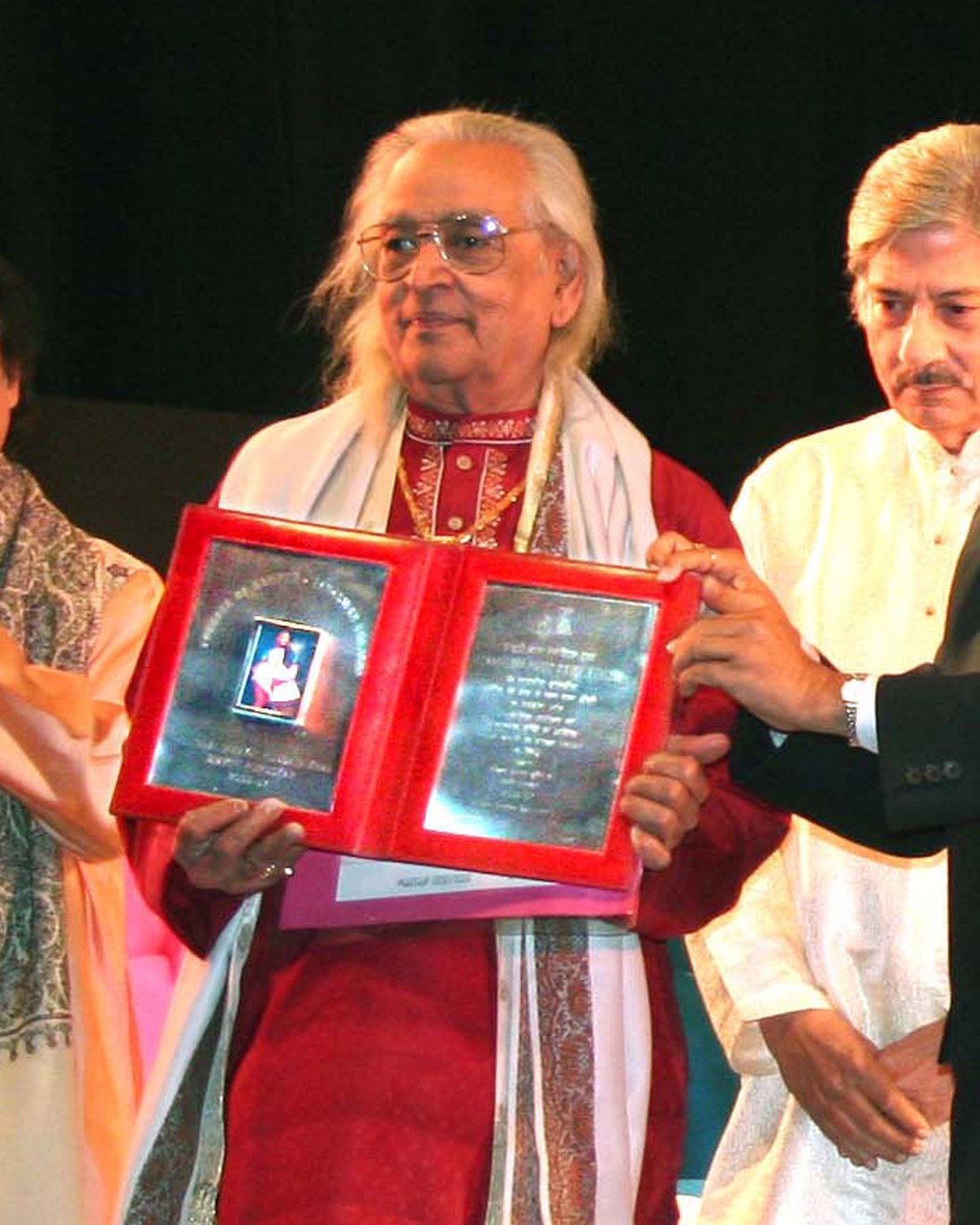 Pandit Kishan Maharajaccompanied by
Kishan Maharaj accompanied him in concert.
The Independent — Kishan Maharaj obituary Pandit Anokhelal Mishraaccompanied by
Anokhelal Mishra accompanied him in concert.
Wikipedia — Anokhelal Mishra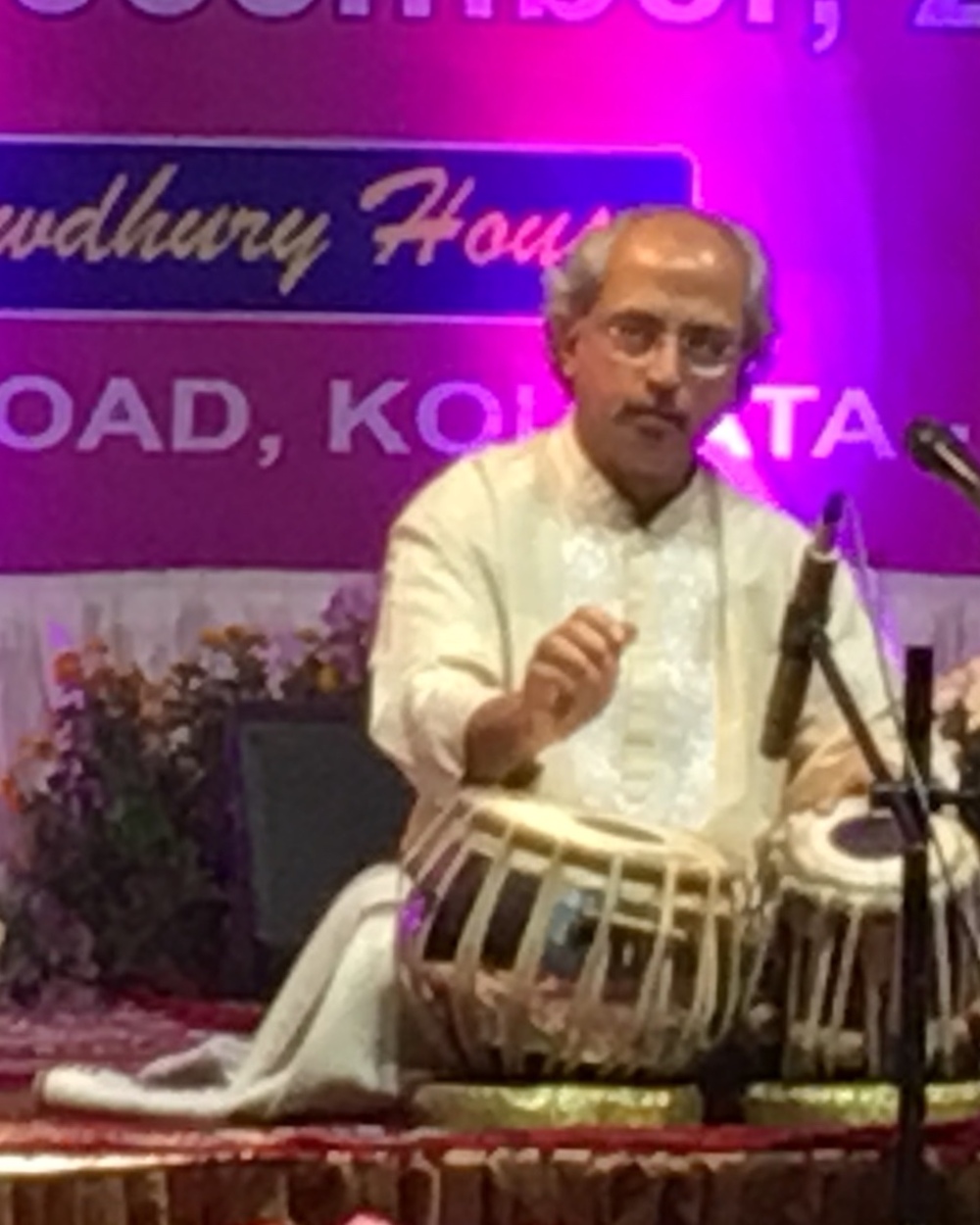 Pandit Yogesh SamsiTabla accompanist
Has accompanied him in concert.
Yogesh Samsi — official site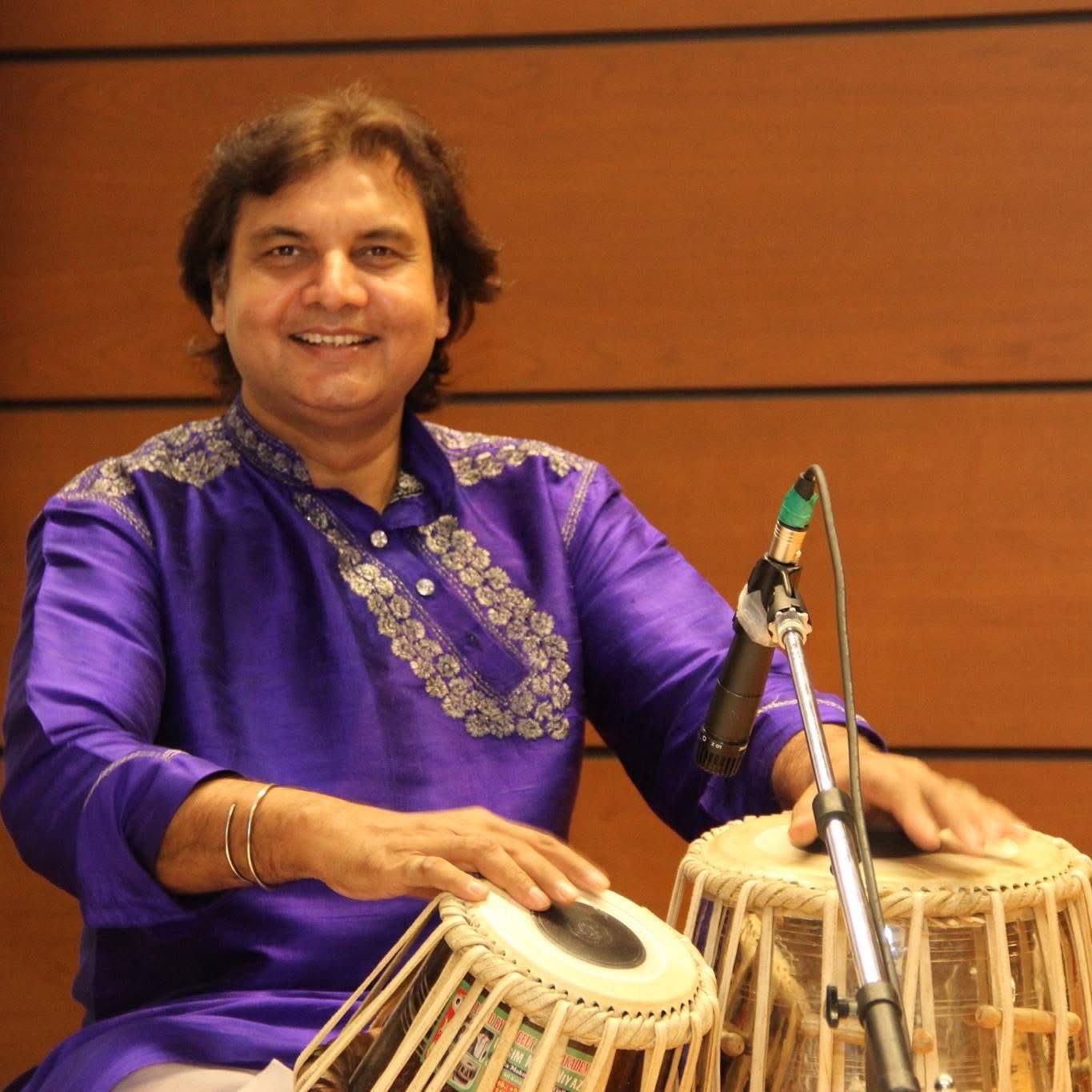 Ustad Akram Khancollaborator
The Ajrara tabla player accompanied him in Japan (1987) and the United States (1992).
Akram Khan — SwarGanga
Influence
Named on other pages
Musicians whose own pages record a connection with this one, in the words their sources use.
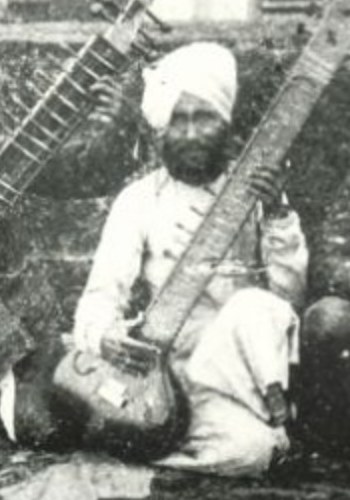 Ustad Imdad KhanTheir page records: Grandson
Family descent, not a documented teaching relationship with Imdad Khan.
Recognition
Honours and recognition
Highest national honour first, then by year.
- 1968Padma Bhushan (declined)Declined the honour.
- 1964Padma Shri (declined)Declined the honour.
Writing
From the journal
Indian classical music: an introduction
What raga and tala actually are, how a concert is shaped, why lineage matters, and where to start listening. A first map of a very large territory.
Sitar and surbahar: what changes when the instrument grows
They share a shape, a plectrum and a family of players — but the bigger instrument was built for a different job. A guide to the differences you can hear, and to who actually invented the surbahar.
Community
Memories from the community
Personal recollections, not verified history
These are memories shared by listeners and musicians. They sit apart from the sourced biography above, and an editor reads each one before it appears.
- No memories have been shared yet.
Members can share a memory of Ustad Vilayat Khan. Sign in or create an account.
Provenance
Sources and image credits
Photograph 1989, public domain, via Wikimedia Commons
Continue exploring