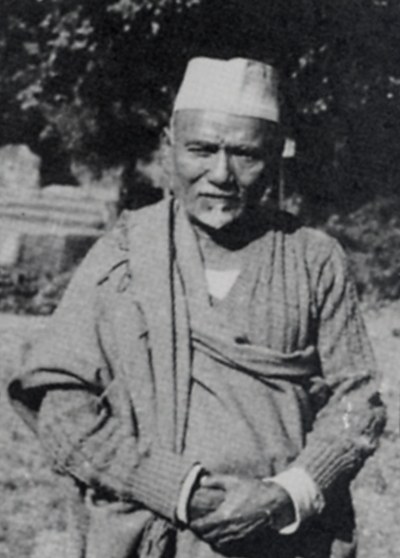
Hindustani classical · c. 1881–1972
Ustad Allauddin Khan
The teacher from whom most of modern instrumental Hindustani music descends.
- Schools & gurukuls
- Ali Akbar College of MusicTeaching tradition and archive recordingsDhrupad Kendra, BhopalThe academy is named after himPrayag Sangeet SamitiPerformed at the Samiti
- Born
- c. 1881, Shibpur village, Brahmanbaria District, East Bengal (now Bangladesh)
- Died
- 6 September 1972, Maihar, Madhya Pradesh
- On these dates
- Birth year disputed in the sources: 1862, 1869, 1871 and 1881 all appear. c. 1881 is the best-supported.
Official website & social links
We have no checked official pages for Ustad Allauddin Khan yet. Suggest an official link.
Where to start
Begin listening
Start here
Raag Shuddha Basant
Shuddha Basant · AIR Raagam
An archival broadcast recording released by All India Radio's own channel.
An archival performance
Documentary: Ustad Allauddin Khan
Ministry of Culture Govt. of India
Archival documentary published by the Ministry of Culture, Government of India.
Recordings are embedded from official or authorised channels and never rehosted. Nothing plays on its own, and starting one closes another. Where an editor has added a note, it explains why that recording was chosen — not what happens inside it.
Biography
Life
His birth year is genuinely unsettled. Sources give 1862, 1869, 1871 and 1881; the weight of evidence favours around 1881, in Shibpur village in the Brahmanbaria district of East Bengal. His father, known as Sadhu Khan, was an amateur sitarist and a maternal uncle of Ustad Wazir Khan of Rampur — a family connection that mattered a great deal later.
He left home at about eight with a travelling jatra troupe and reached Calcutta in his teens. There the vocalist Gopal Chandra Bhattacharya, known as Nulo Gopal, took him on and taught him for some seven years until his death. Khan then turned to instruments, studying for a further seven years with Amritlal Dutta (Habu Dutta), and taking lessons in violin and Western notation, in shehnai, and in mridangam, pakhawaj and tabla from other teachers in the city.
Hearing Ustad Ahmad Ali Khan play Todi, he asked to become his disciple, and served him for four years. The two later travelled to Rampur, where Khan sought out the beenkar Ustad Wazir Khan. He waited six fruitless months at the palace gates before a petition reached Nawab Hamid Ali Khan, whose interest secured him an audition and then a formal nara ceremony. Wazir Khan accepted him on the condition that he learn sarod, rabab and sursringar only — the been was reserved for the family — and that he never teach the repertoire to courtesans.
Around 1918 he became court musician and personal tutor to Maharaja Brijnath Singh of Maihar State. Refusing a salary for teaching, he was granted land instead. He lived at Madina Bhavan in Maihar from 1918 until his death, and it was there that the teaching for which he is remembered took place: students lived with him, were forbidden to hear outside music or to perform, and were held to a discipline his own pupils described as merciless. He taught largely by singing a phrase and expecting it back instantly on the student's instrument, and he shaped each student differently — he deliberately kept Nikhil Banerjee's training away from anything that would make him sound like Ravi Shankar.
He died on 6 September 1972 at Maihar.
Musical contribution
What they brought to music
Khan carried into the sarod and the sitar what belonged to the been, the rabab, the sursringar and the surbahar: sustained meend, long linear tans, weight in the lower register. Before him, instrumental playing leaned heavily on right-hand stroke patterns. He rebuilt the sarod itself, giving it fifteen sympathetic strings, four lower and five upper strings, all five melody strings fully playable, and a deep brass string for the bass-heavy ragas; he added a thick kharaj string to the sitar for the low Sa.
He composed new ragas — Hemant, Hem-Bihag, Haimanti, Manj-Khamaj and Madan-Manjari, named for his wife. In 1918 he formed the Maihar Band from children orphaned in the influenza epidemic, inventing instruments for them, among them the nal tarang made from gun barrels and the chandra sarang played with a bow. In 1935 he toured Europe with Uday Shankar's troupe.
Life in dates
Timeline
c. 1881
Born at Shibpur, Brahmanbaria
The year is disputed; 1862, 1869 and 1871 also appear in the sources.
c. 1890s
Trained in Calcutta
Some seven years of vocal study with Nulo Gopal, then instrumental study with Habu Dutta.
1918
Court musician at Maihar
Appointed by Maharaja Brijnath Singh; founded the Maihar Band the same year.
1935
European tour
With Uday Shankar's ballet troupe.
1972
Died at Maihar
6 September.
—
Accepted by Ustad Wazir Khan at Rampur
On condition that he learn sarod, rabab and sursringar only.
Lineage & company
Teachers, students and musical connections
In the documented teaching trees
Where the archive's lineage research places Ustad Allauddin Khan, and the teaching links recorded around them inside each tree.
Maihar (Senia-Maihar) gharanac. 1862–1972
Founder of the gharana and teacher of an extraordinary group of students.
Taught in this tree by: Wazir Khan
Recorded as teaching: Sharan Rani, Pannalal Ghosh, Ali Akbar Khan, Annapurna Devi, Ravi Shankar
People
Grouped by the kind of relationship the sources record — who taught this musician, who they taught, family, and the people they played with.
Teachers and gurus
- Gopal Chandra Bhattacharya (Nulo Gopal)Teacher
Vocal training in Calcutta over some seven years.
Allauddin Khan — Wikipedia - Ustad Ahmad Ali KhanTeacher
Sarod; he served him for four years.
Allauddin Khan — Wikipedia - Ustad Wazir Khan of RampurTeacher
Accepted him after a formal nara ceremony, to teach sarod, rabab and sursringar.
Allauddin Khan — Wikipedia
Students and disciples
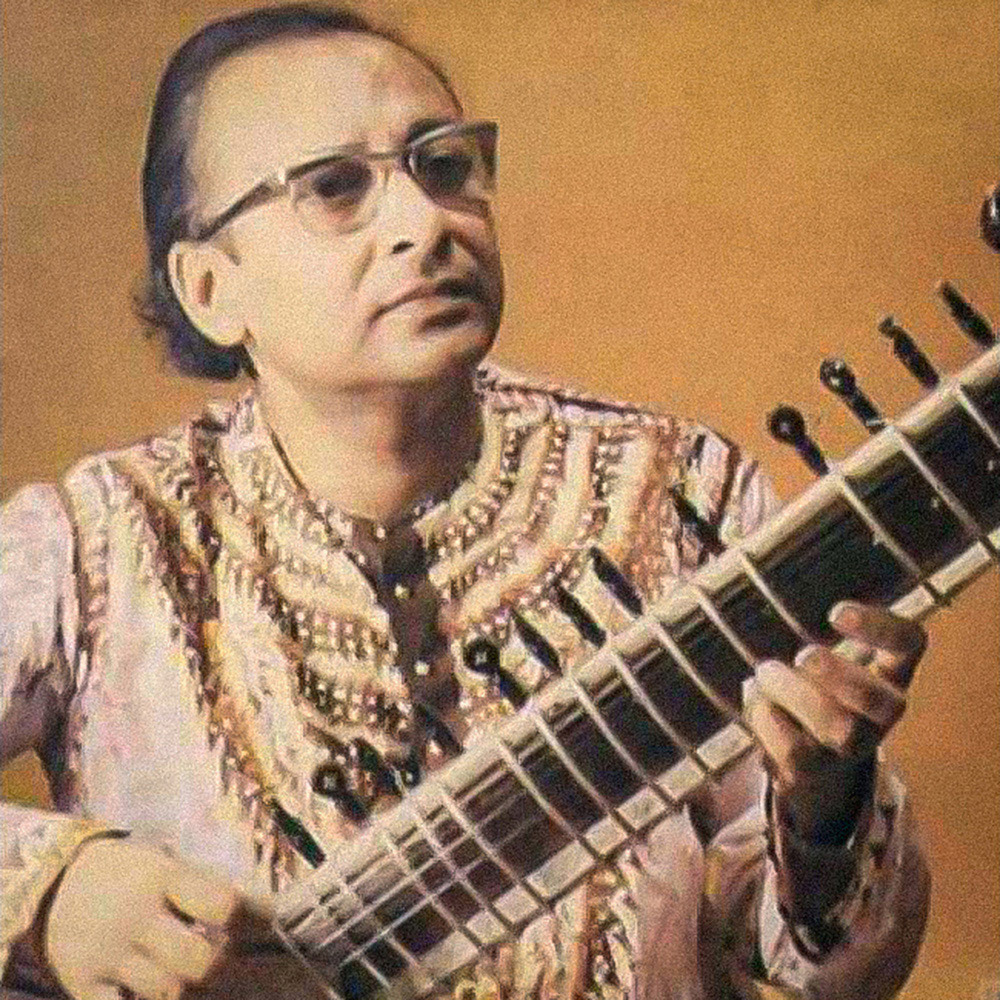 Pandit Nikhil BanerjeeStudent
He shaped the training to keep it distinct from Ravi Shankar's.
Allauddin Khan — Wikipedia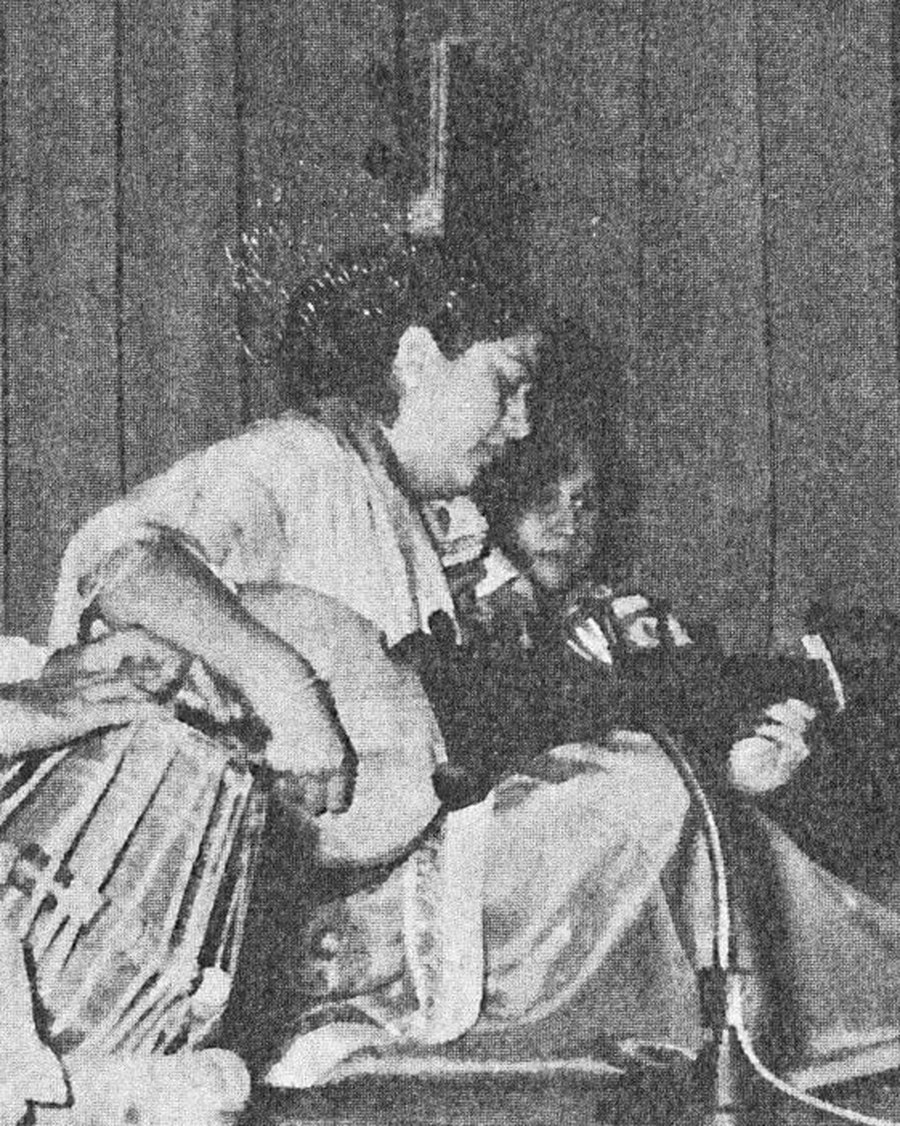 Sharan RaniStudent
Sarod.
Sharan Rani — Wikipedia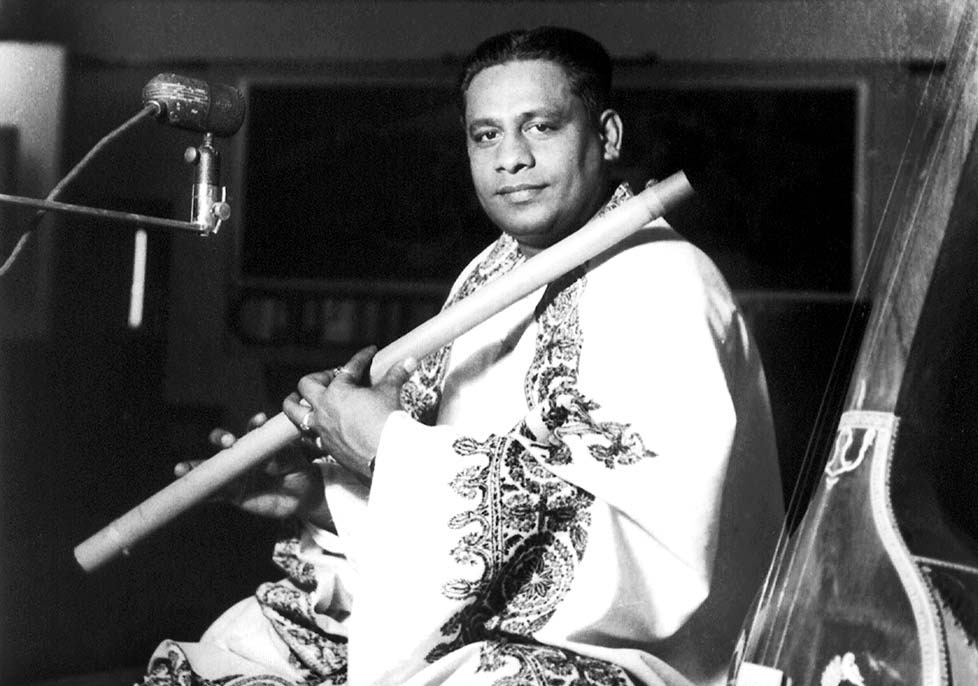 Pandit Pannalal GhoshDisciplePannalal Ghosh — Wikipedia
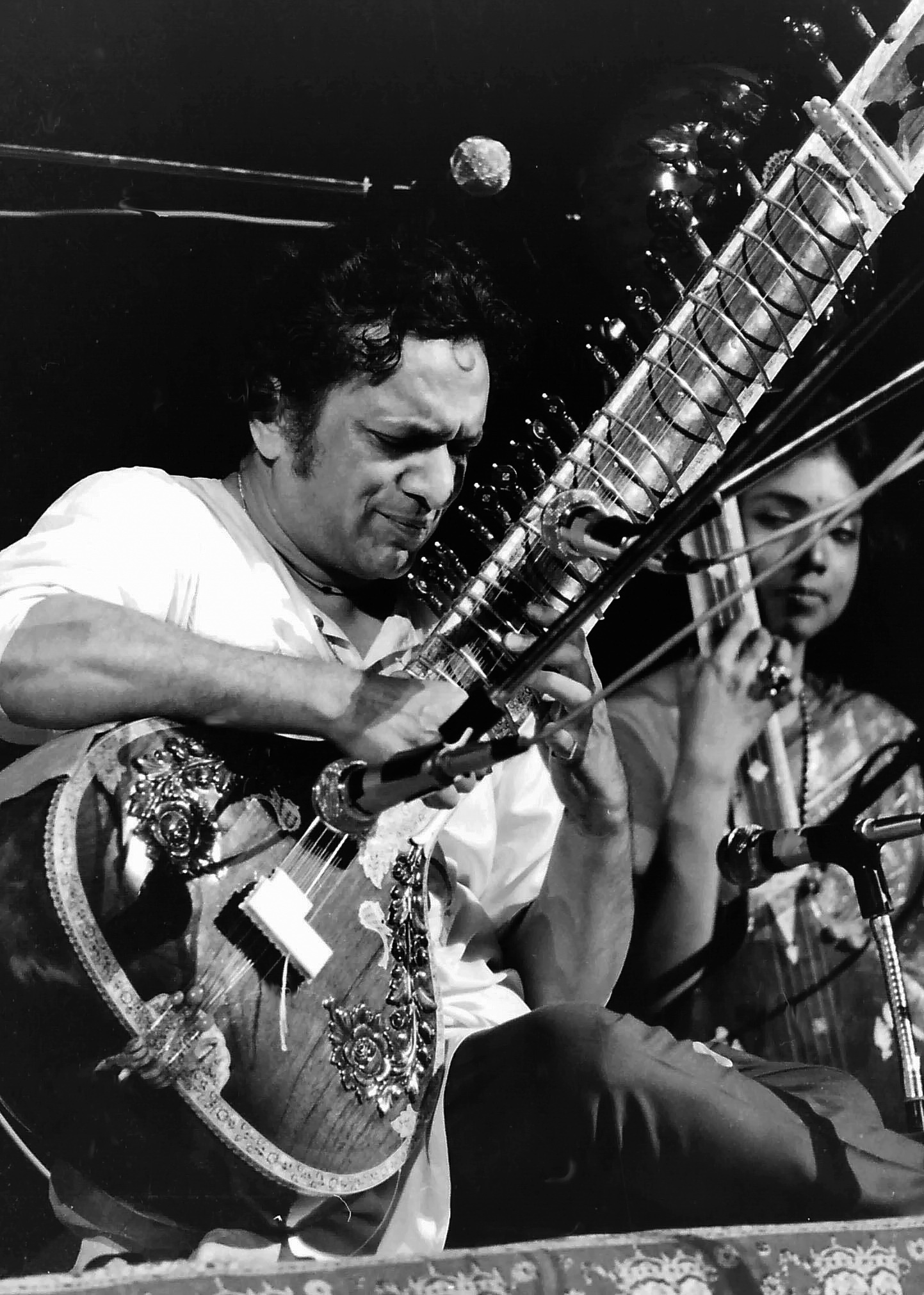 Pandit Ravi ShankarDiscipleRavi Shankar — Wikipedia
Family
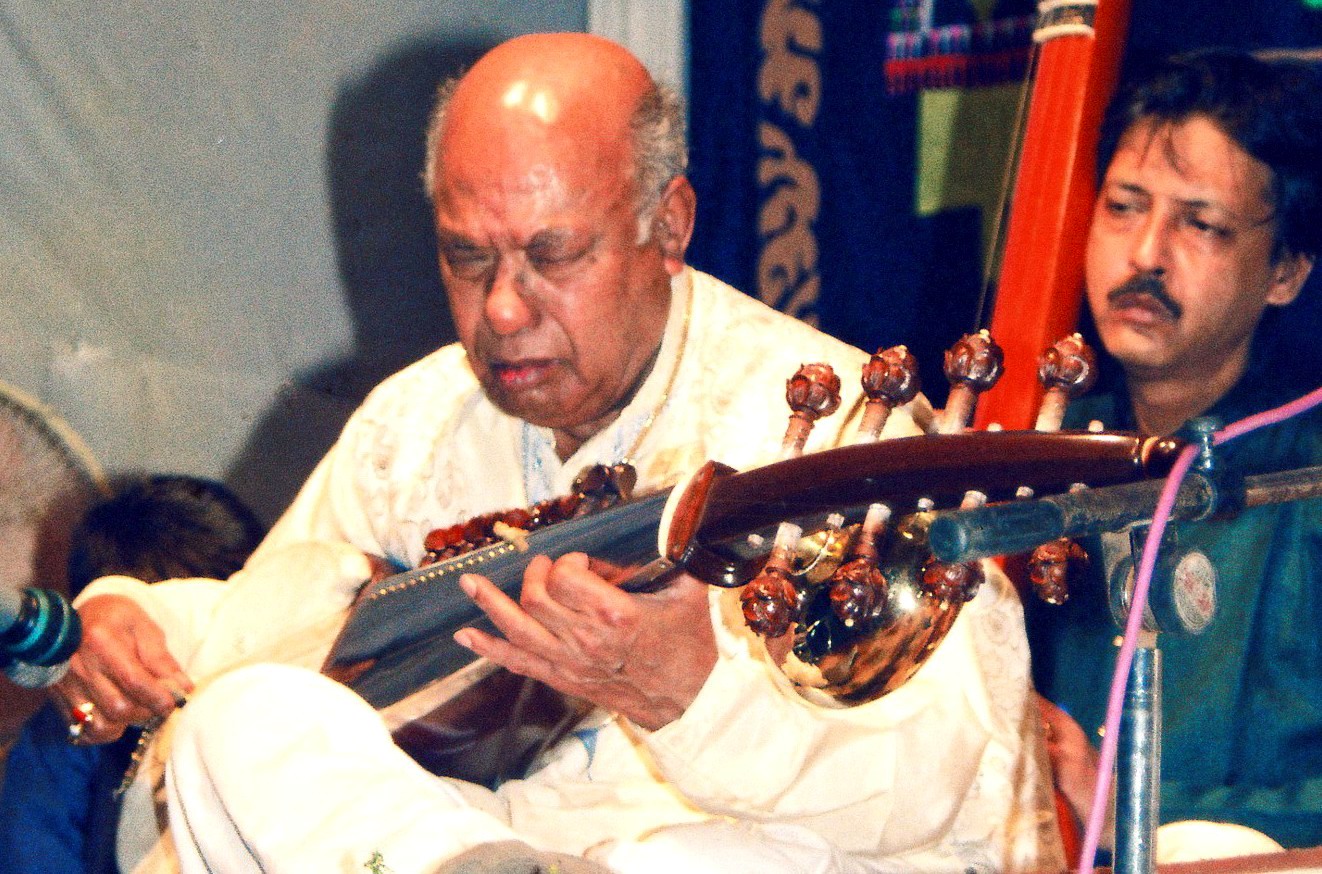 Ustad Ali Akbar KhanSon and student
Sarod.
Annapurna Devi — Wikipedia- Annapurna DeviDaughter and student
Surbahar; he was her only teacher.
Annapurna Devi — Wikipedia - Madan Manjari DeviWife
He named the raga Madan-Manjari for her.
Allauddin Khan — Wikipedia 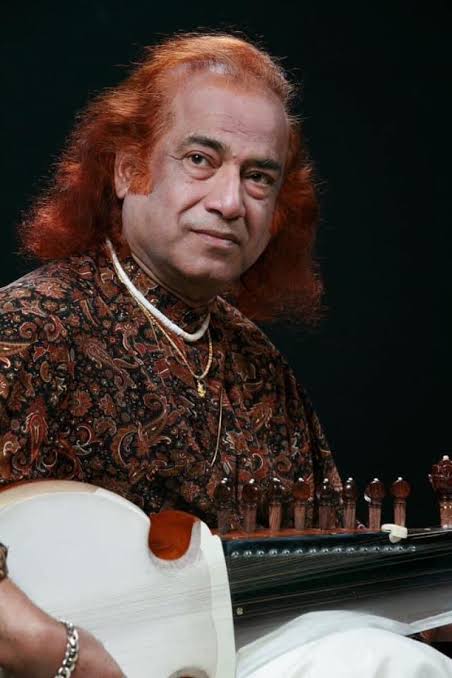 Ustad Aashish KhanGrandson and student
He initiated his grandson into music at the age of five.
Aashish Khan — Wikipedia
Collaborators and accompanists
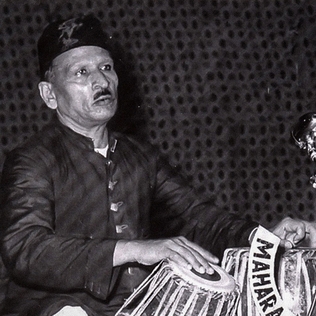 Ustad Ahmed Jan ThirakwaAccompanied by
Thirakwa is named among the tabla players who accompanied him.
Mohan Nadkarni, The Economic Times 1982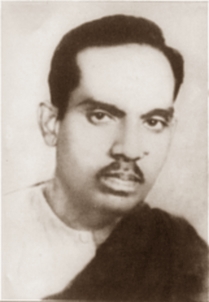 Pandit Anokhelal Mishraaccompanied by
Anokhelal Mishra accompanied him in concert.
Wikipedia — Anokhelal Mishra
Schools, gurukuls and institutions
- Ali Akbar College of Music
Teaching tradition and archive recordings
- Dhrupad Kendra, Bhopal
The academy is named after him
- Prayag Sangeet Samiti
Performed at the Samiti
Recognition
Honours and recognition
Highest national honour first, then by year.
- 1971Padma VibhushanThe first Hindustani classical musician to receive it.
- 1958Padma Bhushan
- 1954Sangeet Natak Akademi Fellowship
- 1952Sangeet Natak Akademi AwardFor sarod; then known as the Presidential Award.
- 1963D.Litt., Rabindra Bharati UniversityHonorary.
Writing
From the journal
Indian classical music: an introduction
What raga and tala actually are, how a concert is shaped, why lineage matters, and where to start listening. A first map of a very large territory.
Sitar and surbahar: what changes when the instrument grows
They share a shape, a plectrum and a family of players — but the bigger instrument was built for a different job. A guide to the differences you can hear, and to who actually invented the surbahar.
Community
Memories from the community
Personal recollections, not verified history
These are memories shared by listeners and musicians. They sit apart from the sourced biography above, and an editor reads each one before it appears.
- No memories have been shared yet.
Members can share a memory of Ustad Allauddin Khan. Sign in or create an account.
Provenance
Sources and image credits
- Allauddin Khan — Wikipedia
- Baba Allauddin Khan, Raag Shuddha Basant — Akashvani Sangeet, All India Radio
- Documentary: Ustad Allauddin Khan — Sangeet Natak Akademi Archives, Ministry of Culture
Photograph by Prof. Rafiqul Islam, 1955 — CC BY 2.5, via Wikimedia Commons
Continue exploring
- Maihar (Senia-Maihar) gharanaThe lineage Ustad Allauddin Khan is associated with, and the other musicians documented within it.
- The sarodHow the instrument works, and who else in the archive plays it.
- The sitarHow the instrument works, and who else in the archive plays it.
- Ali Akbar College of MusicThe school Ustad Allauddin Khan is connected to — what it teaches and where it is.
- All musiciansBrowse the archive by name, instrument or discipline.