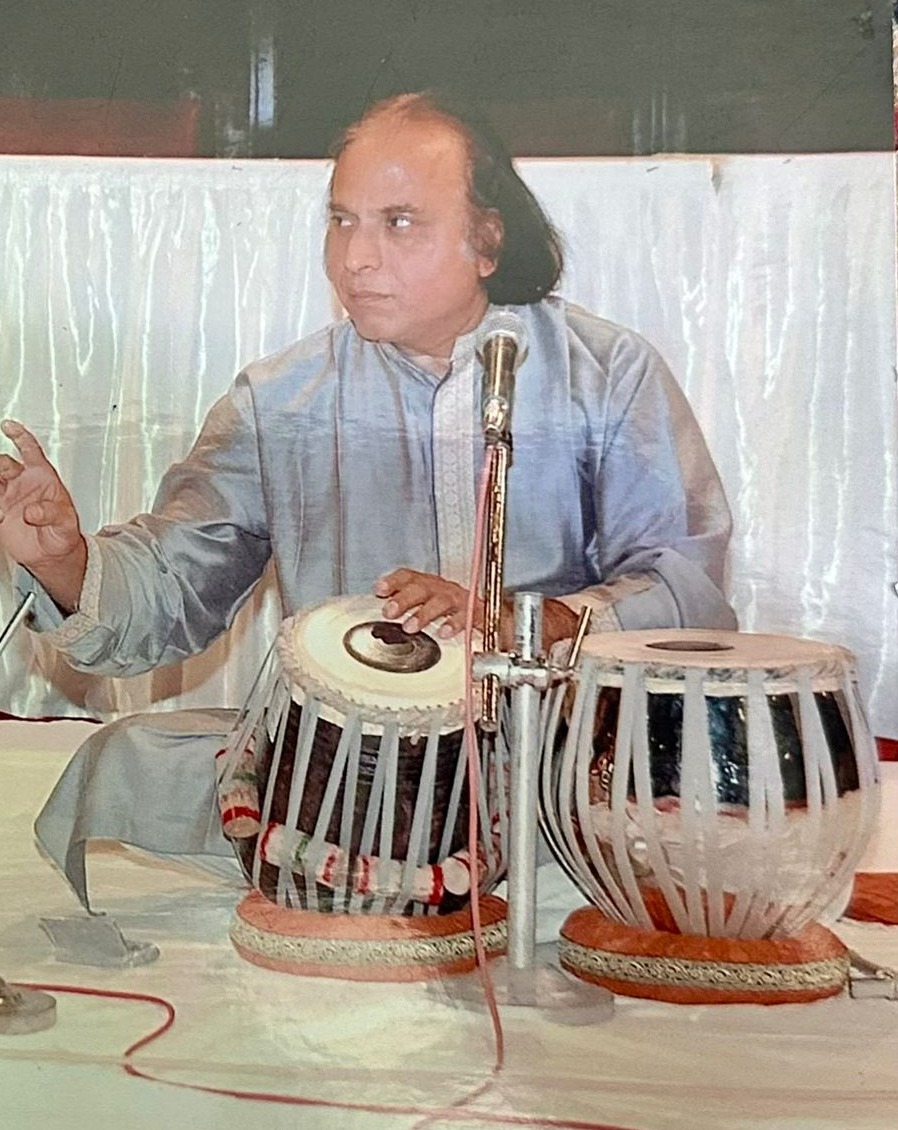
Hindustani classical · born 1948
Pandit Suresh Talwalkar
Tabla player and teacher, known as Taalyogi, who brought Carnatic rhythm theory and vocal accompaniment into the tabla solo.
- Gharana
- Farrukhabad gharana
- Schools & gurukuls
- Taalyogi AashramTeaches hereITC Sangeet Research AcademyPerformed at the ITC Sangeet Sammelan
- Born
- 20 July 1948, Chembur, Mumbai
Official website & social links
We have no checked official pages for Pandit Suresh Talwalkar yet. Suggest an official link.
Where to start
Begin listening
Start here
Tabla solo, Ustad Allarakha birth-centenary celebration
46:36 · Savani Events
Explore further
Tabla solo with Satyajit Talwalkar, Saptak Festival
1:03:17 · Sur Sagar Music
An archival performance
Jhaptaal solo, Bangkok 2002 (part one)
12:04 · Supantho Majumder
Recordings are embedded from official or authorised channels and never rehosted. Nothing plays on its own, and starting one closes another. Where an editor has added a note, it explains why that recording was chosen — not what happens inside it.
Biography
Life
Suresh Talwalkar was born on 20 July 1948 in Chembur, Mumbai, into the Keertankar family of Shri Dholebuva — a household in which kirtan, a sung and spoken devotional discourse, was part of daily life. His father, Dattatray Talwalkar, gave him his first tabla lessons.
He went on to train with Pandit Pandharinath Nageshkar and Pandit Vinayakrao Ghangrekar, and learnt Carnatic laya theory from the mridangam player Pandit Ramnad Ishwaran. He also regards the vocalists Pandit Gajananbuva Joshi and Pandit Nivruttibuva Sarnaik, whom he accompanied often, as gurus, and credits them with his understanding of how rhythm sits inside a raga performance. Because of this mixed training his playing is not attached to a single gharana; accounts of his style name Delhi, Ajrada, Farrukhabad, Benares and Lucknow material alongside Carnatic rhythmic thinking, and it is this synthesis that earned him the honorific Taalyogi.
His best-known contribution to the tabla solo is the use of vocal accompaniment in place of the customary instrumental nagma. Setting the taal cycle to a sung composition gives the soloist a mukhda to return to rather than only the sam, and makes the cycle audible to listeners unfamiliar with it; it also allows solos in less usual taals such as Deepchandi and Ada Chautaal. From the same thinking come his extended formats — Taal Mala and Jod Taal, and the group presentation Taal Yatra.
As an accompanist he played with the sarangi player Pandit Ram Narayan from the late 1960s, and with vocalists including Mogubai Kurdikar, Krishnarao Shankar Pandit, Vinayakrao Patwardhan and Gajananrao Joshi. He told The Hindu in 2022 that the only musician he still accompanies is Pandit Ulhas Kashalkar, a close friend and guru bhai, teaching having gradually taken the place of the concert career.
Teaching has indeed become the centre of his work. He began running group tabla workshops as early as 1973, on the view that collective practice does something one-to-one lessons cannot, and he now trains students at the Taalyogi Aashram in Pune and the Avartan Gurukul in Nashik, at SPIC MACAY gurukuls, and for several years in Dhaka for the Bengal Foundation. His disciples include Vijay Ghate and Ramdas Palsule. He is married to the khyal vocalist Padma Talwalkar; their children Satyajit and Savani Talwalkar are both musicians.
He received the All India Radio Award in 1966, the Sangeet Natak Akademi Award in 2004 and the Padma Shri in 2013.
Musical contribution
What they brought to music
Two things mark a Talwalkar solo. The first is the sung nagma: instead of a sarangi or harmonium looping the theka, a vocalist carries a bandish in the cycle, so the listener hears the taal as melody and the mukhda arrives as a musical event rather than a count. The second is the Carnatic arithmetic underneath — gati changes, layered speeds and korvai-like cadences, worked into Hindustani kaida and rela rather than bolted on. In accompaniment he is deliberately unshowy, a habit formed beside khyal singers, where his job was to hold the cycle steady and let the raga move.
Life in dates
Timeline
1948
Born in Chembur, Mumbai
Into the Keertankar family of Shri Dholebuva.
1966
All India Radio award
2004
Sangeet Natak Akademi Award
2013
Padma Shri
In pictures
Photographs
Lineage & company
Teachers, students and musical connections
Documented teaching lineage
Taught Satyajit Talwalkar
Taught his son from the age of four.
Darbar — Satyajit Talwalkar
Teaching, family, collaboration and influence are recorded separately here; none is ever inferred from another.
People
Grouped by the kind of relationship the sources record — who taught this musician, who they taught, family, and the people they played with.
Teachers and gurus
- Pandit Pandharinath NageshkarTeacherSuresh Talwalkar — Wikipedia
- Pandit Vinayakrao GhangrekarTeacherTaalyogi Aashram — about
- Ramnad IshwaranTeacher
The mridangam player from whom he learnt Carnatic laya theory.
Taalyogi Aashram — about - Pandit Gajananbuva JoshiTeacher and musician he accompanied
He accompanied Gajananbuva often and regards him as a guru.
Taalyogi Aashram — about - Pandit Nivruttibuva SarnaikTeacher and musician he accompanied
He accompanied Nivruttibuva often and regards him as a guru.
Taalyogi Aashram — about
Students and disciples
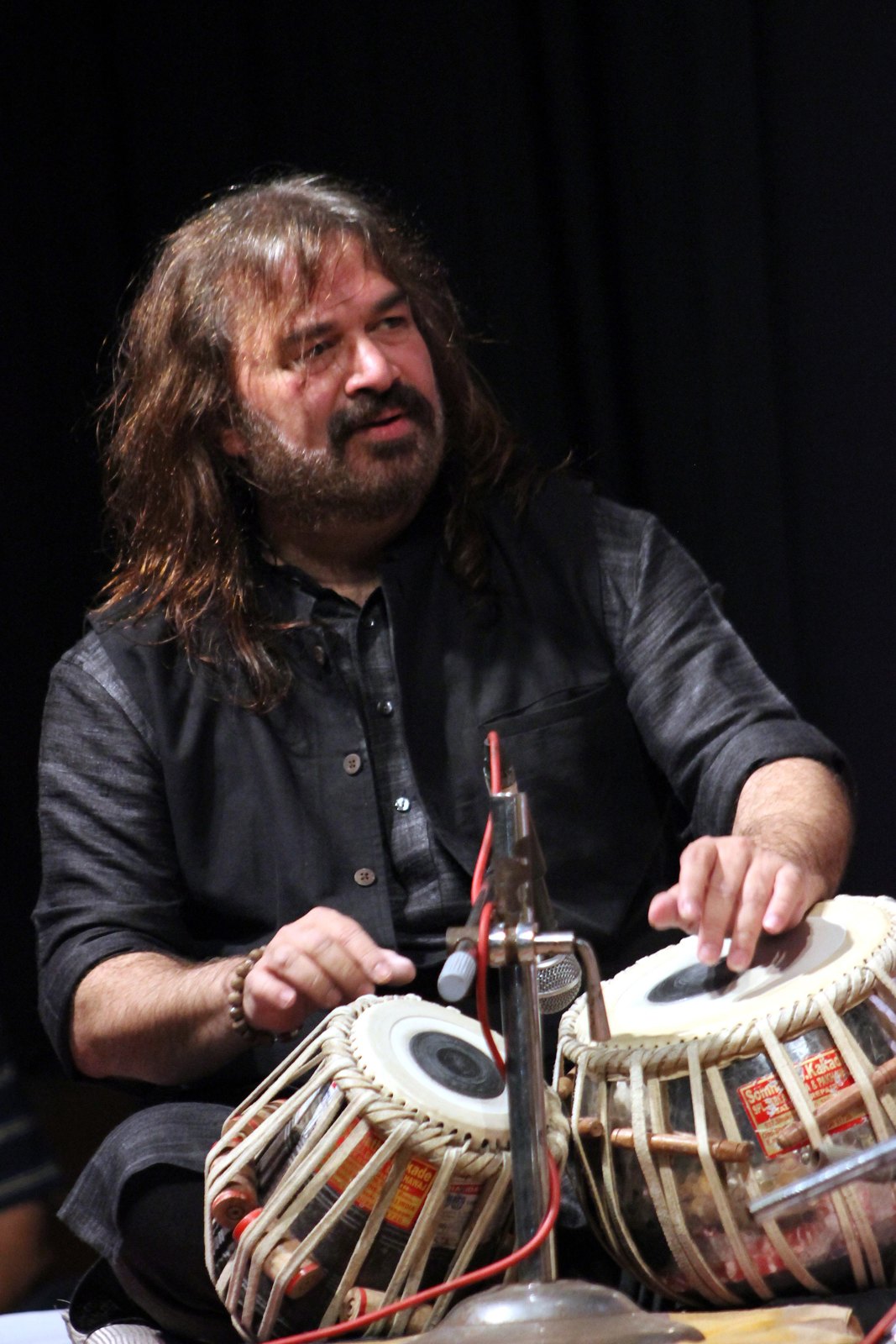 Vijay GhateSelected documented studentSuresh Talwalkar — Wikipedia
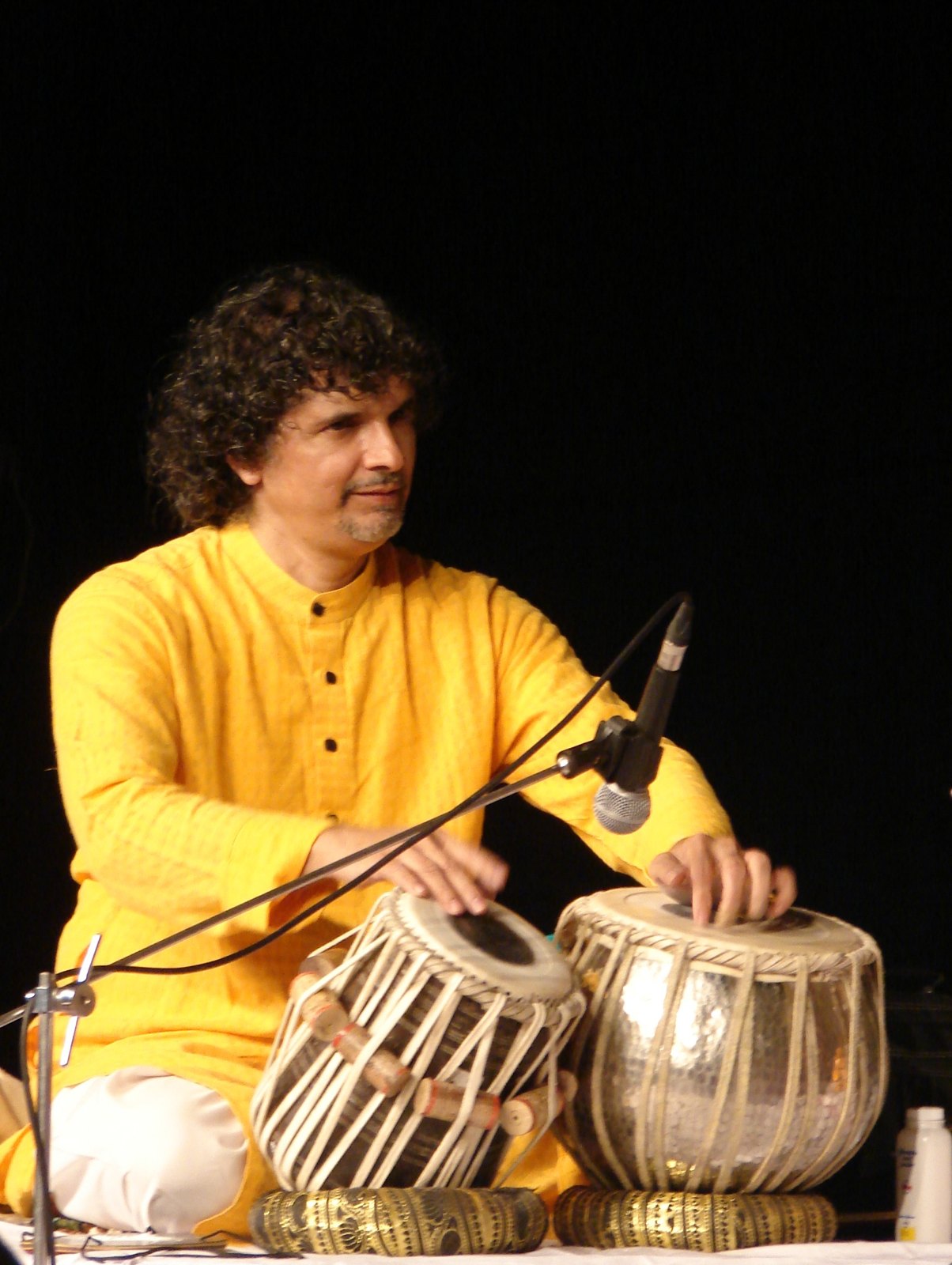 Ramdas PalsuleSelected documented studentSuresh Talwalkar — Wikipedia
- Krushna SalunkeSelected documented student
Pakhawaj player; named as his disciple at Bhavitavya 2019
Savani Events, Bhavitavya 2019 (YouTube) - Charudatta PhadkeStudent
Named among his leading students
Pandit Suresh Talwalkar — official biography - Vishwanath ShirodkarStudent
Advanced training
Rithwik Foundation
Family
- Padma TalwalkarWife
Khyal vocalist; a marriage of two performing careers, not a teaching relationship.
Darbar — Pandit Suresh Talwalkar - Shri Dattatray TalwalkarFather and first teacher
His father initiated him into tabla as a child.
Taalyogi Aashram — about - Satyajit TalwalkarSon, and a tabla playerDarbar — Pandit Suresh Talwalkar
- Savani TalwalkarDaughter, and a musicianDarbar — Pandit Suresh Talwalkar
Collaborators and accompanists
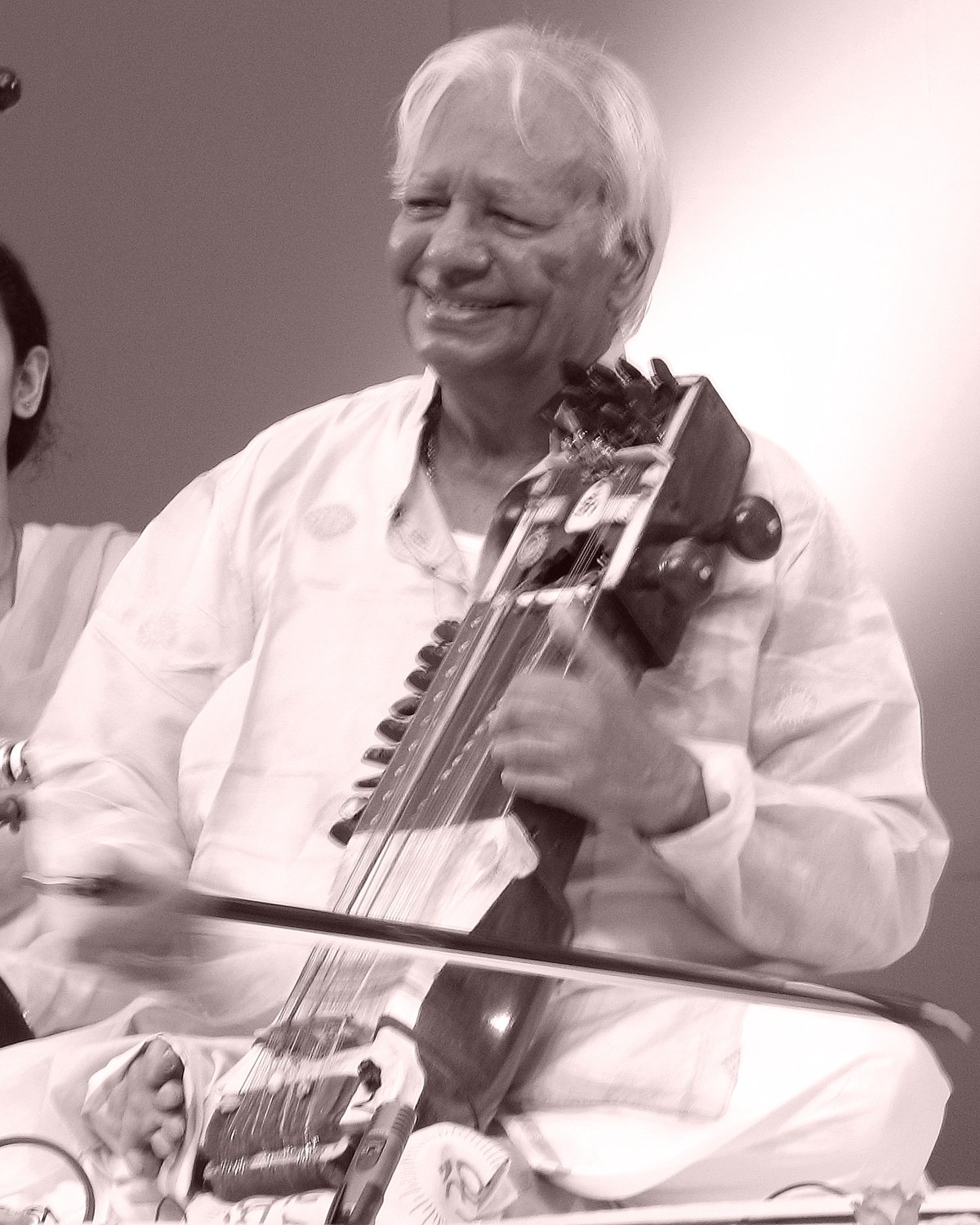 Pandit Ram NarayanLong accompanying partnership
He has performed with the sarangi player since the late 1960s.
Suresh Talwalkar — Wikipedia- Pandit Ulhas KashalkarMusician he accompaniesSuresh Talwalkar — Wikipedia
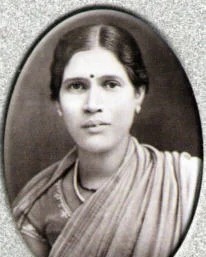 Mogubai KurdikarAccompanied
Named among the doyens he accompanied in his early career.
The Hindu — Pt. Suresh Talwalkar's modern gurukul (2022)- Krishnarao Shankar PanditAccompanied
Named among the doyens he accompanied in his early career.
The Hindu — Pt. Suresh Talwalkar's modern gurukul (2022) - Vinayakrao PatwardhanAccompanied
Named among the doyens he accompanied in his early career.
The Hindu — Pt. Suresh Talwalkar's modern gurukul (2022) - Shama BhateCollaborator
Kathak dancer and choreographer; he has worked with her on layakari and rhythmic construction.
Darbar — Pandit Suresh Talwalkar - Pandit Uday Bhawalkaraccompanied on tabla
Has accompanied the dhrupad singer in a number of concerts.
About Udayji, Dhrupad Music Society
Named on other pages
Musicians whose own pages record a connection with this one, in the words their sources use.
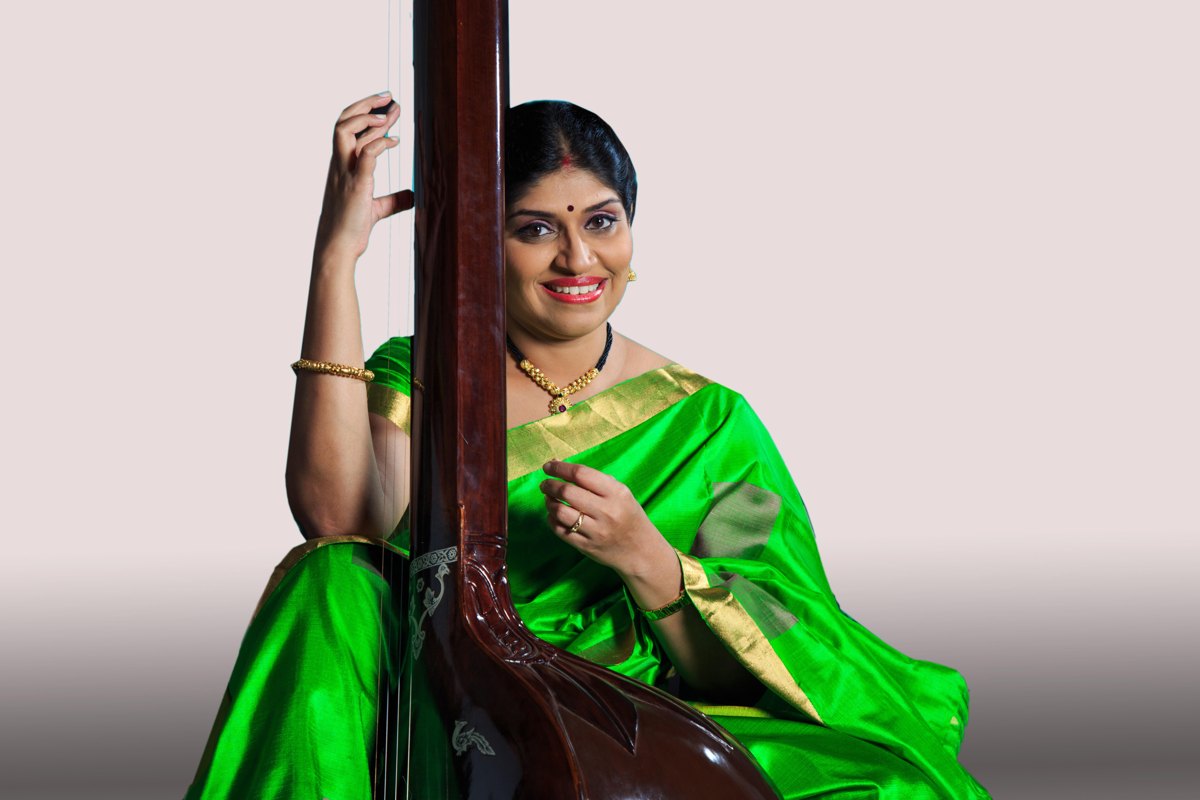 Gauri PathareTheir page records: Collaborator
"Pathare was the vocal accompaniment to Pt. Suresh Talwalkar for his taal maala concerts in her initial years."
Schools, gurukuls and institutions
- Taalyogi Aashram
Teaches here
- ITC Sangeet Research Academy
Performed at the ITC Sangeet Sammelan
Recognition
Honours and recognition
Highest national honour first, then by year.
- 2013Padma ShriAwarded by the Government of India; he is widely referred to by the honorific Taalyogi rather than by the award.
- 2004Sangeet Natak Akademi Award
- 1966All India Radio Award
Community
Memories from the community
Personal recollections, not verified history
These are memories shared by listeners and musicians. They sit apart from the sourced biography above, and an editor reads each one before it appears.
- No memories have been shared yet.
Members can share a memory of Pandit Suresh Talwalkar. Sign in or create an account.
Provenance
Sources and image credits
- Taalyogi Aashram — About Pt. Suresh Talwalkar
- Suresh Talwalkar — Wikipedia
- Darbar — Pandit Suresh Talwalkar
- Taalyogi Pandit Suresh Talwalkar — official biography
- The Hindu — Enter tabla wizard Pt. Suresh Talwalkar's modern gurukul (15 Jul 2022)
Photograph: GhatamLover, via Wikimedia Commons (CC0, cropped)
Continue exploring
- Farrukhabad gharanaThe lineage Pandit Suresh Talwalkar is associated with, and the other musicians documented within it.
- The tablaHow the instrument works, and who else in the archive plays it.
- The pakhawajHow the instrument works, and who else in the archive plays it.
- Taalyogi AashramThe school Pandit Suresh Talwalkar is connected to — what it teaches and where it is.
- All musiciansBrowse the archive by name, instrument or discipline.